Tv Stands with Built-in Speakers

TV stands with built‑in speakers combine furniture and audio into one sleek unit, saving space and simplifying setup. We break down the key features, ideal room layouts, and buying tips so you can pick a stand that looks great and sounds even better.
Key Takeaways
- Space‑saving design: Integrated speakers eliminate the need for separate floor or bookshelf speakers.
- Sound quality varies: Look for stands with dedicated woofers, tweeters, and good amp power for balanced audio.
- Material matters: Wood, metal, or glass affect both aesthetics and acoustic performance.
- Connectivity options: HDMI ARC, optical, Bluetooth, and Wi‑Fi give you flexibility with modern TVs.
- Weight capacity: Ensure the stand can support your TV’s size and any additional devices.
- Style matches décor: Choose finishes and designs that complement your living room theme.
- Future‑proof features: Look for firmware updates, smart‑assistant integration, and modular speaker upgrades.
📑 Table of Contents
- Why TV Stands with Built‑In Speakers Are Gaining Popularity
- How Built‑In Speakers Work Inside a TV Stand
- Key Features to Look For When Buying
- Top Picks for Different Needs
- How to Set Up Your TV Stand with Built‑In Speakers
- Maintaining Your Integrated Stand
- Integrating Your Stand with a Full Home‑Theater System
- Conclusion
- Related Reading
Why TV Stands with Built‑In Speakers Are Gaining Popularity
Imagine walking into your living room and hearing crisp, room‑filling sound without a jumble of speaker wires or a bulky soundbar on the floor. That’s the promise of a TV stand that already has speakers built into its frame. Over the past few years, manufacturers have blended furniture design with audio engineering, creating pieces that look good and deliver solid performance.
People love these combos for three main reasons:
- Convenience: One piece of furniture does the job of two.
- Cleaner aesthetics: No visible speaker stands or tangled cables.
- Space efficiency: Perfect for apartments, dorms, or any room where floor space is at a premium.
But convenience doesn’t mean you have to sacrifice sound quality. With the right features, a TV stand with built‑in speakers can rival a traditional home‑theater setup.
How Built‑In Speakers Work Inside a TV Stand
Speaker Placement and Cabinet Design
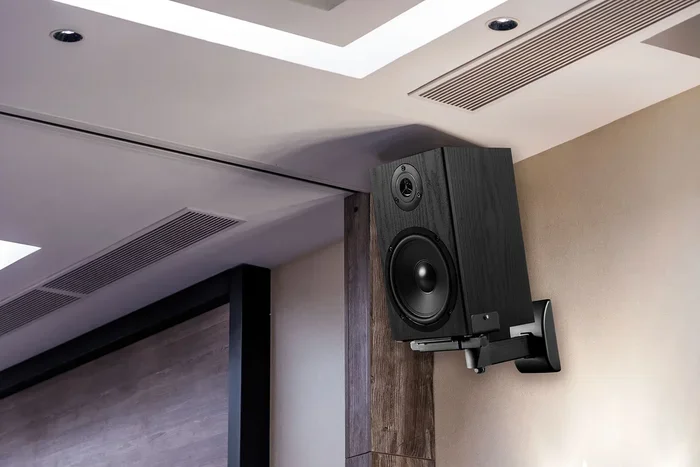
Most integrated stands hide the drivers (the actual speaker cones) behind wood panels, metal grilles, or fabric meshes. The cabinet is tuned to reduce resonance and avoid muffling the sound. Look for stands that mention “acoustic chambers” or “bass reflex ports” – these indicate the designers have taken the physics of sound seriously.

Visual guide about Tv Stands with Built-in Speakers
Image source: images.justwatch.com
Amplification and Power
Unlike passive speakers that need an external amp, many built‑in solutions are “active,” meaning they contain a built‑in amplifier matched to the drivers. This simplifies wiring: you’ll usually connect the TV to the stand via HDMI ARC, optical, or a 3.5 mm jack, and the stand handles the rest.
Connectivity Options
Modern stands often support:
- HDMI ARC (Audio Return Channel) – sends audio both ways over a single cable.
- Optical digital audio – great for high‑resolution sound.
- Bluetooth – stream music from a phone or tablet.
- Wi‑Fi or AirPlay – integrate with smart‑home ecosystems.
Having multiple inputs means you can keep the TV as the central hub while still enjoying music, podcasts, or gaming audio through the same speakers.
Key Features to Look For When Buying
1. Sound Quality Metrics
Don’t just rely on “good sound” marketing copy. Check for:
Visual guide about Tv Stands with Built-in Speakers
Image source: image.slidesharecdn.com
- Wattage: 30‑60 W per channel is typical for a living‑room stand.
- Frequency response: A range of 45 Hz – 20 kHz covers most music and dialogue.
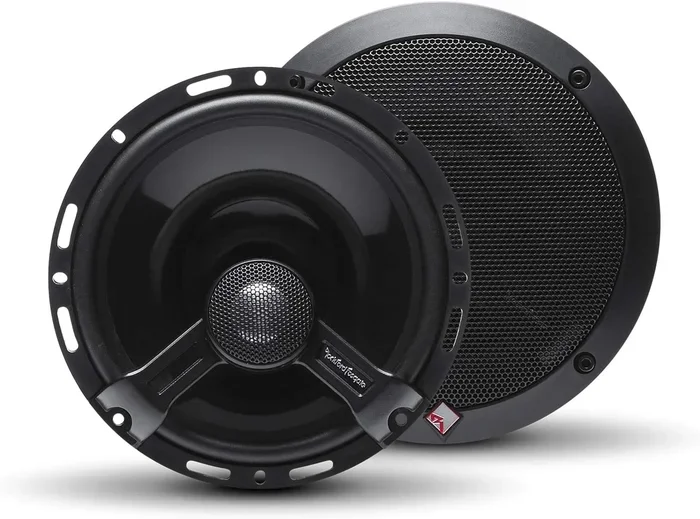
- Driver configuration: Separate tweeters for highs and mids/woofers for lows give a balanced soundstage.
2. Build Materials
Wood (especially hardwood) can enhance bass response, while metal adds a modern look and reduces vibration. Glass tops look sleek but may reflect sound, so choose a model with acoustic backing if you love a glass surface.
3. Weight Capacity
Most stands are rated for 55‑75 inches and up to 80 lb. If you own a large 75‑inch TV or plan to add a soundbar later, verify the maximum load. Overloading can bend shelves and affect the speaker alignment.
4. Cable Management
Hidden channels, rubber grommets, and built‑in power strips keep cords tidy and reduce interference. A clean back panel not only looks better but also makes future upgrades easier.
5. Style and Finish
From mid‑century walnut to industrial black metal, there’s a design for every décor. Some brands even let you swap panels or add decorative legs, so you can customize the look.
Top Picks for Different Needs
Best Overall: The SoundWave 65‑Inch Entertainment Console
This unit blends a sleek black metal frame with walnut accents. It houses 2 × 4‑inch woofers, a 1‑inch tweeter, and a 50 W per channel amp. HDMI ARC, optical, and Bluetooth are all supported. Users praise its deep bass and sturdy construction, and the weight capacity of 85 lb easily handles a 65‑inch TV.

Visual guide about Tv Stands with Built-in Speakers
Image source: m.media-amazon.com
Best Budget: EchoRise Minimalist TV Stand
If you’re watching your wallet, the EchoRise offers a simple pine frame with fabric‑covered speakers. It delivers 25 W per channel, which is enough for movies in a small to medium room. The stand includes a single HDMI ARC port and a handy cable‑routing groove.
Best for Large Rooms: Aurora Premium Media Console
Designed for 75‑inch screens, the Aurora uses a solid oak base and includes dual 6‑inch woofers plus a dedicated subwoofer compartment. The total output is 80 W per channel, and the stand supports both HDMI ARC and a dedicated optical input. Its “bass reflex” vent improves low‑frequency performance, making it ideal for home‑theater enthusiasts.
Best for Modern Aesthetics: GlassWave Ultra‑Slim Stand
For a contemporary look, GlassWave features a tempered glass top with brushed aluminum sides. The speakers are hidden behind a perforated metal mesh that still lets sound pass freely. It supports Wi‑Fi streaming via a built‑in Chromecast and offers a sleek remote control for volume and source selection.
Best for Flexibility: Modular SoundStation
This stand lets you add or remove speaker modules. Start with a basic two‑driver system and later upgrade to a four‑driver configuration without replacing the whole stand. It’s perfect for renters who may want to move the speakers later.
How to Set Up Your TV Stand with Built‑In Speakers
Step 1: Position the Stand
Place the stand against a wall that can support its weight. Keep it at least a few inches away from the wall to allow airflow and prevent sound reflections that can muddy the audio.
Step 2: Connect the TV
Use an HDMI ARC cable from the TV’s ARC‑enabled HDMI port to the stand’s HDMI ARC input. If your TV doesn’t have ARC, use the optical audio out on the TV and plug it into the stand’s optical input.
Step 3: Power Up and Test
Plug the stand into a grounded outlet. Turn on the TV and the stand (some models power on automatically). Use the remote or built‑in controls to adjust volume, bass, and treble. Play a familiar song to confirm balanced sound.
Step 4: Fine‑Tune the Audio
Most stands have an EQ preset (movie, music, news). Try each setting to see which matches your room. You can also manually adjust the bass and treble sliders if the stand offers them.
Step 5: Hide the Cables
Run the HDMI and power cables through the stand’s built‑in cable channel. Use zip ties or Velcro straps to keep them tidy. A clean setup reduces visual clutter and minimizes the risk of accidental unplugging.
Maintaining Your Integrated Stand
Dust and Clean the Grilles
Dust can block sound, especially on fabric‑covered speaker grills. Use a soft brush or a can of compressed air to clean the openings once a month.
Check Connections Periodically
Loose HDMI or power connections can cause audio dropouts. Give the plugs a gentle wiggle every few months to ensure a tight fit.
Software Updates
Some high‑end stands run firmware that can be updated via a USB stick or Wi‑Fi. Check the manufacturer’s website for any improvements to Bluetooth stability or new sound profiles.
Integrating Your Stand with a Full Home‑Theater System
If you eventually want a more immersive audio experience, you don’t have to ditch the built‑in speakers. Many stands feature a “line‑out” jack or a pre‑amp output that lets you connect an external soundbar or a set of surround speakers.
For example, you could keep the stand’s speakers for daytime TV and movies, then switch to a dedicated 5.1 system for weekend binge‑watching. The transition is as simple as selecting the “external speakers” option in the stand’s menu.
Conclusion
TV stands with built‑in speakers are more than a gimmick; they’re a practical solution for modern living spaces where style, simplicity, and sound quality all matter. By focusing on key features—sound output, material, connectivity, and weight capacity—you can pick a stand that looks great and delivers audio that fills the room.
Whether you’re outfitting a compact apartment with the EchoRise Minimalist TV Stand or creating a home‑theater centerpiece with the Aurora Premium Media Console, the right integrated stand can elevate both your décor and your listening experience. Take the time to match the stand to your TV size, room acoustics, and personal taste, and you’ll enjoy a clutter‑free, high‑fidelity setup for years to come.
Related Reading
If you’re curious about speaker placement beyond the TV stand, check out our guide on Speaker Stands For Surround Speakers. For tips on managing multiple audio devices, see 2 8 Ohm Speakers In Series. And if you love the idea of modular audio, read about Speaker Stands For Large Speakers for more ideas.
Frequently Asked Questions
Do TV stands with built‑in speakers require a separate amplifier?
Most integrated stands are “active,” meaning they include a built‑in amp matched to the speakers. You only need to connect the TV via HDMI ARC, optical, or Bluetooth.
Can I use a soundbar with a TV stand that already has speakers?
Yes. Many stands provide a line‑out or pre‑amp output, allowing you to add a soundbar or external speakers for extra bass or surround effects.
Will the speakers affect the durability of the stand?
Quality stands are designed to handle the extra weight of the drivers and amp. Always check the weight capacity to ensure it supports both your TV and the built‑in audio components.
Are built‑in speakers louder than traditional bookshelf speakers?
They can be, especially when the stand includes a dedicated subwoofer compartment. However, pure volume also depends on the wattage and driver size, so compare specifications.
Is Bluetooth latency a problem for movies?
Modern Bluetooth codecs (like aptX Low Latency) reduce lag to under 40 ms, which is generally unnoticeable for most viewers. For critical sync, use HDMI ARC or optical.
How do I clean the speaker grilles without damaging them?
Use a soft brush or compressed air to gently remove dust. If the grille is fabric, a light vacuum with a brush attachment works well. Avoid liquid cleaners.