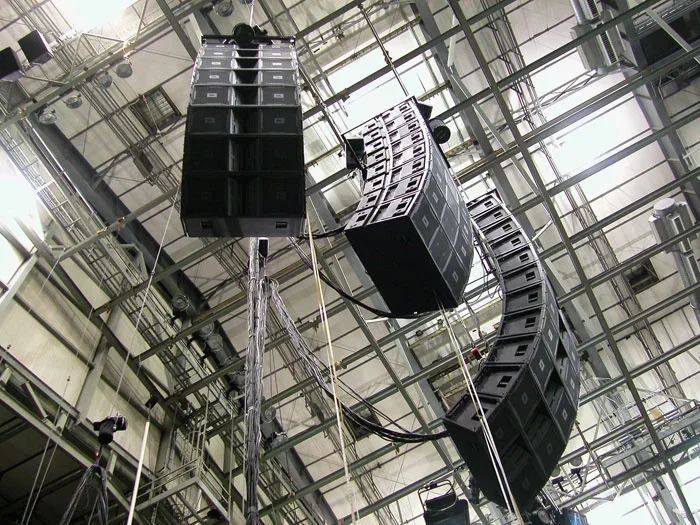
Pro Audio Line Array Speakers
Pro audio line array speakers are the top choice for live sound because they throw clear audio over long distances. They stack vertically to control sound direction and reduce uneven coverage. If you plan big concerts, festivals, or large indoor shows, these systems give you better clarity and less feedback. This guide explains how they work, what to look for, and how to set them up the right way.
This is a comprehensive guide about pro audio line array speakers.
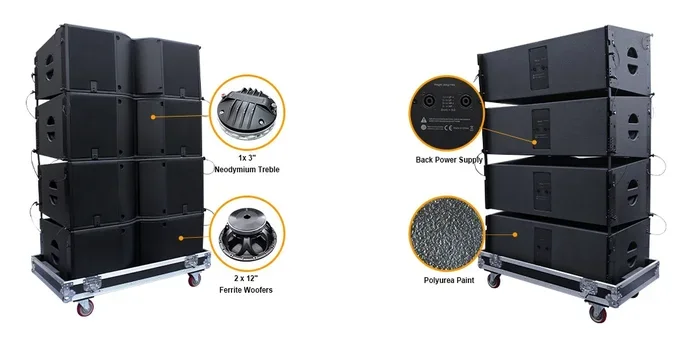
Visual guide about professional line array speaker system
Image source: icdn.tradew.com
Key Takeaways
- Line array design: Vertical stacks create even sound coverage across wide venues.
- Long throw distance: These speakers push clear audio far without losing quality.
- Consistent coverage: Audience members in front and back hear similar volume levels.
- System matching: Choose the right box count, power handling, and rigging for your space.
- Amp and DSP setup: Proper amplification and digital tuning keep the system safe and clear.
- Safety first: Always use certified rigging hardware and follow load limits.
- Room matters: Indoor and outdoor spaces need different array shapes and angles.
[FEATURED_IMAGE_PLACEHOLDER]
What Are Pro Audio Line Array Speakers
If you have ever stood in a huge crowd and noticed that the sound stayed clear even far from the stage, you likely heard a line array at work. These systems use multiple speaker boxes stacked in a tall column. The shape changes how sound travels. Instead of spreading out in all directions, the audio beams forward in a controlled way. That means the front row does not get blasted while the back row struggles to hear.
The basic idea is simple. A single speaker wastes energy by sending sound up, down, and sideways. A line array focuses more energy toward the audience. It also keeps the volume more even from near to far. This is why pro audio line array speakers are common at concerts, festivals, corporate events, and large houses of worship. They help sound engineers cover big spaces without constant volume changes.
You will see two main styles. One style uses identical boxes that stack together. Another style uses mixed boxes, where some handle low end and others handle mid and high frequencies. Either way, the goal is the same. Create a smooth, powerful sound field that reaches the whole crowd. When the system is tuned well, the result feels natural and strong.
Why Line Array Design Changes Live Sound
Traditional point source speakers work well in small rooms. They throw sound in a wide pattern. That is useful when the audience sits close. But in a long venue, the sound can fade quickly. You may need to raise the volume for the back row, and then the front row gets too loud. A line array reduces that problem.
The vertical arrangement changes the coverage pattern. The array can be aimed so the sound spreads horizontally across the crowd while staying tight vertically. This helps the mix stay consistent. It also lowers the chance of hot spots and dead zones. For large stages, that is a huge advantage.
Another benefit is control. Sound engineers can steer the array with physical angles or digital processing. They can also split the system into zones. For example, one section can cover the center seats while another covers the side fills. This flexibility makes line array speakers a strong choice for venues with tricky shapes.
Here is a simple comparison to keep in mind.
- Point source speakers: Best for small spaces, close listeners, and simple setups.
- Line array systems: Best for long throw distances, wide audiences, and controlled coverage.
- Hybrid setups: Sometimes both types work together for side fills, subs, or delay towers.
Key Benefits Of Pro Audio Line Array Speakers
The biggest reason people choose these systems is consistency. The audience hears a more balanced mix from the first row to the last row. That matters for vocals, drums, and speech. It also helps the mixer make better decisions because the sound on stage matches the sound in the room more closely.
These systems also handle distance better. A well-designed array can send sound farther without losing definition. That does not mean you can ignore room acoustics or speaker placement. It does mean the system has a better chance of staying clear at range. For outdoor shows, this can be a major advantage.
Another benefit is pattern control. You can reduce unwanted reflections from ceilings or nearby walls. You can also lower spill onto the stage. Less stage spill means cleaner monitors and less feedback risk. That makes the whole show easier to manage.
A few practical benefits include:
- Better volume consistency across the audience area
- Improved clarity for vocals and midrange details
- Stronger control over vertical coverage
- More flexible aiming and zoning options
- Reduced feedback risk when tuned properly
How To Choose The Right System For Your Venue
Choosing the right array starts with the room. Measure the width, depth, and height of the space. Think about where the audience sits and where the stage is. A small club does not need the same system as an outdoor amphitheater. If you buy too much power for a tiny room, you may create more problems than you solve.
Next, think about the type of content. Speech needs clarity. Music needs balance and dynamic range. A festival may need huge output and serious low end support. A conference may need even coverage and low distortion. Your use case should guide the speaker count, box size, and amplification.
You should also look at rigging and transport. Some arrays are built for quick setup and touring. Others are heavier and meant for installed use. If your team moves often, weight and speed matter. If the system stays in one place, durability and integration may matter more.
Quick tips for choosing:
- Match box count to venue size and throw distance
- Check power handling and sensitivity ratings
- Confirm rigging points and load limits
- Plan for subs if your content needs strong bass
- Consider weather protection for outdoor use
Setup, Tuning, And Safety Best Practices
Setting up a line array is not just about stacking boxes. You need a solid plan for placement, aiming, and processing. Start with the right height and angle. If the array is too low, you may lose control of the vertical pattern. If it is too high, the front audience may miss important details. The goal is to cover the seats without wasting energy above or below them.
Amplification matters too. The amp should match the speaker requirements and leave enough headroom. You also need a DSP or crossover setup that divides frequencies correctly. This keeps the drivers safe and helps the system sound clean. If you are new to this, it helps to learn the basics of crossover points, EQ, and delay alignment.
Safety is non negotiable. Always use rated rigging hardware. Check every clamp, pin, and cable before the show. Make sure the structure can handle the load. If you are unsure, bring in a qualified rigger or technician. A safe setup protects your gear, your crew, and the audience.
Common mistakes to avoid:
- Over-tilting the array and losing front-row coverage
- Skipping delay alignment between boxes or zones
- Using the wrong amp size for the system
- Ignoring weight limits and rigging ratings
- Forgetting to check weather conditions outdoors
Expert insight: A good line array still needs a good mix. If the source material is muddy or too hot, the system will only reproduce those problems more efficiently. Start with a clean mix, then tune the system to the room.
When A Line Array Makes Sense And When It Does Not
A line array is a smart choice when the audience sits far from the stage. It is also useful when the venue is wide and you need even side-to-side coverage. Large events, traveling shows, and spaces with high ceilings often benefit from this design. If you need strong throw and controlled pattern, this format deserves a close look.
On the other hand, a small room may not need this much complexity. If the crowd sits close and the ceiling is low, a few well-placed point source speakers may be enough. In that case, a simpler system can save money and setup time. It may also be easier to tune for a beginner.
Think about total cost too. The speakers are only part of the picture. You may also need subs, amps, DSP, rigging, cables, and skilled labor. If your budget is tight, focus on the core needs first. Sometimes a smaller, well-tuned system performs better than a huge setup that is poorly adjusted.
A simple decision guide:
- Choose a line array for long rooms, big crowds, and controlled coverage
- Choose point source for small spaces and simpler installs
- Add subs when bass response matters for the show
- Use delay towers or fills when the venue is very wide
Final Thoughts On Pro Audio Line Array Speakers
If you want clear, even coverage over a long distance, pro audio line array speakers are hard to beat. They bring pattern control, better throw, and more consistency to large live sound setups. But they are not a magic fix. Good placement, proper tuning, and safe rigging still matter. The best system is the one that fits your venue, your content, and your team.
Take time to understand your space before you buy. Start with the audience area, the throw distance, and the type of performance you expect. Then choose a system that matches those needs without overcomplicating the setup. When everything is aligned well, the sound feels smooth, powerful, and natural from front to back.
What makes pro audio line array speakers different from regular speakers?
Line array speakers stack vertically to control how sound travels. That design helps the audio reach farther with more even coverage, while regular speakers spread sound more widely in all directions.
Do I need a line array for a small venue?
Probably not. Small rooms usually work better with simpler point source speakers because the audience sits closer and the coverage area is limited. A line array can be overkill in tight spaces.
How many boxes do I need in a line array?
The right number depends on venue size, throw distance, and desired output. Smaller shows may need only a few boxes, while large outdoor events often need more boxes and subs to cover the space properly.
Can I aim a line array without digital processing?
Yes, to some degree. Physical angles help shape coverage, but digital processing gives you much better control over EQ, delay, and zone tuning. Both tools work best when used together.
Are line array speakers good for outdoor events?
They can be excellent for outdoors because they help direct sound toward the audience and reduce waste. Still, you need weather-aware gear, proper rigging, and careful planning for wind and open space.
Do line array speakers replace subwoofers?
No. Line arrays usually handle mid and high frequencies well, but subs are still important for deep bass. Many systems pair an array with subwoofers for a full, balanced sound.
What should I check before rigging a line array?
Check the weight load, rigging points, clamps, safety pins, and manufacturer limits. Make sure the structure is rated for the setup, and confirm that every connection is secure before the show starts.
Frequently Asked Questions
What is pro audio line array speakers?
pro audio line array speakers is an important topic with many practical applications.