Recommended Amplifier Power for Speakers
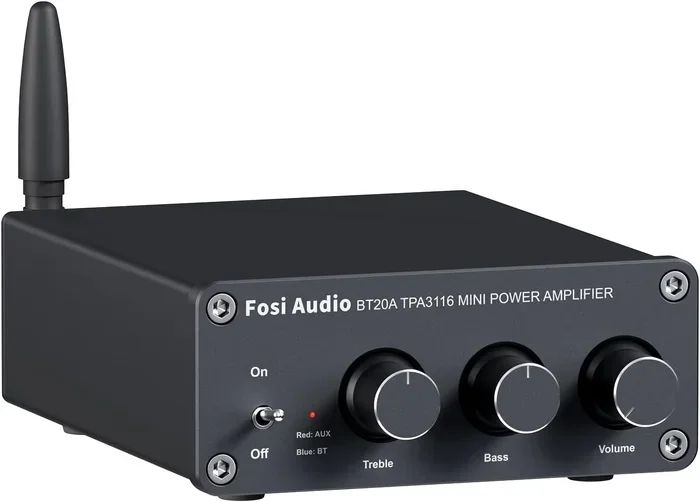
Finding the recommended amplifier power for speakers is key to great sound. Too little power causes distortion. Too much power can damage your gear. This guide helps you match the right wattage for clear audio.
Key Takeaways
- Match Power Ratings: Always align amplifier wattage with speaker RMS ratings for safety.
- Avoid Underpowering: Low power causes clipping which can blow your speakers.
- Headroom Matters: Extra amplifier power provides clean sound at high volumes.
- Impedance Check: Ensure speaker ohms match your amplifier output capabilities.
- Sound Quality First: More power does not always mean better sound quality.
- Use Sensitivity Data: Speaker sensitivity helps determine the power you truly need.
- Protect Your Gear: Proper matching prevents damage and extends equipment life.
[FEATURED_IMAGE_PLACEHOLDER]
📑 Table of Contents
Understanding Recommended Amplifier Power for Speakers
Getting great sound starts with the right gear. You might have amazing speakers. But they will not shine without the right power. This is where the recommended amplifier power for speakers comes in. It is not just about buying the most expensive amp. It is about finding the perfect match.
Many people get confused here. They think bigger is always better. That is not true. Too much power can hurt your speakers. Too little power makes them sound weak. You need a balance. This balance ensures clear vocals and deep bass. It also keeps your equipment safe for a long time.
Think of it like water in a hose. If the pressure is too low, the water barely trickles. If the pressure is too high, the hose might burst. Your audio system works the same way. The amplifier pushes the signal. The speakers move the air. You want them to work together smoothly.
Why Power Matching Matters
Matching power is crucial for safety. When you underpower speakers, you risk clipping. Clipping happens when the amp runs out of clean signal. It sends a distorted wave to the speakers. This heat can damage the voice coils. It is a common way speakers fail.
On the other hand, overpowering can also be risky. If the amp sends too much voltage, the speakers might blow. This is especially true at high volumes. You need to respect the limits of your gear. Following the recommended amplifier power for speakers guidelines protects your investment.
Sound quality is another big reason. A matched system sounds dynamic. Quiet parts stay quiet. Loud parts hit hard without breaking up. You hear details you might miss otherwise. It makes music feel alive. You want that experience in your car or home.
Key Terms You Need to Know
Before you shop, learn a few terms. RMS power is the most important one. It stands for Root Mean Square. This is the continuous power a speaker can handle. It is a realistic number. Peak power is different. It is the maximum burst a speaker can take for a moment. Always focus on RMS ratings.
Impedance is also key. It is measured in ohms. Most speakers are 4, 6, or 8 ohms. Amplifiers have limits on what ohms they can drive. If you mismatch these, the amp might overheat. Or it might not give enough power. Check the specs on both boxes.
Sensitivity tells you how efficient a speaker is. It is measured in decibels. A high sensitivity speaker needs less power to get loud. A low sensitivity speaker needs more power. This helps you choose the right amp size. It is a vital part of finding the recommended amplifier power for speakers.
How to Calculate the Right Wattage
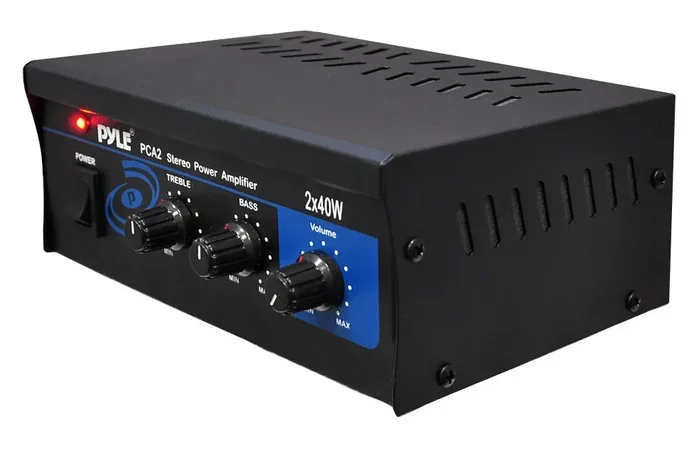
Visual guide about amplifier power for speakers
Image source: images-na.ssl-images-amazon.com
Now let us look at the math. You do not need a calculator. Just follow some simple rules. The goal is to match the RMS power of the amp to the RMS power of the speakers. A good rule is to have the amp slightly stronger than the speakers.
For example, if your speakers handle 100 watts RMS, aim for an amp that puts out 100 to 150 watts. This gives you headroom. Headroom is extra power available when you turn the volume up. It keeps the signal clean. You avoid distortion at party volumes.
If you have multiple speakers, the math changes. You need to consider the total load. If you wire speakers in series, impedance goes up. If you wire in parallel, impedance goes down. This affects how much power the amp delivers. You must check the wiring configuration. This is vital for systems with many drivers.
Single Speaker vs. Multiple Speakers
Setting up one speaker is easy. You just match the numbers. But car audio often has four or more speakers. You might have component speakers in the front. You might have coaxial speakers in the back. Each pair needs power.
If you have four speakers, you need an amp that can drive them all. Some amps have multiple channels. A four-channel amp is great for this. It gives dedicated power to each speaker. This is better than using a single channel for everything.
For home audio, you might have a stereo pair. You want the amp to drive both left and right channels. Ensure the power rating is per channel. Some boxes list total power. You need to know the per-channel RMS. This ensures you have the recommended amplifier power for speakers for each side.
Using Sensitivity to Adjust Power
Sensitivity changes the power needs. A speaker with 90 dB sensitivity is efficient. It gets loud with less power. You might only need 50 watts for a good volume. A speaker with 85 dB sensitivity needs more help. It might need 100 watts to sound the same.
This is important for low-powered sources. If you use a phone or laptop, you need efficient speakers. If you use a strong amp, you have more choices. Check the sensitivity rating on the speaker spec sheet. Use this to refine your power choice.
Common Mistakes When Matching Power
People make errors when buying audio gear. Avoiding these saves money and frustration. One big mistake is trusting peak power ratings. Marketing often highlights peak numbers. They look impressive. But they are not realistic. Ignore peak power when matching amps.
Another mistake is ignoring impedance. You cannot plug 4 ohm speakers into an 8 ohm amp output safely. The amp might struggle to deliver current. It could shut down or fail. Always check the impedance range on the amplifier. Make sure your speakers fall within that range.
Ignoring Headroom Requirements
Some users buy an amp exactly at the speaker limit. This leaves no room for peaks. Music has dynamic spikes. A drum hit is louder than a sustained note. If the amp is maxed out, it clips. Clipping distorts the sound. It can damage the speakers over time.
Always aim for some headroom. A 20 to 50 percent buffer is safe. This ensures clean power during loud moments. It also helps with bass response. Bass notes require more power to move air. Extra headroom helps your subwoofer perform better too.
Overlooking Room or Car Size
Environment matters too. A small bedroom needs less power than a large hall. In a car, road noise is a factor. You need more power to overcome wind and tire noise. If you live in a quiet room, moderate power is fine. Do not buy a massive amp for a tiny space. It is a waste of money.
Consider where you listen most. If you blast music at parties, you need more power. If you listen casually, less power works. Tailor the recommended amplifier power for speakers to your actual usage. This gives you the best value.
Expert Insights on Power and Sound Quality
Experts agree on one thing. Clean power is better than raw power. An amp with good circuitry sounds better. It controls the speaker cone better. This is called damping factor. A higher damping factor means tighter bass. It stops the cone from moving when the signal stops.
Class of amplification also matters. Class D amps are efficient and cool. They are great for cars. Class AB amps are traditional and warm. They are common in home stereo. Both can work well. The power rating is just one part of the story.
The Role of Headroom in Dynamics
Headroom allows dynamic range. Music is not flat. It breathes. Quiet verses should be quiet. Choruses should soar. Without headroom, the system compresses the sound. It feels flat and tired. Good headroom preserves the artist’s intent.
This is why professionals recommend extra power. They want the amp to work easily. An amp working at 50 percent volume sounds cleaner than one at 90 percent. It runs cooler. It lasts longer. This is a key insight for finding the recommended amplifier power for speakers.
Impedance and Power Delivery
Impedance affects power delivery. Lower ohms draw more current. An amp might put out 100 watts at 8 ohms. It might put out 150 watts at 4 ohms. But not all amps handle low ohms well. Check the amp’s minimum load. Do not go below what is safe.
Stable amps can handle 2 ohms or less. These are great for high-power systems. But they cost more. For most users, 4 or 8 ohms is standard. Stick to standard loads unless you know what you are doing. Safety comes first.
Practical Tips for Choosing Your Amp
Ready to buy? Here are some tips. First, read the manual. Speaker manufacturers often suggest amp ranges. Follow their advice. They know their gear best. Second, listen to reviews. Real users share their experiences. They tell you if an amp runs hot or sounds good.
Third, budget for wiring. Good power needs good cables. Thin wires cause power loss. Use thick gauge wire for car audio. For home audio, use proper speaker cables. This ensures the power reaches the speakers. It completes the chain.
Testing Before You Commit
If possible, test the gear. Hear how they sound together. Bring your own music. Listen for distortion at high volumes. Check if the bass feels tight. Make sure the vocals are clear. Your ears are the best tool. Specs are good, but sound is better.
Ask the seller about returns. Make sure you can swap the amp if it does not match. Sometimes you cannot know until you try. A good return policy reduces risk. It helps you find the perfect match.
Long-Term Durability Considerations
Think about longevity. An amp running at max all the time wears out. It has less life. An amp with headroom lasts longer. It stays cooler. This saves money on repairs. It also keeps your speakers safe. Durability is part of value.
Choose reputable brands. They usually have better quality control. Their power ratings are more honest. Cheap amps might lie about wattage. Stick to known names for reliability. This ensures you get the recommended amplifier power for speakers you paid for.
Conclusion
Finding the right power is simple when you know the rules. Focus on RMS ratings. Check impedance. Leave some headroom. Avoid peak power traps. Listen to your environment needs. These steps ensure great sound.
Your speakers deserve the right fuel. With the recommended amplifier power for speakers, you get clarity and power. You protect your gear from damage. You enjoy music the way it should sound. Take your time to match the specs. Your ears will thank you.
Frequently Asked Questions
What happens if my amplifier is too weak for my speakers?
If your amplifier is too weak, it may clip the signal. This causes distortion and can damage the speaker voice coils over time. You will also experience low volume and poor sound quality at high levels.
Is it better to have more amplifier power than speaker rating?
Yes, having slightly more amplifier power provides headroom. This allows the amp to operate cleanly without maxing out during loud peaks. It protects the speakers from distortion and ensures dynamic sound.
Does impedance affect how much power I need?
Impedance determines how much current the amplifier must deliver. Lower impedance speakers draw more power from the amp. You must ensure your amplifier is stable at the speaker’s ohm rating for safe operation.
Can I use a high power amp with low power speakers?
You can, but you must be careful with volume control. If you turn it up too high, you risk blowing the speakers. It is safer to match the power closely or use an amp with built-in protection limits.
How do I find the RMS power of my speakers?
Check the manufacturer’s specification sheet or the back of the speaker box. Look for the RMS rating, not the peak power. This number tells you the continuous power the speaker can handle safely.
What is speaker sensitivity and why does it matter?
Speaker sensitivity measures how efficiently a speaker converts power into sound. High sensitivity speakers need less power to reach loud volumes. This helps you choose a smaller amplifier for efficient models.