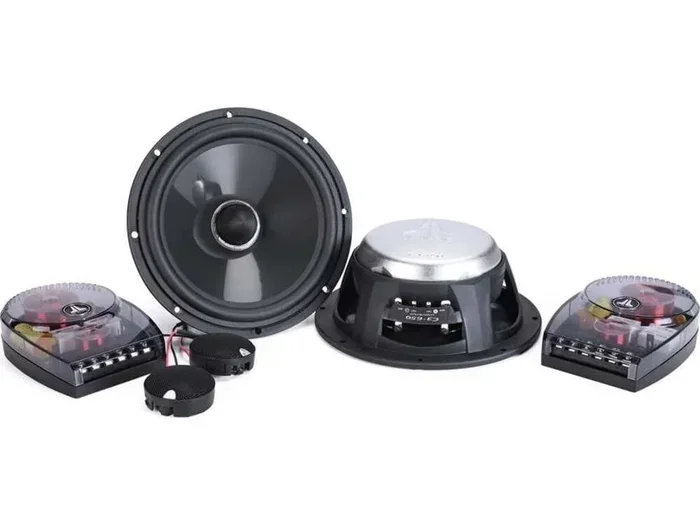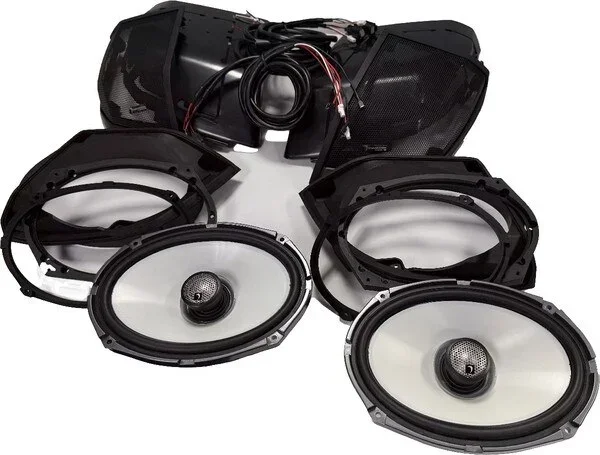
6 X 9 Inch Car Speakers
Looking to upgrade your ride’s audio? 6 x 9 inch car speakers deliver big sound in a compact size, perfect for most factory doors and rear decks. We break down fit, performance, and budgeting so you can choose the right pair without the guesswork.
Key Takeaways
- Size matters, but not everything: 6 x 9 inch speakers fit many factory locations while offering a larger cone for deeper bass.
- Power rating is key: Match RMS wattage to your amp for clean, distortion‑free volume.
- Material makes a difference: Look for polypropylene cones and rubber surrounds for durability.
- Installation is DIY‑friendly: Most models include mounting brackets and wiring kits.
- Sound tuning: Use crossovers and proper wiring (series vs. parallel) to get the best tonal balance.
- Budget options exist: You can find quality 6 x 9 speakers under $100 that still outperform stock units.
- Future‑proofing: Pair your speakers with a capable amp – see our recommended car amp for 6 speakers guide.
📑 Table of Contents
- Introduction: Why 6 x 9 Inch Car Speakers Are a Popular Choice
- 1. Understanding the Basics of 6 x 9 Inch Speakers
- 2. Choosing the Right 6 x 9 Inch Speakers for Your Car
- 3. Installing 6 x 9 Inch Car Speakers – A Step‑by‑Step Guide
- 4. Getting the Best Sound Out of Your 6 x 9 Inch Speakers
- 5. Frequently Asked Questions About 6 x 9 Inch Car Speakers
- Conclusion: Make the Most of Your 6 x 9 Inch Car Speakers
Introduction: Why 6 x 9 Inch Car Speakers Are a Popular Choice
If you’ve ever sat in a car and felt the music was “just okay,” you know the difference a good speaker can make. The 6 x 9 inch format has become a favorite among car‑audio enthusiasts because it balances size, power handling, and bass response. Unlike the smaller 5 inch or 6 inch units, a 9‑inch cone can move more air, giving you richer low‑end without needing a massive subwoofer.
But size alone isn’t the whole story. Modern 6 x 9 speakers come with advanced materials, tweeters, and built‑in crossovers that let them compete with larger setups. In this guide we’ll walk you through everything you need to know – from how to pick the right pair, to installing them yourself, and getting the most out of your new sound system.
1. Understanding the Basics of 6 x 9 Inch Speakers
1.1. What the Numbers Mean
“6 x 9” refers to the speaker’s mounting dimensions: 6 inches deep and 9 inches wide. The actual cone (the part that moves air) is usually slightly smaller, around 8.5 inches, to fit within the frame.

Visual guide about 6 X 9 Inch Car Speakers
Image source: mir-s3-cdn-cf.behance.net
1.2. Key Specifications to Watch
- Power handling (RMS): The continuous power a speaker can handle without distortion. Look for 30‑80 W RMS for most daily drivers.
- Sensitivity (dB): How loud the speaker gets per watt of power. Higher sensitivity (90 dB + ) means you need less amp power.
- Impedance: Usually 4 Ω or 2 Ω. Lower impedance draws more current, so match it with an amp that can handle the load.
- Frequency response: Indicates the range of tones the speaker can reproduce. A good 6 x 9 will cover roughly 45 Hz‑22 kHz.
1.3. Materials that Matter
Most quality 6 x 9 speakers use a polypropylene or woven‑fiber cone, which resists moisture and deformation. The surround – the flexible edge that lets the cone move – is often rubber or foam; rubber surrounds are more durable for high‑power use.
2. Choosing the Right 6 x 9 Inch Speakers for Your Car
2.1. Matching Your Vehicle’s Mounting Location
Before you buy, measure the depth of your door or rear deck. Many factory doors have a depth of 6‑7 inches, leaving just enough room for a thin‑profile 6 x 9. If you have a deeper cavity, you can opt for a speaker with a larger magnet assembly for more power.

Visual guide about 6 X 9 Inch Car Speakers
Image source: anibase.net
2.2. Budget vs. Premium Options
Budget models (under $80) often use basic cones and steel tweeters. Premium brands (e.g., JL Audio, Alpine) include silk or woven‑fiber tweeters, separate crossovers, and higher sensitivity. A solid mid‑range choice is the 6 By 9 Car Speakers review on our site, which balances price and performance.
2.3. Power Compatibility
If you already have an amp, check its RMS output per channel. Aim for a speaker RMS rating that’s within 10‑20 W of the amp’s RMS. This ensures clean sound and protects both components.
3. Installing 6 x 9 Inch Car Speakers – A Step‑by‑Step Guide
3.1. Tools You’ll Need
- Screwdriver set (Phillips & flathead)
- Wire stripper/crimper
- Panel removal tool (optional but helpful)
- Speaker mounting brackets (often included)
- Electrical tape
3.2. Removing the Old Speakers
1. Disconnect the battery to avoid any short circuits.
2. Use the panel tool to pry off the door panel gently.
3. Unscrew the factory speaker and disconnect the wiring harness.
3.3. Wiring Basics – Series vs. Parallel
Most 6 x 9 speakers are 4 Ω. If you wire two speakers in series, the total impedance becomes 8 Ω; in parallel, it drops to 2 Ω. Your amp must support the resulting load. For detailed wiring diagrams, see our how to wire speakers to amp guide.
3.4. Mounting the New Speakers
Place the speaker into the opening, align the mounting holes, and secure with the supplied screws. Make sure the speaker’s face is flush with the door surface to avoid rattles.
3.5. Connecting the Wires
Connect the positive (+) terminal on the speaker to the positive wire from the amp, and the negative (–) to the ground. Use crimp connectors for a solid bond and wrap with electrical tape.
3.6. Testing and Tuning
Reconnect the battery, turn on the head unit, and play a familiar track. Adjust the amp’s gain so the speakers are loud but not clipping. If you hear distortion, lower the gain or check wiring for loose connections.
4. Getting the Best Sound Out of Your 6 x 9 Inch Speakers
4.1. Use a Proper Crossover
Many 6 x 9 units come with a built‑in high‑pass crossover for the tweeter. If your amp doesn’t have a built‑in crossover, add a separate passive crossover to keep low frequencies from reaching the tweeter.
4.2. Equalization Tips
Start with a flat EQ, then boost the mids (2‑4 kHz) for vocal clarity and cut a little around 100‑200 Hz if the bass feels boomy. Small adjustments can make a huge difference.
4.3. Pairing with a Subwoofer
If you want deeper bass, a compact 8‑inch sub can complement the 6 x 9. Set the sub’s low‑pass filter around 80 Hz and let the 6 x 9 handle everything above.
4.4. Maintaining Peak Performance
- Clean the speaker cones with a dry microfiber cloth.
- Check mounting bolts monthly to prevent vibration loosening.
- Avoid playing music at maximum volume for extended periods – it shortens the lifespan.
5. Frequently Asked Questions About 6 x 9 Inch Car Speakers
Can I install 6 x 9 speakers in a 5 inch factory opening?
Yes, but you’ll need an adapter plate or a custom mounting bracket. Keep the depth in mind – a thin‑profile 6 x 9 will fit better.
Do I need an amp for 6 x 9 speakers?
While they will work with a factory head unit, an aftermarket amp unlocks their full potential, especially for higher RMS speakers.
What’s the difference between RMS and peak wattage?
RMS is the continuous power a speaker can handle; peak is the short‑term maximum. Always match RMS ratings when pairing with an amp.
Are 6 x 9 speakers good for bass?
They provide more bass than 5‑inch speakers due to the larger cone, but they’re not a substitute for a dedicated subwoofer if you want deep, thumping bass.
How do I know if my car’s electrical system can support a new amp?
Check the alternator’s amperage rating. Most modern cars can handle a 200‑watt amp without upgrades, but high‑power systems may need a capacitor or upgraded battery.
Can I use 6 x 9 speakers in a marine environment?
Only if they are specifically rated for marine use. Regular indoor speakers will corrode quickly in salty water.
Conclusion: Make the Most of Your 6 x 9 Inch Car Speakers
Upgrading to 6 x 9 inch car speakers is a smart move for anyone who wants richer sound without a massive overhaul. By understanding the specs, choosing the right pair for your budget, and installing them correctly, you’ll enjoy clearer mids, tighter bass, and a more immersive driving soundtrack. Remember to pair them with a compatible amp, use proper crossovers, and keep the wiring tidy. With a little care, those speakers will keep delivering concert‑hall quality music for years to come.
Frequently Asked Questions
What size speaker will fit most factory doors?
Most factory doors can accommodate a 6 x 9 speaker, especially thin‑profile models that stay within a 6‑inch depth.
Is a higher sensitivity rating always better?
A higher sensitivity means the speaker produces more volume per watt, which is great if you have a modest amp. However, it’s just one factor; power handling and sound quality also matter.
Can I run 6 x 9 speakers on a 2‑ohm amp?
Yes, if the speakers are rated 2 Ω. Make sure the amp is stable at 2 Ω and that your vehicle’s wiring can handle the increased current.
Do I need a separate crossover for the tweeter?
If the speaker includes a built‑in crossover, you’re set. Otherwise, add a passive crossover to protect the tweeter from low‑frequency damage.
How often should I check the speaker mounting bolts?
Check them every 3‑4 months, especially after the first few weeks of use, to prevent rattles caused by vibration.
Will 6 x 9 speakers improve my car’s resale value?
Quality audio upgrades can add appeal, but they should be professionally installed and documented to positively affect resale value.