What Is a Laptop Used For

A laptop is a portable computer used for work, study, entertainment, and creative projects. People rely on laptops for everything from writing emails and browsing the web to editing videos and playing games. Understanding what a laptop is used for helps you choose the right model for your needs. This guide covers the most common uses and tips for getting the most out of your device.
A laptop is one of the most versatile tools people use every day. Whether you are a student, a professional, or just someone who enjoys browsing the web, a laptop fits right into your life. But what exactly is a laptop used for? The answer is broader than you might think.
From simple tasks like checking email to complex work like video editing, laptops do it all. In this guide, we will explore the many ways people use their laptops. You will learn about the different use cases, what to look for in a laptop, and how to get the best experience. Let us dive in.
Key Takeaways
- Work and Productivity: Laptops handle documents, spreadsheets, and video calls with ease.
- Study and Education: Students use laptops for research, online classes, and writing papers.
- Entertainment: Streaming movies, gaming, and social media are top laptop activities.
- Creative Projects: Photo editing, video production, and graphic design thrive on laptops.
- Portability Matters: The ability to work anywhere is the biggest advantage of a laptop.
- Match Your Needs: Choosing the right laptop depends on what you plan to use it for most.
📑 Table of Contents
Everyday Uses for a Laptop
Most people use their laptops for everyday tasks that keep life running smoothly. These tasks are simple but essential. A portable computer makes them easy to handle from anywhere in your home.
Here are the most common everyday uses:
- Web browsing: Checking news, shopping online, and reading articles.
- Email and messaging: Staying connected with friends, family, and coworkers.
- Online banking: Managing finances and paying bills safely.
- Social media: Posting updates, watching videos, and chatting with friends.
- Document writing: Creating letters, resumes, and simple reports.
These tasks may sound basic, but they form the backbone of daily digital life. A good laptop handles all of them without breaking a sweat. If you want to know what is a good amount of RAM for a laptop to handle these tasks, 8 GB is usually enough for most users.
Many people also use their laptops for video calls. Apps like Zoom and Skype have become part of daily routines. A laptop with a decent camera and microphone makes these calls clear and smooth.
Work and Productivity
For millions of workers, a laptop is the main tool for getting the job done. Remote work has made laptops even more important. People now work from home, coffee shops, and even beaches.
Common Work Tasks
Work laptops are used for a wide range of tasks. Here is what most professionals do on their laptops:
- Creating and editing documents in Word or Google Docs.
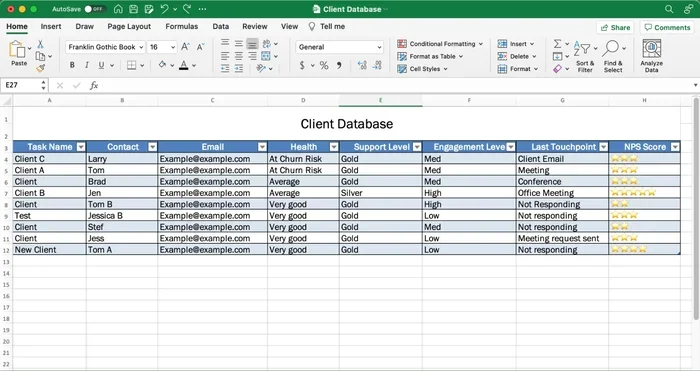
- Managing spreadsheets and data in Excel.
- Making presentations in PowerPoint or Canva.
- Joining virtual meetings and webinars.
- Collaborating with team members through cloud tools.
Business professionals need a reliable machine. Laptop performance matters a lot when you are juggling multiple apps at once. A laptop with a strong processor and enough memory keeps things running fast.
If you are wondering what is RAM good for in a laptop, think of it as short-term memory. RAM helps your laptop switch between tasks quickly. More RAM means smoother multitasking, which is key for work.
Freelancers and entrepreneurs also rely heavily on laptops. They manage client emails, create content, and handle billing all from one device. The flexibility of a laptop makes it the perfect productivity tool for modern workers.
Education and Study
Students at every level use laptops for learning. From elementary school to graduate programs, these devices have become essential. A laptop opens up a world of educational resources right at your fingertips.
How Students Use Laptops
Here is how a laptop supports student life:
- Research: Searching the web for information and academic papers.
- Online classes: Attending lectures and submitting assignments digitally.
- Writing essays: Using word processors to draft and edit papers.
- Note-taking: Typing notes during lectures or reading digital textbooks.
- Group projects: Collaborating with classmates through shared documents.
Students often need a balance of affordability and performance. You do not always need the most expensive model. But you do need enough power to run educational software and browse the web smoothly.
If you are a student, check out our guide on reasons why you need a laptop for study to understand the full value of this tool. Many students also benefit from knowing what is a good RAM size for a laptop for their specific needs. For most students, 8 GB of RAM strikes the right balance between cost and performance.
Entertainment and Media
Laptops are fantastic entertainment machines. They turn any room into a personal theater or gaming setup. People use laptops to relax and have fun after a long day.
Streaming and Media
Streaming services like Netflix, Hulu, and YouTube are huge reasons people own laptops. A laptop with a good screen and speakers makes watching shows and movies a pleasure. You can stream in high definition right from your couch.
Gaming on a Laptop
Gaming is one of the most popular uses for laptops today. A gaming laptop with a powerful graphics card and fast processor delivers smooth gameplay. Popular games like Fortnite, Minecraft, and Valorant run well on modern laptops.
Here is what matters most for a gaming laptop:
- A dedicated graphics card for smooth visuals.
- At least 8 GB of RAM for fast performance.
- A high refresh rate display for responsive gameplay.
- Good cooling to prevent overheating during long sessions.
Even if you are not a hard-core gamer, a laptop can handle casual games, puzzle apps, and mobile-style titles with ease. The computing power of modern laptops makes entertainment more immersive than ever.
Creative Work and Design
Creatives love laptops because they offer power and portability in one package. Artists, designers, and content creators use laptops to bring their ideas to life.
Types of Creative Work
Here are common creative tasks done on laptops:
- Photo editing: Using Photoshop or Lightroom to retouch and enhance images.
- Video editing: Cutting and polishing videos in software like Premiere Pro or DaVinci Resolve.
- Graphic design: Creating logos, banners, and social media graphics.
- Music production: Composing and mixing tracks in digital audio workstations.
- Writing and publishing: Drafting books, blogs, and articles.
Creative work demands strong laptop performance. A machine with a fast processor, plenty of RAM, and a color-accurate screen makes a big difference. If you are into creative projects, you want a laptop that keeps up with your vision.
For those who edit video or work with large files, laptop storage is critical. Solid-state drives (SSDs) offer fast read and write speeds. They help you open large files and export projects without long waits.
How to Choose the Right Laptop for Your Needs
Choosing a laptop starts with understanding what you will use it for. Different tasks need different features. Here is a simple guide to help you decide.
Match the Laptop to the Task
Think about your main use case. Are you browsing the web and writing emails? Or are you editing 4K videos? Your answer shapes the kind of laptop you need.
| Use Case | Recommended RAM | Processor | Screen Size |
|---|---|---|---|
| Basic browsing and email | 4-8 GB | Entry-level | 13-14 inches |
| Work and productivity | 8-16 GB | Mid-range | 14-15 inches |
| Student use | 8 GB | Mid-range | 13-15 inches |
| Gaming | 16 GB+ | High-end | 15-17 inches |
| Creative work | 16 GB+ | High-end | 15-16 inches |
Use this table as a starting point. You can always adjust based on your budget and preferences. If you are still unsure, reading about how much RAM do you need for a laptop can help clarify things.
Quick Tips for Buying
- Set a budget before you start shopping.
- Prioritize the features that matter most to you.
- Read reviews from trusted sources.
- Consider battery life if you travel often.
- Check the return policy in case the laptop does not meet your needs.
Remember, the best laptop is the one that fits your lifestyle. A powerful machine is useless if it is too heavy to carry around. Balance performance with portability for the best experience.
Common Mistakes People Make with Laptops
Even experienced users make mistakes that hurt their laptop experience. Here are a few to avoid.
- Ignoring battery health: Letting your battery drain completely every time shortens its lifespan.
- Overloading storage: Filling your drive to capacity slows down your laptop.
- Skipping updates: Software updates fix bugs and improve security.
- Using cheap accessories: Poor chargers and cables can damage your laptop.
- Not backing up data: A single drop or crash can erase everything.
Avoiding these simple mistakes keeps your laptop running smoothly for years. A little care goes a long way.
Conclusion
A laptop is used for so much more than most people realize. It is a work tool, a study companion, an entertainment center, and a creative studio all in one. The versatility of a laptop makes it one of the most valuable devices you can own.
Whether you are answering emails, streaming your favorite show, or editing a video, your laptop has you covered. The key is choosing the right model for your needs and taking good care of it. Now that you know what a laptop is used for, you can make smarter choices about your next device.
Think about your daily routine. Where does a laptop fit in? Chances are, it plays a bigger role than you realized. Embrace the power of portable computing and make the most of every day.
Frequently Asked Questions
What is the main purpose of a laptop?
A laptop serves as a portable computer for work, study, entertainment, and creative projects. Its main purpose is to give you computing power on the go. People use laptops for everything from writing emails to editing videos.
Can a laptop be used for gaming?
Yes, many laptops are designed specifically for gaming. A gaming laptop has a powerful processor and dedicated graphics card. Even regular laptops can handle casual games and lighter titles with ease.
How much RAM do I need in my laptop?
For basic tasks, 8 GB of RAM is usually enough. For gaming or creative work, 16 GB or more is better. You can learn more about what is a good amount of RAM for a laptop in our detailed guide. Matching RAM to your tasks ensures smooth performance.
Is a laptop good for students?
Absolutely. Laptops help students research, write papers, attend online classes, and collaborate with classmates. A student-friendly laptop balances affordability with enough power for daily school tasks.
What should I look for when buying a laptop?
Focus on your main use case, budget, processor speed, RAM, and battery life. A good laptop matches your needs without overspending. Reading reviews and comparing models helps you make a confident choice.
How long should a laptop last?
With proper care, a laptop can last 5 to 8 years or more. Keeping your software updated and managing storage helps extend its life. Avoiding physical damage and using quality accessories also makes a big difference.