How Do Pro Gamers Train
Pro gamers train for hours every day using structured practice routines, mental conditioning, and specialized drills to sharpen their reflexes and decision-making. They focus on improving mechanics, game sense, teamwork, and strategy through consistent review sessions, VOD analysis, and competitive scrimmages. Beyond raw skill, elite players prioritize physical fitness, sleep, and nutrition to maintain peak performance during intense tournaments and long practice sessions.
How Do Pro Gamers Train
Ever wonder what separates pro gamers from the rest of us? It’s not just raw talent or a lucky streak. These elite players put in serious hours every single day to sharpen their skills. The truth is, how do pro gamers train is a well-guarded secret that involves much more than simply playing games for fun. They follow strict routines, drill specific skills, and constantly push their limits.
Pro gamer training covers a wide range of activities. From aim training and game sense development to mental conditioning and team strategy sessions, the approach is holistic. Whether you’re a casual player dreaming of going competitive or someone who wants to climb the ranks, understanding their methods can completely change your path forward.
In this article, we’ll break down everything you need to know. You’ll discover daily schedules, proven drills, mental preparation techniques, and the gear that supports elite-level esports training. Let’s dive in and show you what it really takes to train like a professional.
Key Takeaways
- Consistency beats intensity: Daily structured practice outperforms marathon training sessions.
- Physical fitness matters: Exercise improves reaction time and match endurance.
- Train your mind: Visualization and mindfulness sharpen focus and decisions.
- Review your gameplay: Watching footage reveals mistakes and strategy gaps.
- Sleep is non-negotiable: Rest fuels the cognitive performance pros rely on.
- Fuel your body right: Proper nutrition sustains concentration during long sessions.
- Set specific goals: Measurable targets keep every training session productive.
📑 Table of Contents
What Does It Mean to Train Like a Pro Gamer?
When someone asks how do pro gamers train, the first thing to understand is that it’s not a casual hobby anymore. Professional gaming is a career. These players treat their craft the same way athletes treat traditional sports. They have coaches, practice schedules, and performance metrics to track progress.
The concept of gaming practice routine might sound foreign to beginners. But for esports athletes, it’s as normal as a football team running drills before a match. Every session has a purpose. Every hour counts. There’s no mindless grinding here — it’s all about deliberate improvement.
The Difference Between Playing and Training
Here’s something most people miss. There’s a huge gap between playing games for fun and actually training to get better. Casual players often jump into matches, play a few rounds, and call it a day. Pro gamers do something very different. They isolate specific skills, repeat them hundreds of times, and analyze their mistakes.
- Playing is about enjoyment and entertainment.
- Training is about growth, consistency, and measurable progress.
Think of it this way. A guitarist doesn’t just strum songs all day. They practice scales, work on finger placement, and run through exercises. Competitive gaming works the same way. The best players know that skill development requires focused effort, not just hours logged.
Daily Routines and Schedules of Pro Gamers
One of the most interesting aspects of pro gamer training is how structured their days are. You won’t find many of them sleeping in and randomly playing games. Elite esports players follow tight schedules that balance practice, rest, and physical health.
A Typical Day in the Life
While every player’s routine differs, most professional gaming schedules follow a similar pattern. Here’s a general breakdown of what a typical day looks like for a pro gamer:p>
- Morning: Physical exercise, stretching, and a healthy breakfast. Keeping the body in shape is critical for long sessions.
- Late Morning: Individual skill practice. This includes aim training, mechanical skills drills, and replay review.
- Afternoon: Team practice matches, scrimmages, and strategy discussions.
- Evening: VOD review, analysis of past matches, and light warm-up before bed.
Most pro gamers train for six to ten hours a day. But here’s the key — they don’t just grind nonstop. Quality always beats quantity. Short, focused sessions with clear goals produce far better results than marathon play without direction.
Why Consistency Matters More Than Intensity
A common mistake new players make is training hard for two days and then disappearing for a week. Pro gamers know that consistent practice is what builds lasting improvement. Even on rest days, many players do light warm-ups or watch educational content to stay sharp.
The best esports training programs emphasize daily repetition. Your brain forms stronger neural pathways when you practice the same skills regularly. It’s like learning a musical instrument. You don’t get better by practicing once a month for twelve hours. You improve by playing every day for one hour.
Aim Training and Mechanical Skills
If you’ve ever wondered about the how do pro gamers train question, aim training is probably the biggest part of the answer. Mechanical skills are the foundation of competitive play. Whether you’re playing a shooter, a MOBA, or a fighting game, your hands need to move fast and accurately.
What Is Aim Training?
Aim training refers to specific exercises designed to improve your reaction time, tracking, flicking, and overall mouse control. Pro gamers spend a significant portion of their practice time on these drills. They don’t just jump into competitive matches hoping their aim improves on its own. They actively work on it with purpose.
Many players use dedicated aim training software to build these skills. Some also focus on setting up the perfect gaming setup, including choosing the right peripherals. For those using wireless gear, knowing how do you connect a bluetooth mouse to a laptop properly ensures there are zero delays or connection issues during intense sessions.
Popular Aim Training Drills
Here are some of the most common gaming drills that pro gamers use to sharpen their mechanical skills:
- Flick shots: Practice snapping your crosshair onto targets as fast as possible.
- Tracking: Follow a moving target smoothly without losing accuracy.
- Switching: Alternate quickly between multiple targets to build flexibility.
- Recoil control: Learn to manage weapon kick during sustained fire.
These drills might seem simple, but they build the muscle memory that separates amateurs from professionals. Pro gamers often dedicate at least thirty minutes to an hour of pure aim work before every practice session.
Building Game Sense Beyond Aim
But mechanical skills aren’t everything. Game sense is another crucial element. This refers to your awareness of the game environment, your ability to predict enemy movements, and your decision-making under pressure. Pro gamers develop this through thousands of hours of intentional play and careful study of game mechanics.
Mental Game and Strategy Development
Here’s something that surprises many people. When learning how do pro gamers train, the mental side often gets overlooked. But top-tier competitive gaming demands a strong mind. Players face intense pressure, long sessions, and the need to stay focused under challenging conditions.
How Pro Gamers Strengthen Their Mindset
Pro gamers approach their mental training seriously. They use techniques borrowed from traditional sports psychology. Here are some methods they commonly rely on:
- Visualization: Mentally rehearsing plays and scenarios before they happen in-game.
- Breathing exercises: Staying calm during high-pressure moments through controlled breathing.
- Positive self-talk: Replacing negative thoughts with constructive encouragement.
- Goal setting: Breaking long-term goals into small, achievable daily targets.
The esports mindset is all about resilience. You will lose. You will make mistakes. What separates pro gamers from casual players is their ability to bounce back. They don’t tilt. They don’t rage. They analyze what went wrong and adjust their approach.
Strategy Development and Game Knowledge
Strategy practice is another huge pillar of pro gamer training. Knowing the game inside and out gives players a massive advantage. They study patch notes, learn every map, understand character matchups, and anticipate meta shifts.
Many esports teams employ dedicated analysts who break down gameplay footage. These analysts identify patterns, spot weaknesses, and develop counter-strategies. Individual pro gamers also do this on their own. They watch replays, search for mistakes, and come up with better approaches for next time.
One important aspect of maintaining a sharp mind is ensuring your equipment supports your needs. Performance lags or system slowdowns can break your focus. Making sure your system is optimized — like knowing how much RAM do I need on my laptop — helps eliminate technical distractions during training sessions.
Team Communication and Coordination
Most pro gamers don’t compete alone. They’re part of teams. And team coordination can make or break a match. How do pro gamers train together? Through structured team practices, clear communication systems, and plenty of scrimmages against other teams.
The Role of Team Practice
Team-based esports like Valorant, League of Legends, CS2, and Overwatch require players to function as a single unit. Pro teams schedule dedicated sessions where they:
- Run custom scrimmages against other teams.
- Practice specific rounds and situations repeatedly.
- Develop and refine team strategies and callouts.
- Work on rotations, timing, and synchronized plays.
Team coordination doesn’t happen by accident. It takes deliberate effort and constant communication. Pro players learn to share information quickly and clearly. They avoid unnecessary chatter and focus on delivering useful callouts during matches.
Building Trust and Chemistry
Another underrated aspect of pro gamer training is team bonding. Players who trust each other perform better under pressure. Many esports teams spend time together outside of practice. They share meals, watch films, or simply hang out. This builds the kind of chemistry that translates directly into better in-game performance.
Strong team communication also involves constructive feedback. Pro gamers learn to give honest critiques without being toxic. They focus on the play, not the person. This healthy dynamic keeps teams together and performing at their peak.
Tools, Gear, and Setup Pro Gamers Use
Your training is only as good as your setup. Pro gamers invest heavily in equipment that supports their competitive gaming needs. While they don’t need the most expensive gear on the market, they do need reliable, high-performance tools.
Essential Training Tools
Here are some of the key tools and gear that pro gamers rely on for effective training:
- High-refresh-rate monitors: Smooth visuals help with tracking and reaction-based gameplay.
- Low-latency mice: Precise input is critical for aim training and competitive play.
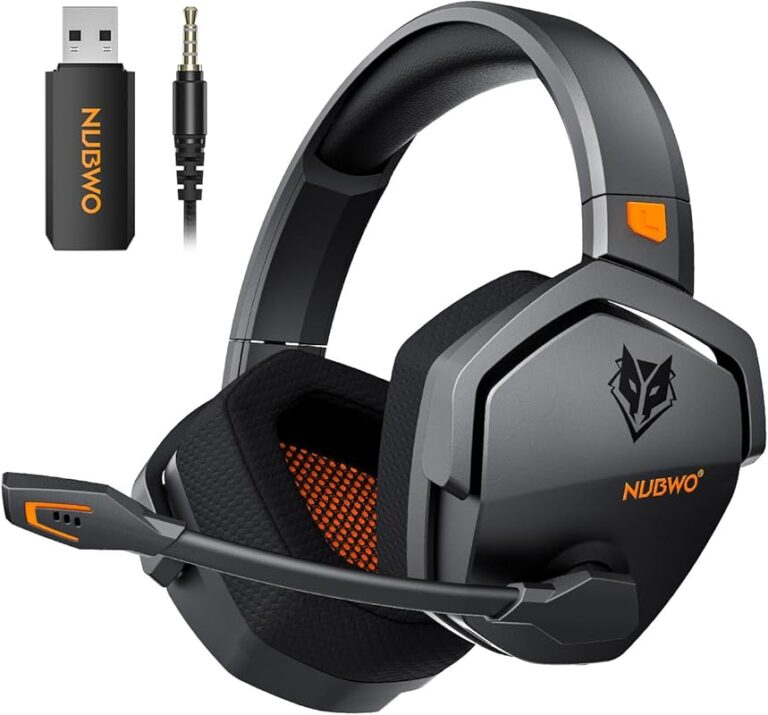
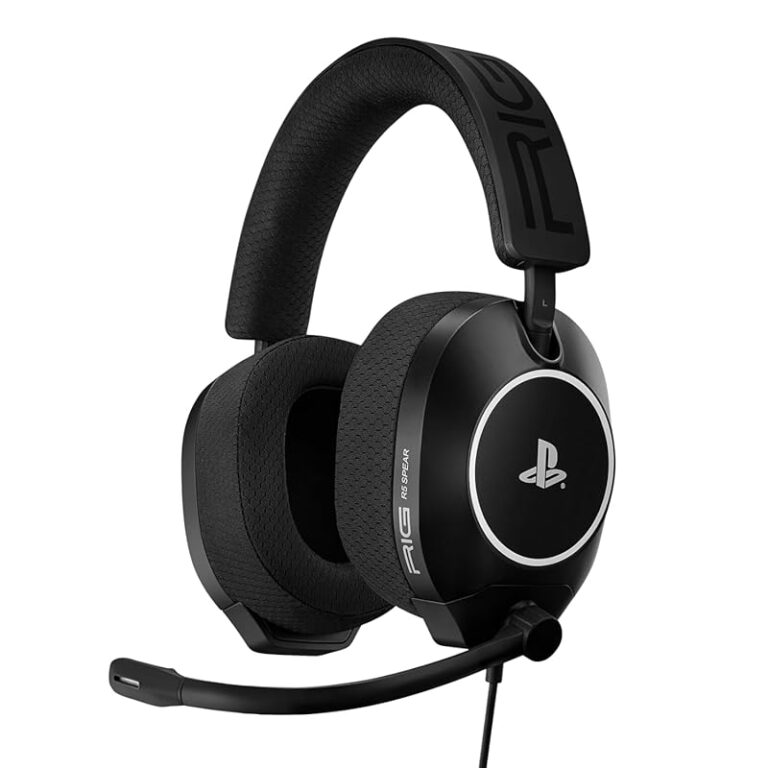
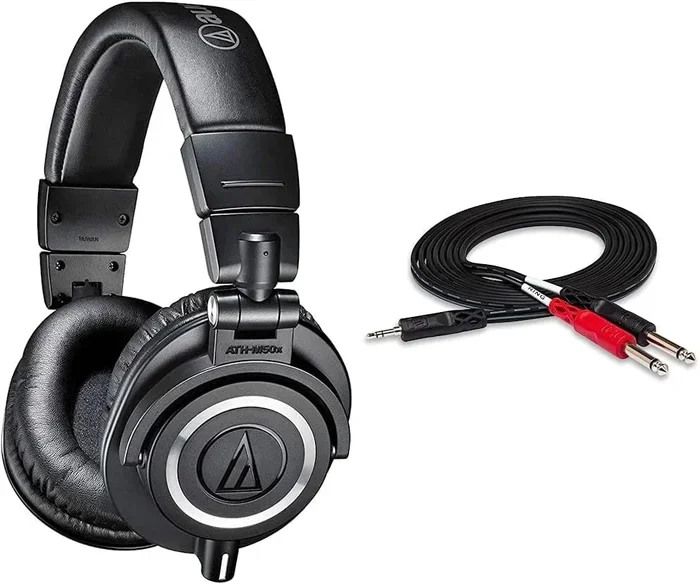
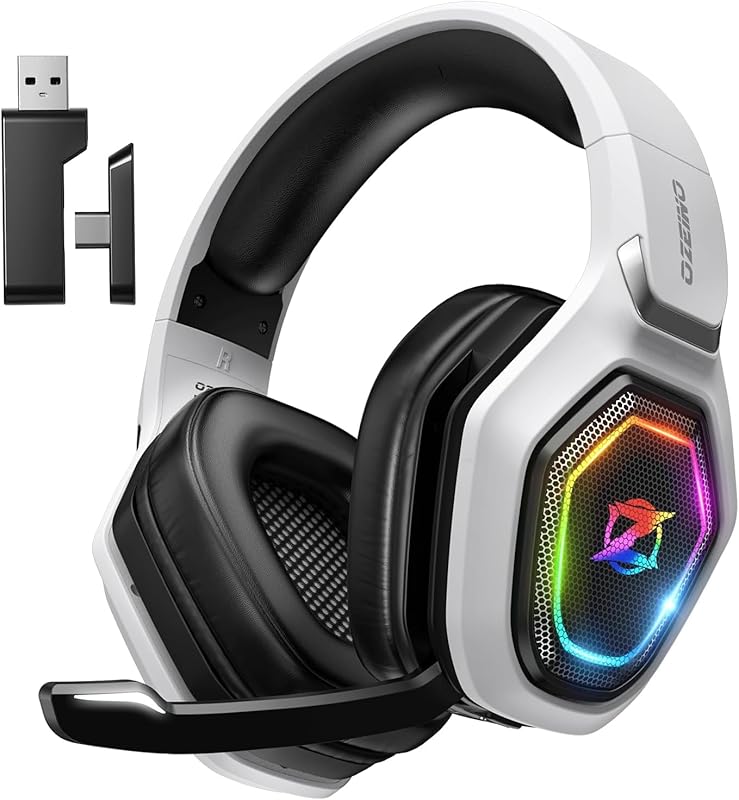
- Quality headsets: Clear audio helps players detect footsteps, abilities, and other in-game cues.
- Aim trainers and software: Dedicated tools for building mechanical skills.
- Replay and analysis software: For reviewing matches and identifying areas for improvement.
Setting up your gear properly matters too. For example, if you use a wireless mouse, you need a stable connection. Understanding how do I connect a wireless mouse to my laptop correctly ensures zero input lag during crucial training moments. Small details like this can give you an edge over opponents.
Comparing Gaming Setups: Casual vs. Pro
Not sure where to start? Here’s a quick comparison table showing how a casual setup differs from a pro-level training setup:
| Aspect | Casual Setup | Pro Training Setup |
|---|---|---|
| Monitor | 60Hz standard display | 144Hz-360Hz gaming monitor |
| Mouse | Basic wired mouse | Low-latency gaming mouse |
| Keyboard | Membrane keyboard | Mechanical keyboard with custom switches |
| Headset | Basic audio headphones | Studio-grade gaming headset |
| Internet | Standard broadband | Fiber connection with low ping |
| Training Software | None or minimal | Dedicated aim trainer and analysis tools |
As you can see, the differences are significant. But you don’t need to buy everything at once. Start with the essentials and upgrade as you progress. The important thing is to focus on skill development first and gear second.
Quick Tips for Setting Up Your Training Space
- Keep your desk clean and organized to minimize distractions.
- Make sure your chair supports good posture for long sessions.
- Use proper lighting to reduce eye strain.
- Place your monitor at eye level to maintain comfortable viewing.
- Invest in a quality internet connection for smooth online practice.
Key Takeaways from How Pro Gamers Train
So what have we learned about how do pro gamers train? Let’s wrap it all up with clear takeaways you can start applying today.
Pro gamer training is a complete system. It’s not just about playing more games. It involves structured daily routines, deliberate aim training, mental conditioning, team coordination, and the right gear. Every element supports the others to create a well-rounded esports athlete.
The most important lesson is this: consistency beats intensity. You don’t need to train ten hours a day to see improvement. You need to train with purpose every single day. Set clear goals, focus on your weak spots, and track your progress over time.
Competitive gaming is a journey. The players at the top didn’t get there overnight. They built their game sense, mechanical skills, and esports mindset through months and years of dedicated effort. By applying even a fraction of what pro gamers do, you can dramatically accelerate your own growth.
Now it’s your turn. Create a training plan, stick to it, and watch your gameplay transform. The only question left is — how soon will you start training like a pro?
Frequently Asked Questions
How Do Pro Gamers Train Each Day?
Pro gamers train for 8 to 12 hours a day, split between practice matches, solo queue, and targeted skill drills. Their sessions focus on improving mechanics, game sense, and teamwork through structured routines. Most teams also include review sessions where players analyze their own gameplay footage.
How Many Hours a Day Do Pro Gamers Train?
On average, professional gamers train between 8 and 14 hours daily, depending on their tournament schedule. They balance solo practice with team scrims and strategy meetings. Rest and recovery are also built into their routine to avoid burnout and maintain peak performance.
What Does a Typical Pro Gamers Training Routine Look Like?
A typical routine starts with warm-up drills, followed by team practice matches and strategy discussions. Players then review their past games to identify mistakes and areas for improvement. The day often ends with individual practice focused on specific skills like aim, positioning, or map awareness.
How Do Pro Gamers Train Their Reflexes and Aim?
Pro gamers use aim trainers like Aim Lab and Kovaak’s to sharpen their reaction time and precision. They also play custom aim maps and deathmatch modes to keep their reflexes sharp. Consistent daily practice helps them maintain the fast response times needed in competitive matches.
How Do Pro Gamers Train Mentally for Tournaments?
Many pro gamers work with sports psychologists to build mental resilience and focus under pressure. They practice mindfulness, visualization, and breathing techniques to stay calm during intense matches. Mental training helps them recover quickly from losses and maintain a winning mindset throughout tournaments.
Do Pro Gamers Follow a Specific Diet and Sleep Schedule?
Yes, pro gamers often follow strict sleep schedules, aiming for 7 to 9 hours of quality rest each night. They eat balanced meals rich in protein, healthy fats, and complex carbs to sustain energy during long training sessions. Staying hydrated and avoiding excessive sugar helps them stay sharp and focused throughout the day.