What Is a Laser Printer Used For
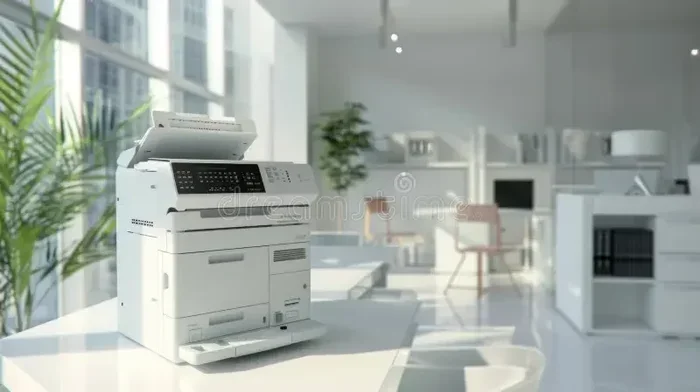
A laser printer uses light and toner to produce fast, sharp prints on paper. It is widely used in offices, homes, and businesses for documents, marketing materials, and bulk printing. Laser printers offer speed, low cost per page, and excellent print quality compared to inkjet alternatives.
A laser printer is one of the most popular printing devices in both homes and offices today. If you have ever wondered what a laser printer is actually used for, you are in the right place. This guide covers everything you need to know about the uses, benefits, and types of laser printers available.
Unlike inkjet printers that spray liquid ink onto paper, a laser printer uses a laser beam and powdered toner to create sharp, professional-quality prints. The process is fast, clean, and built for handling large print volumes. Whether you are printing a few pages at home or thousands of pages in a corporate office, a laser printer gets the job done efficiently.
In this article, we will break down the most common uses for a laser printer. We will also compare it to other printer types, explain how it works, and help you decide if a laser printer is the right choice for your needs. Let us dive in.
Key Takeaways
- Fast and Efficient: Laser printers produce pages quickly, making them ideal for high-volume printing tasks.
- Cost-Effective Over Time: Toner cartridges last longer than ink, reducing the cost per page significantly.
- Sharp Text Quality: Laser technology delivers crisp, professional text that inkjet printers often struggle to match.
- Versatile Use Cases: From home offices to large enterprises, laser printers serve a wide range of printing needs.
- Low Maintenance: Fewer moving parts mean less upkeep and longer device lifespan.
- Cloud and Wireless Options: Modern laser printers support wireless printing and cloud integration for easy access.
📑 Table of Contents
What Does a Laser Printer Do?
At its core, a laser printer creates printed text and images on paper using electrostatic charge and toner powder. The laser beam draws the content onto a rotating drum, which then transfers the toner onto the paper. Heat fuses the toner permanently, resulting in a crisp and smudge-free print.
The primary function of a laser printer is document printing. This includes text-heavy pages like reports, contracts, invoices, and resumes. The technology excels at producing sharp, clean text that is easy to read. Graphics and simple images also print well, though highly detailed photo printing is better suited for inkjet devices.
Most modern laser printers come with extra features. Many support wireless printing, scanning, copying, and faxing. Some models even handle large paper sizes like A3 or legal-size paper. These added features make a laser printer a versatile tool for any workspace.
Print Speed and Volume
One of the biggest advantages of a laser printer is speed. A typical office laser printer can produce 20 to 50 pages per minute. High-end models go even faster, handling 60 or more pages per minute. This makes them perfect for environments where printing speed matters.
For businesses that print large volumes daily, a laser printer saves valuable time. Home users also benefit from the speed, especially when printing multiple pages for school or personal projects. The high-capacity paper trays on many models mean less frequent refilling.
Common Uses for a Laser Printer
Laser printers serve a wide variety of purposes across different settings. Here are the most common ways people use them every day.
Office Document Printing
The most common use for a laser printer is printing office documents. Think about reports, memos, letters, and presentations. A laser printer handles all of these with ease. The text comes out sharp and professional, which matters when you are sharing documents with clients or colleagues.
Offices also rely on laser printers for printing envelopes, labels, and templates. Many businesses use a laser printer to produce branded materials like letterheads and invoices. The consistent quality and fast output make it the go-to choice for busy office environments.
Home Use and Personal Printing
Not all laser printers are for offices. Many people use them at home for printing homework, recipes, resumes, and personal documents. A home laser printer is a smart investment if you print regularly. The low cost per page means you save money over time compared to inkjet printers.
Home users also appreciate the quiet operation and compact design of modern laser printers. Some models are small enough to fit on a desk without taking up too much space. If you want a reliable printer for everyday home tasks, a laser printer is a solid choice.
Marketing and Design Materials
Businesses often use laser printers to create marketing materials. Flyers, brochures, posters, and business cards all benefit from the sharp text and vibrant colors that color laser printers produce. Before sending designs to a professional printer, teams often create prototypes using their own laser printer.
Designers and marketers also use laser printers for proofing. Before finalizing a large print run, they print a sample to check colors and layout. This is where What Is The Purpose Of A Mockup becomes relevant, as mockups help visualize the final printed product before mass production.
Bulk Printing and High-Volume Tasks
When you need to print hundreds or thousands of pages, a laser printer is the clear winner. Schools, universities, government offices, and law firms all depend on laser printers for bulk printing. The ability to run continuous print jobs without overheating or slowing down is a major advantage.
Toner cartridges also last much longer than ink cartridges. A single toner cartridge can print thousands of pages before needing replacement. This makes laser printers the most economical choice for high-volume printing environments.
Laser Printer vs Inkjet Printer
Many people ask whether they should buy a laser printer or an inkjet printer. Both have strengths, and the right choice depends on your needs. Let us compare them side by side.
| Feature | Laser Printer | Inkjet Printer |
|---|---|---|
| Print Speed | Fast (20-60+ pages per minute) | Slower (5-15 pages per minute) |
| Print Quality (Text) | Sharp and crisp | Good but can bleed |
| Print Quality (Photos) | Good | Excellent |
| Cost Per Page | Low | Higher |
| Upfront Cost | Higher | Lower |
| Maintenance | Low | Moderate |
| Best For | High-volume text printing | Photo and low-volume printing |
If you print mostly text documents and need speed, a laser printer is the better option. If you print photos frequently and do not print often, an inkjet printer may serve you better. For most office environments, the laser printer wins on reliability and cost efficiency.
How a Laser Printer Works
Understanding how a laser printer works helps you appreciate its efficiency. The process involves seven key steps:
- The laser beam scans across a photosensitive drum.
- The drum becomes electrically charged where the laser hits it.
- Toner powder sticks to the charged areas of the drum.
- The toner transfers from the drum onto the paper.
- Heat and pressure fuse the toner onto the paper permanently.
- The drum is cleaned and reset for the next page.
- The printed page exits the printer, ready to use.
This entire process happens in seconds. The speed and precision of a laser printer make it ideal for fast-paced environments. Unlike inkjet printers, there is no ink drying or smudging to worry about. The prints come out dry and ready to handle immediately.
Modern laser printers also use digital processing to optimize print quality. Some models adjust resolution automatically based on the content being printed. This smart technology ensures every page looks its best without manual adjustments.
Laser Technology and Toner
The toner used in a laser printer is a fine powder made of plastic particles, carbon, and coloring agents. When heated, the toner melts and bonds to the paper fibers. This creates a durable print that does not fade easily over time.
Toner cartridges also have a much higher page yield than ink cartridges. A standard toner cartridge can print between 1,000 and 10,000 pages depending on coverage. This means fewer replacements and lower long-term costs for users.
Benefits of Using a Laser Printer
There are many reasons why people choose a laser printer over other options. Here are the key benefits:
- Speed: Laser printers print pages much faster than inkjet models. This saves time in busy environments.
- Low Cost Per Page: Toner lasts longer and costs less per printed page than ink.
- High Print Quality: Text prints crisp and clean, with sharp edges and consistent density.
- Durability: Laser prints resist water and fading better than inkjet prints.
- Low Maintenance: Fewer moving parts mean fewer things that can go wrong.
- High Capacity: Many models handle large paper trays and heavy print workloads.
- Wireless Connectivity: Most modern laser printers support Wi-Fi, mobile printing, and cloud integration through a What Is A Saas Environment setup for easy remote access.
These benefits make a laser printer a smart investment for anyone who prints regularly. The upfront cost is higher than inkjet printers, but the long-term savings are significant.
How to Choose the Right Laser Printer
Choosing the right laser printer depends on several factors. Here is what to consider before making a purchase.
Print Volume Needs
Think about how many pages you print each month. Home users might print 100 to 500 pages per month. Small offices could print 1,000 to 5,000 pages. Large enterprises may print 10,000 or more. Matching the printer to your volume ensures optimal performance and longevity.
Color vs Monochrome
Do you need color printing or is black-and-white enough? Monochrome laser printers are faster and cheaper. Color laser printers offer more versatility but come at a higher price point. For most office text printing, a monochrome model works perfectly fine.
Connectivity Options
Look for a laser printer that supports wireless printing, USB, and Ethernet connections. Wireless printing allows you to print from any device in the office or home. Some models also support mobile apps for printing directly from your phone or tablet.
Paper Handling and Size
Consider what paper sizes and types you need to print. Standard letter-size paper works for most tasks. If you need to print on legal-size paper, envelopes, or cardstock, make sure the printer supports those options. A larger paper tray also reduces how often you need to refill it.
For businesses that store large volumes of digital print files and templates, a fast storage drive helps manage workflows efficiently. If you are curious about storage options, check out What Is The Biggest Nvme Ssd for guidance on choosing the right storage for your setup.
Brand and Warranty
Stick with reputable brands like HP, Brother, Canon, and Dell. These manufacturers offer reliable machines with good customer support. Always check the warranty terms before purchasing. A longer warranty gives you peace of mind and protects your investment.
Maintenance Tips for Your Laser Printer
Keeping your laser printer in good shape extends its lifespan and ensures consistent print quality. Here are some simple maintenance tips:
- Clean the Drum Regularly: Wipe the drum unit gently with a soft, dry cloth to remove excess toner.
- Replace Toner Cartridges on Time: Do not wait until print quality drops. Replace cartridges when the printer alerts you.
- Use Quality Paper: Cheap paper can cause jams and produce lower-quality prints. Stick with recommended paper weights.
- Keep the Printer in a Clean Environment: Dust and debris can affect internal components. Keep the printer covered when not in use.
- Run Built-In Cleaning Cycles: Most laser printers have self-cleaning features. Run these periodically for best results.
- Update Firmware: Manufacturers release firmware updates that improve performance and fix bugs. Keep your printer updated.
With proper care, a laser printer can last for many years. Regular maintenance keeps it running smoothly and prevents unexpected downtime.
The Future of Laser Printing
The printing industry continues to evolve, and laser printers are keeping pace. Newer models feature improved energy efficiency, faster processors, and better wireless connectivity. Some cutting-edge printers now integrate with cloud platforms, allowing users to send print jobs from anywhere in the world.
Environmental concerns are also driving innovation. Many manufacturers now produce laser printers with lower energy consumption and recyclable toner cartridges. The shift toward sustainable printing is a positive trend for both businesses and the planet.
Businesses that rely on digital workflows are also finding new ways to integrate printing into their operations. For example, companies that build websites and online tools using platforms like What Is WordPress And Why It Is Used often need reliable printers to produce physical materials for clients and events.
The bottom line is that laser printers remain a cornerstone of modern printing technology. As digital and physical workflows continue to merge, the role of laser printers will only grow.
Final Thoughts
A laser printer is a powerful, efficient, and versatile printing tool. Whether you need it for home use, a small office, or a large enterprise, a laser printer delivers consistent, high-quality results at a low cost per page. The speed, durability, and low maintenance requirements make it a top choice for anyone who prints regularly.
By understanding the common uses, benefits, and features of a laser printer, you can make a confident purchasing decision. Consider your print volume, color needs, and connectivity preferences. With the right model, your laser printer will serve you well for years to come.
Take the time to compare models, read reviews, and choose a printer that fits your specific needs. A good laser printer is an investment that pays off every single day through reliable, high-quality prints.
Frequently Asked Questions
What is a laser printer best used for?
A laser printer is best used for printing large volumes of text documents quickly and affordably. It excels at reports, contracts, resumes, invoices, and other text-heavy materials. The sharp text quality and fast speed make it ideal for both office and home use.
Can a laser printer print photos?
Yes, color laser printers can print photos, but the quality is not as rich as what inkjet printers produce. For documents and graphics, a laser printer delivers excellent results. For professional photo printing, an inkjet printer is still the preferred choice.
How long does a laser printer toner cartridge last?
A standard toner cartridge can print between 1,000 and 10,000 pages depending on the coverage and model. High-capacity cartridges last even longer. This makes the cost per page very low compared to inkjet printers.
Is a laser printer better than an inkjet printer?
It depends on your needs. A laser printer is better for high-volume text printing, speed, and low long-term costs. An inkjet printer is better for photo printing and low-volume use. For most office environments, a laser printer is the superior choice.
Do laser printers need a lot of maintenance?
No, laser printers require very little maintenance. They have fewer moving parts than inkjet printers and do not deal with ink drying or clogging. Simple tasks like cleaning the drum and replacing toner cartridges on schedule are all you need to keep a laser printer running smoothly.
Can I connect a laser printer to my phone or tablet?
Yes, most modern laser printers support wireless printing and mobile apps. You can print directly from your phone or tablet using Wi-Fi or Bluetooth connections. Some models also support cloud printing through a What Is A Saas Environment setup for remote access.
=== CONCLUSION ===
A laser printer is a versatile and efficient device that serves a wide range of printing needs. From fast office document printing to home use and marketing material production, the applications are vast. The speed, quality, and low cost per page make laser printers a smart investment for anyone who prints regularly.
By understanding what a laser printer is used for, you can choose the right model for your specific needs. Consider factors like print volume, color requirements, connectivity options, and maintenance needs. With proper care, a laser printer will deliver reliable, high-quality prints for many years to come.
Take action today. Evaluate your printing needs, compare the options available, and invest in a laser printer that will serve you well. Whether for home or office, the right laser printer makes a real difference in productivity and print quality.