Affiliate Disclaimer
Affiliate disclosures protect both you and your audience. This article explains why a clear affiliate disclaimer is essential, walks you through creating a compliant statement, and offers practical tips for SaaS businesses. Follow the step‑by‑step guide to build trust and avoid legal pitfalls.
Key Takeaways
- Legal safety: A proper affiliate disclaimer keeps you compliant with FTC regulations and reduces liability.
- Trust building: Transparent disclosures increase audience confidence and improve conversion rates.
- Placement matters: Position your disclaimer where visitors can easily see it—above the fold, near links, and in footers.
- Customization: Tailor the language to match your SaaS brand voice while meeting legal standards.
- Regular updates: Review and revise your disclaimer whenever you add new partners or change affiliate terms.
- Simple format: A concise, plain‑English statement works best; avoid legal jargon that confuses readers.
- Documentation: Keep records of affiliate agreements and disclosure dates for audit readiness.
📑 Table of Contents
- Introduction: Why an Affiliate Disclaimer Is a Must‑Have for SaaS Brands
- 1. Understanding the Legal Landscape
- 2. Core Elements of an Effective Affiliate Disclaimer
- 3. Step‑by‑Step Guide to Writing Your Affiliate Disclaimer
- 4. Real‑World Examples and Templates
- 5. Best Practices for Ongoing Compliance
- Conclusion: Turn Transparency Into a Trust‑Builder
Introduction: Why an Affiliate Disclaimer Is a Must‑Have for SaaS Brands
If you run a SaaS platform and earn money by recommending tools, plugins, or services, you’re probably part of an affiliate program. That’s great—affiliate commissions can turn a blog post into a revenue stream. But there’s a catch: the Federal Trade Commission (FTC) requires you to be transparent about those relationships. A clear affiliate disclaimer does exactly that.
Think of a disclaimer as a friendly heads‑up. It tells visitors, “Hey, I might earn a commission if you click this link.” That honesty builds trust, keeps you out of legal trouble, and often improves click‑through rates because people appreciate openness.
1. Understanding the Legal Landscape
FTC Guidelines in a Nutshell
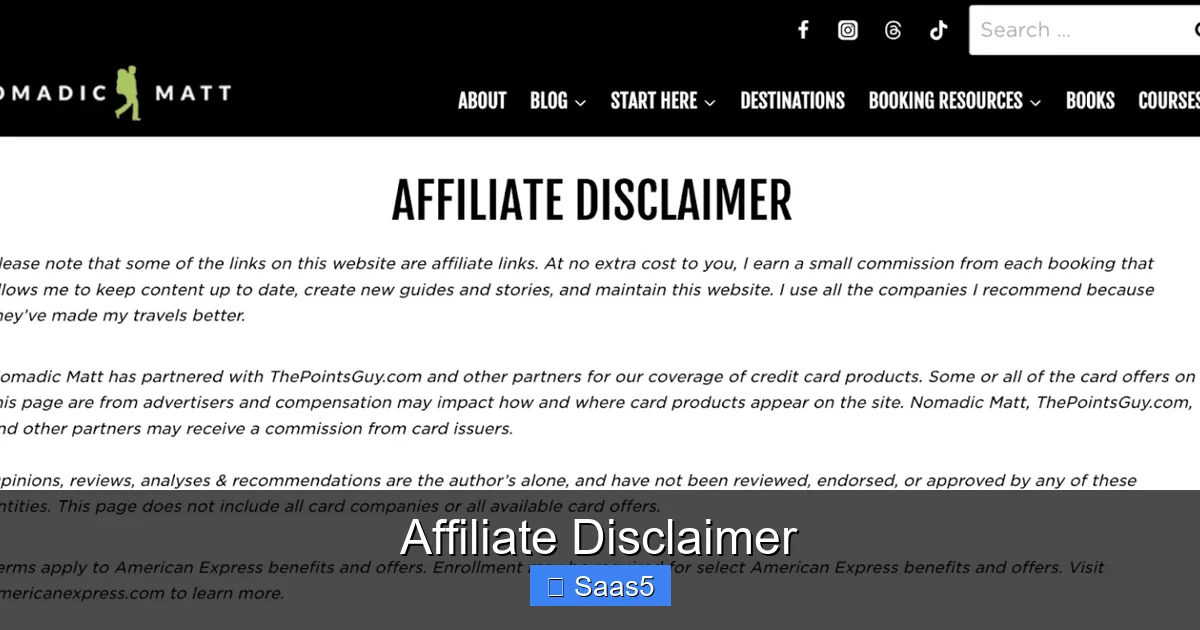
The FTC’s Endorsement Guides state that any material connection between you and a merchant must be disclosed. A “material connection” includes paid commissions, free products, or any benefit that could influence your recommendation.

Visual guide about Affiliate Disclaimer
Image source: mir-s3-cdn-cf.behance.net
What Happens If You Skip the Disclaimer?
Failure to disclose can lead to:
- Federal investigations and fines.
- Loss of credibility with your audience.
- Removal of affiliate links by partner programs.
International Considerations
If you serve users in the EU, you’ll also need to comply with GDPR and the EU’s ePrivacy rules, which stress clear consent and transparency. While the FTC rules are U.S.-focused, they set a solid baseline for global compliance.
2. Core Elements of an Effective Affiliate Disclaimer
Clear Language
Use plain English. Avoid legalese like “herein” or “pursuant to.” A simple sentence such as “I may receive a commission if you purchase through these links” works.
Visual guide about Affiliate Disclaimer
Image source: storage.googleapis.com
Visibility and Placement
The disclaimer should appear:
- At the top of the page or post, before the first affiliate link.
- Near each affiliate link if the page contains many links.
- In the website footer and privacy policy for added safety.
Specificity
Tell readers exactly what you earn—commission, free trial, or a discount. Example: “I earn a 20% commission on any subscription you sign up for via these links.”
Consistency
Use the same disclaimer wording across all pages. Consistency signals professionalism and reduces the chance of missing a spot.
3. Step‑by‑Step Guide to Writing Your Affiliate Disclaimer
Step 1: Identify All Affiliate Relationships
Make a spreadsheet of every partner, the type of compensation, and the URLs you use. This inventory ensures you don’t forget a link when drafting the disclaimer.
Visual guide about Affiliate Disclaimer
Image source: youchejiuxing.com
Step 2: Choose a Placement Strategy
For SaaS blogs, a short banner at the top of the article works well. If you have a “Resources” page with dozens of links, add a line at the beginning of each section.
Step 3: Draft the Core Statement
Start with a template and customize it to your brand voice:
“Some of the links in this article are affiliate links. If you click them and make a purchase, I may receive a small commission at no extra cost to you.”
Step 4: Add Contextual Details
Explain why you recommend the product. Example: “I only recommend tools that I use daily in my SaaS workflow because they genuinely help me save time.”
Step 5: Review and Test Visibility
Publish a draft, then view it on desktop and mobile. Ensure the disclaimer isn’t hidden below a fold or buried in a footer that requires scrolling.
Step 6: Keep a Record
Save the final disclaimer text in a central location (e.g., a Google Doc) and note the date you added it. Update whenever you add new affiliate programs.
4. Real‑World Examples and Templates
Example 1: Simple Blog Post
Disclaimer: This post contains affiliate links. If you click a link and make a purchase, I may earn a commission at no extra cost to you.
Example 2: SaaS Landing Page
Affiliate Notice: We partner with select software providers. When you sign up through the links below, we receive a referral fee that helps fund our free resources.
Example 3: Email Newsletter
“This email includes affiliate links. If you decide to buy through these links, I’ll earn a small commission that supports our newsletter.”
Template for Reuse
<p><strong>Disclosure:</strong> Some of the links on this page are affiliate links. This means I may receive a commission if you purchase through them, at no additional cost to you. I only recommend products I truly trust and use in my own SaaS business.</p>
5. Best Practices for Ongoing Compliance
Regular Audits
Schedule a quarterly review of all content. Use a site‑wide search for “affiliate” or “commission” to verify each instance is disclosed.
Stay Updated with Policy Changes
Follow the FTC’s blog and subscribe to affiliate network newsletters. When a new rule drops, adjust your disclaimer promptly.
Educate Your Team
If multiple writers contribute, create a style guide that includes the exact disclaimer wording and placement rules. Share it in a shared drive.
Link to a Full Disclaimer Page
For deeper legal detail, link to a dedicated “Disclaimer” page. Example: our comprehensive disclaimer page covers all disclosures in one place.
Use Visual Cues
Consider a small icon (like a tiny “$” or “affiliate”) next to links. It reinforces the textual disclaimer without overwhelming the reader.
Conclusion: Turn Transparency Into a Trust‑Builder
Writing an affiliate disclaimer isn’t just a legal checkbox; it’s an opportunity to show honesty and strengthen relationships with your audience. By following the steps above—understanding the law, crafting clear language, placing it prominently, and reviewing regularly—you’ll protect your SaaS brand and keep the revenue flowing.
Remember, the best affiliate strategy is one where users feel confident that your recommendations are genuine. A solid disclaimer is the bridge between earning commissions and maintaining credibility. Start today, and watch both trust and conversions grow.
Frequently Asked Questions
Do I need an affiliate disclaimer on every page that contains a link?
Yes. The FTC requires disclosure wherever a material connection exists. If a page has even one affiliate link, include a clear disclaimer on that page.
Can I put the disclaimer in the footer only?
Putting it only in the footer is risky because users might not see it. Best practice is to place a short notice near the links and keep a full disclaimer in the footer for reference.
What wording should I avoid?
Avoid vague phrases like “some links may be affiliate links.” Be specific about the relationship and use plain language that a typical reader can understand.
How often should I update my affiliate disclaimer?
Review it at least quarterly, or whenever you add a new affiliate program, change commission structures, or receive updates to FTC guidelines.
Is a disclaimer required for free products I receive?
Yes. Receiving a free product is a material connection and must be disclosed, even if you don’t earn a commission.
Can I use a disclaimer template from another site?
You can use templates as a starting point, but customize them to reflect your specific relationships and brand voice. Generic copy may miss required details for your situation.