Ahd Camera Digital Video Camera
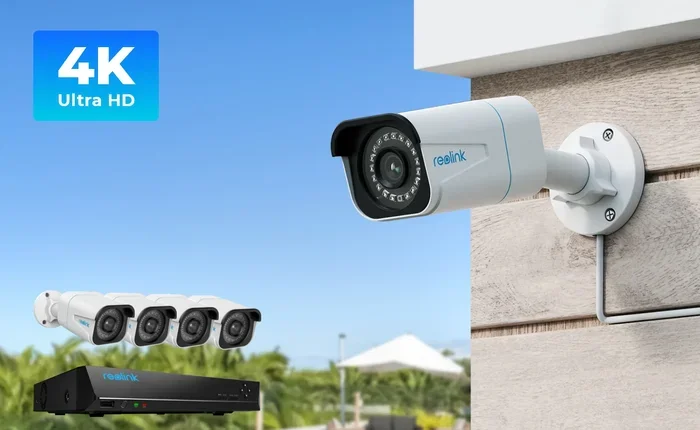
Looking for a reliable ahd camera digital video camera? This guide breaks down how AHD technology works, why it matters for surveillance, and what features to prioritize. You will learn simple setup steps, common troubleshooting tricks, and how to compare models before buying. We also share expert tips to help you get clear footage without wasting time or money. By the end, you will feel confident choosing and installing the right camera for your home or business.
If you want clear surveillance without replacing every cable in your building, an ahd camera digital video camera can be a smart choice. This technology has become popular because it balances cost, image quality, and ease of installation. Many property owners like it because it works with familiar wiring while still delivering a much sharper picture than older analog systems.
In this guide, we will walk through what makes these cameras useful, how they compare to other options, and what to look for before you buy. You will also find practical tips for placement, setup, and basic troubleshooting. Whether you are upgrading a small home setup or planning a larger security project, the goal is simple: help you make a confident decision without getting lost in technical jargon.
Key Takeaways
- AHD cameras deliver clear analog HD video. They work well with existing coaxial wiring and offer a budget-friendly upgrade path.
- Resolution matters, but so does lens quality. A sharp sensor means nothing without a good glass lens and proper lighting.
- Choose the right recording format. Match your camera output to your DVR capabilities for smooth playback and storage.
- Placement changes everything. Height, angle, and lighting affect image clarity more than many buyers expect.
- Weather resistance is essential outdoors. Look for solid IP ratings and durable housing if the camera faces rain or heat.
- Simple troubleshooting solves most issues. Check cables, power, and DVR settings before assuming a hardware failure.
- Plan for future expansion. Leave room for extra channels, better storage, and smarter features as your needs grow.
📑 Table of Contents
- What Makes an AHD Camera Digital Video Camera Worth Considering
- Core Features to Look For Before You Buy
- Choosing the Right Setup for Your Space
- Installation Tips That Make a Real Difference
- Common Problems and Simple Fixes
- Comparing AHD With Other Camera Options
- Smart Buying Tips for Long-Term Satisfaction
- Final Thoughts on Choosing an AHD Camera Digital Video Camera
What Makes an AHD Camera Digital Video Camera Worth Considering
An ahd camera digital video camera is designed to send high-definition video over analog-style connections. That means you can often keep existing coaxial cable runs while still getting a much better image than old standard-definition systems. For many users, this is the biggest advantage. You do not always need to start from scratch just to improve picture quality.
Another reason people choose this format is its straightforward setup. The cameras usually connect to a compatible recorder or monitor without complicated networking steps. That makes them appealing for do-it-yourself projects, small offices, and basic security upgrades. If you want a system that is easy to understand and still delivers dependable footage, this category deserves a close look.
How AHD Fits Into the Bigger Camera Landscape
It helps to think of AHD as one option in a wider family of video systems. Some setups use completely digital networking, while others rely on older analog signals. AHD sits in a practical middle ground. It offers high-definition results with a familiar installation style. If you want a deeper explanation of the broader category, you can read more in our guide on what is a AHD camera.
This middle-ground approach matters because not every building needs a full network-based system. Sometimes the goal is simple monitoring, reliable recording, and a clear image at a reasonable price. In those cases, an ahd camera digital video camera can be a very balanced solution.
Core Features to Look For Before You Buy
Not all cameras in this category perform the same way. The best choice depends on where the camera will be installed and what you want to capture. Some models are built for wide outdoor views, while others work better for tighter indoor spaces. Paying attention to a few key specs will help you avoid disappointment later.
Start with resolution, but do not stop there. A higher resolution can show more detail, yet a weak lens or poor sensor may still produce soft footage. It is also wise to think about night vision, compression, and how the camera handles motion. A good system should give you usable video in the conditions you actually have, not just in ideal lighting.
Resolution and Image Quality
Resolution is one of the first specs people check, and for good reason. Higher resolution can make faces, license plates, and other details easier to see. Still, the overall image quality depends on several parts working together. The sensor, lens, and processing all affect what shows up on your screen.
If you are comparing models, think about real-world use. A camera placed near a doorway may need less range than one watching a parking area. For many setups, a balanced resolution with strong lens quality is better than chasing the highest number on a spec sheet. Clear footage is the goal, not just a big label.
Night Vision and Low-Light Performance
Many security scenes happen after sunset, so low-light performance matters a lot. Some cameras use infrared illumination to capture shapes and movement in the dark. Others are built with sensors that handle dim light better than average. Either way, you want to know how the camera behaves when the sun goes down.
A common mistake is assuming all night vision looks the same. It does not. Some systems produce grainy images, while others keep outlines and movement fairly readable. If your area has very little light, test the camera or choose one with a strong reputation for dark-scene performance.
Weather Resistance and Build Quality
Outdoor cameras face heat, rain, dust, and temperature changes. That is why housing quality matters. A durable shell and proper sealing help the camera survive longer and keep performing without constant maintenance. If the camera will live outside, do not treat weather resistance as an optional extra.
Also think about the mounting location. A camera under a roof overhang may face fewer weather problems than one fully exposed to the elements. Even a well-built unit lasts longer when it is installed thoughtfully. Good placement can reduce damage and keep the lens cleaner.
Choosing the Right Setup for Your Space
The best camera is not always the most expensive one. It is the one that matches your space and your goals. A small shop may only need one or two well-placed units, while a larger property may need overlapping views. Before buying, walk through the area and note the spots you want to cover.
Think about entry points, walkways, parking areas, and places where movement is hard to see. Then decide whether you want a broad view or a focused shot. A wide-angle camera can cover more ground, but a narrower view may show more detail in a specific zone. Planning ahead saves time and helps you avoid gaps in coverage.
Indoor vs Outdoor Placement
Indoor cameras often benefit from controlled lighting and easier mounting. You may not need the same rugged housing as an outdoor unit. Outdoor cameras, on the other hand, need stronger protection and careful positioning to avoid glare, rain, or direct sun. The environment should guide your choice.
If you are placing a camera near a window or bright light, glare can ruin the image. Shadows can also hide important details. Try to mount the camera where the lighting is fairly even. A good location often matters more than an upgrade you do not really need.
Recording and Storage Considerations
A camera is only part of the system. You also need a way to store and review footage. Some setups use a local recorder, while others save video to network storage or cloud services. The right choice depends on how long you want to keep recordings and how often you need to access them.
Storage affects both convenience and cost. More footage can be useful, but it also takes more space and management. If you are unsure where to begin, it can help to compare your options with other camera types, such as a DVC digital video camera manual approach to recording basics. Understanding how storage works will make your system easier to use.
Installation Tips That Make a Real Difference
A solid installation does not have to be complicated. In many cases, careful planning matters more than advanced tools. Start by confirming that your recorder, camera, and cables all match. Then decide where the camera will sit and how it will be powered. A few simple checks before mounting can prevent frustration later.
When running cables, keep them neat and protected. Loose cables can get snagged, damaged, or disconnected. If you are installing outdoors, use weather-appropriate connectors and seal points where moisture could enter. Clean, organized installation makes maintenance easier and helps the system last longer.
Testing Before Final Mounting
It is smart to test the camera before you lock everything in place. Check the view, focus, and angle while the unit is still adjustable. Make sure the image is clear and that the area you want is actually covered. Small adjustments at this stage can improve the final result a lot.
Also test the recording and playback functions. A camera may look fine on a monitor but still need settings adjustments for smooth recording. If you notice anything strange, such as missing video or odd behavior, you may want to review common fixes in our article on no video but camera LEDs are on. Catching problems early is much easier than troubleshooting after installation.
Adjusting for Better Coverage
Once the camera is mounted, fine-tune the view. A slight tilt or rotation can reduce blind spots and improve clarity. Avoid pointing the camera directly at bright light sources unless you have a specific reason to do so. The goal is a steady, readable image throughout the day.
If your system supports it, review motion settings and recording triggers. Too many alerts can become annoying, while too few may miss important events. Balance is key. A well-adjusted setup should give you useful footage without flooding you with unnecessary notifications.
Common Problems and Simple Fixes
Even a good camera can act strangely if something small is off. The good news is that many issues have simple causes. A loose connection, a power problem, or a setting mismatch can create confusion fast. Before assuming the hardware is broken, walk through the basics.
Start with the cables and power source. Then check the recorder settings and confirm the camera is recognized by the system. If the image is weak, look at focus, lens cleanliness, and lighting. Most of the time, the solution is practical and manageable.
Image Problems and What They Usually Mean
If the picture looks blurry, the lens may need cleaning or the focus may be off. If the image flickers, the cable connection could be unstable. If the scene is too dark, the camera may be struggling with low light or infrared settings. Each symptom points to a different likely cause.
It also helps to compare the camera behavior with the rest of the system. For example, if the unit seems powered on but still shows no picture, you can look at if a camera is red does that mean it is on for a quick reality check. Small clues like that often lead to faster fixes.
Connection and Power Issues
Power problems can cause intermittent behavior that is hard to diagnose. A camera may work for a while and then stop, or it may never fully stabilize. Make sure the power supply matches the camera requirements and that connections are secure. Stable power is one of the easiest ways to improve reliability.
Network-related confusion can also happen if the system is part of a larger setup. If you need help identifying an IP address or device on the network, see our guide on find IP address IP camera. Even when the camera is not network-based, understanding device identification can make troubleshooting less stressful.
Comparing AHD With Other Camera Options
Different camera types solve different problems. Some are best for simple analog-style installs, while others are built for networked video or specialized uses. Comparing them side by side helps you choose based on your actual needs instead of marketing language. The right system is the one that fits your space, budget, and comfort level.
For many people, the decision comes down to three things: image quality, installation effort, and long-term flexibility. AHD can be appealing when you want a familiar setup with better picture quality. Other options may be better if you want more advanced remote access or digital integration. The table below gives a quick comparison to make that choice easier.
Quick Comparison Table
Below is a simple comparison to help you weigh common choices. It is not a full spec list, but it shows the general strengths of each approach.
Setup Style: AHD cameras usually work well with coaxial wiring and compatible recorders. Network-based cameras often need ethernet or Wi-Fi and more configuration. Older analog systems are simple but usually less detailed.
Image Quality: AHD can offer strong HD results with the right DVR and lens. Network cameras can also deliver high quality, especially when lighting and storage are well managed. Traditional analog systems often lag behind in detail.
Installation Effort: AHD is often easier when existing cable is already in place. Network cameras can take more planning if you need power, data runs, or wireless coverage. Simple analog setups are usually easy, but the image may not meet modern needs.
Best Use Case: AHD is a strong fit for upgrades and straightforward surveillance. Network cameras suit users who want more connectivity and flexible management. Basic analog may still work for very small or temporary setups.
If you are exploring other camera styles, you may also find it useful to review topics like the Leica D Lux Typ 109 digital camera for a different perspective on imaging tools, or the Intel Realsense Depth Camera D456 if you are curious about more specialized sensing technology. Those are different use cases, but they show how many camera types exist for different goals.
Smart Buying Tips for Long-Term Satisfaction
Before you buy, think about how the system will grow. A camera that works today may not be enough if you add more areas later. Leave room for extra channels, better storage, and future upgrades if possible. Planning ahead is cheaper than replacing everything later.
It also helps to choose a setup you can actually maintain. If the interface is confusing or the settings are hard to manage, you may not use the system as well as you hoped. A good purchase is one that stays practical over time, not just one that looks impressive on the shelf.
Questions to Ask Before You Commit
Ask yourself where the camera will be used, who will check the footage, and how often. Think about night lighting, weather exposure, and whether you need wide coverage or close detail. Also consider how much storage you want and how long you want to keep recordings. These answers will narrow your choices quickly.
If you are comparing several models, do not focus on one feature alone. A camera with a long list of specs can still be a poor match if it is placed badly or paired with the wrong recorder. The best result usually comes from balancing the camera, the installation, and the storage plan.
When to Get Extra Help
Some installs are simple, but others need more attention. If your wiring is unclear, your layout is complex, or you are unsure which recorder matches your cameras, extra help can save time. A careful review of your setup can prevent wasted parts and repeated adjustments.
If you run into a vehicle-related camera issue while comparing backup or towing setups, you might also look at resources like how to remove Silverado tailgate with camera or how to remove GMC tailgate with backup camera. Those are different situations, but they show how camera integration can show up in many practical projects.
Final Thoughts on Choosing an AHD Camera Digital Video Camera
An ahd camera digital video camera can be a practical, reliable way to improve surveillance without overcomplicating your install. It offers a useful mix of better image quality, familiar wiring, and manageable setup. For many homes and small businesses, that balance is exactly what makes the system worth considering.
The best results come from matching the camera to your space, checking the basics before mounting, and choosing storage that fits your routine. Keep the lens clean, test the view, and make sure the recorder and camera work together smoothly. When you take the time to plan well, you get clearer footage and fewer headaches later. If you want a straightforward upgrade path with solid performance, this camera style is worth a close look.
Frequently Asked Questions
What is an AHD camera used for?
An AHD camera is used to capture high-definition surveillance video over analog-style connections. It is often chosen for security setups that need clearer footage without replacing all existing wiring.
Does an AHD camera need a special recorder?
Yes, it usually works best with a compatible DVR or recording system that supports AHD signals. Matching the camera and recorder helps avoid signal problems and ensures smooth playback.
Can an AHD camera work outdoors?
It can, but the camera should have proper weather protection and a durable housing. Outdoor placement also works better when the unit is mounted away from direct water exposure and extreme glare.
How far can an AHD camera transmit video?
The distance depends on the cable quality, the camera setup, and the recorder used. Shorter runs are generally more reliable, while longer runs may need better cabling and careful installation.
Why is my AHD camera image blurry?
A blurry image is often caused by a dirty lens, poor focus, low light, or a weak cable connection. Cleaning the lens and checking the mount and settings usually improves the picture.
Is an AHD camera better than a network camera?
It depends on your goals. AHD can be easier when you want to use existing wiring and keep the setup simple, while network cameras may offer more connectivity and remote management features.