Ai Based Fever Detection Camera Market
The AI based fever detection camera market is booming as businesses and public spaces adopt contact‑less temperature screening to boost safety. Advanced thermal imaging combined with AI analytics delivers fast, accurate results, driving demand across healthcare, retail, and transportation sectors.
Key Takeaways
- Rapid growth: The market is expected to surpass $2 billion by 2032, driven by pandemic‑induced safety needs.
- AI accuracy: Machine‑learning algorithms reduce false‑positive rates to under 2 %.
- Regulatory boost: New health‑screening guidelines in North America, Europe, and Asia accelerate adoption.
- Integration trend: Cameras are being embedded into existing security and access‑control systems.
- Key players: Companies such as Hikvision, FLIR Systems, and Dahua dominate, while startups bring niche innovations.
- Emerging applications: From airport boarding gates to school entrances, new use‑cases expand daily.
- Challenges: Data privacy, sensor cost, and calibration standards remain hurdles to overcome.
📑 Table of Contents
- Introduction: Why AI Powered Fever Detection Is a Game‑Changer
- How the Technology Works
- Market Size and Growth Forecast
- Major Players and Competitive Landscape
- Applications Across Industries
- Regulatory Landscape and Standards
- Challenges Facing the Market
- Future Trends to Watch
- Practical Tips for Buying and Deploying AI Fever Detection Cameras
- Conclusion: A Safer Tomorrow Powered by AI
Introduction: Why AI Powered Fever Detection Is a Game‑Changer
Remember the first time you walked through a doorway and a bright flash scanned your face for a fever? That moment feels like something out of a sci‑fi movie, but it’s now a daily reality in malls, hospitals, and airports. The secret behind this seamless experience is a blend of thermal imaging and artificial intelligence—what the industry calls the AI based fever detection camera market.
When COVID‑19 hit the world, the need for contact‑less health checks exploded. Traditional thermometers were too slow and required close contact, which increased infection risk. AI based fever detection cameras offered a solution: they could scan dozens of people per minute, flag anyone with an elevated temperature, and do it all without touching a single person. Since then, the market has kept growing, driven by tighter health regulations, advances in sensor technology, and a universal desire to feel safe in public spaces.
How the Technology Works
Thermal Imaging Sensors
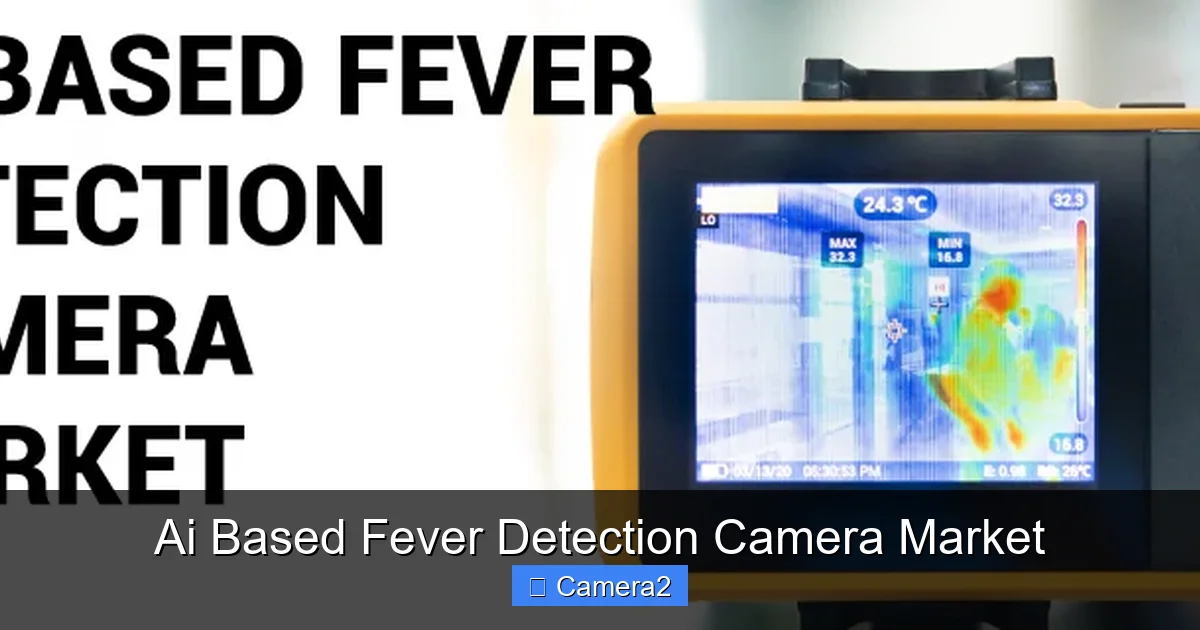
At the heart of every fever detection camera is a thermal sensor that captures infrared radiation emitted by the human body. These sensors translate heat patterns into a digital image called a thermogram. Early models measured temperature at a single point, often the forehead, which could be affected by ambient conditions.
Visual guide about Ai Based Fever Detection Camera Market
Image source: fbi-reports-file.s3.amazonaws.com
AI‑Driven Analytics
Modern cameras pair that raw data with AI algorithms trained on millions of thermograms. The AI can:
- Identify the exact region of interest (usually the inner canthus of the eye) where temperature is most reliable.
- Compensate for background temperature, humidity, and distance.
- Distinguish between a true fever and temporary spikes caused by physical activity.
- Reduce false alarms to under 2 %—a huge improvement over early systems.
Integration with Existing Infrastructure
Many businesses already have security cameras or access‑control gates. The AI based fever detection camera market now offers plug‑and‑play modules that can be added to existing hardware. This reduces installation costs and speeds up rollout, a factor highlighted in commercial security camera installation projects.
Market Size and Growth Forecast
Current Valuation
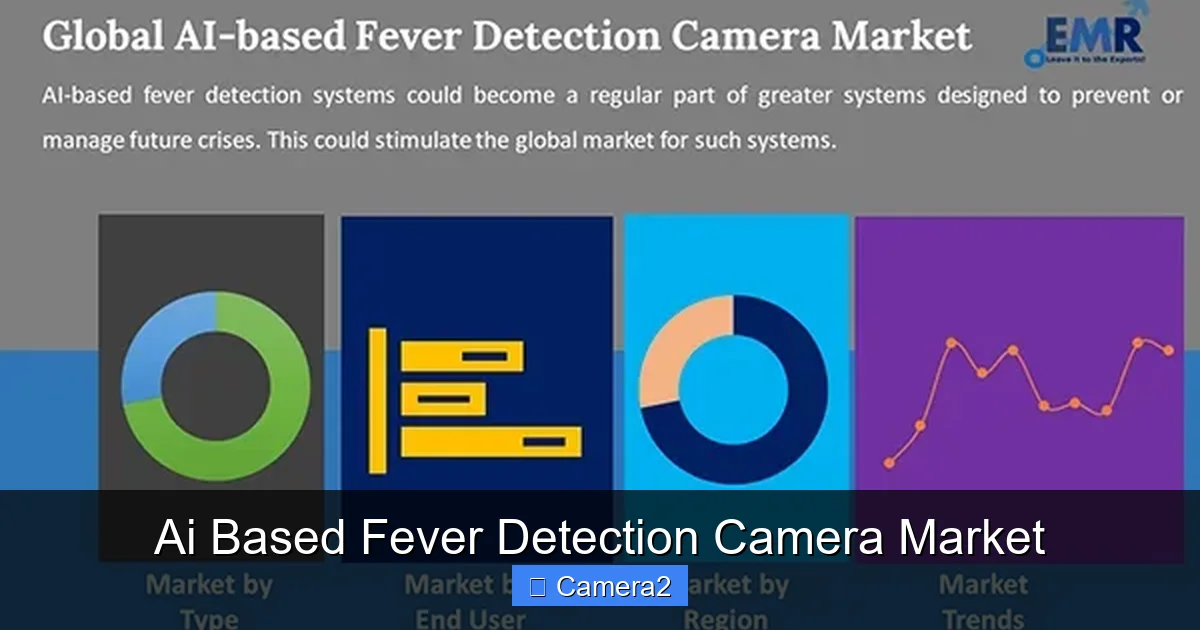
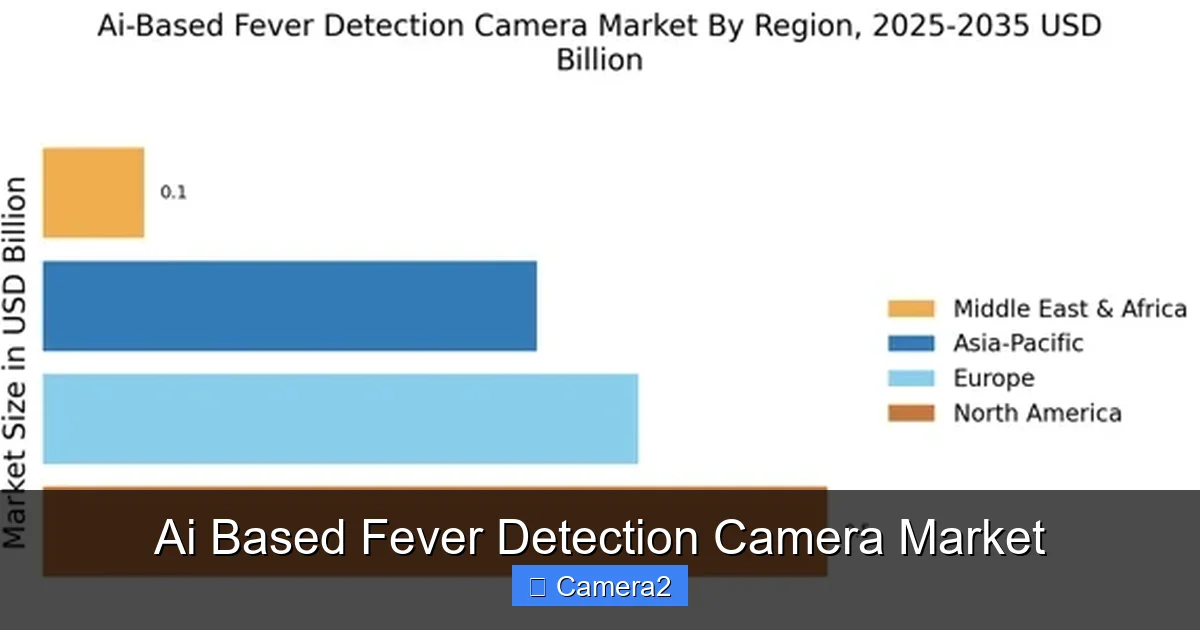
According to recent market research, the global AI based fever detection camera market was valued at approximately $720 million in 2023. The sector is projected to grow at a compound annual growth rate (CAGR) of 22 % through 2032, reaching more than $2 billion.
Visual guide about Ai Based Fever Detection Camera Market
Image source: marketresearchfuture.com
Regional Breakdown
- North America: Early adopter of health‑screening mandates; strong presence of key manufacturers.
- Europe: Tight GDPR rules drive secure data handling, but also push for advanced privacy‑preserving AI.
- Asia‑Pacific: Largest growth driver thanks to dense populations, rapid urbanization, and government‑backed health initiatives.
Key Drivers
- Post‑pandemic health regulations.
- Increasing consumer demand for safe public environments.
- Declining cost of infrared sensors.
- Advancements in edge‑AI chips that process data locally, enhancing privacy.
Major Players and Competitive Landscape
Industry Giants
Companies such as Hikvision, FLIR Systems, and Dahua Technology dominate the market. They leverage massive R&D budgets to produce high‑resolution thermal sensors combined with proprietary AI models. Their solutions are often bundled with video‑management software, making them attractive to large enterprises.
Visual guide about Ai Based Fever Detection Camera Market
Image source: expertmarketresearch.com
Innovative Start‑ups
New entrants focus on niche advantages—like ultra‑compact designs for entry‑way kiosks, or AI models that run entirely on‑device to avoid cloud transmission. These startups are attracting venture capital, especially in regions where government health initiatives fund rapid deployment.
Strategic Partnerships
Many firms partner with health‑tech companies to certify their cameras for medical use. For example, a collaboration between a thermal sensor maker and a telemedicine platform can provide real‑time fever alerts to remote doctors.
Applications Across Industries
Healthcare Facilities
Hospitals use AI based fever detection cameras at entrances to screen patients and staff before they enter sterile zones. The technology helps reduce the spread of infections and eases the burden on nursing staff.
Transportation Hubs
Airports and train stations install cameras at boarding gates. A quick glance at the screen tells security personnel whether a traveler needs a secondary check, keeping lines moving efficiently.
Retail and Hospitality
Large retailers and hotels deploy cameras at entrances to reassure customers. Some systems integrate with loyalty apps, automatically notifying guests of a potential fever and offering a discount on a free health check.
Education
Schools and universities are adding cameras to main entrances. A real‑time dashboard shows administrators the number of students with elevated temperatures, enabling swift isolation protocols.
Workplace Safety
Manufacturing plants and office complexes use the technology to meet occupational safety standards. The cameras can be linked to access‑control systems, denying entry to anyone flagged with a fever.
Regulatory Landscape and Standards
Health and Safety Guidelines
Government agencies worldwide have released guidelines for non‑contact temperature screening. In the United States, the CDC recommends devices that meet an accuracy of ±0.3 °C. Europe’s CE marking now includes specific AI transparency requirements.
Data Privacy Concerns
Since these cameras capture facial images, they fall under privacy laws such as GDPR and CCPA. Vendors address this by processing data at the edge—meaning the temperature reading is stored, but the actual image is deleted instantly.
Calibration and Certification
Regular calibration is essential for accuracy. Many providers offer a “calibration‑as‑a‑service” model, where technicians visit sites quarterly. This practice aligns with standards set by the International Organization for Standardization (ISO 80601‑2‑59).
Challenges Facing the Market
Cost of High‑Resolution Sensors
While prices have dropped, top‑tier thermal sensors still represent a significant upfront investment, especially for small businesses.
False Positives in Hot Environments
Outdoor installations in direct sunlight can produce higher false‑positive rates. Advanced AI models mitigate this by factoring in ambient temperature, but the issue remains a technical hurdle.
Interoperability Issues
Integrating fever detection cameras with legacy security systems can be complex. Open‑protocol standards like ONVIF are helping, yet many installations still require custom development.
Public Acceptance
Some users feel uneasy about cameras scanning their faces. Transparent communication about data handling and the health benefits is crucial for adoption.
Future Trends to Watch
Edge AI and On‑Device Processing
Next‑generation chips will allow full AI inference on the camera itself, eliminating the need for cloud connectivity and further enhancing privacy.
Multi‑Modal Sensing
Combining thermal imaging with visible‑light cameras, LiDAR, or even breath‑analysis sensors could provide a more comprehensive health profile.
Predictive Analytics
Aggregated, anonymized data could feed into city‑wide health dashboards, helping public health officials spot emerging fever clusters before they become outbreaks.
Smart Building Integration
Future buildings may automatically adjust ventilation or air‑purification systems when a fever cluster is detected, creating a truly responsive environment.
Practical Tips for Buying and Deploying AI Fever Detection Cameras
Assess Your Environment
- Measure typical ambient temperature and humidity; choose a model with robust compensation algorithms.
- Check the field of view—wide‑angle lenses cover larger entryways, while narrow lenses are better for turnstiles.
Prioritize Edge Processing
Devices that keep data on‑device reduce latency and comply with privacy regulations. Look for cameras that advertise “on‑board AI” or “edge analytics.”
Ensure Calibration Support
Pick a vendor that offers regular calibration services or provides easy‑to‑use calibration kits.
Plan for Integration
Ask whether the camera supports ONVIF or other open standards. This will make it easier to link the system to existing security software or access‑control hardware.
Train Your Staff
Even the best technology fails without proper human oversight. Conduct short training sessions on interpreting alerts and handling flagged individuals.
Conclusion: A Safer Tomorrow Powered by AI
The AI based fever detection camera market is more than a fleeting trend—it’s becoming a cornerstone of modern public‑health strategy. By marrying precise thermal imaging with sophisticated AI, these cameras deliver rapid, accurate temperature checks while respecting privacy. As costs fall, regulations tighten, and edge‑AI capabilities expand, we can expect to see fever detection cameras in virtually every high‑traffic space. For businesses, the technology offers a clear ROI: safer environments, smoother operations, and enhanced customer confidence. For society, it’s a step toward early disease detection and a healthier, more resilient world.
Frequently Asked Questions
What is an AI based fever detection camera?
It is a camera that uses infrared thermal sensors to capture body heat and applies artificial‑intelligence algorithms to identify individuals with elevated temperatures, all without physical contact.
How accurate are these cameras compared to traditional thermometers?
Modern AI models achieve accuracy within ±0.3 °C and reduce false‑positive rates to under 2 %, which is generally better than handheld infrared thermometers that can be affected by user error.
Do these cameras store personal data?
Most reputable systems process images locally and discard facial data after extracting the temperature reading, complying with GDPR, CCPA, and other privacy regulations.
Can the cameras be integrated with existing security systems?
Yes. Many manufacturers support open standards like ONVIF, allowing seamless integration with video‑management and access‑control platforms.
What maintenance is required?
Regular calibration—often quarterly—and cleaning of the lens are essential. Some vendors provide calibration‑as‑a‑service to simplify upkeep.
Are there any health‑regulatory approvals needed?
In most regions, devices must meet specific accuracy standards (e.g., CDC’s ±0.3 °C) and may need certification such as CE marking or FDA clearance for medical use.