Are Red Light Cameras Unconstitutional
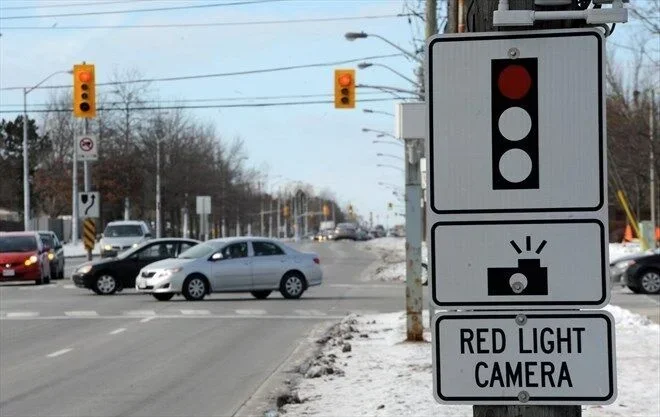
Are red light cameras unconstitutional? This hot legal question sparks debate across the country. Many drivers wonder if these automated traffic enforcement tools violate their constitutional rights. We will break down the key arguments, court rulings, and your rights on the road. You will learn exactly how these cameras work and what the law says about them.
Key Takeaways
- Constitutional Concerns: The main debate centers on the Fourth Amendment, due process, and equal protection under the law.
- Supreme Court Stance: The U.S. Supreme Court has generally upheld the constitutionality of traffic enforcement cameras.
- State Laws Vary: Legality depends heavily on state and local laws, with some states banning or restricting them.
- Due Process Issues: Critics argue that mailing tickets to vehicle owners instead of drivers violates due process.
- Evidence Standards: Courts often treat camera footage as valid evidence, but chain of custody matters.
- Local Bans Exist: Many cities and counties have voted to remove red light cameras due to public pressure.
- Know Your Rights: You can often contest tickets, request evidence, and check local ordinances.
📑 Table of Contents
- Are Red Light Cameras Unconstitutional? The Core Legal Debate
- How Courts Have Ruled on Red Light Camera Constitutionality
- State-by-State Variations in Legality and Enforcement
- Common Constitutional Arguments Against Red Light Cameras
- How to Challenge a Red Light Camera Ticket Legally
- Expert Insights and Practical Advice for Drivers
- Conclusion
Are Red Light Cameras Unconstitutional? The Core Legal Debate
Many drivers ask the same question after getting a ticket in the mail. Are red light cameras unconstitutional? The short answer is that courts generally say no. But the full story is more complex. These automated systems capture images of vehicles entering intersections during red signals. They then send citations to the registered owner. This process raises serious legal questions.
The debate touches on privacy, fairness, and government power. Some people believe these cameras violate the Fourth Amendment. Others argue they deny due process. Let’s explore the main arguments on both sides. You will see why this issue remains so controversial.
The Fourth Amendment and Privacy Concerns
The Fourth Amendment protects you from unreasonable searches and seizures. Critics claim that red light cameras conduct a search without a warrant. They argue that photographing your car on a public road still counts as a search. However, courts have consistently ruled otherwise. The Supreme Court has long held that there is no reasonable expectation of privacy in public spaces. When you drive on a public street, your actions are visible to anyone. A camera simply records what any passerby could see.
This distinction matters a great deal. Police officers can pull you over based on observed violations. A camera does the same job automatically. The legal system treats this as a reasonable method of enforcement. Still, privacy advocates continue to push back. They worry about data storage, facial recognition, and mission creep. These concerns keep the debate alive.
Due Process and Equal Protection Arguments
Due process guarantees fair treatment through the legal system. Opponents say red light cameras violate this right. The main issue is who gets the ticket. The camera photographs the vehicle, not the driver. The citation goes to the registered owner. This creates a legal gray area. What if someone else was driving? What if you sold the car but the registration was not updated? These scenarios make due process tricky.
Equal protection is another angle. Some argue that these cameras disproportionately affect low-income drivers. Fines can add up quickly. Late fees and insurance hikes create a heavy burden. Critics say this system punishes people who cannot afford to pay quickly. Courts have generally rejected equal protection claims. They note that the law applies to everyone equally. Yet the practical impact remains a valid concern for many communities.
How Courts Have Ruled on Red Light Camera Constitutionality
Judges across the country have heard these cases many times. The results show a clear pattern. Most courts uphold the use of red light cameras. They view them as a valid tool for public safety. Let’s look at the major legal milestones.
U.S. Supreme Court Rulings and Federal Precedent
The U.S. Supreme Court has not issued a landmark ruling specifically on red light cameras. However, related decisions shape the landscape. In cases involving automated traffic enforcement, the Court has deferred to states. The U.S. Supreme Court ruling on red light cameras is often misunderstood. Many people think the Court banned them. That is simply not true. The Court has allowed states to decide for themselves. This federal approach means legality varies by location.
Lower federal courts have also weighed in. They consistently cite the public nature of roadways. They also point to the government’s interest in safety. Reducing intersection crashes is a compelling goal. Courts balance this interest against privacy claims. The safety argument usually wins. This precedent guides state and local judges every day.
State and Local Court Decisions
State courts handle most red light camera cases. Their rulings reflect local laws and values. Some states explicitly authorize these systems. Others ban them outright. Many fall somewhere in between. For example, you can read about are red light cameras legal in New Jersey to see how one state handles the issue. New Jersey has specific rules and restrictions. Other states take a different path.
Local judges often focus on procedural fairness. They examine whether the citation process follows state law. They also check if the camera system meets calibration standards. If a city fails to follow its own rules, courts may dismiss tickets. This is why due process matters so much. The constitutionality question often turns on local compliance. A well-run program survives legal challenges. A sloppy one does not.
State-by-State Variations in Legality and Enforcement
The United States does not have a single rule for red light cameras. Each state sets its own policies. This patchwork system creates confusion for drivers. You might cross a state line and face completely different rules. Understanding these differences helps you stay informed.
States That Ban or Restrict Red Light Cameras
Several states have passed laws against automated traffic enforcement. Some ban red light cameras entirely. Others allow them only in limited circumstances. Common restrictions include requiring a police officer to be present. Some states mandate that images must show the driver’s face. These rules aim to protect due process rights. They also address privacy concerns. States that ban cameras often cite public backlash. Voters and lawmakers decide that traditional enforcement works better.
If you wonder does New Jersey have red light cameras, the answer depends on current local ordinances. Some towns use them. Others do not. The state law sets the framework, but cities make the final call. This local control is common across the country. Always check your specific jurisdiction before assuming anything.
States That Actively Use Red Light Cameras
Many states embrace these systems. They view them as a proven safety tool. Research shows that red light cameras can reduce dangerous intersection crashes. States with active programs often have detailed statutes. These laws cover ticket issuance, fine amounts, and appeal rights. They also set strict equipment standards. Calibration and maintenance records must be kept. This oversight helps programs survive legal scrutiny.
Cities in these states often publish camera location maps. You can find resources like red light cameras Ohio locations to see where enforcement is active. Knowing where cameras operate helps drivers make safer choices. It also helps you understand your risk. Awareness is your best defense on the road.
Common Constitutional Arguments Against Red Light Cameras
Let’s dive deeper into the specific claims. Critics raise several constitutional points. Each one deserves a careful look. Understanding these arguments helps you form your own opinion.
The Warrant Requirement and Expectation of Privacy
Some argue that cameras need a warrant. They compare traffic cameras to police surveillance. This comparison misses a key point. Warrants are required for searches where privacy is expected. Public roads do not offer that privacy. Anyone can stand at an intersection and watch cars. A camera does not change that reality. Courts see this as a clear distinction. The warrant argument rarely succeeds in court.
Still, technology evolves. New cameras may capture more data. License plate readers, facial recognition, and cloud storage raise fresh questions. Future cases may address these advances. The law adapts slowly. What works today may face new challenges tomorrow. Stay informed about local technology policies.
Vagueness and Notice Issues
Laws must be clear. People need to know what is prohibited. Some drivers claim red light camera laws are too vague. They argue that signs are missing or confusing. This notice problem can affect enforcement. If you cannot see a warning sign, you might not know a camera is active. Courts sometimes consider this in ticket disputes. Clear signage is a basic requirement in many jurisdictions.
Notice also applies to the legal process. You must know how to contest a ticket. You need access to evidence and appeal instructions. Programs that hide these details face criticism. Transparency builds trust. Without it, constitutional concerns grow stronger.
How to Challenge a Red Light Camera Ticket Legally
If you receive a citation, you have options. You do not have to pay automatically. Many people successfully contest these tickets. Here are practical steps you can take.
Review the Citation and Gather Evidence
Start by reading the ticket carefully. Check the date, time, and location. Look for errors in the vehicle description. Verify the intersection and signal timing. Request all available evidence. This usually includes photos and a video clip. Examine the images for clarity. Is the license plate readable? Is the light color clear? These details matter.
You should also check local rules. Some cities require you to request evidence within a strict deadline. Missing this window can weaken your case. Keep copies of everything. Organize your notes and timelines. A clear record helps you build a strong defense.
Common Defenses and Procedural Loopholes
Several defenses come up often. One common argument is that the camera was not calibrated properly. Another is that the yellow light was too short. Some drivers claim the sign was blocked or missing. Others point out that the registered owner was not driving. Each defense has requirements. You must support your claim with proof.
Procedural errors also help. If the city did not follow its own law, the ticket may be invalid. For example, some places require a human review before mailing a citation. If that step was skipped, you may have a strong case. You can learn more about fighting tickets in specific areas, such as how to fight a red light camera ticket in Philadelphia. Local rules vary, so tailor your approach.
Quick Tips for Contesting Your Ticket
- Act Fast: Deadlines for appeals are strict. Do not wait.
- Request Everything: Get photos, videos, and calibration records.
- Check the Signs: Look for missing or obscured warning signs.
- Verify the Light Cycle: Short yellow times can be a valid defense.
- Know the Owner Rule: Understand how your state handles registered owner liability.
Expert Insights and Practical Advice for Drivers
Legal experts and traffic safety professionals offer useful guidance. They stress that safety should come first. Avoiding a violation is easier than fighting one. Yet knowing your rights matters too. Here is what you should keep in mind.
What the Research Says About Safety and Enforcement
Studies show mixed but generally positive results. Red light cameras often reduce right-angle crashes. These collisions are among the most dangerous. However, some research notes an increase in rear-end crashes. Drivers may brake suddenly when they see a camera. This trade-off is part of the policy debate. Cities weigh these outcomes carefully.
Experts also note that camera programs work best with clear signage. Drivers need to know the rules. Education matters as much as enforcement. A well-designed program combines cameras, signs, and public awareness. This balanced approach reduces controversy. It also improves road safety for everyone.
Common Mistakes to Avoid
Many drivers make simple errors when dealing with tickets. They ignore the citation and hope it goes away. It does not. Late fees and penalties add up quickly. Some people pay without reviewing the evidence. This can mean admitting guilt unnecessarily. Others assume all cameras flash. That is not always true. You can read do all red light cameras flash to understand how these systems capture violations. Knowing the technology helps you respond wisely.
Another mistake is overlooking insurance impact. A ticket can raise your premiums. Even a contested citation may affect your record. Check with your insurer before deciding. Sometimes paying a fine is cheaper than a rate hike. Other times, fighting is the better choice. Weigh the full cost, not just the ticket amount.
Key Takeaways for Everyday Drivers
Here is a quick recap of what matters most. First, these cameras are legal in many places. Second, constitutional challenges rarely succeed at the federal level. Third, state and local laws control the rules. Fourth, you can often contest a ticket with the right evidence. Fifth, safety and awareness are your best tools on the road. Keep these points in mind. They will help you navigate this complex issue with confidence.
If you want to explore related topics, you can read about what are the cameras on top of traffic lights for. Understanding the broader technology landscape makes the legal debate easier to follow. Knowledge is power when you are behind the wheel.
Conclusion
So, are red light cameras unconstitutional? The weight of legal precedent says they are not. Courts generally view them as a valid public safety tool. The Fourth Amendment and due process arguments have not overturned these systems. However, the debate continues at the state and local levels. Laws vary widely. Some places embrace cameras. Others ban them. Many fall in between.
Your best approach is to stay informed. Learn the rules in your area. Understand how these cameras work. Know your rights if you receive a ticket. Review evidence, check for errors, and follow local procedures. Drive safely and respect signal timing. The simplest way to avoid the controversy is to stop on red. When you understand the law and the technology, you can make smarter choices every day.
Frequently Asked Questions
Are red light cameras unconstitutional under the Fourth Amendment?
Most courts say no. The Fourth Amendment protects against unreasonable searches, but driving on a public road carries no reasonable expectation of privacy. Courts view these cameras as recording what anyone could see.
Can I fight a red light camera ticket if someone else was driving?
Yes, in many states you can challenge the ticket by proving you were not the driver. However, some jurisdictions hold the registered owner responsible regardless. Check your local laws for the exact rules.
Do all states allow red light cameras?
No, state laws vary widely. Some states ban or heavily restrict these cameras, while others actively use them. You need to check the specific laws in your state and city.
What evidence should I request when contesting a ticket?
You should request the photos, video footage, calibration records, and sign placement details. These materials help you verify the violation and check for procedural errors.
Do red light cameras actually reduce accidents?
Research shows they often reduce dangerous right-angle crashes, but some studies note a rise in rear-end collisions. The overall safety impact depends on camera placement, signage, and local driving habits.
Where can I find information about camera locations in my area?
Many cities publish camera maps or lists of enforcement intersections. You can also check local transportation department websites or resources like red light camera location guides for your region.