Camera Suction Cup Car Mount
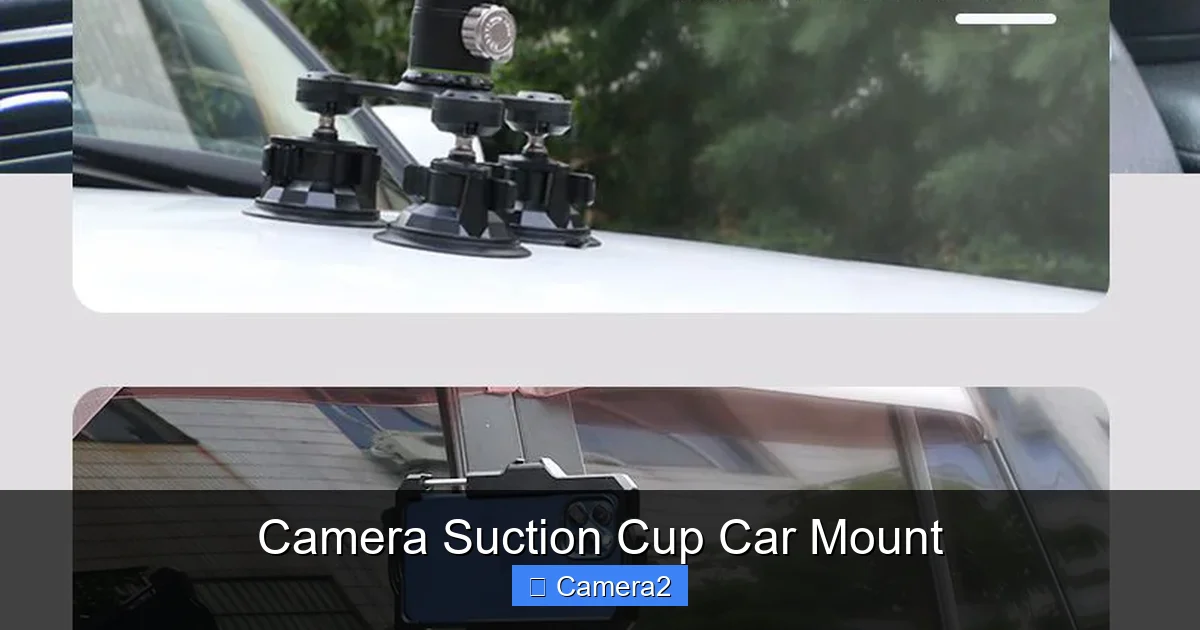
Looking for a reliable way to keep your camera steady while driving? A camera suction cup car mount offers a quick, secure solution that works on any smooth surface. Read on to learn how to choose, install, and maintain the perfect mount for flawless video every mile.
Key Takeaways
- Versatile fit: Suction cup mounts cling to windshields, dashboards, and even side windows.
- Easy installation: No tools needed—just press, lock, and you’re ready to roll.
- Safety first: Look for models with anti‑vibration and break‑away features to protect both camera and vehicle.
- Power considerations: Choose a mount that allows cable routing so your dash cam can stay powered.
- Weather resistance: UV‑coated cups prevent cracking in hot summer sun.
- Compatibility: Most mounts accept smartphones, GoPros, and dedicated dash cams.
- Maintenance tip: Clean the cup regularly to keep suction strong on rainy or dusty days.
📑 Table of Contents
- Introduction: Why a Camera Suction Cup Car Mount Matters
- How a Suction Cup Actually Holds On
- Choosing the Right Camera Suction Cup Car Mount
- Installation Guide: From Box to Road in Five Minutes
- Best Places to Mount Your Camera
- Maintaining Your Suction Cup Mount
- Frequently Asked Questions About Camera Suction Cup Car Mounts
- Conclusion: Your Road‑Ready Companion
Introduction: Why a Camera Suction Cup Car Mount Matters
Imagine you’re cruising down the highway, and your dash cam suddenly slides off the windshield during a sudden brake. Not only do you lose valuable footage, but you also risk damaging the camera. A camera suction cup car mount solves this problem with a simple, tool‑free solution that sticks to smooth surfaces and holds your device steady.
Whether you’re a rideshare driver, a road‑trip vlogger, or just someone who wants to record an accident for insurance, the right mount can make the difference between crystal‑clear video and a blurry mess. In this guide we’ll walk through everything you need to know—how suction works, what features to look for, and step‑by‑step installation tips—so you can pick the perfect mount and keep it working for years.
How a Suction Cup Actually Holds On
The physics behind the grip
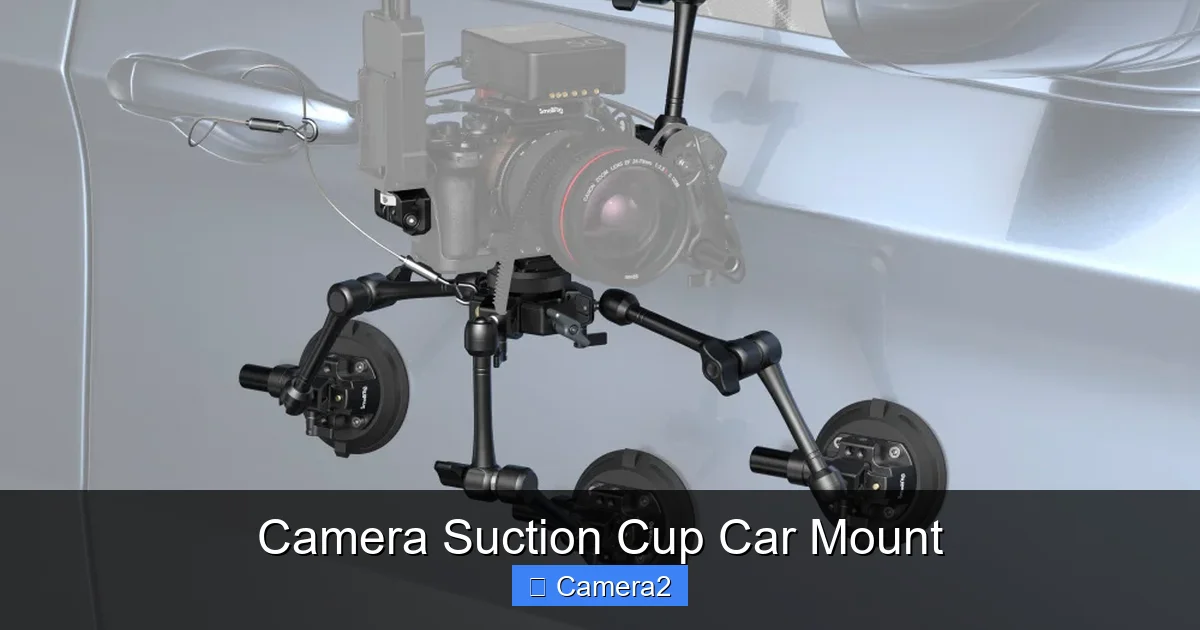
A suction cup creates a seal by pushing out air between the cup and the glass. When you press the cup onto a clean surface, the air is forced out through tiny channels. The higher atmospheric pressure on the outside then pushes the cup against the glass, creating a vacuum that holds the mount in place.
Visual guide about Camera Suction Cup Car Mount
Image source: cined.com
Factors that affect suction strength
- Surface smoothness: Rough or textured glass reduces the seal.
- Temperature: Cold glass can make the rubber less flexible, while heat can soften it and improve grip.
- Cup material: Silicone and high‑grade rubber maintain elasticity longer than cheap plastics.
Understanding these factors helps you choose a mount that will stay put in any climate, from a chilly Seattle morning to a scorching Arizona afternoon.
Choosing the Right Camera Suction Cup Car Mount
Key features to compare
When you browse online, you’ll see a flood of options. Here are the top criteria to keep in mind:
Visual guide about Camera Suction Cup Car Mount
Image source: res.insta360.com
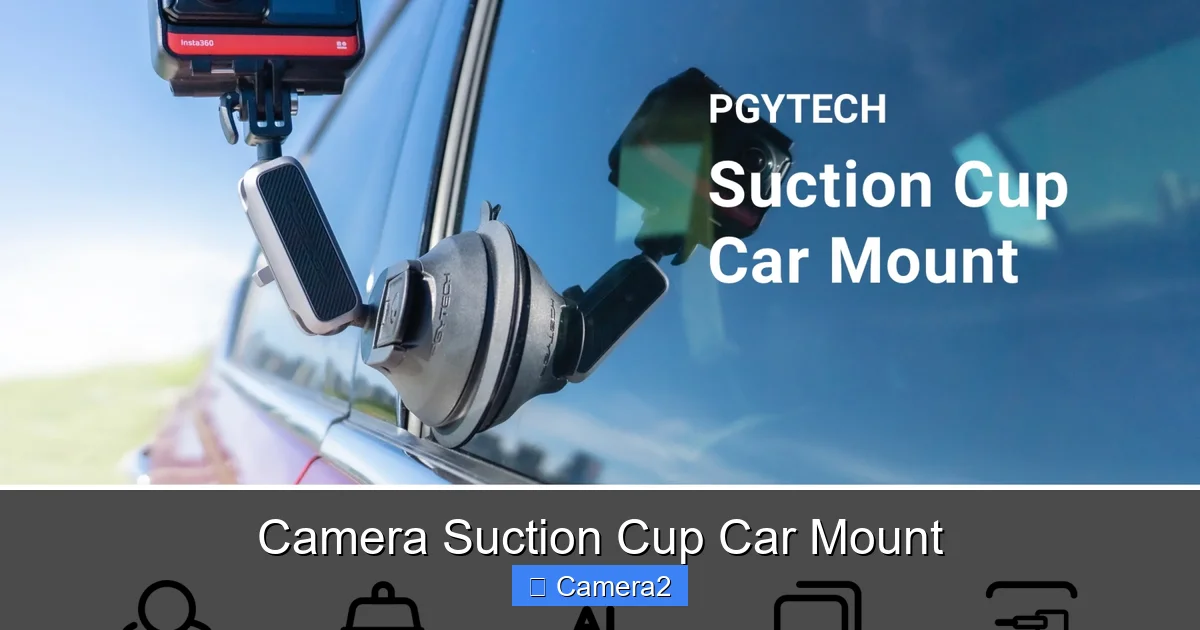
- Load capacity: Most mounts hold up to 200 g, enough for most dash cams and smartphones.
- Adjustable arm: A ball‑joint or telescopic arm lets you angle the camera for the perfect view.
- Locking mechanism: Look for a double‑lock system—one that secures the cup and another that locks the arm.
- Break‑away safety: In a collision, a break‑away cup will release to avoid shattering the windshield.
- Cable routing: Integrated clips or channels keep power cords tidy and out of the driver’s line of sight.
Top‑rated models (2024)
Below is a quick snapshot of three highly rated mounts that consistently earn five‑star reviews:
- Vansky Dual‑Suction Mount: Two suction cups for extra stability, 360° rotation, and a built‑in cable clip.
- iOttie Easy One Touch 4: One‑click release, magnetic quick‑release plate, and a reinforced silicone cup.
- Ram Mount X‑Grab: Heavy‑duty steel base, adjustable arm, and a patented break‑away design.
All three meet the essential safety and convenience criteria, but your final pick should match the size of your camera and the placement you prefer.
Installation Guide: From Box to Road in Five Minutes
Step 1 – Clean the surface
Use a lint‑free cloth and a glass cleaner (no ammonia) to wipe away dust, fingerprints, and oil. A clean surface is the foundation of strong suction.
Visual guide about Camera Suction Cup Car Mount
Image source: m.media-amazon.com
Step 2 – Warm the cup (optional)
If you’re installing on a cold morning, run the suction cup under warm water for a few seconds. The heat makes the rubber more pliable, improving the seal.
Step 3 – Position the mount
Place the cup where you want the camera to face. Most drivers prefer the lower‑right corner of the windshield for an unobstructed view. Make sure the arm can swing without hitting the steering wheel.
Step 4 – Press and lock
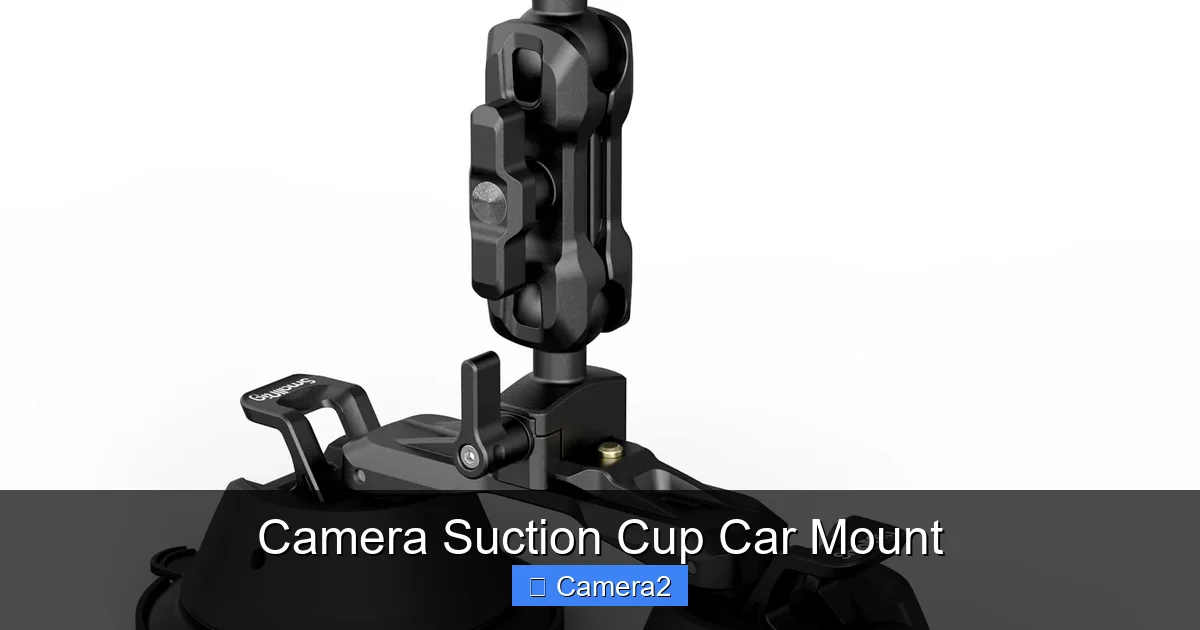
Press firmly until you feel the cup snap into place. Engage the lock lever (if present) to lock the cup’s position. A audible click means the vacuum is sealed.
Step 5 – Attach the camera
Slide your dash cam or phone onto the mounting plate. Adjust the angle with the ball joint, then tighten the knob to lock the view.
Step 6 – Route the power cable
Run the power cable along the edge of the windshield, using the built‑in clip or a simple zip tie. Plug the cable into the car’s 12 V socket or a USB adapter.
Pro tip:
If you plan to use the mount on a side window, test the suction on a small area first. Side glass is often curved, which can reduce the seal.
Best Places to Mount Your Camera
Windshield vs. dashboard
The windshield offers the clearest view of the road ahead, but some states have regulations about obstructing the driver’s line of sight. A low‑profile mount on the upper‑right corner usually complies with most laws. The dashboard is an alternative, though it may capture a slightly angled view.
Legal considerations
Check local guidelines before you install. For example, Where Can I Mount A Car Camera In California outlines state‑specific rules that can help you avoid fines.
Special situations
- Rideshare drivers: Place the camera near the rearview mirror for a full cabin view.
- Off‑road adventures: Use a mount with a rugged, break‑away cup to survive bumps.
- Night driving: Choose a mount with a built‑in anti‑glare shield to keep headlights from washing out the footage.
Maintaining Your Suction Cup Mount
Regular cleaning
Every two weeks, wipe the cup with a damp cloth and mild soap. Dry it thoroughly before re‑attaching. This removes grime that can weaken the seal.
Inspect for wear
Check the rubber for cracks, especially after extreme temperature changes. Replace the cup if you notice any signs of deterioration.
Seasonal adjustments
In winter, cold can make the cup less flexible. Warm it with a hair dryer for a few seconds before re‑installing. In summer, keep the cup out of direct sunlight when the car is parked; UV can degrade the material over time.
Frequently Asked Questions About Camera Suction Cup Car Mounts
Can I use a suction cup mount on a tinted windshield?
Yes, but the tint can reduce suction strength. Clean the surface thoroughly and consider a dual‑suction model for extra grip.
Will the mount stay on during heavy rain?
High‑quality silicone cups maintain suction in wet conditions. However, it’s wise to check the mount after a storm to ensure it’s still secure.
Do dash cameras work when the car is off?
Most dash cams need power, but some have built‑in batteries that record for a short period after shutdown. See Do Dash Cameras Work When The Car Is Off for more details.
Can I mount the suction cup on a motorcycle?
Yes, many riders use suction mounts on their visor or helmet. For a detailed guide, read Mounting A Camera On A Motorcycle.
Is a break‑away cup safe in a crash?
Break‑away cups are designed to release under high impact, reducing the risk of windshield shatter. Look for models that meet automotive safety standards.
How do I prevent the camera from fogging?
Place the mount slightly below the windshield’s top edge and use a small anti‑fog spray on the glass. This keeps the lens clear in cold weather.
Conclusion: Your Road‑Ready Companion
A camera suction cup car mount is more than a convenience—it’s a safety tool that protects your equipment and ensures reliable footage when you need it most. By choosing a mount with strong suction, a secure locking system, and thoughtful cable management, you’ll enjoy hassle‑free installation and peace of mind on every drive.
Remember to clean the cup regularly, inspect for wear, and respect local mounting regulations. With the right care, your mount will stay glued to the glass for years, capturing every mile in crisp, steady detail. Happy driving, and may your videos be as smooth as your ride!
Frequently Asked Questions
Can I use a suction cup mount on a tinted windshield?
Yes, but the tint can reduce suction strength. Clean the surface thoroughly and consider a dual‑suction model for extra grip.
Will the mount stay on during heavy rain?
High‑quality silicone cups maintain suction in wet conditions. However, it’s wise to check the mount after a storm to ensure it’s still secure.
Do dash cameras work when the car is off?
Most dash cams need power, but some have built‑in batteries that record for a short period after shutdown. See Do Dash Cameras Work When The Car Is Off for more details.
Can I mount the suction cup on a motorcycle?
Yes, many riders use suction mounts on their visor or helmet. For a detailed guide, read Mounting A Camera On A Motorcycle.
Is a break‑away cup safe in a crash?
Break‑away cups are designed to release under high impact, reducing the risk of windshield shatter. Look for models that meet automotive safety standards.
How do I prevent the camera from fogging?
Place the mount slightly below the windshield’s top edge and use a small anti‑fog spray on the glass. This keeps the lens clear in cold weather.