Cubase 7 System Requirements
Cubase 7 is a powerful DAW from Steinberg that demands solid hardware to run well. You need a compatible operating system, a multi-core processor, at least 4 GB of RAM, and sufficient disk space. Meeting these Cubase 7 system requirements ensures stable audio performance and avoids frustrating crashes.
If you are planning to install Cubase 7, the first thing you should do is check the Cubase 7 system requirements. Running music production software on hardware that does not meet the minimum specs can lead to crashes, audio dropouts, and a lot of frustration. This guide breaks down every requirement you need to know, so you can set up your studio with confidence.
Steinberg Cubase 7 has been a favorite among music producers for years. It offers a rich set of tools for composing, recording, mixing, and mastering. But all that power comes with demands on your computer. Whether you are building a new PC or upgrading an existing one, understanding these requirements is the first step toward a smooth workflow.
Key Takeaways
- Operating System: Cubase 7 works on Windows 7 and macOS 10.6 or later.
- Processor: A multi-core CPU with 2 GHz or higher is essential for smooth performance.
- RAM: At least 4 GB is required, but 8 GB or more is strongly recommended.
- Storage: You need around 20 GB of free space for a basic installation.
- Audio Interface: A compatible sound card or external audio interface improves audio quality significantly.
- GPU: A dedicated graphics card helps with the visual workflow and large project handling.
- Cooling: Proper cooling prevents thermal throttling during long sessions.
📑 Table of Contents
Operating System Requirements
The operating system is the foundation of any DAW setup. Cubase 7 supports both Windows and macOS, but you need the right version. On the Windows side, the software works with Windows 7 and later versions. If you are on a Mac, you need macOS 10.6 Snow Leopard or newer.
Using an outdated or unsupported operating system can cause compatibility issues. Steinberg has optimized Cubase 7 to work well on these platforms, so stick with them. If you are unsure about your current OS, you can check your system settings easily. Keeping your operating system updated also helps with security and stability.
Some users wonder about 32-bit versus 64-bit support. Cubase 7 is a 64-bit application, which means it can access more RAM and handle larger projects. Make sure your operating system is running in 64-bit mode to get the full benefit. This is especially important if you plan to work with large orchestral templates or complex mixes.
Processor and CPU Requirements
The processor is the brain of your music production setup. Cubase 7 requires a multi-core processor running at 2 GHz or faster. The recommended setup is an Intel Core i5 or better. A stronger CPU allows you to run more virtual instruments and effects plugins without any hiccups.
When choosing a processor, focus on both core count and clock speed. More cores help with parallel processing tasks, while higher clock speeds improve single-threaded performance. Both matter in a DAW environment. For example, when you are running a complex mix with dozens of plugins, the CPU handles the real-time audio processing.
Why CPU Matters for Cubase 7
Audio processing is CPU-intensive. Every virtual instrument, effect plugin, and audio track draws processing power from the CPU. If your processor is too weak, you will experience audio glitches and high latency. This kills your creative flow and wastes valuable studio time.
Modern CPUs from Intel and AMD both work well with Cubase 7. If you are using an AMD processor, consider pairing it with a best CPU cooler for Ryzen 7 to keep temperatures in check during long sessions. Good cooling extends the life of your hardware and keeps performance consistent.
Here are some processor tips for Cubase 7 users:
- Choose a CPU with at least 4 cores for comfortable workflow.
- Higher clock speeds reduce latency during recording.
- Avoid running background applications while producing music.
- Consider an external cooling system for PC if you push your processor hard.
RAM and Memory Requirements
Cubase 7 lists 4 GB of RAM as the minimum requirement. However, this is the bare minimum. In practice, you should aim for 8 GB or more. Music production software eats up memory fast, especially when you load multiple virtual instruments and audio tracks.
RAM affects how many tracks and plugins you can run simultaneously. With only 4 GB, you will find yourself constantly freezing and bouncing tracks. This slows down your workflow and limits your creativity. 8 GB gives you comfortable headroom, while 16 GB or more lets you work on large projects without worry.
Here is a quick look at how RAM impacts your Cubase 7 experience:
- 4 GB (Minimum): Basic projects with few tracks and plugins.
- 8 GB (Recommended): Comfortable for most music production tasks.
- 16 GB+ (Ideal): Handles large orchestral and multi-track projects with ease.
Keep in mind that the operating system and other applications also use RAM. If you have 8 GB total and Windows is using 3 GB, Cubase 7 only has 5 GB left to work with. This is why more RAM is always better.
Storage and Disk Space
You need at least 20 GB of free disk space for a basic Cubase 7 installation. This covers the program files and essential content. However, if you plan to store large sample libraries, audio recordings, and project files, you will need significantly more space.
Storage speed also matters. Using a solid-state drive (SSD) for your operating system and Cubase 7 installation dramatically improves load times and responsiveness. You can use a secondary hard drive for storing audio files and samples. This separation keeps your system running smoothly.
Here are some storage tips for Cubase 7 users:
- Install Cubase 7 on an SSD for faster load times.
- Use a separate HDD for sample libraries and audio files.
- Keep at least 20% of your drive free for optimal performance.
- Consider external storage for archiving finished projects.
Graphics and Display Requirements
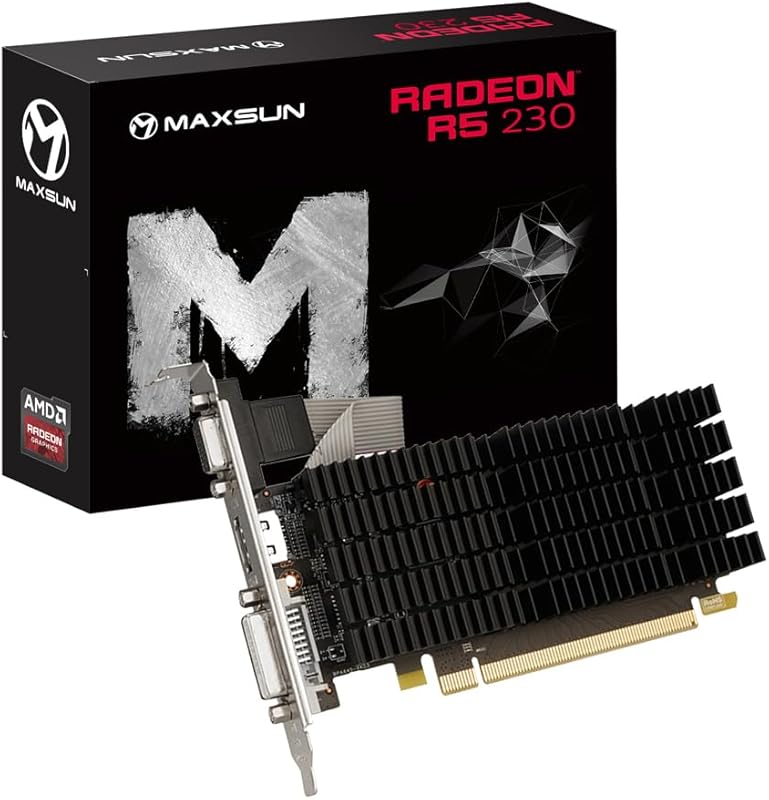
Cubase 7 does not demand a top-tier graphics card, but a dedicated GPU helps. The software uses hardware acceleration for its user interface and video playback features. A basic dedicated graphics card with at least 1 GB of VRAM is sufficient.
If you are using integrated graphics, Cubase 7 will still work. However, you may notice slower UI response when working with large projects or video tracks. A dedicated GPU makes the visual experience smoother and more enjoyable.
Your monitor resolution also plays a role. Cubase 7 supports high-resolution displays, which means you can fit more tracks and panels on screen. A larger monitor or a dual-monitor setup is highly recommended for music production. It gives you more workspace and reduces the need to constantly scroll and resize windows.
Audio Interface and Sound Card
While Cubase 7 comes with built-in audio drivers, using a dedicated audio interface is highly recommended. A quality sound card reduces latency and improves audio fidelity. This is especially important when recording live instruments or vocals.
Most modern audio interfaces are plug-and-play with Cubase 7. They connect via USB or Thunderbolt and provide professional-grade preamps and converters. Some popular options include interfaces from Focusrite, Steinberg, and Universal Audio.
Here is what to look for in an audio interface for Cubase 7:
- Low latency performance for real-time monitoring.
- At least 2 inputs for recording instruments or vocals.
- Compatibility with ASIO drivers for Windows.
- Good preamp quality for clean recordings.
Common Mistakes When Meeting System Requirements
Many users skip the fine print when checking system requirements. They assume their PC will work fine, only to run into problems later. One common mistake is ignoring the difference between minimum and recommended specs. The minimum requirements let you run the software, but they do not guarantee a smooth experience.
Another mistake is neglecting cooling and thermal management. When your CPU runs hot, it throttles its performance. This directly impacts audio processing and can cause dropouts during recording. Investing in a good cooling system for PC solves this problem and keeps your hardware running at peak performance.
Some users also overlook the importance of a stable power supply. Inconsistent power can cause crashes and data loss. Make sure your power supply unit (PSU) can handle all your components, especially if you are running a high-performance CPU and GPU.
Finally, do not underestimate the role of your operating system. Running an unsupported or heavily outdated OS can lead to driver conflicts and instability. Keep your system updated and make sure it meets the compatibility requirements listed by Steinberg.
Expert Tips for Optimizing Cubase 7 Performance
Once you have met the Cubase 7 system requirements, you can take extra steps to optimize performance. First, close all unnecessary background applications before launching Cubase. This frees up CPU and RAM for the DAW. Second, adjust your audio buffer size in the settings. A lower buffer reduces latency but increases CPU load. Find the sweet spot that works for your workflow.
Third, keep your drivers updated. Outdated audio drivers are a leading cause of crashes and glitches. Steinberg provides ASIO drivers, and most audio interface manufacturers offer their own optimized versions. Fourth, use the offline bounce feature for heavy processing tasks. This frees up real-time CPU resources and speeds up your workflow.
These small tweaks can make a big difference. They help you get the most out of your hardware and keep Cubase 7 running like a well-oiled machine.
Final Thoughts
Meeting the Cubase 7 system requirements is not just about checking boxes. It is about creating a reliable and efficient music production environment. From your operating system to your CPU, RAM, storage, and audio interface, every component plays a role.
Take the time to review each requirement carefully. Upgrade the parts that fall short, and you will notice an immediate improvement in stability and performance. A well-configured system lets you focus on what truly matters: making music.
Whether you are a beginner or an experienced producer, Cubase 7 offers a professional-grade platform for audio creation. With the right hardware behind it, the possibilities are truly endless.
Frequently Asked Questions
Can I run Cubase 7 on Windows 10?
Yes, Cubase 7 is compatible with Windows 7 and later versions, which includes Windows 10. Make sure you install the latest updates and drivers for the best experience.
Is 4 GB of RAM enough for Cubase 7?
4 GB is the minimum requirement, but it is not enough for comfortable use. You will struggle with large projects and multiple plugins. Aim for at least 8 GB for a smooth workflow.
Do I need a dedicated graphics card for Cubase 7?
A dedicated GPU is not strictly required, but it helps with UI responsiveness and video playback. A basic card with 1 GB of VRAM is sufficient for most users.
What is the best processor for Cubase 7?
An Intel Core i5 or better is recommended. Multi-core processors with higher clock speeds deliver the best performance for audio production in Cubase 7.
Can I use Cubase 7 on a laptop?
Yes, Cubase 7 runs on laptops that meet the system requirements. Just make sure your laptop has adequate cooling, as sustained audio processing can generate significant heat.
How much disk space does Cubase 7 need?
A basic installation requires around 20 GB of free space. If you plan to store large sample libraries and project files, you should allocate significantly more storage.