How Many Pictures in a Disposable Camera
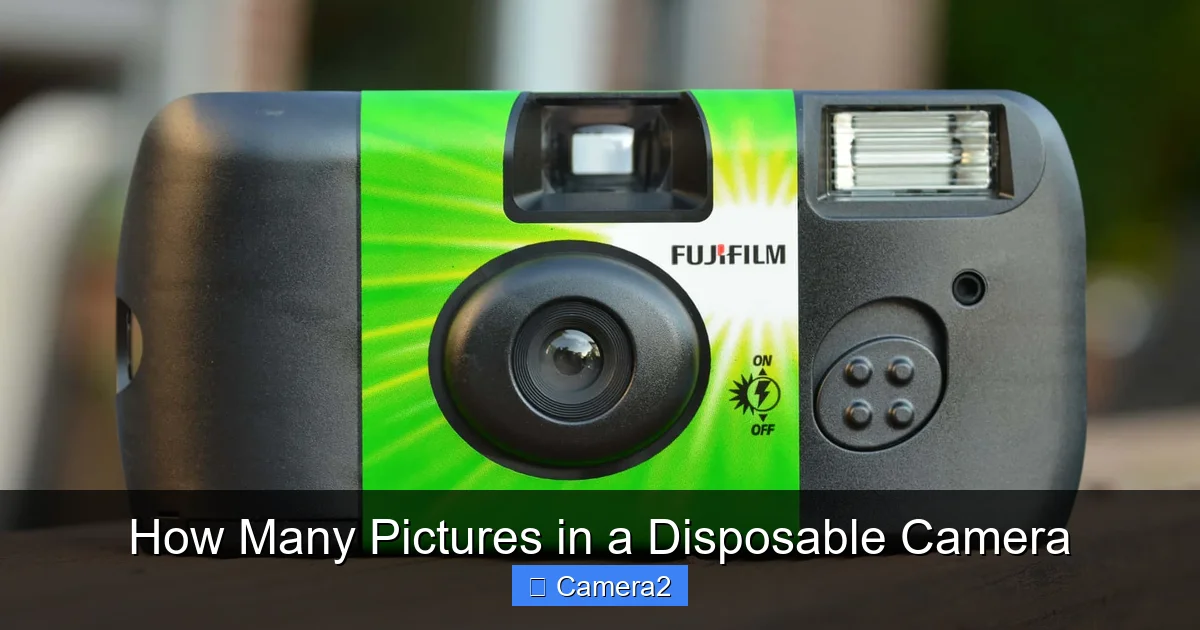
Wondering how many pictures you can take with a disposable camera? Most single‑use film packs hold 24 or 27 exposures, but the real number you’ll get depends on the brand, film type, and how you shoot. Read on for a friendly guide that breaks down the count, saves you money, and helps you snap your best memories.
Key Takeaways
- Standard exposure count: Most disposable cameras come with either 24 or 27 shots.
- Brand differences: Fuji, Kodak, and Ilford each have slightly different frame counts and film formats.
- Unused frames: Improper loading or light leaks can reduce the usable picture total.
- Maximizing shots: Use steady hands, avoid double‑exposing, and keep the camera away from bright light.
- Film longevity: Proper storage can keep your images sharp for decades (learn more).
- Cost‑per‑photo: Calculating the true cost per picture helps you decide if a disposable camera is worth it.
- Environmental tip: Recycle the camera body after processing to reduce waste.
📑 Table of Contents
- Introduction: The Charm of a One‑Time Camera
- 1. What Determines the Number of Pictures?
- 2. Typical Exposure Counts Across Popular Models
- 3. How to Maximize Every Shot
- 4. Calculating the True Cost per Photo
- 5. Environmental Considerations and Recycling
- 6. Frequently Overlooked Questions
- Conclusion: Making Every Click Count
Introduction: The Charm of a One‑Time Camera
There’s something nostalgic about snapping a picture with a disposable camera. No menus, no battery warnings, just a click and a flash that instantly feels retro. Whether you’re at a summer picnic, a weekend road trip, or a night out with friends, the question that pops up every time you hand the camera to someone is the same: how many pictures in a disposable camera can I actually take?
Answering that question isn’t just about the number printed on the box. It involves understanding film size, brand quirks, and even how you handle the camera. In this guide we’ll walk through everything you need to know, from the basics of exposure counts to practical tips that squeeze every last frame out of your roll.
1. What Determines the Number of Pictures?
Film format and frame size
Disposable cameras most commonly use 35mm film, the same format found in many interchangeable‑lens cameras. The film strip is 36mm wide and typically holds 24 or 27 exposures. Some specialty disposables use 110 film, which is smaller and usually limited to 12 or 24 shots.
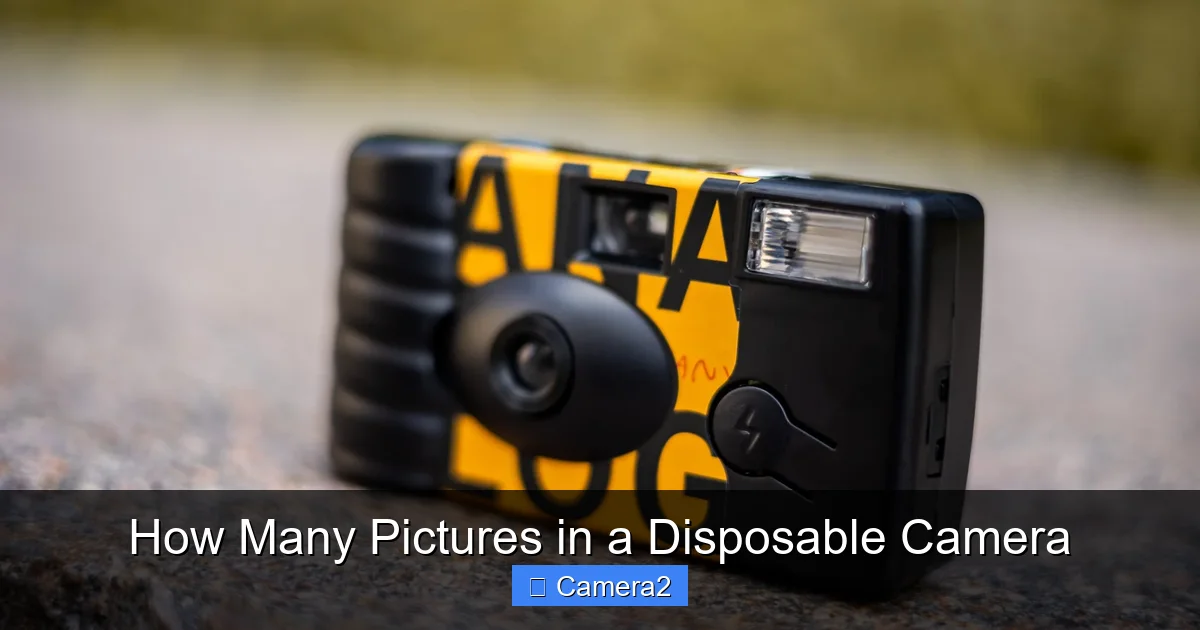
Visual guide about How Many Pictures in a Disposable Camera
Image source: sd-memory-cards.net
Brand variations
Major brands like Fuji, Kodak, and Ilford each have their own “standard” count:
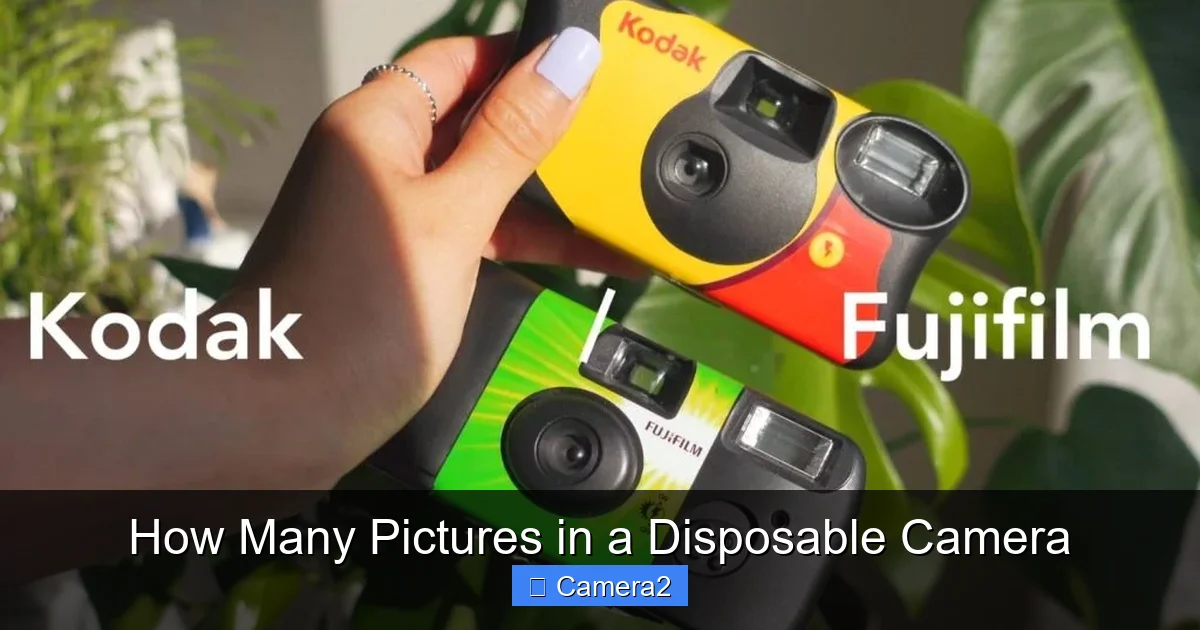
- Kodak FunSaver: 27 exposures (35mm)
- Fuji QuickSnap: 24 exposures (35mm)
- Ilford Classic: 24 exposures (35mm)
These numbers are printed on the packaging, but they are best‑case scenarios. Real‑world factors can shave a few frames off.
Loading and processing losses
When the film is loaded at the factory, a tiny amount of light can expose the first frame, making it unusable. Additionally, if the camera is dropped or the film is not rewound correctly, you might lose another exposure or two. That’s why you sometimes hear people say they got “22 out of 24” pictures.
2. Typical Exposure Counts Across Popular Models
Kodak disposable cameras
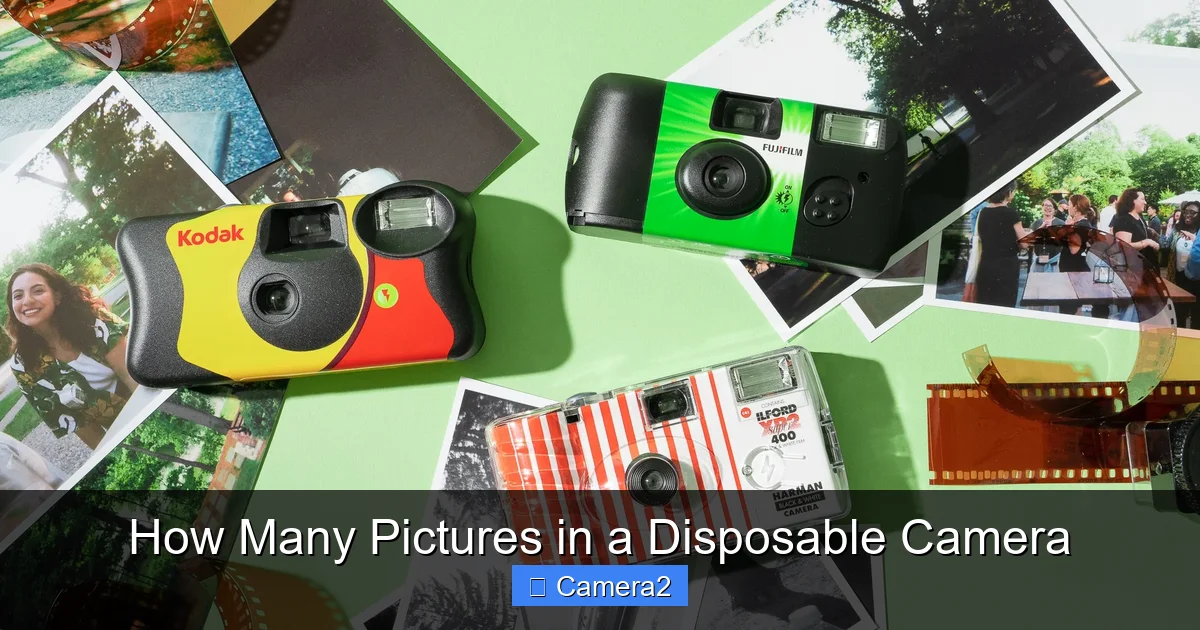
Kodak’s most popular model, the FunSaver, houses a 27‑exposure roll. The extra three frames are a marketing perk, but many users report getting 24–26 usable shots after accounting for loading loss.
Visual guide about How Many Pictures in a Disposable Camera
Image source: cdn.thewirecutter.com
Fuji disposable cameras
Fuji’s QuickSnap series sticks to 24 exposures. The film is loaded in a sealed cartridge, which reduces the chance of a “blank first frame.” Most users end up with 23–24 good photos.
Ilford and other niche brands
Ilford’s Classic disposables also carry 24 frames, but they use higher‑grade film (ISO 400). This can be an advantage in low‑light situations, though the frame count remains the same.
Specialty and novelty disposables
Some novelty cameras (e.g., “shutterbug” or “toy” versions) use 110 film with only 12 exposures. If you’re buying a novelty item for a party, double‑check the specifications before you hand it to a friend.
3. How to Maximize Every Shot
Steady hands and proper framing
Because you can’t review images on the spot, make each click count. Hold the camera with both hands, brace your elbows, and take a moment to compose the frame before pressing the shutter.
Visual guide about How Many Pictures in a Disposable Camera
Image source: culturedkiwi.com
Avoid double‑exposures
Disposable cameras have a simple mechanical shutter. If you press the button too quickly after a flash, the next frame may start before the film has fully advanced, resulting in a double exposure. Wait at least two seconds between shots.
Mind the flash range
The built‑in flash is designed for subjects 3–10 feet away. Getting too close can overexpose, while being too far can leave the picture dark. Use natural light whenever possible to save flash for low‑light moments.
Keep the camera away from bright light
Even though the film is sealed, the body isn’t completely light‑tight. If you leave the camera open in direct sunlight for an extended period, you may fog the film and lose frames. Store it in a pocket or bag when not shooting.
Tip: Use a simple “count‑down” method
Mark a small dot on the back of the camera with a pen after each shot. When you reach the last dot, you’ll know the roll is empty, preventing you from wasting the final frames.
4. Calculating the True Cost per Photo
Base price vs. usable images
Let’s say a disposable camera costs $8 and you get 24 usable pictures. That’s roughly $0.33 per photo. If you only manage 20 usable shots because of mishandling, the cost jumps to $0.40 per picture.
Comparing to digital alternatives
Smartphone photos are “free” after the device purchase, but they can incur storage fees or battery wear. Disposable cameras offer a tangible, no‑post‑processing experience, which many people value for events where “instant nostalgia” matters.
When does a disposable make sense?
- One‑time events where you don’t want to bring a pricey DSLR.
- Kids’ parties—no risk of breaking an expensive camera.
- Travel to places with limited electricity (no need to charge batteries).
5. Environmental Considerations and Recycling
What happens after you develop the film?
Most photo labs will recycle the metal and plastic components of the camera body. Some retailers even offer take‑back programs. Check your local waste‑management guidelines.
Extending film life
If you don’t plan to develop the film immediately, store the camera in a cool, dry place. Avoid extreme temperatures, which can degrade the emulsion. For more on film preservation, see our article on how long film lasts in a film camera.
Choosing eco‑friendly options
Some brands now offer “recyclable” disposables made from biodegradable plastics. While they may cost a bit more, they reduce landfill waste.
6. Frequently Overlooked Questions
Can I reuse a disposable camera?
Technically, you could reload the film, but the shutter mechanism isn’t designed for multiple loads, and the risk of light leaks is high. It’s more hassle than it’s worth.
What if I run out of frames early?
Most disposables have a “frame counter” that clicks down with each shot. If the counter stops before the advertised number, the film may have been partially exposed during loading. In that case, you can still develop the film; the lab will process whatever frames are left.
Do different ISO ratings affect the number of pictures?
No. ISO (film speed) influences exposure sensitivity, not the count of frames. Whether the film is ISO 400 or ISO 800, the roll still holds the same number of exposures.
Conclusion: Making Every Click Count
So, how many pictures in a disposable camera can you expect? In most cases, 24 or 27 usable shots, depending on the brand and a few practical factors. By understanding the mechanics, handling the camera gently, and storing it properly, you can get the maximum number of clear, memorable photos from each roll.
Whether you’re documenting a family reunion, a summer beach day, or a spontaneous road trip, disposable cameras give you a simple, fun way to capture moments without the distraction of screens. Keep the tips above in mind, calculate your cost per photo, and enjoy the nostalgic charm of each flash‑filled frame.
Frequently Asked Questions
How many pictures does a standard disposable camera hold?
Most standard disposable cameras hold 24 or 27 exposures, depending on the brand and film format.
Can I get more than the advertised number of shots?
Usually not. The advertised count is the maximum; loading losses or light leaks can only reduce the total.
What should I do if my disposable camera’s frame counter stops early?
Take the camera to a lab; they will develop whatever frames remain. The early stop often means the first frame was exposed during loading.
Is it worth using a disposable camera for a wedding?
It can be a fun, low‑cost addition for guests to capture candid moments, but for key shots you’ll likely want a higher‑resolution, interchangeable‑lens camera.
How can I store a disposable camera before developing?
Keep it in a cool, dry place away from direct sunlight. This helps preserve the film’s quality until you’re ready to develop.
Do disposable cameras work in extreme cold?
Film can become brittle in very cold temperatures, which may cause the camera to jam. It’s best to keep the camera at room temperature before shooting.