Is 8gb of Ram Good for a Laptop
8GB of RAM is the sweet spot for most everyday laptop users. It handles web browsing, office work, and light creative tasks with ease. However, heavy users like gamers and video editors may need more. Let us break down exactly what 8GB RAM can and cannot do for your laptop.
Is 8GB of RAM good for a laptop? This is one of the most common questions people ask when buying or upgrading a laptop. The short answer is yes, 8GB of RAM is good for most users. But the full answer depends on what you do with your laptop every day.
RAM, or Random Access Memory, is like your laptop’s short-term memory. It holds the data your computer needs right now. When you open a browser, a document, or a game, it all lives in RAM. More RAM means your laptop can juggle more tasks at once without slowing down. 8GB of RAM has been the standard for years, and it still works well for many people today.
In this guide, we will cover everything you need to know about 8GB RAM. We will look at who it works best for, what it struggles with, and when you should think about upgrading. By the end, you will know exactly whether 8GB meets your needs.
Key Takeaways
- 8GB RAM is ideal for: everyday tasks like browsing, emailing, and office work.
- 8GB RAM struggles with: heavy gaming, 4K video editing, and running multiple demanding apps.
- DDR4 vs DDR5 matters: the type of RAM affects overall performance even at 8GB.
- Upgradeable laptops: many models let you add more RAM later if needed.
- Check your usage: monitoring RAM usage helps you decide if 8GB is enough for your needs.
- Future-proofing: 16GB is becoming the new standard for long-term use.
📑 Table of Contents
What Does 8GB RAM Mean for Your Laptop?
Before we dive into specifics, let us understand what 8GB of RAM actually means in real-world use. Your laptop uses RAM to keep active programs running. When you close a program, it frees up that memory. When you run out of RAM, your laptop starts using your hard drive as backup. This slows everything down dramatically.
With 8GB of RAM, your laptop can comfortably run several applications at the same time. You can have a web browser with many tabs open, a word processor, and some background apps running smoothly. This is more than enough for students, office workers, and casual users.
Who Benefits Most from 8GB RAM?
Not everyone needs the same amount of memory. Here is a quick look at who gets the most out of 8GB:
- Students: Research, writing papers, and streaming lectures work great on 8GB.
- Office Workers: Spreadsheets, emails, and video calls run without issues.
- Casual Users: Social media, light browsing, and streaming videos are no problem.
- Web Developers: Basic coding and testing websites work well with 8GB.
- Photo Editors: Light photo editing in programs like Photoshop is manageable.
If you fall into any of these categories, 8GB of RAM is good for a laptop and will serve you well. You will not notice performance issues in your daily workflow.
What Can You Do with 8GB of RAM?
Let us get practical. What can you actually do on a laptop with 8GB of RAM? The answer is quite a lot. Most people use their laptops for a mix of tasks throughout the day, and 8GB handles this mix nicely.
Everyday Productivity Tasks
For everyday productivity, 8GB is more than enough. You can run Microsoft Office or Google Docs with multiple documents open. You can browse the web with 10 to 15 tabs active. You can join video calls on Zoom or Teams while having other apps running in the background.
Many users find that 8GB RAM laptops feel fast and responsive for their daily work. The key is to avoid opening too many heavy applications at the same time. If you stick to a reasonable number of programs, your laptop will feel snappy.
Light Creative Work
Creative professionals who work with light tasks also do well on 8GB. If you edit photos in Lightroom or work with basic video projects in iMovie or Premiere Rush, 8GB handles these tasks fine. You may need to close other apps while editing, but the work itself runs smoothly.
For those just starting in creative fields, an 8GB laptop is a great place to begin. You can learn the tools and build your skills without spending extra money on higher specs.
Gaming on 8GB RAM
Can you game on 8GB of RAM? Yes, but with some limits. Many popular games run well on 8GB, especially older titles and indie games. Games like Minecraft, Fortnite, and League of Legends perform well at medium to high settings.
However, newer AAA games that demand more memory may struggle. You might experience longer load times or lower frame rates. If gaming is your main priority, you should check the system requirements of the games you want to play. Some modern games recommend 16GB of RAM for the best experience.
When Is 8GB RAM Not Enough?
While 8GB works great for many users, there are situations where it falls short. Understanding these limitations helps you make a smart buying decision.
Heavy Multitasking
If you regularly run many demanding apps at once, 8GB may feel tight. Imagine having 20 browser tabs open, a video call running, a large spreadsheet, and a music app all at the same time. Your laptop will start to slow down as it runs out of memory.
Heavy multitaskers should consider 16GB of RAM instead. This gives you much more breathing room and keeps your laptop responsive even under heavy workloads.
Video Editing and 3D Rendering
Video editing is one of the most RAM-hungry tasks. If you edit 4K video or work with complex timelines in DaVinci Resolve or Premiere Pro, 8GB will hold you back. You will experience lag, slow previews, and long export times.
Professional video editors and 3D artists need at least 16GB, and often 32GB or more. If this is your workflow, investing in more RAM from the start saves you frustration later.
Modern Gaming Requirements
As games become more advanced, their RAM requirements grow. Many modern AAA titles list 16GB as the recommended amount. While 8GB may let you launch these games, you will likely face performance issues.
If you want to play the latest games at high settings and smooth frame rates, upgrading to 16GB makes a big difference. This is especially true for open-world games and competitive shooters.
How Does 8GB RAM Compare to Other Options?
To understand where 8GB fits, it helps to compare it with other RAM sizes. Here is a simple breakdown:
| RAM Amount | Best For | Performance Level |
|---|---|---|
| 4GB | Very basic tasks, older laptops | Limited |
| 8GB | Everyday use, students, office work | Good |
| 16GB | Gaming, creative work, heavy multitasking | Excellent |
| 32GB+ | Professional workstations, 4K editing | Top-tier |
As you can see, 8GB sits in a solid middle ground. It is not the cheapest option, but it is not the most expensive either. For most people, it offers the best balance of cost and performance.
When comparing 8GB vs 16GB RAM, the difference is noticeable in demanding tasks. But for simple daily use, both feel very similar. The jump from 4GB to 8GB, however, is enormous. If you are currently on 4GB, upgrading to 8GB will transform your laptop experience.
Many users wonder whether they should start with 8GB and upgrade later, or go straight to 16GB. The answer depends on your budget and how long you plan to keep the laptop. 8GB of RAM is a smart starting point that will serve you well for years.
Can You Upgrade RAM on Your Laptop?
One of the best things about laptops is that many models allow RAM upgrades. This means you can start with 8GB and add more later if you need it. However, not all laptops are upgradeable, so check your model before buying.
How to Check if Your Laptop RAM Is Upgradeable
Start by checking your laptop’s specifications. Look for details about memory slots and whether the RAM is soldered. Some modern laptops have soldered RAM, which means you cannot upgrade them. Others have one or two free slots where you can add more memory modules.
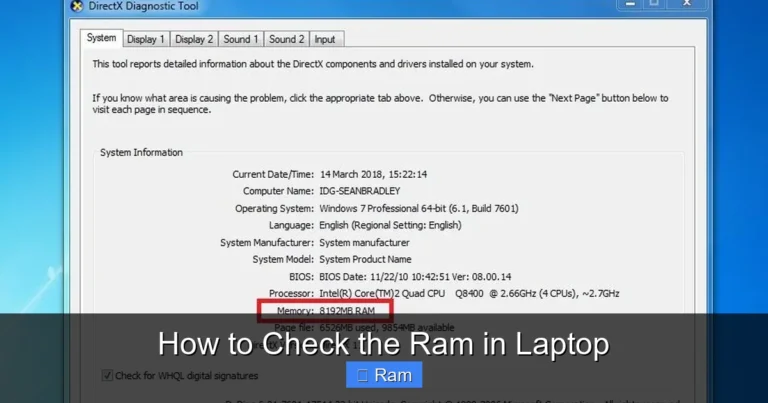
You can also use tools like Task Manager on Windows to check your current RAM usage. If you regularly see your memory maxed out, an upgrade will help. If your usage stays below 70%, 8GB is probably fine for now.
How to Add More RAM to a Laptop
If your laptop supports upgrades, adding RAM is straightforward. Here are the basic steps:
- Check your laptop manual for the right RAM type (DDR4 or DDR5).
- Purchase a compatible memory stick.
- Power off the laptop and unplug it.
- Open the back panel or access panel.
- Locate the RAM slot and gently insert the new stick.
- Close the panel and power on your laptop.
Always make sure you buy the right type of RAM for your laptop. Mixing different types or speeds can cause issues. When in doubt, check your laptop manufacturer’s recommendations.
Tips to Get the Most Out of 8GB RAM
If you are sticking with 8GB of RAM, there are several ways to maximize its performance. These simple tips keep your laptop running smoothly without needing an upgrade.
Close Unused Programs and Tabs
Every open program uses RAM, even when minimized. Get in the habit of closing apps you are not actively using. This frees up memory for the tasks that matter most. If you are a heavy browser user, try keeping fewer tabs open at once.
Disable Unnecessary Startup Programs
Many programs launch automatically when you start your laptop. These background apps eat up RAM before you even begin working. Go through your startup settings and disable anything you do not need right away. Your laptop will boot faster and have more free memory.
Use a Lightweight Browser
Some web browsers use more RAM than others. Google Chrome, for example, is known for heavy memory usage. Consider switching to a lighter browser like Microsoft Edge or Brave for everyday browsing. These browsers handle memory better and can make a noticeable difference on 8GB systems.
Keep Your System Updated
Operating system updates often include memory management improvements. Keeping your laptop updated ensures you get the best performance from your 8GB of RAM. Updates also fix bugs that can cause memory leaks and slow performance.
Add an SSD if You Do Not Have One
If your laptop still uses a traditional hard drive, upgrading to a solid-state drive (SSD) makes a huge difference. An SSD improves overall system speed and helps compensate for limited RAM. The combination of 8GB RAM and an SSD gives you a very responsive laptop experience.
Is 8GB RAM Enough Going Forward?
Technology keeps evolving, and so do software requirements. Apps and operating systems are becoming more demanding every year. Windows 11, for example, uses more memory than older versions. Web browsers are also getting heavier as websites become more complex.
So is 8GB of RAM future-proof? For the next year or two, yes. For the next five years, it depends on how you use your laptop. If you do light tasks, 8GB will likely remain sufficient. If you push your laptop hard, you may find yourself wanting more memory sooner.
The good news is that many laptops today come with upgradeable RAM. This gives you flexibility. You can start with 8GB and add more when your needs grow. This approach saves money and lets you scale your setup over time.
For most buyers, 8GB of RAM in a laptop represents the best value today. It covers the needs of the majority of users without overspending. Only if you have very specific heavy workloads should you jump straight to 16GB or more.
Final Thoughts
So, is 8GB of RAM good for a laptop? Absolutely. For the vast majority of users, 8GB hits the perfect balance between performance and price. Whether you are a student, a professional, or a casual user, 8GB of RAM will handle your daily tasks with ease.
The key is understanding your own needs. If you mostly browse the web, write documents, and stream content, 8GB is more than enough. If you game heavily, edit videos, or run complex software, you may want to look at 16GB options instead.
Remember that RAM is just one part of your laptop’s performance. A fast processor, a solid-state drive, and a good display all matter too. But when it comes to memory, 8GB remains the go-to choice for smart buyers in 2024 and beyond.
Take a moment to assess how you use your laptop today. If 8GB meets those needs, you are making a wise choice. And if you ever outgrow it, most laptops let you upgrade down the road. That flexibility makes 8GB a smart starting point for almost anyone.
Frequently Asked Questions
Is 8GB RAM enough for a laptop in 2024?
Yes, 8GB RAM is still enough for most laptop users in 2024. It handles everyday tasks like browsing, office work, and streaming very well. However, if you do heavy gaming or video editing, you may want to consider 16GB instead.
Can I upgrade from 8GB to 16GB RAM later?
Many laptops allow RAM upgrades, but not all of them do. Check your laptop’s specifications to see if it has an extra RAM slot. If it does, adding another 8GB stick to go from 8GB to 16GB is usually simple and affordable.
What happens when 8GB RAM is full?
When your 8GB of RAM fills up, your laptop starts using your storage drive as temporary memory. This is called virtual memory, and it is much slower than real RAM. You will notice your laptop becomes sluggish and programs take longer to respond.
Is 8GB RAM good for gaming on a laptop?
8GB RAM is good for casual and older games. Many popular titles run well at medium settings. However, newer AAA games often recommend 16GB for the best performance. If you are a serious gamer, 16GB will give you a smoother experience.
How long will 8GB RAM last for a laptop?
For light to moderate users, 8GB RAM can last 3 to 5 years without issues. The lifespan depends on what you use your laptop for and how software demands grow over time. Keeping your system optimized helps extend the useful life of 8GB RAM.
Does RAM speed matter if I have 8GB?
Yes, RAM speed does matter even with 8GB. Faster RAM (measured in MHz) can improve performance in some tasks, especially gaming and data processing. However, the difference is not as dramatic as going from 8GB to 16GB in terms of capacity.