Is Cat5 Same as Hdmi

Cat5 and HDMI are not the same. A Cat5 cable handles network data for internet connections, while an HDMI cable transmits high-definition audio and video to your display. They serve completely different purposes, use different connectors, and operate on different signal types. Understanding this difference saves you time, money, and frustration.
Key Takeaways
- Cat5 cables are for networking: They connect devices to local networks and the internet, not to displays.
- HDMI cables carry audio and video: They deliver high-definition content from source devices to TVs, monitors, and projectors.
- They use different connectors: Cat5 uses RJ45 plugs, while HDMI uses a flat, rectangular connector.
- You cannot substitute one for the other: Plugging a Cat5 cable into an HDMI port will not work without an adapter.
- Speed and bandwidth differ greatly: HDMI supports much higher data rates for video, while Cat5 handles network data at lower speeds.
- Choose based on your need: Use Cat5 for internet and network access, and HDMI for audio and video output.
📑 Table of Contents
What Is a Cat5 Cable?
A Cat5 cable is a type of Ethernet cable used for networking. It connects computers, routers, switches, and other devices to a local network or the internet. You have probably seen one before. It looks like a thick phone cord with a small, square plastic plug on each end.
The “Cat5” stands for Category 5. It is an older standard, but many people still use it today. The cable contains four twisted pairs of copper wires inside a protective outer sheath. These twisted pairs help reduce interference and keep your network connection stable.
How Does Cat5 Work?
Cat5 cables transmit data using electrical signals over copper wires. The twisted pair design minimizes crosstalk, which is signal interference between the wires inside the cable. This design allows for reliable data transfer at speeds up to 100 Mbps at distances up to 100 meters.
The cable connects to devices using an RJ45 connector. This is the small, rectangular plug you push into an Ethernet port. It clicks into place and holds the connection secure. Most computers, routers, and smart TVs have Ethernet ports that accept this type of connector.
What Is Cat5 Used For?
People use Cat5 cables mainly for wired internet connections. They connect desktop computers to routers, link network switches together, and provide stable connections for gaming consoles and smart home devices. A wired connection is often faster and more reliable than Wi-Fi.
Here are common uses for Cat5 cables:
- Connecting a PC to a router for internet access
- Linking a network switch to multiple devices
- Providing a stable connection for online gaming
- Connecting smart TVs or streaming boxes to a network
- Setting up a home office with a wired network
It is important to know that Cat5 cables do not carry audio or video signals for displays. They only handle network data. If you want to connect your laptop to a TV screen, you need a different type of cable.
What Is an HDMI Cable?
An HDMI cable stands for High-Definition Multimedia Interface. It is the most common cable for connecting devices to displays. You use it to send high-definition video and audio from a source device to a screen. Think of your gaming console, Blu-ray player, or streaming stick connected to your TV.
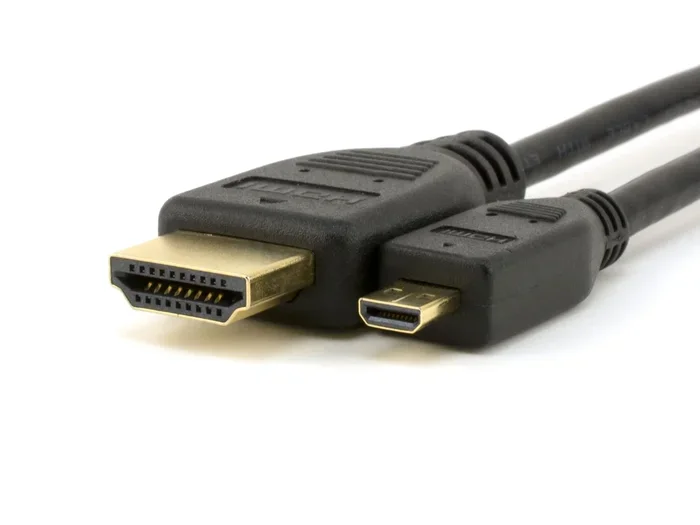
HDMI cables have a flat, trapezoidal connector. They are easy to spot and simple to plug in. There is only one right way to insert them, which makes them very user-friendly. Most modern TVs, monitors, and projectors come with multiple HDMI ports.
How Does HDMI Work?
HDMI cables transmit data digitally using a single cable. They carry both uncompressed video and compressed or uncompressed audio through the same line. This means you only need one cable to connect your device to your display. No extra audio cables are needed.
The cable supports very high data transfer rates. Modern HDMI versions can handle resolutions up to 4K and even 8K. The signal travels at extremely fast speeds, which is why HDMI is the standard for home entertainment systems. It delivers crisp, clear picture quality with surround sound.
What Is HDMI Used For?
HDMI cables are used for audio and video connections. They connect a wide range of devices to displays. Here are the most common uses:
- Connecting a gaming console to a TV
- Linking a laptop to an external monitor
- Hooking up a Blu-ray player or streaming device
- Connecting a soundbar or AV receiver to a TV
- Setting up a home theater projector
If you want the best picture and sound from your devices, HDMI is the way to go. It supports features like HDR, high refresh rates, and surround sound formats. No other cable type offers the same all-in-one convenience for display connections.
Key Differences Between Cat5 and HDMI
Now that you know what each cable does, let us look at the key differences. These two cables are not interchangeable. They serve different purposes and work in completely different ways.
Signal Type and Transmission
Cat5 cables use electrical signals to transmit network data. The signals travel through copper wires in a twisted pair arrangement. This is designed for data networking, not for sending video or audio to a screen.
HDMI cables use a digital signal protocol designed specifically for multimedia. They transmit both video and audio data simultaneously. The signal path inside an HDMI cable is completely different from what is inside a Cat5 cable. This is why you cannot use a Cat5 cable to connect your laptop to a TV.
Speed and Bandwidth Comparison
The speed difference between these two cable types is huge. Cat5 cables support up to 100 Mbps for network data. That is fine for browsing the web and streaming standard videos. But HDMI cables can handle speeds of up to 48 Gbps with the latest HDMI 2.1 standard.
To put this in perspective, the difference in speed is similar to comparing how much faster NVMe is than SSD storage. Both are fast, but one is designed for a completely different purpose. Cat5 handles network traffic, while HDMI handles multimedia content at much higher rates.
Audio and Video Capabilities
This is the biggest difference. HDMI cables carry both audio and video. A single HDMI cable can deliver 4K video with Dolby Atmos sound. Cat5 cables carry no audio or video at all. They only transmit network data packets between devices.
If you try to use a Cat5 cable for display purposes, it simply will not work. You need an HDMI cable or a dedicated display adapter to get picture and sound on your screen.
Can You Use Cat5 Instead of HDMI?
The short answer is no. You cannot plug a Cat5 cable into an HDMI port and expect it to work. The connectors are different sizes and shapes. The signal types are completely incompatible. But there are some workarounds worth knowing about.
Using Cat5 for Display Output
There are devices called HDMI extenders that use Cat5 cables to extend an HDMI signal over longer distances. These devices have an HDMI input on one end and an RJ45 Cat5 output on the other. On the display end, you use a receiver that converts the Cat5 signal back to HDMI. This is useful for running cables through walls or across large rooms.
However, this is not the same as saying Cat5 is the same as HDMI. The extender does the conversion work. Without it, a bare Cat5 cable cannot carry HDMI signals.
Adapters and Converters
If you need to connect a device with only an Ethernet port to a display, you will need an active converter. These converters take network data and turn it into a display signal. They are not simple cables. They are electronic devices that process and translate the signal. This adds cost and complexity to your setup.
For most people, the simplest solution is to just use the right cable for the right job. Use Cat5 for networking and HDMI for display connections.
Which Cable Should You Choose?
Choosing between Cat5 and HDMI depends entirely on what you are trying to do. Each cable has a clear purpose. Let us break it down by use case.
For Networking Needs
If you need a wired internet connection, reach for a Cat5 cable or a newer Cat5e or Cat6 variant. Plug one end into your router and the other into your device. You will get a fast, stable internet connection. This is the best choice for desktop PCs, smart TVs, and gaming consoles that support Ethernet.
A wired network connection is often more reliable than Wi-Fi. It reduces latency and provides consistent speeds. If you are into online gaming or video calls, a Cat5 Ethernet connection can make a noticeable difference.
For Home Theater Setup
If you are setting up a TV, projector, or monitor, you need an HDMI cable. It carries both the picture and the sound in one convenient cable. Look for an HDMI cable that supports the resolution and features you need. For 4K TVs, make sure you get an HDMI 2.0 or higher cable.
Some people also wonder about display quality and whether other factors matter. For example, if you are using an HDMI connection to a monitor, you might wonder about things like overclocking your monitor for smoother gameplay. That is a separate topic, but it is worth exploring if you want the best visual experience from your HDMI setup.
Common Mistakes People Make
Mixing up cables is a common and frustrating mistake. Here are some errors to avoid:
- Plugging a Cat5 cable into an HDMI port: It will not work. The connector shape and signal type are incompatible.
- Using a network cable for audio output: Cat5 cables do not carry audio signals to speakers or headphones.
- Assuming all cables are interchangeable: Different cables have different jobs. Always match the cable to the port and the purpose.
- Buying the wrong cable for your setup: Check your device ports before purchasing cables. Save yourself a return trip.
Taking a few extra minutes to identify the right cable can save you a lot of hassle. Keep a few spare HDMI cables and Ethernet cables on hand. You will always be ready for any setup need.
Expert Tips for Cable Management
Once you have the right cables, it helps to manage them well. Good cable management keeps your setup clean and prevents connection issues. Here are some simple tips:
- Label your cables so you know which one goes where
- Use cable ties or clips to keep wires organized
- Keep Cat5 Ethernet cables away from power cords to reduce interference
- Choose the right cable length. Too long creates slack. Too short limits placement
- Invest in quality cables from reputable brands for reliable performance
Good cable habits make a big difference over time. Your connections stay secure, your setup looks clean, and you avoid frustrating troubleshooting sessions.
The Bottom Line
Cat5 and HDMI cables are not the same. They serve completely different purposes and cannot be used interchangeably. A Cat5 cable is for networking and internet connections. An HDMI cable is for audio and video output to displays.
Understanding this difference helps you set up your devices correctly. It saves you money on unnecessary adapters. And it prevents the frustration of plugging the wrong cable into the wrong port. Always match your cable to your intended use, and your setup will work smoothly every time.
Next time you set up a new device, take a moment to check which port you need. Use a Cat5 cable for network access and an HDMI cable for display connections. Your devices will thank you for it.
Frequently Asked Questions
Can I use a Cat5 cable to connect my laptop to my TV?
No, you cannot. Cat5 cables only carry network data. To connect your laptop to a TV, you need an HDMI cable. HDMI carries both video and audio signals for display output.
Is Cat5 faster than HDMI for data transfer?
No, HDMI is much faster than Cat5 for data transfer. HDMI 2.1 supports speeds up to 48 Gbps, while Cat5 maxes out at 100 Mbps. They measure different types of data, but HDMI handles far more bandwidth.
Can I buy an adapter to convert Cat5 to HDMI?
Yes, you can buy HDMI extenders that use Cat5 cable to carry an HDMI signal over longer distances. However, you need an active converter device. A bare Cat5 cable alone cannot replace an HDMI cable.
What is the main purpose of a Cat5 cable?
The main purpose of a Cat5 cable is to provide a wired network connection. It connects devices like computers, routers, and smart TVs to a local network or the internet for data transfer.
Do HDMI cables carry sound?
Yes, HDMI cables carry both audio and video through a single cable. This is one of the biggest advantages of HDMI. You do not need separate audio cables for most setups.
Should I use Cat5 or Cat6 for networking?
Cat6 is a newer and faster standard than Cat5. If you are buying a new cable for networking, Cat6 or Cat6a is recommended. They support higher speeds and better performance for modern internet connections.