Is Using a Displayport Better Than Hdmi

Choosing between DisplayPort and HDMI depends on your needs. DisplayPort offers higher bandwidth and better support for multiple monitors, while HDMI is more universal for TVs and home theater setups. Both cables deliver excellent picture quality, but DisplayPort pulls ahead for PC gaming and professional work.
When you set up a new monitor or connect your laptop to a TV, one question always comes up: is using a Displayport better than Hdmi? The answer is not a simple yes or no. Both cables have strengths, and the right choice depends on what you are trying to do. Whether you are a gamer, a creative professional, or just someone who wants to watch movies, understanding the differences helps you make a smarter decision. In this guide, we break down everything you need to know about DisplayPort vs HDMI in plain, easy-to-understand terms.
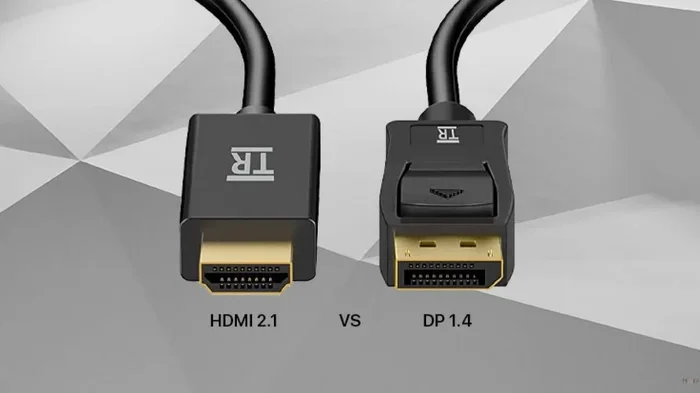
DisplayPort and HDMI are both digital display interfaces that carry video and audio from a source device to a display. They look similar on the outside but work quite differently on the inside. DisplayPort was designed primarily for PC use, while HDMI was built with consumer electronics in mind. Over the years, both standards have evolved significantly. Today, the latest versions of each offer impressive speeds and support for high resolutions. But they still have distinct advantages and limitations that matter depending on your setup.
So how do you know which one to choose? Let us dive into the details and compare them across every important category. By the end of this article, you will have a clear answer to the question of which connection is better for your specific needs.
Key Takeaways
- DisplayPort has higher bandwidth: It supports faster data transfer, making it ideal for high-resolution monitors and gaming setups.
- HDMI is more widely compatible: Most TVs, consoles, and streaming devices use HDMI, making it the go-to choice for home entertainment.
- DisplayPort supports daisy chaining: You can connect multiple monitors to a single port, which HDMI cannot do natively.
- HDMI carries audio and video in one cable: This makes it simpler for setups where you do not need separate audio connections.
- DisplayPort 2.1 leads in future-proofing: Its latest version supports 8K and beyond, while HDMI 2.1 is also competitive but less flexible for PC use.
- Your use case matters most: Pick DisplayPort for PC gaming and productivity, and HDMI for living room setups and console gaming.
📑 Table of Contents
- Understanding DisplayPort and HDMI Basics
- DisplayPort vs HDMI: Head-to-Head Comparison
- Why DisplayPort Wins for PC Gaming
- Where HDMI Shines
- How to Choose the Right Connection for Your Setup
- Common Mistakes People Make When Choosing Cables
- Quick Tips for the Best Display Experience
- The Future of Display Connections
- Final Verdict
Understanding DisplayPort and HDMI Basics
What Is DisplayPort?
DisplayPort is a digital display interface developed by VESA, a group of display industry leaders. It was first introduced in 2006 and has gone through several major updates. DisplayPort is most commonly found on computers, graphics cards, and professional monitors. It comes in two main sizes: the standard DisplayPort and the smaller Mini DisplayPort. A newer version called USB-C with DisplayPort Alt Mode has also become popular on modern laptops and tablets.
The latest version, DisplayPort 2.1, offers a massive bandwidth boost. It supports resolutions up to 16K with DSC (Display Stream Compression). For most users, DisplayPort 1.4 is more than enough. It handles 4K at 144Hz and even 8K at lower refresh rates with ease. This makes DisplayPort a favorite among PC gamers and content creators who need smooth, high-quality visuals.
What Is HDMI?
HDMI stands for High-Definition Multimedia Interface. It was introduced in 2003 and quickly became the standard for consumer electronics. You will find HDMI ports on almost every TV, Blu-ray player, gaming console, and streaming device. HDMI carries both audio and video signals through a single cable, which makes it incredibly convenient. There are several HDMI connector types, including Type A (standard), Mini HDMI, and Micro HDMI.
The current flagship standard is HDMI 2.1, which supports 4K at 120Hz and 8K at 60Hz. It also features Variable Refresh Rate (VRR) and Auto Low Latency Mode (ALLM), which are great for gaming. HDMI 2.1 bandwidth reaches up to 48 Gbps, which is a significant leap from earlier versions. However, not all devices support HDMI 2.1 yet, and many monitors still use HDMI 2.0, which caps out at 4K 60Hz.
DisplayPort vs HDMI: Head-to-Head Comparison
Let us look at how these two interfaces stack up against each other in key areas. This comparison will help you decide which one fits your setup better.
| Feature | DisplayPort 2.1 | HDMI 2.1 |
|---|---|---|
| Max Bandwidth | 80 Gbps | 48 Gbps |
| Max Resolution | 16K (with DSC) | 10K (with DSC) |
| 4K at High Refresh Rate | 4K at 240Hz | 4K at 120Hz |
| Daisy Chaining | Yes | No |
| Audio Return Channel | No | Yes |
| HDR Support | Yes | Yes |
| Common Use | PC Monitors, GPUs | TVs, Consoles |
As you can see, DisplayPort has a clear edge in bandwidth and resolution support. HDMI, however, offers features like the Audio Return Channel, which lets sound travel back to your speaker system without a separate cable. This is a big deal for home theater setups. Both standards support HDR, so you get vibrant colors and deep contrast with either one.
Why DisplayPort Wins for PC Gaming
Higher Refresh Rates and Bandwidth
If you are a PC gamer, DisplayPort is usually the better choice. Its higher bandwidth allows for smoother gameplay at high refresh rates. With DisplayPort 1.4, you can push 4K resolution at 144Hz on a compatible monitor. DisplayPort 2.1 takes this even further, supporting refresh rates that go well beyond what HDMI 2.1 can deliver.
Refresh rate matters a lot in fast-paced games. A higher refresh rate means smoother motion and less blur during action scenes. If you are playing competitive shooters or racing games, every frame counts. DisplayPort gives you the headroom to push your monitor to its limits without bottlenecks.
Adaptive Sync Technology
DisplayPort was the first to bring Adaptive Sync technology to the PC world. This technology, known as FreeSync under AMD and G-Sync under NVIDIA, reduces screen tearing and stuttering. It syncs your monitor’s refresh rate with your GPU’s frame output in real time. Both HDMI and DisplayPort now support Adaptive Sync, but DisplayPort implementations tend to be more consistent across different monitors and GPUs.
Daisy Chaining Multiple Monitors
One of the coolest features of DisplayPort is daisy chaining. This means you can connect multiple monitors to a single DisplayPort output on your computer. The monitors pass the signal along in a chain, so you only need one cable from your PC. This keeps your desk tidy and reduces cable clutter. HDMI simply does not offer this capability natively. If you use multiple monitors for work or creative projects, DisplayPort is a huge convenience.
Where HDMI Shines
Universal Compatibility
HDMI is everywhere. Your TV has it. Your game console uses it. Your soundbar and streaming stick rely on it. This universal compatibility makes HDMI the most convenient choice for connecting devices in your living room. You do not need to worry about adapters or special cables. Just plug in and go.
If you are connecting a laptop to a TV for movie night, HDMI is almost always the simplest option. Most laptops come with HDMI output, and all TVs have HDMI inputs. The plug-and-play experience is hard to beat.
Audio Return Channel
The Audio Return Channel (ARC) is a standout HDMI feature. It allows your TV to send audio back to your sound system or receiver through the same HDMI cable. This means you do not need a separate optical or audio cable running from your TV to your speakers. For home theater setups, this simplifies connections significantly. DisplayPort does not support ARC, so you would need additional cables for audio in a PC-to-TV setup.
Consumer Electronics Ecosystem
HDMI is deeply embedded in the consumer electronics ecosystem. Game consoles like the PlayStation 5 and Xbox Series X use HDMI 2.1 as their primary output. Streaming devices like Apple TV and Roku are HDMI-only. If your main use case involves these devices, HDMI is the natural choice. You will also find that most AV receivers and soundbars are optimized for HDMI connections.
How to Choose the Right Connection for Your Setup
Choosing between DisplayPort and HDMI comes down to three main factors: your device, your monitor, and your use case. Let us walk through some common scenarios to help you decide.
If you are building a gaming PC and using a high-refresh-rate monitor, go with DisplayPort. It gives you the bandwidth headroom for 144Hz or higher at 1440p and 4K. You also get the benefit of daisy chaining if you use multiple screens for productivity or streaming.
If you are setting up a home theater or connecting a console to your TV, HDMI is the clear winner. Its universal compatibility, audio return channel, and CEC (Consumer Electronics Control) features make it the best choice for entertainment setups. You can control multiple devices with one remote, and the single-cable audio-video connection keeps things simple.
For creative professionals who work with video editing or graphic design, DisplayPort offers better color accuracy support at higher resolutions. The higher bandwidth ensures that you get a clean, uncompressed signal on your reference monitor. Some professional displays only offer DisplayPort inputs, so check your monitor specifications before buying cables or adapters.
When you are shopping for a new laptop, consider what ports it has. Some laptops only have USB-C with DisplayPort Alt Mode, while others include full-size HDMI. If you plan to connect to external monitors frequently, having both options gives you the most flexibility. You might also want to check what amount of RAM is good on a laptop to make sure your machine can handle the display output you need without bottlenecks.
Common Mistakes People Make When Choosing Cables
One of the biggest mistakes is buying an HDMI 2.0 cable when your device supports HDMI 2.1. You will not get the full benefits of higher refresh rates and resolutions. Always check your device specifications and buy cables that match the highest standard your gear supports.
Another mistake is assuming all DisplayPort cables are the same. DisplayPort cables are rated by version, and older cables may not support the bandwidth of newer displays. If you have a DisplayPort 2.1 monitor, make sure you use a DisplayPort 2.1 certified cable to unlock its full potential.
Some people also overlook the importance of cable length. Longer cables can suffer from signal degradation, especially at higher resolutions and refresh rates. Keep your cables as short as possible for the best signal quality. If you need a longer run, consider using an active cable or a signal booster to maintain a clean connection.
Quick Tips for the Best Display Experience
- Always check your monitor’s native resolution before buying a cable. A 4K monitor needs more bandwidth than a 1080p monitor.
- Use certified cables that match your display standard. Look for DisplayPort 1.4 or HDMI 2.1 certification labels.
- Keep cables short to reduce signal loss. Under 6 feet is ideal for most setups.
- Update your GPU drivers regularly. New drivers often improve display compatibility and performance.
- Check your laptop’s port capabilities before purchasing an adapter or dock. Not all USB-C ports support video output.
- Consider your future needs. If you plan to upgrade your monitor soon, invest in cables that support the latest standards.
The Future of Display Connections
The display connection landscape is evolving fast. USB-C and Thunderbolt are becoming the new standard for many devices, and both can carry DisplayPort and HDMI signals through adapters. This means the physical port on your device may change, but the underlying standards will continue to improve.
DisplayPort 2.1 and HDMI 2.1 both push the boundaries of what is possible. We are seeing 4K at 240Hz, 8K at high refresh rates, and even experimental 16K displays. As content becomes more demanding, these interfaces will keep pace. The competition between DisplayPort and HDMI drives innovation, which ultimately benefits all users.
When you are ready to buy a new laptop or monitor, timing your purchase can also save you money. Check when is the best time to purchase a laptop to catch deals on devices with the latest display ports and connectivity options.
Final Verdict
So, is using a Displayport better than Hdmi? The honest answer is: it depends on your use case. For PC gaming, professional work, and multi-monitor setups, DisplayPort is the better choice. Its higher bandwidth, daisy chaining support, and adaptive sync features give it a clear edge for computer displays. For home theater, console gaming, and connecting to TVs, HDMI wins thanks to its universal compatibility and audio return channel.
Neither cable is objectively better overall. They each excel in their intended environments. The smartest move is to match your cable to your primary use case. If you do both gaming and home entertainment, having one DisplayPort cable and one HDMI cable in your setup gives you the best of both worlds.
Take a moment to evaluate your current setup. What devices are you connecting? What resolution and refresh rate do you need? Once you answer these questions, the right choice becomes clear. Both DisplayPort and HDMI are excellent technologies that deliver stunning visual quality. Pick the one that fits your workflow, and you will enjoy a great viewing experience every time.
Frequently Asked Questions
Can I use a DisplayPort to HDMI adapter without losing quality?
Yes, you can use a DisplayPort to HDMI adapter without losing quality, as long as the adapter is active and supports the resolution and refresh rate you need. Passive adapters work well for standard setups, but for 4K at high refresh rates, an active adapter is recommended to maintain signal integrity.
Does HDMI 2.1 support 4K at 144Hz?
HDMI 2.1 supports 4K at 120Hz natively. To reach 144Hz at 4K, you would need DisplayPort 1.4 or higher. Some HDMI 2.1 monitors use compression to push past 120Hz, but DisplayPort offers a more straightforward path to 144Hz and beyond at 4K resolution.
Can I connect two monitors to one DisplayPort using daisy chaining?
Yes, DisplayPort supports daisy chaining, which lets you connect multiple monitors in a chain from a single port. Both monitors must support DisplayPort daisy chaining, and you need to configure the display settings on your computer to enable this feature. HDMI does not support daisy chaining.
Is HDMI better than DisplayPort for watching movies on a TV?
HDMI is better for watching movies on a TV because of its universal compatibility with TVs, streaming devices, and home theater systems. HDMI also supports the Audio Return Channel, which simplifies audio connections. Most movie content is delivered through HDMI-equipped devices, making it the more practical choice for entertainment setups.
Do I need a special cable for 8K resolution?
Yes, you need a cable rated for the bandwidth required by 8K resolution. For DisplayPort, you need a DisplayPort 2.1 certified cable. For HDMI, you need an Ultra High Speed HDMI cable rated for HDMI 2.1. Using an older or lower-rated cable may result in no signal or degraded image quality at 8K.
Which is better for laptop external monitor use, DisplayPort or HDMI?
DisplayPort is generally better for connecting a laptop to an external monitor for work or gaming. It offers higher bandwidth and better multi-monitor support. However, if your laptop only has HDMI output, it will still work perfectly well for most uses. The best choice depends on the ports available on your laptop and what you plan to do with the external display.