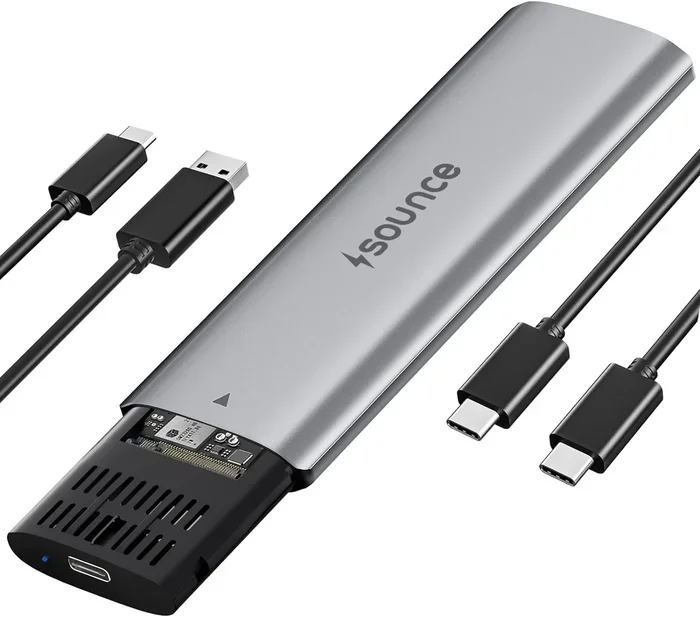
M 2 Nvme Ssd Enclosure Adapter
An M 2 Nvme Ssd enclosure adapter lets you use your NVMe drive externally through USB. It is a simple, affordable tool that boosts your storage flexibility. Whether you need backup storage or a fast portable drive, this adapter delivers.
Have you ever wanted to use your NVMe SSD as an external drive? Maybe you upgraded your laptop and now have an old M.2 NVMe SSD sitting around. Or perhaps you need a fast portable drive for transferring large files. Whatever the reason, an M 2 Nvme Ssd enclosure adapter solves this problem perfectly.
This device is small, affordable, and incredibly useful. It takes your internal NVMe drive and wraps it in a protective shell with a USB connection. You just slide the SSD in, plug it into your computer, and you are ready to go. It is one of the easiest ways to get more storage without buying a whole new external drive.
In this article, we will cover everything you need to know. From how these adapters work to choosing the best one, we have you covered. Let us dive in.
Key Takeaways
- An M 2 Nvme Ssd enclosure adapter turns your internal NVMe drive into an external portable storage device.
- These adapters support USB 3.0, USB 3.1, and USB-C connections for fast data transfer speeds.
- They are compatible with most M.2 NVMe SSD form factors, including 2230, 2242, 2260, and 2280.
- Choosing the right adapter depends on your SSD type, connection speed, and budget.
- Setup is usually plug-and-play, making it easy for beginners and pros alike.
- Using an external enclosure protects your NVMe drive from physical damage on the go.
📑 Table of Contents
- What Is an M 2 Nvme Ssd Enclosure Adapter?
- How Does an M.2 NVMe SSD Enclosure Work?
- Benefits of Using an M 2 Nvme Ssd Enclosure Adapter
- How to Choose the Right M 2 Nvme Ssd Enclosure Adapter
- Setting Up Your M 2 Nvme Ssd Enclosure Adapter
- Common Mistakes to Avoid
- Expert Insights on M.2 NVMe Enclosure Adapters
- Popular NVMe SSDs That Work Great with Enclosures
- Final Thoughts
What Is an M 2 Nvme Ssd Enclosure Adapter?
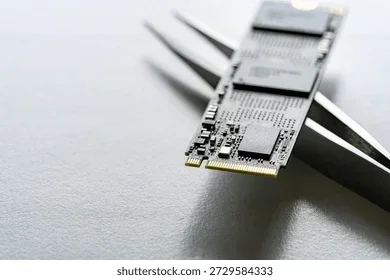
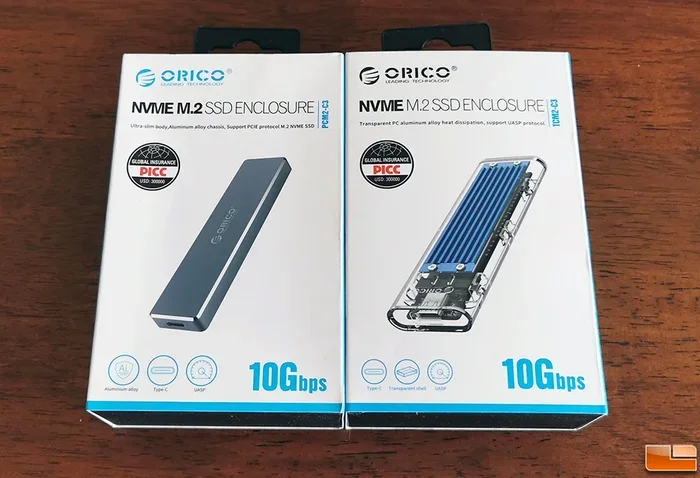
An M 2 Nvme Ssd enclosure adapter is a housing that holds your NVMe M.2 SSD and connects it to your computer through a USB port. Think of it as a protective shell with a built-in interface. The SSD sits inside the enclosure, and the adapter translates the NVMe signal into a USB connection your computer understands.
These adapters come in different shapes and sizes. Some are compact and pocket-sized. Others look like small hard drive enclosures. But they all do the same thing. They let you use your NVMe SSD outside of your computer case.
How Is It Different from a Regular SSD Enclosure?
A regular SSD enclosure works with SATA drives. An NVMe SSD enclosure adapter is different because it supports the PCIe protocol. NVMe drives are much faster than SATA SSDs. So using the right enclosure ensures you get the full speed of your drive. A M.2 NVMe SSD enclosure specifically supports NVMe drives, while a SATA enclosure does not.
How Does an M.2 NVMe SSD Enclosure Work?
The technology behind these adapters is straightforward. Inside the enclosure, there is a controller chip. This chip connects to your NVMe SSD and converts the data into a USB signal. When you plug the enclosure into your computer, the USB connection handles the rest.
The Role of the Controller Chip
The controller chip is the brain of the external NVMe enclosure. It manages the communication between your SSD and the USB port. A good controller ensures fast transfer speeds and stable performance. Cheap enclosures sometimes use weak controllers, which can slow things down. This is why choosing a quality adapter matters.
USB Connection Types
Most M 2 Nvme Ssd enclosure adapter models use USB-C or USB-A connections. USB-C is the newer standard and offers faster speeds. Here are the common types you will see:
- USB 3.0 – Offers speeds up to 5 Gbps. Good for most NVMe drives.
- USB 3.1 Gen 2 – Offers speeds up to 10 Gbps. Great for faster SSDs.
- USB 3.2 Gen 2×2 – Offers speeds up to 20 Gbps. Best for top-tier NVMe drives.
- Thunderbolt 3/4 – Offers speeds up to 40 Gbps. Premium option for professionals.
Your SSD speed also depends on the drive itself. A PCIe NVMe M.2 SSD can reach incredible speeds, but the USB connection may limit the max transfer rate. Choose an enclosure that matches or exceeds your SSD’s potential.
Benefits of Using an M 2 Nvme Ssd Enclosure Adapter
Using an M 2 Nvme Ssd enclosure adapter comes with several advantages. Let us look at why so many people choose this option.
1. Fast Portable Storage
NVMe SSDs are among the fastest storage devices available. By putting one in an enclosure, you get a super-fast portable drive. You can transfer large video files, backups, or game libraries in seconds. A Samsung 970 EVO Plus NVMe M.2 SSD in an enclosure makes an excellent external drive for creators and editors.
2. Cost Effective Upgrade
Instead of buying a brand new external hard drive, you can reuse your old NVMe SSD. This saves you money and reduces e-waste. An enclosure costs much less than a pre-built external drive with similar speed.
3. Easy to Use
Most NVMe SSD enclosures are plug-and-play. You do not need to install any software or drivers. Just insert the SSD, connect via USB, and your computer recognizes it instantly. This makes them great for people of all skill levels.
4. Protection for Your Drive
Internal NVMe SSDs are exposed and vulnerable inside your computer. An enclosure protects the drive from dust, moisture, and physical damage. This is especially useful if you carry your drive around frequently.
How to Choose the Right M 2 Nvme Ssd Enclosure Adapter
Not all enclosures are the same. Choosing the right one depends on a few key factors. Here is what you should consider before buying.
Check Your SSD Form Factor
M.2 SSDs come in different sizes, called form factors. The most common ones are 2230, 2242, 2260, and 2280. The numbers refer to the length in millimeters. Make sure your enclosure supports your specific SSD size. Most M.2 NVMe SSD enclosure adapters support the 2280 size, which is the most common.
Match the Interface
Your enclosure must support NVMe, not just SATA. Some enclosures work with both, but you need to check. If you have a PCIe Gen4 NVMe M.2 SSD, you want an enclosure that can handle those speeds. Otherwise, you will not get the full performance.
Consider the Connection Speed
Your USB connection speed limits your overall performance. If you have a fast NVMe SSD but use a USB 3.0 enclosure, you will cap your speeds. For the best experience, choose a USB 3.1 or USB-C enclosure. This way, your SSD NVMe PCIe M.2 drive can perform at its best.
Build Quality and Design
Look for enclosures made from aluminum or metal. These materials help with heat dissipation. NVMe drives can get warm during heavy use. A well-vented enclosure keeps your drive cool and extends its lifespan. Some enclosures also include built-in fans for extra cooling.
Price vs. Performance
Enclosures range from under $20 to over $100. Budget options work fine for everyday use. If you need maximum speeds, invest in a premium enclosure with a better controller and USB 3.2 or Thunderbolt support. The price difference is worth it if speed matters to you.
Setting Up Your M 2 Nvme Ssd Enclosure Adapter
Setting up your M 2 Nvme Ssd enclosure adapter is quick and easy. Follow these simple steps to get started.
Step 1: Gather Your Items
You will need your NVMe SSD, the enclosure adapter, and a USB cable. Most enclosures come with a cable included. If not, any USB-C or USB-A cable will work depending on the enclosure.
Step 2: Open the Enclosure
Most enclosures open by sliding or twisting a cap. Carefully open the housing to reveal the internal slot. You will see a connector that matches the M.2 SSD format.
Step 3: Insert the SSD
Align your NVMe SSD with the connector inside the enclosure. Gently push it in until it clicks into place. Make sure it sits flat and secure. Do not force it. If it does not fit, check that you have the right SSD type.
Step 4: Close and Connect
Close the enclosure and secure any screws or clips. Plug the USB cable into the enclosure and then into your computer. Your operating system should recognize the drive within seconds.
Step 5: Format if Needed
If this is a brand new SSD, you may need to format it first. On Windows, use Disk Management. On Mac, use Disk Utility. Formatting erases all data, so only do this if the drive is empty or you have backed up your files.
Common Mistakes to Avoid
Even though these adapters are simple, people still make mistakes. Here are a few to watch out for.
- Buying a SATA enclosure for an NVMe SSD. This will not work. Always confirm the enclosure supports NVMe before purchasing.
- Ignoring the SSD form factor. A 2280 SSD will not fit in an enclosure designed for 2242 drives. Check your SSD size first.
- Using a slow USB port. Plugging into a USB 2.0 port will severely limit your speeds. Always use USB 3.0 or higher.
- Overheating during long transfers. Some cheap enclosures lack proper cooling. If your drive gets too hot, performance drops. Choose a well-ventilated design.
- Forgetting to back up data. Always keep a backup of important files. Even the best M.2 NVMe SSD enclosure can fail or get lost.
Expert Insights on M.2 NVMe Enclosure Adapters
Industry experts agree that NVMe enclosures are one of the best value upgrades you can make. According to storage specialists, a quality NVMe SSD enclosure can deliver 90% or more of your drive’s native speed through USB. This means you get near-internal performance in a portable package.
Professionals in video editing and data storage recommend USB-C enclosures with USB 3.2 support. These offer the best balance of speed and compatibility. If you work with large files regularly, investing in a faster enclosure pays off quickly.
One thing to keep in mind is that not all NVMe drives are the same. A Crucial T705 PCIe Gen5 NVMe M.2 SSD will perform differently than a budget SATA-based M.2 drive. Always match your enclosure to your drive’s capabilities for the best results.
Popular NVMe SSDs That Work Great with Enclosures
Many NVMe SSDs pair perfectly with enclosure adapters. Here are some popular options that users love:
- Samsung 970 EVO Plus – A reliable and fast NVMe drive. Great for everyday use and creative work.
- Crucial P3 Plus – An affordable NVMe option that works well in enclosures.
- WD Blue SN570 – A solid performer with good speeds and low power usage.
- Kingston NV2 1TB – A budget-friendly choice that still delivers strong performance.
Any of these drives will work well in a M 2 Nvme Ssd enclosure adapter. Just make sure the enclosure supports your SSD’s form factor and NVMe protocol.
Final Thoughts
An M 2 Nvme Ssd enclosure adapter is one of the smartest storage investments you can make. It turns your existing NVMe SSD into a fast, portable external drive. The setup is simple, the cost is low, and the benefits are huge. Whether you are a student, a professional, or a casual user, this adapter adds real value to your workflow.
Take the time to choose the right enclosure for your drive. Match the form factor, the interface, and the USB connection speed. Do these things, and you will enjoy fast and reliable external storage for years to come.
If you want to explore more about NVMe storage options, check out our NVMe SSD M.2 enclosure guide for detailed recommendations. You can also learn more about M.2 NVMe SSD enclosures and how they compare to other storage solutions. For those looking at high-speed options, our SSD NVMe PCIe M.2 article covers the latest in NVMe technology.
Now you have everything you need to get started. Pick up an enclosure, plug in your NVMe drive, and enjoy the speed of external NVMe storage today.
Frequently Asked Questions
What is an M 2 Nvme Ssd enclosure adapter used for?
An M 2 Nvme Ssd enclosure adapter is used to turn your internal NVMe M.2 SSD into an external portable drive. You plug it into your computer via USB and get fast external storage without opening your computer case.
Do I need drivers to use an NVMe SSD enclosure?
Most modern operating systems like Windows 10, Windows 11, and macOS recognize NVMe enclosures automatically. You typically do not need to install any drivers. It works as a plug-and-play device in most cases.
Can I use a SATA M.2 SSD in an NVMe enclosure?
No, you cannot. NVMe enclosures only support NVMe protocol drives. If you have a SATA M.2 SSD, you need a SATA-compatible enclosure instead. Always check your SSD type before buying an enclosure.
What is the best USB connection for an NVMe enclosure?
USB-C with USB 3.1 Gen 2 or USB 3.2 support is the best choice. It offers speeds up to 10 or 20 Gbps, which matches most NVMe SSD capabilities. Avoid USB 2.0 or older USB-A ports for best performance.
Will my NVMe SSD overheat in an enclosure?
Some NVMe drives can get warm during heavy use. Metal enclosures with good ventilation help dissipate heat. If you notice performance drops, give the drive a break to cool down. Avoid using it for hours of continuous heavy transfers without rest.
Can I use an NVMe enclosure with a desktop computer?
Yes, absolutely. You can use an M 2 Nvme Ssd enclosure adapter with any computer that has a USB port, including desktops. It is a great way to add external storage or use an extra NVMe drive without opening your PC.
=== CONCLUSION ===
An M 2 Nvme Ssd enclosure adapter is a simple yet powerful tool that unlocks the full potential of your NVMe SSD. It gives you fast, portable storage without the high cost of pre-built external drives. Whether you are a content creator, a gamer, or someone who just needs extra space, this adapter delivers real value.
Choose the right enclosure, match it to your drive, and enjoy the speed of NVMe storage wherever you go. It is one of the easiest upgrades you can make, and the results speak for themselves.