North Carolina Security Camera Laws
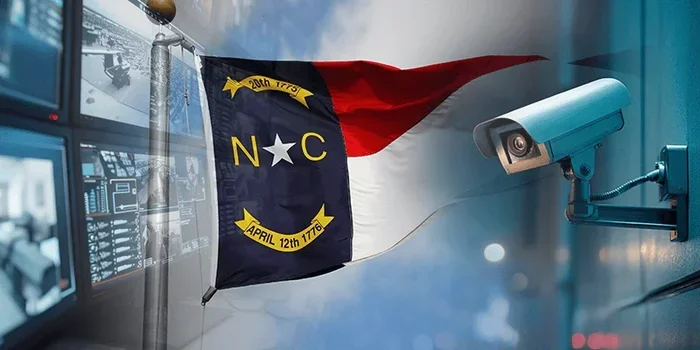
North Carolina security camera laws allow property owners to install cameras on private property, but strict rules apply to audio recording and public spaces. You must understand consent laws and privacy expectations to avoid legal trouble. This guide breaks down everything you need to know about surveillance regulations in the Tar Heel State.
Key Takeaways
- Private Property Rights: Homeowners can generally install cameras on their own property without permits.
- Audio Recording Consent: North Carolina is a one-party consent state for audio recordings.
- Public Spaces: Recording public areas is allowed, but capturing private areas like bathrooms is illegal.
- Workplace Surveillance: Employers must balance security needs with employee privacy rights.
- Rental Properties: Landlords have specific restrictions on monitoring tenants in private units.
- Neighbor Disputes: Pointing cameras directly into a neighbor’s home can lead to legal issues.
- Data Security: Protecting recorded footage is essential to prevent unauthorized access.
📑 Table of Contents
Understanding North Carolina Security Camera Laws
Installing surveillance systems is a smart way to protect your home or business. However, you must follow state regulations to stay out of trouble. North Carolina security camera laws are designed to balance safety with personal privacy. Many people assume they can record anything they want on their own land. This is not always true. You need to know the limits before you mount a camera.
Privacy is a major concern for residents across the state. Laws prevent people from spying on others in places where they expect privacy. This includes bathrooms, bedrooms, and changing rooms. Even on your own property, you cannot invade someone else’s privacy. Understanding these rules helps you avoid lawsuits or criminal charges.
This guide will walk you through the key rules. We will look at audio recording, public spaces, and workplace rules. You will learn how to set up your system legally. Let’s dive into the details of surveillance regulations in North Carolina.
Recording Audio and Video in Private Spaces
Video recording is generally more flexible than audio recording. You can usually record video on your own property. However, audio recording laws are stricter. North Carolina follows a one-party consent rule for audio. This means you must be part of the conversation to record it legally. Recording a conversation without any participant’s consent is illegal.
This rule applies to security cameras with microphones. If your camera records audio, be very careful. You cannot record neighbors talking on their porch without consent. You also cannot record private conversations in your home if you are not part of them. Always check if your camera has a microphone switch. Turning off audio can prevent legal issues.
Video surveillance also has limits. You cannot record areas where people expect privacy. This includes inside homes, bathrooms, and locker rooms. Even if the camera is on your property, pointing it into a neighbor’s window is risky. It could be considered invasion of privacy. Always angle your cameras toward public areas or your own entry points.
Quick Tips for Audio and Video
- Check Local Laws: Some cities may have stricter rules than state law.
- Disable Audio: Turn off microphone features if you do not need them.
- Angle Carefully: Point cameras away from neighbor’s private spaces.
- Signage: Post signs to inform visitors about surveillance.
Public Spaces and Neighbor Considerations
Recording public spaces is usually allowed. Streets, sidewalks, and parks are public areas. People do not have a high expectation of privacy there. However, you cannot use cameras to harass or stalk someone. Continuous monitoring of a specific person without cause can be problematic. North Carolina security camera laws focus on intent and privacy invasion.
Neighbor disputes often arise from security cameras. A camera pointing at your door might catch your neighbor’s yard too. This is usually acceptable if it is incidental. But if the camera is zoomed in on their pool or patio, that is different. It could be seen as invading their privacy. Talk to your neighbors before installing cameras. Good communication prevents conflicts.
Trees and fences can help block views. You can also adjust the angle of your lenses. Some cameras have privacy zones. You can mask out areas you do not want to record. This shows you respect your neighbor’s space. It also protects you from legal claims.
Expert Insights on Neighbor Relations
Experts suggest being transparent. Tell your neighbors why you are installing cameras. Explain that it is for security, not spying. Offer to share footage if there is an incident involving them. This builds trust. It also shows you are acting in good faith. Trust is key in residential communities.
Workplace Surveillance Regulations
Employers often want to monitor their business premises. Security cameras can prevent theft and ensure safety. However, workplace surveillance regulations must be followed. Employees have some rights to privacy at work. You cannot record in restrooms or break rooms. These are private spaces for employees.
Video surveillance in work areas is generally allowed. This includes sales floors, warehouses, and entry points. It helps protect company assets. But you should inform employees about the cameras. Hidden cameras are risky and often illegal in private areas. Transparency is the best policy for employers.
Audio recording in the workplace is even more sensitive. Recording employee conversations without consent can violate wiretapping laws. It can also hurt morale. Only record audio if there is a specific security need. Always consult with a legal expert before setting up workplace surveillance. Labor laws may also apply depending on the industry.
Common Mistakes in Workplace Surveillance
- Ignoring Privacy Zones: Failing to block bathrooms or changing areas.
- Hidden Cameras: Using secret cameras where employees expect privacy.
- No Notification: Not telling staff about the surveillance system.
- Over-monitoring: Watching employees too closely can create a hostile environment.
Rental Properties and Landlord Rules
Landlords have specific responsibilities regarding security. Tenants pay for a safe place to live. However, landlord security camera rules limit where cameras can go. Landlords can install cameras in common areas. This includes hallways, parking lots, and entrances. These areas are shared by multiple tenants.
Landlords cannot put cameras inside private rental units. Bedrooms, living rooms, and kitchens are off-limits. Tenants have a right to privacy in their home. Recording inside a unit without consent is illegal. It can lead to eviction of the landlord or lawsuits. Even for maintenance, you should not use cameras to monitor tenants.
Outdoor cameras on rental properties must also be careful. They should not point directly into tenant windows. This invades their privacy. Landlords should communicate with tenants about camera locations. Providing a notice about surveillance is a good practice. It keeps everyone informed and safe.
If you are a tenant, check your lease. It may mention security systems. You might be allowed to install your own cameras inside. But you usually cannot install them on the exterior without permission. Always ask your landlord before making changes.
Data Security and Footage Access
Recording footage is only half the battle. You must also protect the data. Security camera footage access should be restricted. Only authorized people should view the recordings. If footage is leaked, it can cause harm. It can also lead to liability for the owner.
Cloud storage is common for modern systems. Ensure your cloud provider is secure. Use strong passwords and two-factor authentication. Hackers can access unsecured cameras. This is a major privacy risk. Regular software updates help keep systems safe. Change default passwords immediately after setup.
Who can request footage? Law enforcement may ask for it during an investigation. You generally have the right to refuse unless there is a warrant. Private individuals can also ask for footage. For example, if their car was damaged in your driveway. However, you are not always required to share it. Check local laws on requesting security camera footage.
Key Takeaways for Data Security
- Secure Passwords: Use unique passwords for your camera system.
- Limit Access: Only give login details to trusted people.
- Encrypt Data: Ensure footage is encrypted during storage and transfer.
- Regular Checks: Review system logs for unauthorized access.
Installation and Compliance Tips
Setting up a system requires planning. You need to choose the right equipment. You also need to follow installation rules. Some areas require permits for certain cameras. This is rare for residential homes but possible for businesses. Check with your local city or county office.
Power supply is another consideration. Most cameras need a steady power source. Some use batteries, while others use wired connections. A security camera power supply 12V is common for wired systems. Ensure you have the right infrastructure. Poor installation can lead to system failure. It can also create safety hazards.
When choosing a system, consider the coverage area. A 16 camera security system 4K might be too much for a small home. But it is great for large properties. Match the system to your needs. More cameras mean more data to manage. It also means more potential privacy risks. Only record what you need.
Finally, test your system regularly. Make sure cameras are working and pointing correctly. Adjust them if seasons change and trees grow. Regular maintenance ensures continuous protection. It also shows you are maintaining your property responsibly.
Conclusion
Protecting your property is important, but following North Carolina security camera laws is equally vital. You have the right to secure your home and business. However, you must respect the privacy of others. Audio recording, workplace rules, and rental restrictions all play a role. By understanding these rules, you can avoid legal trouble.
Remember to communicate with neighbors and employees. Transparency builds trust and reduces conflict. Secure your footage to prevent data breaches. Choose the right equipment for your space. With the right approach, you can enjoy peace of mind. Stay informed and stay compliant.
Frequently Asked Questions
Can I record audio on my security camera in North Carolina?
North Carolina is a one-party consent state for audio. You must be part of the conversation to record it legally. Recording private conversations without consent can lead to criminal charges. It is often safer to disable audio on your cameras.
Can my landlord put a camera in my rental unit?
No, landlords cannot place cameras inside private rental units. Tenants have a right to privacy in their bedrooms and living areas. Cameras are only allowed in common areas like hallways or parking lots. Always check your lease agreement for specific rules.
Is it illegal to point my camera at my neighbor’s property?
It is not strictly illegal, but it can lead to legal issues. If the camera invades their reasonable expectation of privacy, you could be sued. Avoid pointing cameras directly into neighbor’s windows or private yards. Adjust angles to focus on your own property.
Do I need to tell my employees about security cameras?
Yes, it is best practice to inform employees about surveillance. Hidden cameras in private areas like break rooms are illegal. Transparency helps maintain trust and complies with privacy expectations. Consult legal advice for specific workplace regulations.
Can police access my security camera footage?
Police can request footage, but you are not always required to give it. They usually need a warrant or subpoena to compel you. You can choose to cooperate voluntarily to help with an investigation. Protect your data and verify their identity before sharing.
What should I do if my camera captures a crime?
Save the footage immediately and do not share it publicly. Contact local law enforcement to report the incident. Provide the footage to them as evidence. Keeping the data secure ensures it remains valid for legal proceedings.