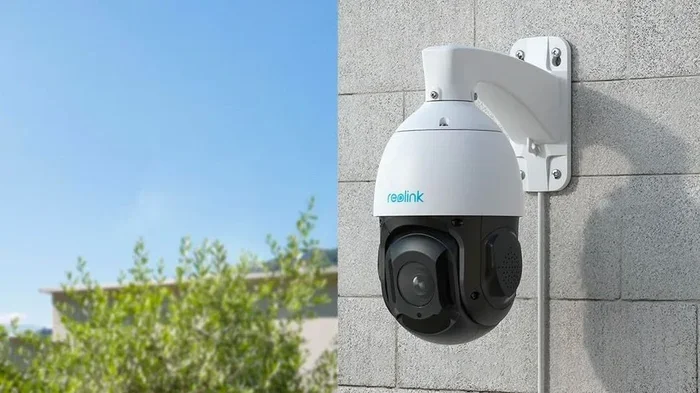
Ptz Camera Controller with Joystick
PTZ camera controllers with joysticks give you smooth, real‑time pan, tilt, and zoom control for any surveillance or production setup. This article breaks down how they work, what to look for, and how to choose the perfect model for your needs, all in a friendly, easy‑to‑read format.
Key Takeaways
- Precision control: Joystick controllers let you move PTZ cameras fluidly, reducing overshoot and fatigue.
- Compatibility matters: Check protocol support (Pelco‑D, Pelco‑P, Visca, ONVIF) before buying.
- Wired vs. wireless: Wired units offer zero‑latency; wireless adds flexibility but may need a strong RF environment.
- Ergonomic design: Adjustable sticks, back‑lit buttons, and comfortable grips improve long‑session performance.
- Power options: Some controllers can power the camera via PoE, simplifying cabling.
- Software integration: Modern controllers include SDKs or API hooks for VMS, OBS, and custom apps.
- Future‑proofing: Look for firmware upgrades and modular add‑ons to extend the life of your controller.
📑 Table of Contents
- Introduction: Why a Joystick Makes PTZ Cameras Fly
- How a Joystick Controller Works
- Choosing the Right Controller for Your Setup
- Top Features to Look For
- Step‑by‑Step Setup Guide
- Real‑World Use Cases
- Maintenance Tips and Troubleshooting
- Buying Guide: Top Models in 2024
- Future Trends: What’s Next for PTZ Controllers?
- Conclusion
Introduction: Why a Joystick Makes PTZ Cameras Fly
If you’ve ever tried to pan a security camera with a mouse or a tiny on‑screen arrow, you know the feeling—jerky moves, missed details, and a sore wrist after a few minutes. A PTZ (pan‑tilt‑zoom) camera controller with a joystick turns that clumsy experience into something as smooth as steering a car. Whether you’re monitoring a parking lot, streaming a live event, or capturing wildlife, the right controller lets you track subjects with pinpoint accuracy and react instantly to anything that happens.
In this guide we’ll walk through the technology behind joystick controllers, explore the most important features, compare top models, and give you step‑by‑step setup tips. By the end, you’ll know exactly which controller fits your budget and workflow, and how to get the most out of every pan, tilt, and zoom command.
How a Joystick Controller Works
Basic Components
A typical PTZ joystick controller consists of three parts:
Visual guide about Ptz Camera Controller with Joystick
Image source: e3.365dm.com
- Joystick unit: The stick itself (or dual sticks) that sends analog or digital signals for pan and tilt.
- Zoom wheel or buttons: Dedicated controls for zoom in/out, focus, and sometimes iris.
- Interface board: Converts joystick movements into protocol commands (Pelco‑D, Visca, ONVIF, etc.) and sends them to the camera over RS‑232, RS‑485, Ethernet, or Wi‑Fi.
Signal Flow
When you push the stick forward, the controller reads the voltage change, translates it into a “pan right” command, and packages that command in the selected protocol. The camera receives the packet, moves the motor, and sends back a status update. Most modern controllers also provide feedback—tiny LEDs or a small LCD show the current position, speed, and error codes.
Why Joysticks Beat Buttons
Buttons give you discrete steps (e.g., “pan 10° left”), which can feel choppy. A joystick offers continuous, proportional control: the farther you push, the faster the camera moves. This is especially useful for tracking fast‑moving subjects like a soccer ball or a wandering animal.
Choosing the Right Controller for Your Setup
Protocol Compatibility
Not all PTZ cameras speak the same language. The most common protocols are:
- Pelco‑D / Pelco‑P: Widely used in legacy security systems.
- Visca (Sony): Common in consumer PTZ camcorders.
- ONVIF: Standard for IP‑based cameras, allowing cross‑brand integration.
Make sure the controller you pick lists the protocol(s) your camera uses. If you have a mixed‑brand environment, look for a multi‑protocol unit or one that can be re‑flashed with new firmware.
Wired vs. Wireless
Wired controllers—usually RS‑485 or Ethernet—provide zero latency and are immune to RF interference. They’re ideal for permanent installations like a commercial security camera installation where cabling is already in place.
Wireless options (Bluetooth, 2.4 GHz RF, or Wi‑Fi) give you freedom to move the controller around a studio or outdoor site without dragging a cable. Just be sure the spectrum is clear; a busy Wi‑Fi channel can add a noticeable lag.
Ergonomics and Build Quality
Long sessions demand comfort. Look for:
- Adjustable stick tension.
- Rubberized grips.
- Back‑lit buttons for low‑light use.
- Sturdy housing (metal or high‑grade ABS) that can survive drops.
Power Delivery (PoE)
Some advanced controllers can power the camera via Power over Ethernet, eliminating a separate power injector. This simplifies wiring and reduces points of failure—perfect for remote installations where you only want one cable running to the camera.
Software Integration
If you plan to record or stream, check whether the controller offers an SDK, API, or direct plug‑in for popular VMS platforms (Milestone, Genetec) and streaming software like OBS. Integration lets you map joystick actions to hotkeys, automate presets, and even trigger alerts.
Top Features to Look For
Preset Management
Most PTZ cameras support up to 256 presets—saved positions you can recall instantly. A good controller will let you assign a preset to a single button or a combination of joystick movements, saving you time during live events.
Visual guide about Ptz Camera Controller with Joystick
Image source: t4.ftcdn.net
Speed Control
Variable speed is essential. Some controllers have a dedicated “speed knob” while others let you modulate speed by how far you push the stick. Look for a smooth, linear response curve, especially if you need to make subtle adjustments.
Zoom & Focus Controls
Beyond pan and tilt, you’ll want crisp zoom and focus. Controllers often provide a dedicated wheel for optical zoom and separate buttons for focus lock or manual focus. If you use a camera with motorized iris, a separate iris wheel can be a nice bonus.
Multi‑Camera Switching
In a control room you may need to switch between several PTZ units. Controllers with a built‑in camera selector (via a dropdown menu or a rotary switch) let you jump from one feed to another without reaching for the mouse.
Feedback Display
Small LCDs or OLED screens show real‑time data: current pan/tilt angles, zoom level, error messages, and battery status (for wireless units). This visual feedback reduces guesswork and speeds up troubleshooting.
Step‑by‑Step Setup Guide
1. Unpack and Inspect
Check that you have the joystick unit, power adapter (if wired), mounting brackets, and any required cables (RS‑485, Ethernet, USB). Verify the controller’s firmware version—most manufacturers list the latest version on their website.
2. Connect to the Camera
- Identify the camera’s control port (RS‑485, Ethernet, or USB).
- Plug the appropriate cable into the controller’s output port.
- If using PoE, connect the controller to a PoE switch and let it power the camera.
3. Configure Protocol Settings
Access the controller’s web interface (usually via an IP address) or use the supplied configuration software. Select the correct protocol (e.g., Pelco‑D) and set the camera’s address ID (commonly 1‑255). Save the settings and reboot the controller.
4. Calibrate Joystick Sensitivity
Most controllers have a “sensitivity” menu. Start with a medium setting and test pan/tilt speed. Adjust until the movement feels natural—fast enough for tracking, but not so fast that you overshoot.
5. Set Up Presets
Position the camera at a key location (e.g., entrance, main stage). Press the “Set Preset” button and assign a number. Repeat for all critical angles. Test recall by hitting the assigned preset button.
6. Integrate with VMS or Streaming Software
Install the controller’s plugin or add the device via ONVIF in your VMS. In OBS, map joystick axes to PTZ actions using the “OBS Remote” plugin. Verify that live control works while streaming.
7. Test, Tweak, and Secure
Run a full sweep: pan across the entire field of view, zoom in/out, and switch presets. Note any lag or jitter, and adjust speed or sensitivity accordingly. Finally, lock the controller to its mounting bracket and secure any cables.
Real‑World Use Cases
Security Monitoring
In a warehouse, a security guard can use a joystick to follow a moving forklift across aisles, zoom in on a suspicious package, and instantly switch to a backup camera if needed. The ability to set up “quick‑access” presets for loading docks and exits dramatically reduces response time.
Live Event Production
During a concert, a director can pan across the stage, tilt to capture crowd reactions, and zoom on soloists—all with a single hand on the joystick. Because the controller can send commands to multiple cameras, the director can switch between angles without leaving the control desk.
Wildlife Observation
Researchers tracking birds in a nature reserve can mount a PTZ camera on a pole and use a wireless joystick from a nearby blind. The smooth, silent operation ensures animals aren’t startled, while the ability to zoom in on nests provides high‑resolution data.
Industrial Inspection
In a plant with hazardous zones, a PTZ camera mounted on a robotic arm can be guided by a joystick from a safe distance, allowing engineers to inspect equipment without entering the area.
Maintenance Tips and Troubleshooting
Regular Calibration
Dust and temperature changes can affect joystick potentiometers. Re‑calibrate sensitivity every 3–6 months, especially after moving the controller.
Firmware Updates
Manufacturers release firmware to add protocols or fix bugs. Subscribe to the product’s newsletter and schedule updates during low‑traffic periods.
Battery Care (Wireless Models)
Keep Li‑ion batteries at 40‑80 % charge for longevity. If the controller powers down unexpectedly, replace the battery or switch to a wired connection.
Signal Interference
If you notice lag on a wireless controller, change the channel or move the receiver away from other RF devices. For wired setups, check cable integrity with a multimeter.
Common Error Codes
- ERR01: Camera address mismatch—verify the ID in the controller settings.
- ERR02: Protocol not supported—ensure you selected the correct protocol type.
- ERR03: Over‑current—check power supply and PoE limits.
Buying Guide: Top Models in 2024
1. PTZOptics Joystick Pro
Features: Dual sticks, 10‑presets, PoE power, ONVIF/Visca support, built‑in 4‑inch LCD. Ideal for studios and control rooms. Price: $699.
2. Hikvision DS‑3E1100‑W (Wireless)
Features: Bluetooth 5.0, 8‑preset memory, rechargeable battery lasting 12 hours, Pelco‑D/ONVIF. Great for outdoor events. Price: $429.
3. Sony VPR‑SC2 Remote
Features: High‑precision dual joystick, Zoom wheel, 256 presets, Visca‑compatible, rugged metal chassis. Best for broadcast environments. Price: $849.
4. AVkans Church Camera Remote Control
Features: Simple single‑stick design, easy preset programming, compatible with most PTZ cams used in houses of worship. Price: $219. (See more details here.)
5. Budget Choice: Amcrest PTZ Joystick Kit
Features: USB‑C powered, basic pan/tilt/zoom, supports Pelco‑D, no LCD but includes LED indicators. Perfect for hobbyists. Price: $119.
Future Trends: What’s Next for PTZ Controllers?
AI‑Assisted Tracking
Upcoming controllers will embed AI chips that can lock onto moving subjects automatically, reducing the need for manual joystick input.
Touch‑Screen Hybrid Units
Combining a joystick with a capacitive touch screen allows operators to swipe for coarse movement and use the stick for fine‑tuning.
Cloud‑Based Preset Sharing
Imagine saving a preset on one controller and pulling it up on another device via the cloud—great for multi‑site operations.
Extended Battery Life
New lithium‑polymer cells promise up to 48 hours of continuous wireless operation, ideal for remote wildlife monitoring.
Conclusion
A PTZ camera controller with a joystick transforms a static surveillance or production setup into a dynamic, responsive system. By understanding protocols, choosing the right ergonomics, and integrating the controller with your software stack, you gain precise, effortless control over every pan, tilt, and zoom movement. Whether you’re securing a parking lot, directing a live concert, or watching birds build their nests, the right joystick controller will make your job easier, faster, and more enjoyable. Invest in a quality unit, keep it updated, and you’ll enjoy years of smooth operation.
Frequently Asked Questions
What protocols do PTZ joystick controllers usually support?
Most controllers handle Pelco‑D, Pelco‑P, Visca, and ONVIF. Some high‑end models also support proprietary protocols from specific manufacturers.
Can I use a joystick controller with a Wi‑Fi PTZ camera?
Yes, if the controller offers Wi‑Fi or can connect to the camera’s network via Ethernet. You’ll need to configure the controller’s IP settings to match the camera’s subnet.
Do wireless joystick controllers have noticeable lag?
Modern 2.4 GHz and Bluetooth 5.0 units typically have sub‑100 ms latency, which feels instant for most applications. Interference can increase lag, so keep the signal path clear.
How many presets can I store on a typical PTZ controller?
Standard controllers support 16‑256 presets, depending on the model. High‑end units often let you export/import preset lists for backup.
Is it possible to power a PTZ camera directly from the controller?
Some controllers include PoE output, allowing them to power compatible cameras over a single Ethernet cable. Check the specifications for power rating.
What maintenance does a joystick controller need?
Periodically clean the joystick and buttons, update firmware, recalibrate sensitivity, and, for wireless units, monitor battery health.