Quick Release for Camera Strap
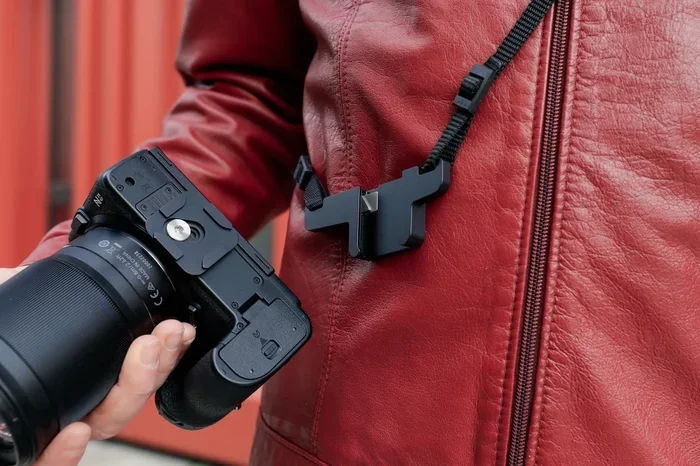
A quick release for camera strap is a game-changer for photographers who value speed and safety. It lets you detach your camera instantly while keeping it secure around your neck or wrist. In this guide, you will learn how these systems work, what to look for, and how to pick the right one for your gear. We will also share practical tips to avoid common mistakes and keep your equipment safe.
Key Takeaways
- Fast detachment: A quick release system lets you remove your camera in seconds without fumbling with knots or clips.
- Better safety: These mechanisms reduce the risk of drops by keeping the strap securely attached until you need to release it.
- Gear compatibility: Not every strap works with every camera, so check connector sizes and mounting points before buying.
- Weight matters: Heavier setups need stronger connectors, so choose a system rated for your total load.
- Easy installation: Most quick release straps attach to standard lugs or loops, making them simple to add to your current setup.
- Travel friendly: A detachable strap helps you move through crowds, airports, and tight spaces with less bulk and more control.
- Regular checks: Inspect connectors, screws, and clips often to catch wear before it becomes a problem.
📑 Table of Contents
- Why a Quick Release for Camera Strap Matters
- How a Quick Release for Camera Strap Works
- Choosing the Right Quick Release for Camera Strap
- Installation and Setup Tips
- Safety and Maintenance Best Practices
- Common Use Cases for a Quick Release System
- Quick Tips for Better Strap Performance
- Common Mistakes to Avoid
- Expert Insights on Quick Release for Camera Strap
- Key Takeaways
Why a Quick Release for Camera Strap Matters
Photographers move fast. You might be shooting a wedding, hiking a trail, or covering a street scene. In all these moments, your camera strap should help you, not slow you down. A quick release for camera strap gives you the freedom to detach your gear in seconds. That means less fumbling and more focus on the shot.
Think about those times when you need both hands free. Maybe you are climbing over a rock, holding a ladder, or carrying samples. With a standard strap, you either leave the camera on your neck or risk dropping it while trying to unclip it. A quick release solves that problem. It keeps the camera secure until you choose to let it go.
This kind of system also helps with comfort. Long shoots can strain your neck and shoulders. Being able to remove the strap when you need a break reduces that pressure. You can still keep the camera close by using a wrist loop or a compact carry option. That flexibility is a big win for busy shooters.
Another benefit is safety. A well-made release mechanism locks firmly in place. It does not pop open by accident. That gives you peace of mind when you are walking through crowds or working in rough conditions. You can move with confidence because the strap stays connected until you tell it to disconnect.
How a Quick Release for Camera Strap Works
Most quick release systems use a simple lock-and-unlock design. One part attaches to your camera or strap, and the other part connects to the opposite end. When you press, slide, or twist the mechanism, the two pieces separate. When you snap them back together, they lock again.
The exact design varies by brand. Some use a spring-loaded button. Others use a sliding collar or a twist lock. The goal is the same in every case: fast detachment without tools. You should be able to operate the release with one hand in most cases.
A good system also includes a safe lock. That means the connector cannot open unless you intentionally trigger it. This is important because a loose connection can lead to a dropped camera. Always test the lock before trusting it with expensive gear.
The strap itself may be made of nylon, leather, or woven fabric. The connector is usually metal or hard plastic. Metal parts tend to be stronger, while plastic parts can be lighter. Your choice depends on how much weight you carry and how rough your shooting conditions are.
Choosing the Right Quick Release for Camera Strap
Picking the right quick release for camera strap setups starts with your camera and how you use it. A small point-and-shoot has different needs than a heavy mirrorless body with a large lens. The connector must match your gear and your shooting style.
Start by checking the mounting points. Many cameras have standard lugs on the sides. Some straps attach to those lugs directly. Others use a loop or a plate that screws into the bottom. Make sure the release system fits your camera’s connection points without forcing anything.
Next, think about weight. A heavier setup puts more stress on the connector. If you shoot with big lenses, choose a system with a higher load rating. It is better to have extra strength than to risk a weak connection.
Comfort matters too. Some straps are wide and padded. Others are thin and light. A wide strap spreads the weight better, which helps during long shoots. A thin strap is easier to pack and may feel less bulky when you detach it.
Here is a quick comparison to help you decide:
| Feature | Best For | Trade-Off |
|---|---|---|
| Button-style release | Fast, one-hand use | May collect dirt over time |
| Twist-lock release | Secure, smooth feel | Slightly slower to detach |
| Wide padded strap | Long shoots, heavy gear | More bulk when traveling |
| Thin lightweight strap | Travel, casual use | Less padding for heavy loads |
If you shoot with a compact camera, you may want a lighter setup that still gives you quick access. In that case, it helps to look at options designed for smaller bodies. You can read more about a camera strap for point and shoot to see how smaller gear can still benefit from a smart strap choice.
Installation and Setup Tips
Installing a quick release for camera strap is usually simple. Most systems come with clear instructions and the parts you need. Still, a careful setup makes a big difference in safety and comfort.
First, clean the mounting area. Dust and grit can interfere with the connection. Wipe the lugs, loops, or plates before attaching anything. This small step helps the connector seat properly.
Second, tighten everything correctly. If your system uses screws, do not leave them loose. A loose screw can shake out over time. At the same time, do not overtighten, because that can damage threads or strain the connector.
Third, test the release before carrying your camera around. Attach the strap, lock it, and then release it a few times. Make sure it snaps back securely each time. If anything feels wobbly, stop and check the parts.
Fourth, adjust the length. A strap that is too long can get in the way. One that is too short can feel tight and uncomfortable. Find a length that lets the camera sit comfortably against your body while still giving you room to maneuver.
If you are adding a release to a vest or harness, the setup may be a little different. Some shooters prefer a body camera mount for vest because it keeps the gear centered and easy to reach. That can be useful if you need fast access while moving around.
Safety and Maintenance Best Practices
Safety should always come first. A quick release for camera strap is only as good as its condition. Regular care keeps it reliable.
Check the connector before every shoot. Look for cracks, bent parts, or loose fittings. If you see damage, replace the part right away. Do not wait until the next outing.
Keep the mechanism clean. Dirt, sand, and moisture can get into the moving parts. Wipe the connector with a soft cloth after use, especially if you shoot outdoors. If the design allows it, a tiny amount of suitable lubricant can help the moving parts stay smooth.
Avoid forcing the release. If it feels stuck, stop and inspect it. Forcing a lock can wear it out or break it. A smooth release should feel natural, not stubborn.
Be careful with weight limits. Every connector has a safe range. If you exceed it, the lock may fail under stress. That is why it helps to match the system to your usual gear load.
Storage matters too. Do not leave the strap twisted or crushed in a bag for long periods. That can weaken the material over time. Hang it up or coil it loosely when you are done.
If you use your camera in tough places, think about extra protection. A secure strap is only one part of gear safety. For some setups, people also look at accessories like a dome cover for security camera as a reminder that protective parts matter in many shooting environments, even if the use case is different.
Common Use Cases for a Quick Release System
A quick release for camera strap fits many shooting styles. It is not just for pros. It can help anyone who wants faster movement and better control.
Event photographers often move quickly. They may need to lift the camera, shoot, and then set it down again in seconds. A detachable strap makes that flow smoother. It also helps when you need to pass the camera to someone else briefly.
Travel shooters appreciate the flexibility. In busy streets, trains, or airports, a bulky strap can get caught on things. Being able to remove it quickly reduces that hassle. You can also pack the strap separately when you want to save space.
Hikers and outdoor shooters often carry gear for long periods. A strap that can be removed helps when you need to climb, scramble, or use both hands. It also lets you switch between neck carry, shoulder carry, or a backpack setup.
People who use action or body-mounted setups may also benefit. A stable mount can make a big difference when you need the camera out of the way but still accessible. For example, some users explore a backup camera mount for jeep wrangler when they want a secure placement for vehicle-related shooting, which shows how mount style matters in different scenarios.
Quick Tips for Better Strap Performance
A few simple habits can make your strap setup work better every time.
- Match the strap to the job: Use a padded strap for long carries and a lighter one for quick outings.
- Test before trust: Always check the lock before heading out with valuable gear.
- Keep it clean: Wipe off dirt and moisture after use.
- Adjust often: Change the length to fit your outfit and shooting position.
- Store it well: Avoid crushing the strap or bending the connector unnecessarily.
- Carry a backup plan: If possible, keep a second carry option for long days.
Common Mistakes to Avoid
Even a good system can cause problems if it is used carelessly. Watch for these common mistakes.
One mistake is ignoring the weight rating. A connector that is too weak for your gear can fail when you least want it to. Always check the load limit and stay within it.
Another mistake is poor installation. Loose screws or misaligned parts create wobble and wear. Take the time to fit everything correctly.
A third mistake is forgetting to inspect the strap. Fabric can fray. Plastic can crack. Metal can wear. Regular checks catch these issues early.
A fourth mistake is using the release roughly. Slamming the connector or yanking it open can shorten its life. Treat it like a precision part, because it is one.
A fifth mistake is leaving the strap too long or too short. Bad length makes the camera swing awkwardly or press too hard. Adjust it to a comfortable position before you start shooting.
Expert Insights on Quick Release for Camera Strap
Experienced shooters often say the best strap is the one you barely notice until you need it. That means it should feel secure, comfortable, and easy to use. If you have to think too hard about your strap, it may not be the right setup for you.
Many photographers also recommend testing your setup in low-risk situations first. Try it around the house or on a short walk before taking it into a busy event or rough terrain. That gives you a chance to learn the release motion without pressure.
Another useful idea is to keep your setup simple. Extra parts can add weight and more places for things to go wrong. A clean, well-matched system is often easier to trust.
If you shoot in changing conditions, think about how the strap handles heat, cold, and moisture. Materials behave differently in those environments. A strap that feels great on a mild day may feel stiff or slippery in other weather.
It also helps to think about your whole carry system. The strap is only one part of how you move your camera. If you want a more stable setup, you may combine a quick release strap with a better bag or harness. For longer trips, some people even look at a good camera backpack for hiking to balance comfort and protection.
Key Takeaways
A smart quick release for camera strap setup can make your photography smoother, safer, and more comfortable. The right system should match your gear, your load, and the way you shoot. Install it carefully, test it often, and keep it clean. When you do that, the strap becomes a helpful tool instead of a source of worry.
Frequently Asked Questions
What is a quick release for camera strap?
A quick release for camera strap is a connector that lets you detach your camera from the strap quickly and securely. It usually uses a button, slide, or twist lock so you can remove the camera without untangling knots or fiddling with tiny clips.
Is a quick release strap safe for heavy cameras?
Yes, if you choose a system rated for the weight of your camera and lens. Heavier setups need stronger connectors and solid mounting points. Always check the load limit and inspect the parts regularly.
Can I use a quick release strap with any camera?
Not always. You need to match the connector to your camera’s lugs, loops, or mounting plates. Some systems are versatile, while others are designed for specific body shapes or strap attachments.
How do I install a quick release for camera strap?
Most installs are simple. Clean the mounting area, attach the connector to the strap and camera, and tighten any screws properly. Then test the lock several times before carrying your gear.
What should I check before using the strap?
Look for loose parts, cracks, dirt, or worn fabric. Make sure the lock engages firmly and the strap length feels comfortable. A quick check before each shoot can prevent bigger problems later.
How do I maintain a quick release strap?
Wipe the connector clean after use, especially after shooting in dust, rain, or mud. Store the strap loosely instead of crushing it in a bag. Replace worn parts as soon as you notice damage.
Can a quick release strap help with travel photography?
Yes. It can make it easier to move through crowds and pack your gear efficiently. Being able to remove the strap when needed also reduces bulk and helps the camera stay out of the way when you are not shooting.
Should I use a padded strap with a quick release system?
That depends on your needs. A padded strap is better for long carries and heavier gear because it spreads the weight. A thinner strap is lighter and easier to pack, which can be better for travel or casual use.