Things That Use A Computer Chip You Never Knew About

Computer chips are everywhere, powering devices you use every single day. From your laptop and smartphone to your car and kitchen appliances, these tiny semiconductor components drive modern life. This guide reveals the surprising things that use a computer chip and why they matter.
You probably think of a computer when you hear the words computer chip. But the truth is, these tiny silicon wonders are inside hundreds of devices you touch every day. They run your coffee maker, your car, and even your washing machine. The world of chip technology is far bigger than most people realize.
In this article, we will explore the surprising things that use a computer chip. You will be amazed at how many everyday objects rely on these small but powerful components. Whether you are a tech lover or just curious, this guide has something for you. Let us dive in and discover the hidden world of microchips.
Key Takeaways
- Computer chips are in almost everything: From household appliances to vehicles, microchips are the brains behind modern devices.
- Laptops and desktops rely on advanced chip technology: The processor and RAM are the most critical computer chips in any computing device.
- Cars now contain dozens of computer chips: Modern vehicles use embedded chips for safety, navigation, and engine control.
- Medical devices depend on chip technology: Life-saving equipment like pacemakers and MRI machines use sophisticated integrated circuits.
- Smart home devices are chip-powered: Thermostats, cameras, and voice assistants all use microprocessors to function.
- Chip demand is growing rapidly: New industries continue to find innovative uses for computer chip technology.
📑 Table of Contents
- What Is a Computer Chip and Why Does It Matter?
- Things That Use A Computer Chip In Your Home
- Things That Use A Computer Chip In Your Vehicle
- Things That Use A Computer Chip In Healthcare
- Things That Use A Computer Chip In Everyday Electronics
- Things That Use A Computer Chip In Unexpected Places
- How Computer Chips Are Made
- The Future of Computer Chip Technology
- Why Understanding Computer Chips Is Important
- Conclusion
What Is a Computer Chip and Why Does It Matter?
A computer chip is a small piece of semiconductor material, usually silicon, that contains tiny electronic circuits. These circuits process, store, and transmit data. Without them, modern technology simply would not exist. The microchip is the backbone of the digital age.
Computer chips come in many forms. A microprocessor handles calculations and logic. Memory chips store information temporarily or permanently. Each type plays a specific role in making devices work. Together, they form the integrated circuit that powers everything from a simple remote control to a supercomputer.
The importance of chip technology cannot be overstated. These components have shrunk over the decades. Today, a single chip can hold billions of transistors. This incredible computing power in a tiny package is what makes modern life possible. Understanding chips helps you appreciate the devices you use every day.
Things That Use A Computer Chip In Your Home
Smart Appliances and Kitchen Gadgets
Your kitchen is full of computer chips. A modern refrigerator uses a chip to regulate temperature and manage ice makers. Microwaves rely on microchips to control cooking time and power levels. Even a simple toaster now uses embedded chip technology for precise browning control.
Coffee makers with programmable settings contain small processors that remember your preferred brew time. Dishwashers use chips to optimize water usage and cycle length. These electronic devices make daily chores easier, and the computer chip is the reason they work so efficiently.
Televisions and Entertainment Systems
Your TV is essentially a computer with a screen. Smart TVs use powerful chips to process video, run apps, and manage streaming services. The silicon chip inside your television handles image processing, sound optimization, and connectivity features.
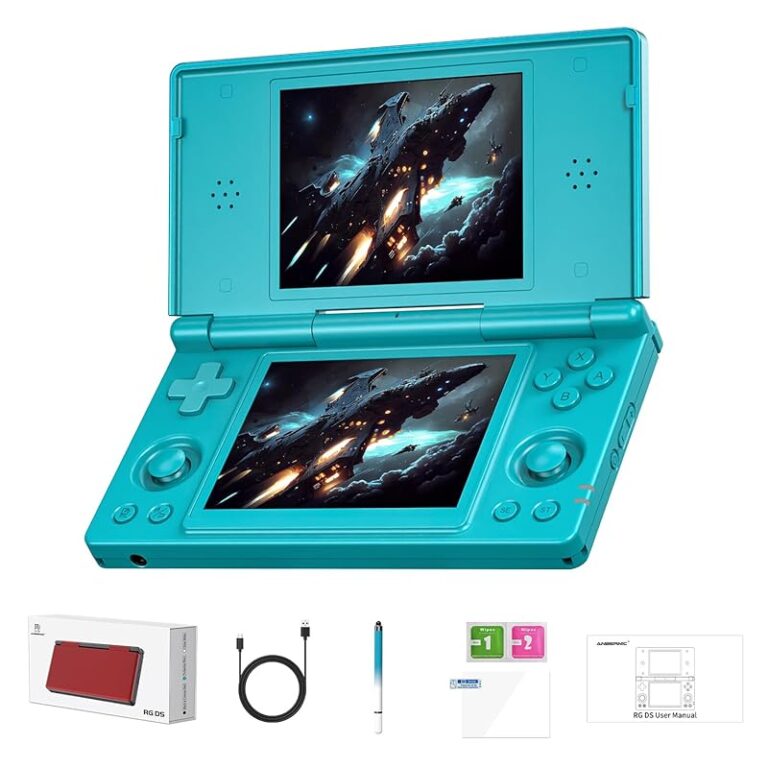
Gaming consoles are another great example. The PlayStation and Xbox use custom-designed processors that deliver stunning graphics and smooth gameplay. Soundbars and home theater systems also use chips to decode audio signals. Without these components, modern entertainment would not be the same.
Things That Use A Computer Chip In Your Vehicle
Modern cars contain more computer chips than early space rockets. A single vehicle can have over a hundred individual chips controlling different systems. These embedded chips are essential for safety, performance, and comfort.
Engine Control and Fuel Efficiency
The engine control unit, or ECU, is the brain of your car. It uses a microprocessor to monitor fuel injection, ignition timing, and emissions. This chip adjusts settings in real time for optimal performance. The result is better fuel economy and lower emissions.
Hybrid and electric vehicles take this even further. Their battery management systems rely on specialized chips to monitor charge levels and temperature. These chip components ensure your car runs safely and efficiently on every trip.
Safety Features and Driver Assistance
Anti-lock braking systems, or ABS, use computer chips to prevent wheel lockup during hard braking. Traction control systems rely on similar technology. Advanced driver assistance systems, or ADAS, use multiple chips to process data from cameras and sensors in real time.
Backup cameras, lane departure warnings, and automatic emergency braking all depend on chip technology. These features make driving safer for everyone on the road. The next time you start your car, remember that a digital chip is working hard to keep you safe.
Things That Use A Computer Chip In Healthcare
Medical Devices and Equipment
Hospitals are filled with devices that use computer chips. MRI machines use powerful processors to create detailed images of the body. Ultrasound equipment relies on chips to process sound waves into visual data. These semiconductor components help doctors diagnose conditions quickly and accurately.
Pacemakers are one of the most remarkable examples. This tiny device implants a microchip directly into the heart. It monitors rhythm and delivers electrical pulses when needed. Without this chip, millions of people with heart conditions would face serious risks every day.
Wearable Health Technology
Fitness trackers and smartwatches use chips to monitor your heart rate, steps, and sleep patterns. These electronic components process sensor data and display it on your wrist. Some devices can even detect irregular heartbeats and alert you to seek medical help.
Continuous glucose monitors for diabetic patients use similar technology. A small sensor chip tracks blood sugar levels and sends data to a smartphone app. This kind of innovation shows how powerful and life-changing chip technology can be.
Things That Use A Computer Chip In Everyday Electronics
Smartphones and Tablets
Your smartphone is probably the most powerful device you own. It contains multiple computer chips working together. The main processor chip handles apps, games, and all your daily tasks. A separate chip manages wireless connections like Wi-Fi and Bluetooth.
Memory chips store your photos, videos, and files. The graphics processing unit, or GPU, renders images and video on your screen. A typical smartphone contains five to ten different chips, each serving a specific purpose. This is why a modern phone is more powerful than a desktop computer from just a decade ago.
Laptops and Desktop Computers
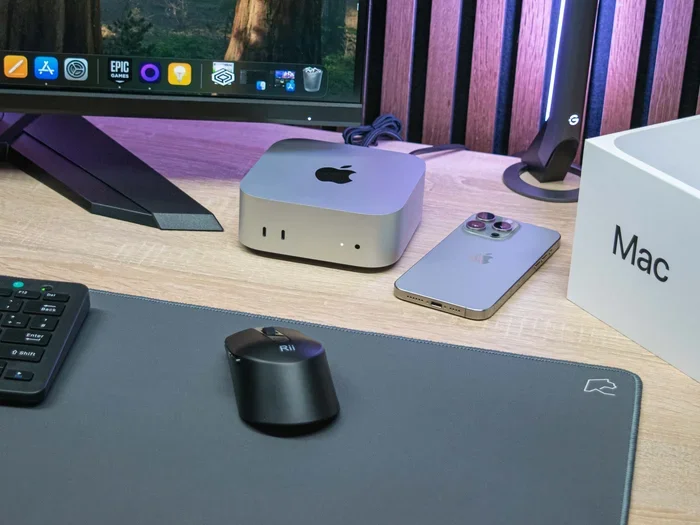
Of course, laptops and desktops are the most obvious devices that use a computer chip. The central processing unit, or CPU, is the main chip that runs everything. Laptops with a lot of RAM use memory chips to handle multitasking and heavy workloads. These components work together to deliver the computing power you need for work and play.
When choosing a laptop, the type of chip matters a lot. A best Dell laptop for home use will feature a modern processor and sufficient memory to handle everyday tasks smoothly. Understanding what goes inside your device helps you make better buying decisions. If you want to learn more about laptop power usage, check out this guide on how much power does a laptop use when plugged in.
RAM is another critical computer chip in any laptop. Upgrading your laptop memory can dramatically improve performance. You can find more information about laptops with a lot of RAM and how they benefit your workflow. For those worried about overheating, here is an article on can a laptop explode from overheating that explains how chips generate heat and what you can do about it.
Smart Home Devices
Smart speakers like Amazon Echo and Google Home use chips to process voice commands. They rely on embedded processors to understand your requests and respond appropriately. Smart thermostats use chips to learn your schedule and adjust temperatures automatically.
Security cameras and doorbell cameras also depend on computer chip technology. These devices process video footage in real time and send alerts to your phone. Even simple devices like robot vacuums use chips to map your home and navigate around furniture. The chip design inside these gadgets is what makes them truly smart.
Things That Use A Computer Chip In Unexpected Places
Cars and Traffic Systems
Beyond individual vehicles, entire traffic systems use computer chips. Traffic lights contain chips that control signal timing. Smart traffic systems adjust in real time based on congestion data. Electronic toll booths use chips to read transponders and process payments automatically.
Retail and Shopping
Self-checkout machines in grocery stores use chips to scan items and calculate totals. Point-of-sale systems rely on processors to handle transactions securely. Even the RFID tags on products contain tiny chips that store and transmit data. The retail industry depends heavily on chip technology to operate smoothly.
Agriculture and Farming
Modern farming equipment uses computer chips for precision agriculture. Tractors with GPS-guided systems rely on processors to plant seeds in straight rows. Drones used for crop monitoring contain chips that process aerial images. Even automated irrigation systems use microchips to measure soil moisture and adjust water flow. These applications show how chip manufacturers serve industries far beyond consumer electronics.
How Computer Chips Are Made
Creating a computer chip is an incredible feat of engineering. The process starts with pure silicon, which is refined from sand. This silicon is sliced into thin wafers, each one serving as the base for hundreds of chips.
Using photolithography, engineers etch microscopic circuits onto the wafer. A modern chip can have features smaller than a virus. These patterns form the circuitry that allows the chip to process information. After etching, the wafer is cut into individual chips and packaged for use.
The entire process takes place in clean rooms with strict temperature and humidity controls. Even a speck of dust can ruin a chip during manufacturing. This level of precision is why chip technology is so advanced and why chips continue to get smaller and more powerful every year.
The Future of Computer Chip Technology
The future of chip technology is exciting and full of possibilities. Engineers are working on chips that use less power while delivering more performance. New materials like graphene may replace traditional silicon in the coming years. These advances will make our devices faster, smaller, and more efficient.
Artificial intelligence is driving demand for specialized chips. AI processors can handle complex calculations much faster than traditional chips. This technology is already in your phone and is transforming industries from healthcare to transportation. The modern technology landscape will continue to evolve as chip innovation accelerates.
Quantum computing represents the next frontier. Quantum chips use principles of quantum physics to solve problems that regular computers cannot. While still in early stages, this technology could revolutionize fields like medicine, cryptography, and climate modeling. The potential of computer chips is truly limitless.
Why Understanding Computer Chips Is Important
Knowing about computer chips helps you make better decisions as a consumer. When you buy a laptop or a smartphone, the chip inside determines its performance and longevity. Understanding chip basics helps you choose the right device for your needs and budget.
It also helps you troubleshoot problems. If your device runs slow, it might need more memory or a better processor. If it overheats, the chip might need better cooling. Basic knowledge of computer hardware empowers you to take better care of your devices and get more value from them.
Conclusion
The world of computer chips is vast and fascinating. From your kitchen appliances to your car, from hospitals to farms, these tiny components power nearly every aspect of modern life. The things that use a computer chip go far beyond your desktop or laptop. They are in your phone, your thermostat, your watch, and even your refrigerator.
As chip technology continues to advance, we can expect even more innovative applications in the future. The microchip has come a long way since its invention, and its journey is far from over. The next time you use any electronic device, take a moment to appreciate the tiny chip working hard inside it. It is truly one of the most remarkable inventions in human history.
Frequently Asked Questions
What are the most common things that use a computer chip?
Smartphones, laptops, cars, smart home devices, and medical equipment are among the most common items that use a computer chip. Even everyday appliances like microwaves and refrigerators contain small microchips that control their functions. The list of devices with embedded chips is much longer than most people realize.
How many computer chips are in a modern car?
A modern car can contain anywhere from 50 to over 100 individual computer chips. These chips control everything from the engine and brakes to the infotainment system and safety features. Each chip serves a specific purpose, and they all work together to make your vehicle run smoothly and safely.
Can a computer chip be found in household appliances?
Yes, most modern household appliances use computer chips. Washing machines, dryers, dishwashers, and coffee makers all contain microprocessors that control their cycles and settings. Even basic appliances like toasters and blenders now use chips for better performance and convenience.
What is the difference between a microchip and a processor?
A microchip is a broad term for any integrated circuit on a small piece of semiconductor material. A processor is a specific type of microchip that performs calculations and executes instructions. All processors are microchips, but not all microchips are processors. Memory chips, for example, are microchips but not processors.
Why are computer chips so small?
Computer chips are small because of a manufacturing process called photolithography. Engineers etch circuits at the nanometer scale onto silicon wafers. Smaller chips mean more can fit on a single wafer, which reduces cost and improves performance. The trend toward smaller chips has driven decades of technological progress.
What role do computer chips play in healthcare?
Computer chips are essential in healthcare equipment like MRI machines, ultrasound devices, and pacemakers. They process complex data quickly and accurately, helping doctors diagnose and treat patients more effectively. Wearable health devices also use chips to monitor vital signs and alert users to potential health issues.