Traffic Light Sensors or Cameras
Traffic light sensors or cameras are the silent enforcers that keep intersections safe and efficient. This article explains the technology behind them, why cities use them, and what you should know to stay compliant and avoid unwanted tickets. Learn practical tips, real‑world examples, and answers to common questions—all in a friendly, easy‑to‑read format.
Key Takeaways
- How they work: Sensors detect vehicle presence, while cameras capture violations for enforcement.
- Types vary: Inductive loops, radar, infrared, and video‑analytics each have unique strengths.
- Legal landscape: Laws differ by state; some require signage, others allow silent enforcement.
- Driver tips: Anticipate sensor zones, obey signals, and know your rights if you receive a ticket.
- Privacy concerns: Most systems store only brief clips; data is protected by strict regulations.
- Future trends: AI, connected vehicle data, and smart‑city integration will make systems smarter.
- Cost vs. benefit: Cities save money on staffing while reducing accidents, but initial investment is high.
📑 Table of Contents
- Introduction: Why Traffic Light Sensors or Cameras Matter
- 1. The Technology Behind Traffic Light Sensors or Cameras
- 2. Why Cities Install Traffic Light Sensors or Cameras
- 3. Legal Landscape and Privacy Concerns
- 4. How Drivers Can Stay Safe and Avoid Tickets
- 5. Future Trends: Smarter, Connected, and Safer Intersections
- Conclusion: Navigating a World of Traffic Light Sensors or Cameras
Introduction: Why Traffic Light Sensors or Cameras Matter
Imagine driving through a busy downtown intersection. You glance at the signal, press the accelerator, and—boom—your car stops just as the light turns red. Most drivers never think about the invisible technology that helped make that smooth stop possible. That technology is the network of traffic light sensors or cameras that monitor vehicle flow, catch red‑light runners, and even help city planners improve traffic patterns.
These devices have become a common sight on streets across the United States, from the bustling avenues of Los Angeles to the quieter roads of the Outer Banks. Yet many motorists still wonder how they work, whether they’re legal, and what they can do to avoid a ticket. This guide breaks down the basics, explores the different types of sensors and cameras, and offers practical advice for everyday drivers.
1. The Technology Behind Traffic Light Sensors or Cameras
1.1 Inductive Loop Sensors
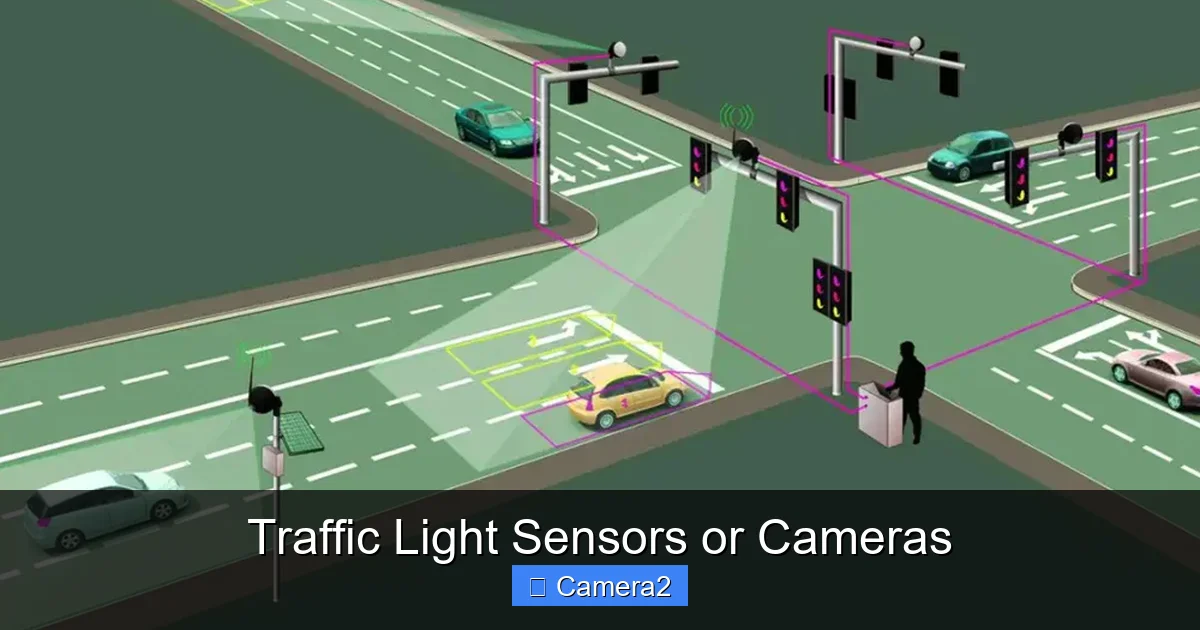
Inductive loops are the oldest and most widely used type of sensor. A loop of insulated wire is embedded in the pavement just before the stop line. When a metal object—like a car—passes over the loop, it changes the magnetic field, and the sensor detects the presence of the vehicle. This information tells the traffic signal when to change phases.
Visual guide about Traffic Light Sensors or Cameras
Image source: thestudentroom.co.uk
1.2 Radar and Microwave Sensors
Radar sensors emit radio waves that bounce off moving vehicles. By measuring the time it takes for the waves to return, the system calculates speed and distance. These sensors are especially useful in harsh weather because they’re less affected by water or snow.
1.3 Infrared and Video‑Analytics Cameras
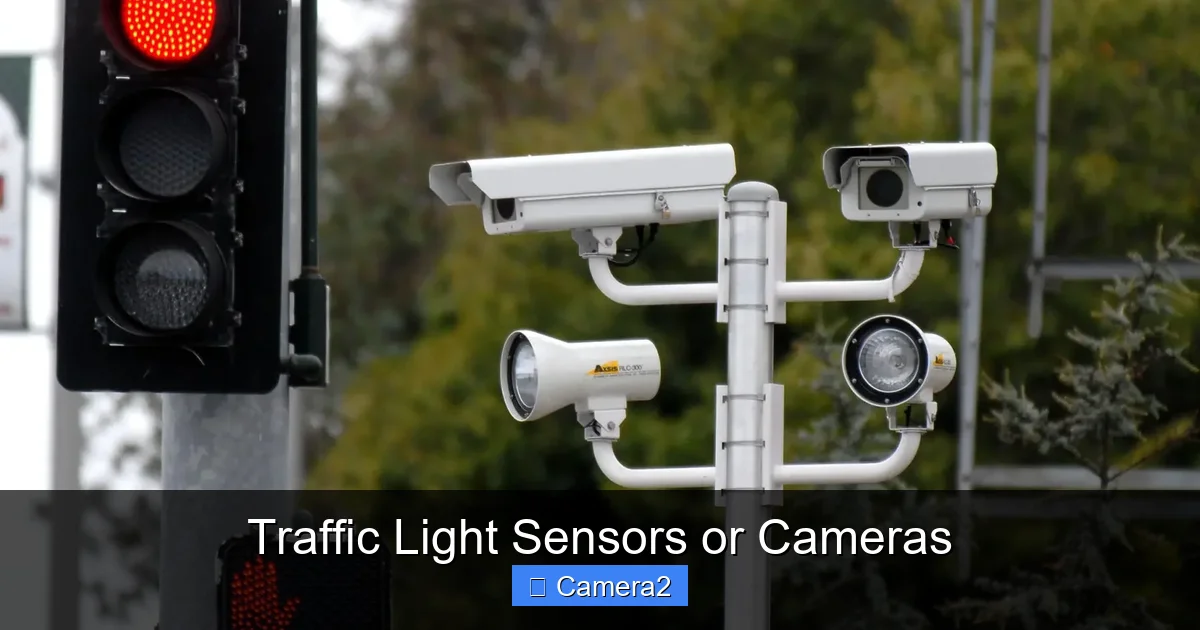
Modern intersections often use infrared cameras that can see in low light and video‑analytics software that identifies vehicle shapes, license plates, and even driver behavior. When a vehicle runs a red light, the camera captures a high‑resolution image or video clip, which is then reviewed for enforcement.
1.4 Combining Sensors and Cameras
Many cities pair sensors with cameras to create a “triggered‑capture” system. The sensor detects a violation first, then tells the camera to record. This reduces storage needs and focuses on relevant footage only.
2. Why Cities Install Traffic Light Sensors or Cameras
2.1 Safety Improvements
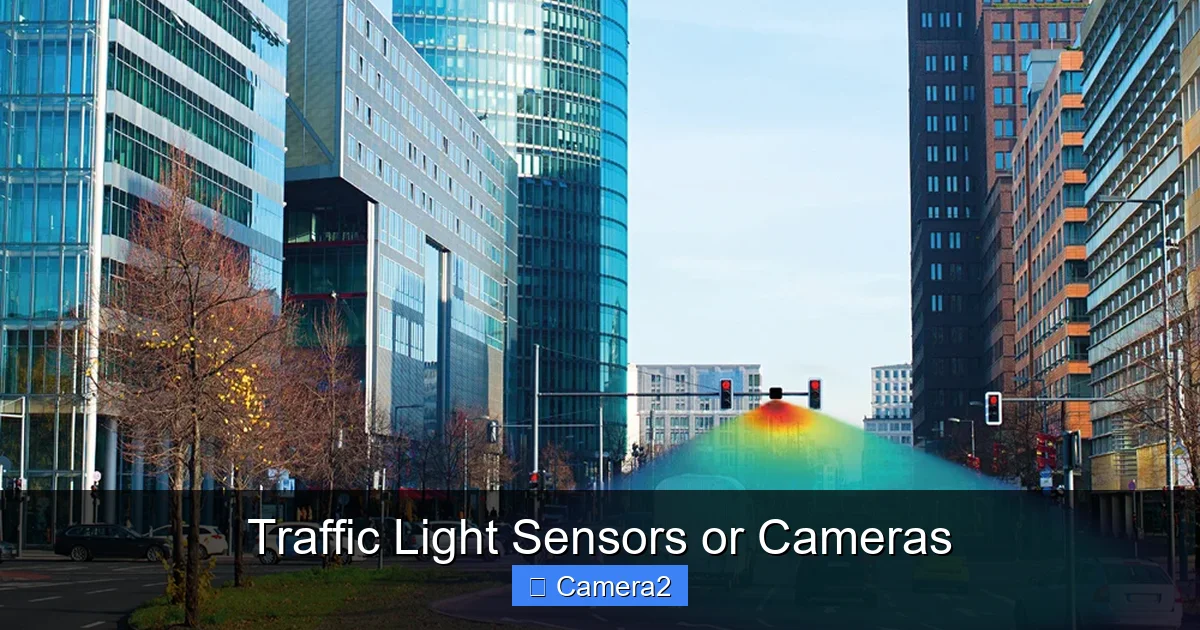
Studies consistently show that red‑light cameras reduce right‑turn collisions by up to 30 % and front‑to‑side crashes by 20 %. By enforcing compliance, cities protect pedestrians, cyclists, and drivers.
Visual guide about Traffic Light Sensors or Cameras
Image source: trafficsensor.cn
2.2 Traffic Flow Optimization
Sensors feed real‑time data to adaptive signal control systems. When a sensor detects a high volume of cars on one approach, the signal can extend the green phase, easing congestion.
2.3 Revenue Generation
Fines collected from violations often fund road maintenance, public safety programs, or even the cameras themselves. For example, the City Of Los Angeles Red Light Cameras program generated millions in revenue during its first decade.
2.4 Legal Evidence
When a driver contests a ticket, the stored image or video serves as objective evidence. This helps courts make consistent rulings.
3. Legal Landscape and Privacy Concerns
3.1 State‑by‑State Variations
In the United States, each state decides whether red‑light cameras are legal and how they must be used. Some, like California, require clear signage before a camera zone. Others, such as Florida, allow “silent” enforcement without signs. Always check local ordinances if you’re traveling out of state.
Visual guide about Traffic Light Sensors or Cameras
Image source: mercurynews.com
3.2 Data Retention Policies
Most jurisdictions keep footage for a limited period—usually 30 to 90 days—unless it is needed for a citation. The data is typically encrypted and accessible only to authorized personnel.
3.3 Privacy Advocacy
Privacy groups argue that constant monitoring can feel invasive. However, because cameras only record when a violation is detected, the amount of personal data collected is minimal compared to continuous surveillance systems.
3.4 Recent Court Decisions
Recent rulings have upheld the legality of cameras when proper signage is present. In contrast, courts have struck down tickets where signage was missing or ambiguous, emphasizing the importance of clear communication to drivers.
4. How Drivers Can Stay Safe and Avoid Tickets
4.1 Recognize Sensor Zones
Look for painted lines, signage, or the slight bump of a loop embedded in the road. In many cities, a small “camera” icon appears on the traffic signal face.
4.2 Practice the “3‑Second Rule”
When the light turns yellow, count three seconds. If you can safely stop before the stop line, do so. This reduces the chance of running a red light and triggering a camera.
4.3 Understand Ticket Procedures
If you receive a citation, review the photo or video. In many cases, a driver can contest the ticket if the vehicle’s license plate is not visible or the image is blurry. For example, the Red Light Camera Ticket Miami guide explains how to request evidence and file a contest.
4.4 Use Technology Wisely
While dash cams can record your side of the story, they do not prevent a traffic light camera from issuing a ticket. However, a dash cam can help you verify the accuracy of a citation.
4.5 Stay Informed About Local Laws
Because regulations change, regularly check your city’s transportation department website for updates on sensor placement and enforcement policies.
5. Future Trends: Smarter, Connected, and Safer Intersections
5.1 AI‑Powered Video Analytics
Artificial intelligence can now differentiate between a car that is genuinely running a red light and one that is making a legal turn on a yellow. This reduces false positives and improves fairness.
5.2 Vehicle‑to‑Infrastructure (V2I) Communication
Connected cars will soon receive real‑time signal phase information directly from traffic lights. This could eliminate the need for some cameras, as the vehicle itself can adjust speed to avoid violations.
5.3 Integrated Smart‑City Platforms
Data from sensors and cameras can feed into city‑wide dashboards, helping planners identify bottlenecks, schedule maintenance, and improve emergency response times.
5.4 Energy‑Efficient Designs
Solar‑powered cameras and low‑energy LED sensors are becoming standard, reducing the environmental impact of these systems.
Conclusion: Navigating a World of Traffic Light Sensors or Cameras
Whether you see a blinking red light, a small camera lens perched on a pole, or a faint line in the pavement, you’re encountering the technology that keeps our roads safer and smarter. Understanding how traffic light sensors or cameras work, why they’re installed, and what the law says can turn a potential surprise into a routine part of your drive.
Stay alert, respect the signals, and keep an eye on local regulations. By doing so, you’ll not only avoid costly tickets but also contribute to smoother traffic flow for everyone. The road ahead is already getting smarter—make sure you’re ready for it.
Frequently Asked Questions
What types of sensors are used at traffic lights?
Common types include inductive loop sensors, radar/microwave detectors, infrared cameras, and video‑analytics systems that can read license plates.
Do traffic light cameras record continuously?
No. Most cameras are triggered by a sensor that detects a violation, so they only record when a red‑light run is suspected.
Can I contest a red‑light camera ticket?
Yes. You can request the photo or video evidence, check for errors (like an unclear plate), and file a contest according to your local jurisdiction’s guidelines.
Are traffic light cameras legal everywhere in the U.S.?
Not everywhere. Some states have banned them, while others require clear signage. Always verify the rules in the state you’re driving.
How do traffic light sensors improve traffic flow?
They feed real‑time vehicle counts to adaptive signal controllers, which can extend green phases for busy approaches and reduce overall congestion.
Will my dash cam help me avoid a traffic light ticket?
A dash cam won’t stop a ticket, but it can provide your own video evidence if you need to challenge the citation.