What Is a Digital Optical Cable Used For
A digital optical cable transmits data using light pulses instead of electrical signals. It is commonly used for audio connections, video signal transfer, and network infrastructure in home theater setups and professional environments. The cable offers superior signal integrity, zero electromagnetic interference, and high bandwidth for clean digital transmission.
A digital optical cable is one of those tech components that quietly does its job behind the scenes. You plug it in, and your soundbar, TV, or audio receiver springs to life with crisp, clean audio. But what exactly is this cable, and what is it really used for?
At its core, a digital optical cable sends data using pulses of light instead of electrical signals. This makes it different from the copper wires you see in most everyday cables. The light travels through a thin glass or plastic fiber, carrying information from one device to another with remarkable precision. It is a simple concept with powerful results.
Whether you are setting up a home theater system, connecting audio gear, or building a network, understanding how digital optical cables work can save you time, money, and frustration. This guide breaks it all down in plain language so you can make smart decisions about your setup.
Key Takeaways
- Light-Based Transmission: Digital optical cables use light pulses to carry data, ensuring a clean and interference-free signal.
- Common Audio Use: They are widely used to connect soundbars, receivers, and TVs for digital audio and surround sound.
- No Electromagnetic Interference: Unlike copper cables, optical cables are immune to EMI, making them ideal for clean signal transfer.
- Multiple Connector Types: Toslink and mini-Toslink are the most popular connector formats for optical cables.
- Limitations Exist: Optical cables cannot carry high-resolution video signals like HDMI does, so they serve a specific purpose.
- Durability Matters: Fiber optic cables are fragile and require careful handling to maintain signal quality over time.
- Versatile Applications: From home audio to network infrastructure, digital optical cables serve many tech needs.
📑 Table of Contents
- What Exactly Is a Digital Optical Cable?
- What Is a Digital Optical Cable Used For?
- Digital Optical Cable vs. Other Cable Types
- Benefits of Using a Digital Optical Cable
- Common Mistakes and Tips for Using Digital Optical Cables
- Expert Insights on Digital Optical Cables
- Frequently Asked Questions
- Conclusion
What Exactly Is a Digital Optical Cable?
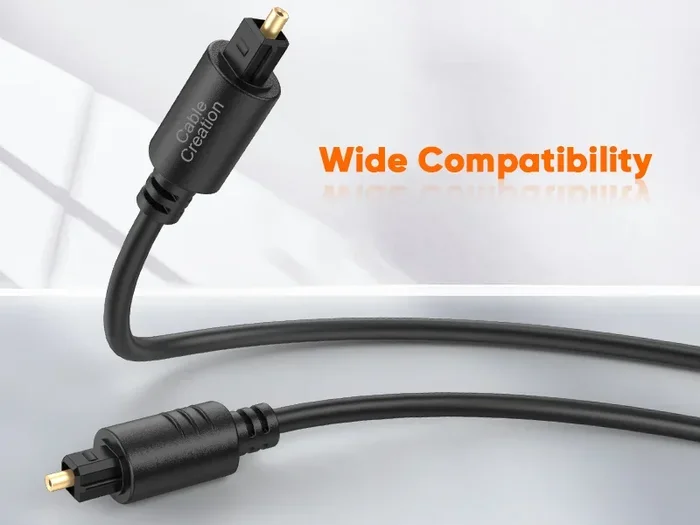
A digital optical cable is a type of cable that uses light to transmit digital data. It is also known as a fiber optic cable or a Toslink cable, depending on the connector style. Inside the cable, there is a thin strand of glass or plastic fiber wrapped in protective layers.
When a device sends data through the cable, it converts the information into pulses of light. These light pulses travel through the fiber and reach the other end, where they are converted back into digital data. This process happens in nanoseconds, making it incredibly fast and reliable.
The most common connector type is the standard Toslink plug, which looks like a small square or round piece that clicks into place. You will also see mini-Toslink connectors, which are smaller and often used with portable audio devices like laptops or smartphones.
How Does the Light Travel Through the Cable?
The fiber inside the cable works through a principle called total internal reflection. Light enters one end of the fiber and bounces off the walls of the inner core, staying trapped inside as it travels. This keeps the signal strong and prevents light from escaping, even around bends in the cable.
The outer jacket protects the fiber from physical damage. However, fiber optic cables are more delicate than copper cables. Bending them too sharply can break the internal fiber and disrupt the signal. This is why handling them with care matters.
What Is a Digital Optical Cable Used For?
The primary use of a digital optical cable is audio transmission. This is where you will find it in almost every home entertainment setup. But the applications go beyond just sound. Let us explore the main uses in detail.
Audio Connections for Home Theater
The most common use for a digital optical cable is connecting a TV to a soundbar, AV receiver, or home theater system. When your TV plays audio, it sends the sound through the optical cable to your external speakers. This delivers digital audio without any loss in quality.
Many people prefer optical audio connections because they avoid the electrical noise that can affect copper cables. The result is cleaner, more accurate sound. This is especially important for surround sound setups where every channel needs to be distinct and clear.
For example, if you have a soundbar connected to your TV via an optical cable, you will notice the dialogue and effects are sharper compared to using an analog connection. The digital signal stays pure from start to finish.
Connecting Audio Receivers and Amplifiers
Audio receivers often use digital optical cables to receive signals from multiple sources. A receiver might connect to a TV, a gaming console, or a streaming device all through optical inputs. This makes it easy to switch between sources without losing audio quality.
The cable carries uncompressed audio formats like Dolby Digital and DTS. These formats are essential for immersive sound experiences in movies and games. Without a digital optical connection, you might miss out on the full audio experience your content is designed to deliver.
Network and Data Transfer Applications
While less common in everyday homes, digital optical cables play a big role in network infrastructure. They are used in data centers and office buildings to transfer large amounts of data quickly. The high bandwidth of fiber optic cables makes them ideal for this purpose.
Unlike copper Ethernet cables, optical cables can transmit data over much longer distances without signal loss. This makes them perfect for connecting buildings or floors within a large office complex. The signal stays strong even over hundreds of meters.
Use in Professional Audio and Recording Studios
Professional recording studios rely on digital optical cables for connecting mixing consoles, audio interfaces, and recording equipment. The S/PDIF protocol, which uses optical connections, is a standard in the audio industry for transmitting two-channel stereo or surround sound audio.
Engineers prefer optical connections because they eliminate ground loops and electrical interference. This ensures that the recorded audio remains pristine and free from unwanted noise. For anyone serious about audio quality, a digital optical cable is a trusted tool.
Digital Optical Cable vs. Other Cable Types
Not all cables are created equal. Understanding how digital optical cables compare to other options helps you choose the right one for your needs. Below is a quick comparison of the most common cable types used for audio and video.
| Feature | Digital Optical Cable | HDMI Cable | Copper Audio Cable |
|---|---|---|---|
| Signal Type | Light pulses | Digital (audio + video) | Electrical analog |
| Audio Quality | High (uncompressed digital) | Very high (supports lossless) | Good (prone to interference) |
| Video Support | No | Yes | No |
| Interference Resistance | Excellent | Good | Poor |
| Max Distance | Up to 100 feet | Up to 50 feet | Up to 25 feet |
| Common Use | Audio connections | Audio and video | Basic audio |
As you can see, the digital optical cable excels at audio transmission but does not carry video. If you need both audio and video in one cable, HDMI is the better choice. However, for pure audio quality and interference resistance, nothing beats an optical connection.
Copper audio cables, like the ones used for older speakers, are more prone to picking up electromagnetic interference. This can cause a buzzing or humming sound in your audio. A digital optical cable completely avoids this problem because it uses light, not electricity.
Benefits of Using a Digital Optical Cable
There are several reasons why digital optical cables remain popular even in an age of wireless audio and advanced HDMI connections.
Superior Signal Integrity
Because the signal travels as light, it does not degrade the way electrical signals do over long distances. This means the audio you hear at the output is virtually identical to what was sent at the input. For critical listening environments, this level of signal integrity is essential.
Immune to Electromagnetic Interference
One of the biggest advantages of a digital optical cable is its immunity to EMI. Power cables, microwaves, and other electronic devices can all create interference that affects copper cables. Optical cables simply do not have this problem. This makes them ideal for setups with lots of electronic equipment crowded together.
Easy to Set Up
Plugging in a digital optical cable is straightforward. You do not need to worry about matching pins or orientations like with some other connectors. The Toslink connector clicks into place, and you are done. This simplicity makes it a favorite for people who are not tech experts.
Affordable and Widely Available
Digital optical cables are inexpensive compared to high-end HDMI or proprietary audio cables. You can find them at most electronics stores or online for just a few dollars. Despite the low cost, they deliver excellent performance that rivals much pricier alternatives.
Common Mistakes and Tips for Using Digital Optical Cables
Even though optical cables are simple to use, there are a few common mistakes people make. Avoiding these will help you get the best performance from your setup.
Bending the Cable Too Sharply
Fiber optic cables have a minimum bend radius. Bending them too sharply can break the internal fiber or cause light to leak out. This results in signal loss or no signal at all. Always use gentle curves when routing your cable, and never force it into a tight bend.
Dust and Debris on Connectors
Even a tiny speck of dust on the connector end can block the light signal and cause audio dropouts. Before plugging in a digital optical cable, always check the connector for dirt. A quick wipe with a clean, dry cloth can prevent this issue. Some people keep connector caps on hand to protect the ends when not in use.
Using the Wrong Cable Length
Longer cables can sometimes cause signal loss, especially with lower-quality cables. Keep your cable runs as short as possible for the best results. If you need to cover a long distance, consider using a higher-quality cable with a stronger light source to compensate.
Not Checking Device Compatibility
Not all devices support optical audio output. Before buying a digital optical cable, check that both your source device and your receiving device have optical ports. Some modern TVs and soundbars are moving away from optical connections in favor of HDMI eARC, so compatibility is worth verifying first.
Expert Insights on Digital Optical Cables
Audio engineers and AV specialists often recommend digital optical cables for specific scenarios. Here is what the pros have to say.
For home theater setups, an optical cable is the go-to choice when HDMI is not an option or when you want a dedicated audio-only connection. It provides clean, uncompressed surround sound that makes movies and games feel more immersive. The frequency response of an optical connection is excellent for most consumer audio formats, delivering clear highs and deep bass without coloration.
In professional settings, optical cables are valued for their long-distance capabilities and resistance to interference. A well-installed fiber optic network can handle massive data loads across entire buildings. This is why many modern recording studios and broadcast facilities rely on digital optical cables as part of their core infrastructure.
For everyday users, the key takeaway is simple. If you want reliable, high-quality audio without interference, a digital optical cable is a smart and affordable choice. It may not be the flashiest piece of tech, but it gets the job done exceptionally well.
Frequently Asked Questions
Can a digital optical cable carry video signals?
No, a digital optical cable is designed for audio only. It cannot transmit video signals. If you need both audio and video in one cable, you should use an HDMI cable instead. The optical connection is purely for digital audio transmission.
Is a digital optical cable better than an HDMI cable for audio?
It depends on your needs. HDMI can carry both audio and video and supports higher-quality formats like Dolby TrueHD and DTS-HD Master Audio. However, for basic digital audio, a digital optical cable delivers excellent quality and is immune to electrical interference. Choose HDMI for convenience and optical for pure audio quality.
How far can a digital optical cable run without signal loss?
A standard digital optical cable can run up to about 100 feet (30 meters) without noticeable signal loss. Beyond that, you may need a signal booster or a higher-quality cable. For most home setups, the standard length is more than sufficient.
Do digital optical cables support surround sound?
Yes, digital optical cables support surround sound formats like Dolby Digital and DTS. They can carry up to 5.1 channels of audio, making them great for home theater systems. For newer formats like Dolby Atmos, you may need an HDMI connection instead.
Are digital optical cables fragile?
Fiber optic cables are more delicate than copper cables. The internal glass fiber can break if the cable is bent too sharply or crushed. However, with proper handling and gentle routing, a digital optical cable can last for many years without issues.
Can I use a digital optical cable with a PC or laptop?
Yes, many PCs and laptops have optical audio outputs. You can use a digital optical cable to connect your computer to an external speaker system or audio interface. This is especially useful for music production or enjoying high-quality audio while gaming and streaming.
Conclusion
A digital optical cable is a simple yet powerful tool for transmitting high-quality digital audio. From connecting your TV to a soundbar to building a professional recording studio setup, it serves a wide range of purposes with reliability and clarity. Its immunity to interference and excellent signal integrity make it a favorite among both casual users and audio professionals.
While it may not carry video or support the newest audio formats like HDMI does, the digital optical cable remains a dependable and affordable choice for pure audio connections. If you are building or upgrading your audio setup, do not overlook this unsung hero of digital connectivity. A single cable can transform your listening experience and bring your entertainment to life.