What Is an Hvac Sequencer
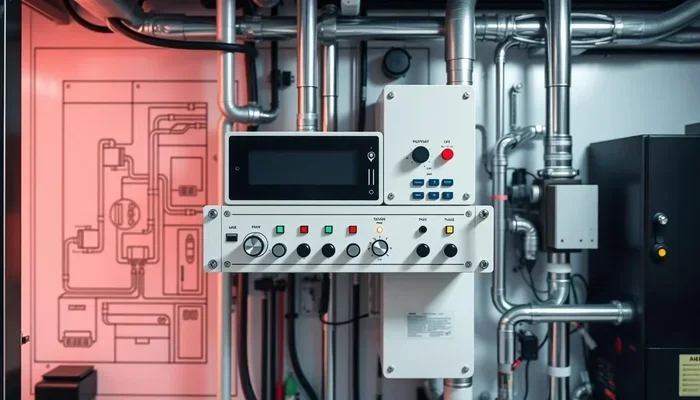
An HVAC sequencer is an electrical control device that manages the startup and shutdown sequence of heating and cooling components in your HVAC system. It ensures that your furnace, compressor, and fan motor activate in the correct order to prevent damage and improve efficiency. Understanding how a HVAC sequencer works can help you troubleshoot problems and keep your system running smoothly.
If you have ever wondered why your furnace or air conditioner doesn’t just turn on all at once, the answer lies in a small but mighty component called the HVAC sequencer. This device plays a critical role in how your heating and cooling system operates every single day. Without it, your HVAC system would try to power up all its major components at the same time, which could lead to electrical overloads, equipment damage, and even safety hazards.
In this guide, we will break down everything you need to know about HVAC sequencers. You will learn what they do, how they work, the different types available, and how to spot when one is failing. Whether you are a homeowner trying to understand your system better or a technician looking for a refresher, this article has you covered.
Key Takeaways
- Sequencers control activation order: They make sure HVAC components turn on and off in the right sequence to protect the system.
- Multiple types exist: Time-delay sequencers, solid-state sequencers, and mechanical sequencers each serve different purposes.
- Failure signs are clear: Frequent tripping, uneven heating, and strange noises often point to a bad sequencer.
- Maintenance is simple: Regular inspection and cleaning can extend the life of your HVAC sequencer significantly.
- Safety is a top priority: A working sequencer prevents electrical surges and component damage during startup.
- Replacement is affordable: Most sequencers are inexpensive and easy to swap out with basic tools.
📑 Table of Contents
- What Is an Hvac Sequencer?
- How Does an Hvac Sequencer Work?
- Types of Hvac Sequencers
- Key Components of an Hvac Sequencer
- Common Signs Your Hvac Sequencer Is Failing
- How to Maintain Your Hvac Sequencer
- Hvac Sequencer vs. Hvac Contactor: What Is the Difference?
- When to Call a Professional
- Final Thoughts
What Is an Hvac Sequencer?
A HVAC sequencer is an electrical control device that manages the order and timing in which different components of your heating or cooling system activate. Think of it as a traffic controller for your HVAC system. Instead of letting everything power on at once, the sequencer staggers the startup process so each part gets the electrical support it needs.
Most residential HVAC systems use a time-delay sequencer. This type of sequencer introduces a short pause between the activation of each component. For example, it might power the blower fan first, wait a few seconds, then engage the compressor, and finally activate the heating element. This HVAC startup sequence is essential for protecting your equipment and ensuring safe operation.
The sequencer sits inside your furnace or air handler and connects to the HVAC control board. When the thermostat calls for heat or cool air, the control board sends a signal to the sequencer, which then begins its timed activation process. It is a simple concept, but it makes a huge difference in how reliably your system performs.
How Does an Hvac Sequencer Work?
Understanding how a HVAC sequencer works is easier than you might think. The process follows a clear and repeating pattern every time your system cycles on or off.
The Activation Process
Here is a step-by-step look at how the HVAC activation sequence typically works:
- Thermostat calls for heating or cooling. Your thermostat detects that the room temperature has fallen below or risen above the set point. It sends a signal to the HVAC control board.
- Control board receives the signal. The control board processes the request and sends a command to the sequencer to begin its startup cycle.
- Sequencer activates the first component. Usually, the blower fan or circulating fan is the first component to power on. This ensures air is moving through the system before heating or cooling begins.
- Time delay begins. The sequencer introduces a short pause, typically between five and thirty seconds, depending on the system design.
- Additional components activate in sequence. The sequencer then powers the next component, such as the compressor or heating element, after the delay period has passed.
- System reaches full operation. Once all components are running, the system operates normally until the thermostat is satisfied.
- Shutdown sequence begins. When the thermostat reaches its set point, the sequencer reverses the process, shutting components down in the proper order.
Why the Sequence Matters
The HVAC sequencing order is not random. Each step serves a specific purpose. Activating the blower first prevents the system from pushing air over a cold or hot coil before it is ready. Delaying compressor startup reduces the electrical surge that would otherwise occur if everything powered on simultaneously. This careful sequencing protects your HVAC compressor, extends the life of your fan motor, and keeps your energy bills in check.
Types of Hvac Sequencers
Not all sequencers are the same. Different systems require different types of sequencing devices. Here are the most common ones you will encounter.
Time-Delay Sequencers
Time-delay sequencers are the most common type found in residential HVAC systems. They use a simple mechanical or electronic timer to introduce a fixed delay between component activations. These sequencers are reliable, affordable, and easy to replace. Most homeowners will never need to think about anything more advanced than this type.
Solid-State Sequencers
Solid-state sequencers use electronic circuits instead of mechanical timers. They offer faster and more precise control over the activation sequence. These sequencers are commonly found in modern, high-efficiency systems where precise timing matters. They also tend to last longer because they have fewer moving parts.
Mechanical Sequencers
Mechanical sequencers rely on physical components like relays and timers to control the sequence. They are older technology but still found in many legacy systems. While they work well, they are more prone to wear and tear over time compared to solid-state alternatives.
Programmable Sequencers
Programmable sequencers allow technicians to customize the timing and order of component activation. These are often used in commercial HVAC systems where different zones or components require specific startup schedules. They offer the most flexibility but come at a higher cost.
Key Components of an Hvac Sequencer
A HVAC sequencer is made up of several smaller components that work together to control the activation sequence. Understanding these parts can help you troubleshoot issues more effectively.
- Relays: These are the switches that actually turn components on and off. Each relay controls a different part of the system, such as the blower, compressor, or heating element.
- Timers: The timer determines how long to wait between each relay activation. It is the brain of the sequencer.
- Control Board Connection: The sequencer plugs into or connects to the HVAC control board, which receives signals from the thermostat.
- Wiring Terminals: These are the connection points where wires from each component attach to the sequencer.
- Safety Switches: Many sequencers include built-in safety switches that prevent activation if something is wrong, such as an open circuit or overheating component.
All of these components work together as part of the broader HVAC system control process. If even one part fails, the entire sequence can be disrupted, leading to performance problems or complete system shutdown.
Common Signs Your Hvac Sequencer Is Failing
A failing HVAC sequencer will usually give you clear warning signs. Catching these early can save you from more expensive repairs down the road.
1. System Trips the Breaker
If your HVAC system frequently trips the circuit breaker when it starts up, a faulty sequencer could be the culprit. When the sequencer fails to stagger the startup properly, all components try to draw power at once, causing an electrical overload.
2. Uneven Heating or Cooling
If some rooms in your home feel too hot while others feel too cold, the sequencer may not be activating components in the correct order. This disrupts airflow and temperature distribution throughout your home.
3. Clicking or Buzzing Sounds
Unusual noises coming from your furnace or air handler often indicate a failing relay inside the sequencer. A worn relay may chatter or click rapidly instead of engaging cleanly.
4. System Starts but Does Not Fully Engage
Sometimes the blower fan will turn on, but the compressor or heating element will not follow. This is a classic sign of a sequencer that is stuck or has a failed relay.
5. System Runs Continuously
If your HVAC system never seems to shut off, the sequencer may be failing to send the shutdown signal to individual components. This wastes energy and puts unnecessary strain on your equipment.
How to Maintain Your Hvac Sequencer
Good maintenance goes a long way in keeping your HVAC sequencer functioning properly. Here are some practical tips to follow.
Inspect Regularly
During routine HVAC maintenance visits, ask your technician to inspect the sequencer for signs of wear, burn marks, or loose connections. Catching a problem early can prevent a cascade of other issues.
Keep It Clean
Dust and debris can accumulate around the sequencer and its wiring terminals. A clean sequencer operates more reliably and lasts longer. Use compressed air to gently remove any buildup, but always turn off the power first.
Check Wiring Connections
Loose or corroded wiring terminals can disrupt the HVAC wiring sequence and cause intermittent failures. Make sure all connections are tight and free from corrosion during each maintenance check.
Replace When Needed
Sequencers are relatively inexpensive parts. If your technician recommends replacement, it is usually a wise investment. Trying to repair a damaged sequencer often costs more than replacing it outright, and a new one comes with a fresh warranty.
Hvac Sequencer vs. Hvac Contactor: What Is the Difference?
People often confuse the HVAC sequencer with the HVAC contactor, but they serve different purposes in the system.
A contactor is a heavy-duty switch that controls the flow of electricity to major components like the compressor and condenser fan. It handles high voltage and is designed for frequent switching. A sequencer, on the other hand, controls the timing and order in which those components receive power.
Think of it this way: the contactor is the switch that turns the lights on, and the sequencer is the timer that makes sure the hallway light comes on before the kitchen light. Both are essential, but they do different jobs. In many HVAC systems, the sequencer works alongside multiple contactors to create a smooth, coordinated startup and shutdown process.
Proper project management of your HVAC system’s electrical components ensures that the sequencer and contactors work together seamlessly. When one fails, the other often shows signs of stress, so it is smart to have both inspected during maintenance visits.
When to Call a Professional
While some homeowners enjoy DIY HVAC troubleshooting, working with HVAC electrical components carries real risks. High voltage, refrigerant lines, and complex wiring all demand respect and expertise.
You should call a licensed HVAC technician if you notice any of the following:
- Frequent breaker trips that persist after replacing the sequencer
- Burning smells or visible scorch marks near the sequencer
- System short-cycling (turning on and off rapidly)
- Any work involving opening the furnace or air handler panel
A professional can also test your HVAC control relay and HVAC power supply to make sure the entire electrical system is functioning correctly. Modern smart systems may also integrate with cloud-based SaaS environments for remote monitoring, so a technician can help you take advantage of these features if your system supports them.
Final Thoughts
The HVAC sequencer might be a small component, but its role in your heating and cooling system is enormous. It protects your equipment, improves efficiency, and ensures safe operation every time your system cycles on or off. By understanding how it works and recognizing the signs of failure, you can take better care of your HVAC system and avoid costly repairs.
Regular maintenance, prompt attention to warning signs, and professional inspections will keep your sequencer and entire system running at peak performance for years to come. Do not overlook this humble but essential part of your home comfort setup.
Modern HVAC technology continues to evolve, and newer systems are incorporating smarter sequencing controls that integrate with digital home management platforms. Staying informed about these advances helps you make smarter decisions about your home’s heating and cooling needs. Whether you are replacing an old system or simply trying to understand your current setup better, the HVAC sequencer is a topic worth knowing well.
Frequently Asked Questions
What does an HVAC sequencer do?
An HVAC sequencer controls the order and timing in which different components of your heating or cooling system activate. It ensures the blower fan, compressor, and heating element start up in the correct sequence to protect the system and improve efficiency.
Can a bad sequencer cause my HVAC system to trip the breaker?
Yes, a failing sequencer often causes breaker trips. When the sequencer malfunctions, it may allow multiple components to draw power simultaneously, creating an electrical overload that trips the breaker.
How much does it cost to replace an HVAC sequencer?
Most HVAC sequencers are affordable parts, typically costing between 50 and 150 dollars. Labor costs vary depending on your location and the complexity of accessing the sequencer inside your furnace or air handler.
Is it hard to replace an HVAC sequencer yourself?
Replacing a sequencer involves working with electrical components inside your HVAC system, which carries safety risks. If you are comfortable with basic electrical work and follow all safety precautions, it can be a manageable DIY job. Otherwise, hiring a licensed technician is the safest choice.
How long does an HVAC sequencer last?
A well-maintained HVAC sequencer can last between 10 and 20 years. However, factors like frequent power surges, dust buildup, and overall system usage can shorten its lifespan. Regular maintenance helps maximize its durability.
Are all HVAC sequencers the same?
No, sequencers vary by type, size, and application. Residential systems typically use time-delay or solid-state sequencers, while commercial systems may use programmable sequencers with customizable timing. Always match the sequencer to your specific system requirements.