What Is Digital Coding
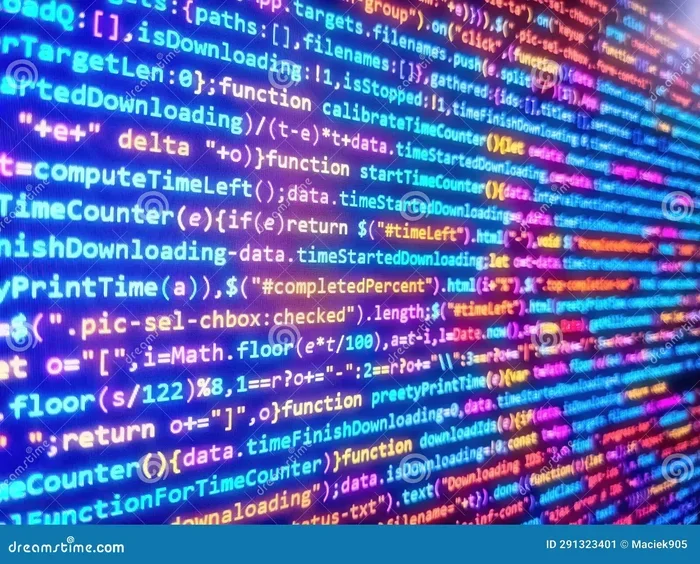
Digital coding is the process of writing instructions that computers follow to perform tasks. It uses programming languages to create software, websites, apps, and more. Whether you are a beginner or curious about tech, understanding digital coding opens up a world of opportunities in the modern digital landscape.
Have you ever wondered how your favorite apps, websites, or video games actually work? The answer lies in digital coding. It is the invisible language that tells computers what to do. Every time you tap a screen, click a link, or stream a video, code is running behind the scenes.
Digital coding might sound intimidating, but at its core, it is simply a way of giving instructions to a machine. Think of it like writing a recipe. You list steps in a specific order, and the computer follows them exactly. The better the instructions, the better the result. This guide breaks down everything you need to know about digital coding in plain, simple language.
Whether you are curious about a career in tech or just want to understand how the digital world works, you are in the right place. Let us dive into what digital coding really means and why it matters so much today.
Key Takeaways
- Digital coding translates human instructions into machine-readable language. This is the foundation of all software and digital tools.
- There are many coding languages. Each serves a different purpose, from building websites to analyzing data.
- Learning to code builds valuable problem-solving skills. These skills apply far beyond technology jobs.
- Digital coding drives innovation. It powers everything from smartphones to artificial intelligence.
- You do not need a degree to start. Many free and affordable resources make coding accessible to everyone.
- Coding careers are in high demand. Tech jobs continue to grow across industries worldwide.
📑 Table of Contents
- What Does Digital Coding Mean?
- How Does Digital Coding Work?
- Popular Coding Languages You Should Know
- Why Digital Coding Matters Today
- Common Types of Digital Code
- Getting Started With Digital Coding
- Career Opportunities in Digital Coding
- Common Mistakes Beginners Make
- The Future of Digital Coding
- Conclusion
What Does Digital Coding Mean?
At its simplest, digital coding is the process of writing instructions for computers using a programming language. Computers do not understand English or any human language. They only understand binary, which is a series of ones and zeros. Digital coding acts as a bridge between human ideas and machine actions.
When a software developer writes code, they are creating a set of rules the computer must follow. These rules tell the computer how to process data, display images, connect to the internet, and much more. Without coding, computers would just be expensive boxes with no purpose.
The History of Digital Coding
Digital coding has come a long way since the mid-20th century. Early computers used machine language, which was extremely complex. Programmers had to write instructions in binary code, which was slow and error-prone. Over time, higher-level programming languages were developed to make the process easier and more efficient.
Today, there are hundreds of programming languages. Each one was designed with a specific purpose in mind. Some are great for building websites, while others excel at data analysis or game development. The evolution of digital coding has made technology accessible to millions of people around the world.
How Does Digital Coding Work?
Digital coding works by using a code editor or integrated development environment (IDE) to write instructions. These instructions are written in a specific programming language. The code is then compiled or interpreted, which translates it into machine language the computer can execute.
Here is a simple breakdown of how the process works:
- Write the code. The programmer types instructions using a specific coding language.
- Compile or interpret. The code is translated into machine-readable binary.
- Execute. The computer runs the instructions and performs the desired task.
- Debug. The programmer checks for errors and fixes them to improve performance.
This cycle repeats many times during software development. Writing code is only part of the process. Testing and fixing bugs are equally important steps in creating reliable digital products.
What Is Code Compilation?
Code compilation is the process of converting human-written code into a format the computer can understand. Some languages, like C++, use a compiler. Others, like Python, use an interpreter. Both approaches achieve the same goal: turning programming instructions into action.
Understanding code compilation helps you appreciate why different languages behave differently. Some run faster because they are compiled ahead of time. Others are more flexible because they are interpreted on the fly. Each approach has its strengths in the world of digital coding.
Popular Coding Languages You Should Know
There are many programming languages out there. Each one has its own syntax and purpose. Here are some of the most popular coding languages used today:
- Python: Known for its simplicity and readability. Great for beginners and widely used in data science and automation.
- JavaScript: Powers interactivity on websites. It is essential for front-end and back-end web development.
- Java: A versatile language used in Android apps, enterprise software, and large systems.
- C++: A powerful language used in game engines, operating systems, and performance-critical applications.
- HTML/CSS: Not true programming languages, but essential for building and styling web pages.
- SQL: Used for managing and querying databases. Critical for data-driven applications.
Choosing the right coding language depends on your goals. Want to build websites? Start with JavaScript. Interested in data? Python is a fantastic choice. Each language serves a unique role in the broader digital coding ecosystem.
Why Digital Coding Matters Today
Digital coding is everywhere. It powers the smartphones in our pockets, the websites we visit, and the software businesses rely on daily. In today’s economy, coding skills are more valuable than ever before.
Companies across every industry need software developers. Healthcare, finance, education, entertainment, and even agriculture all depend on digital technology. When a hospital uses software to manage patient records, that is digital coding at work. When you order food through an app, code connects you to the restaurant.
Beyond jobs, digital coding empowers individuals. It lets you build your own website, create a mobile app, or automate repetitive tasks. Learning to code gives you the ability to turn your ideas into reality. It is one of the most practical skills you can develop in the modern world.
Many people also use coding as a creative outlet. Building a game, designing an interactive art project, or crafting a personal blog all start with writing code. The creative possibilities are truly endless when you understand digital coding.
Digital Coding in Everyday Life
You interact with digital coding every single day, often without realizing it. When you swipe right on a dating app, code processes your choice. When you ask a smart speaker a question, code interprets your voice. Even the traffic lights at your intersection run on programmed instructions.
Building a SaaS environment also relies heavily on digital coding. Cloud-based software platforms that businesses use daily are built entirely through programming. Understanding how code works gives you a deeper appreciation for the technology that shapes modern life.
Common Types of Digital Code
Digital coding comes in many forms. Each type serves a different purpose in the tech world. Here are some of the most common types you will encounter:
- Source Code: The human-readable version of a program. This is what programmers write and edit.
- Machine Code: The binary instructions the computer processor actually executes.
- Bytecode: An intermediate form used by some languages, like Java, for cross-platform compatibility.
- Markup Code: Languages like HTML that define the structure and layout of web content.
- Scripting Code: Lightweight code used to automate tasks, often in web browsers or servers.
Each type of code plays a vital role in the software development process. Source code is what programmers create. Machine code is what computers run. Understanding the difference helps you appreciate how digital coding transforms ideas into functional technology.
Getting Started With Digital Coding
Starting your coding journey is easier than you might think. You do not need expensive equipment or a computer science degree. All you need is a computer, an internet connection, and curiosity.
Here are some practical steps to get started:
- Pick a language. Python and JavaScript are excellent choices for beginners. They have large communities and plenty of learning resources.
- Use free resources. Websites, YouTube tutorials, and interactive platforms make learning accessible and affordable.
- Practice daily. Like any skill, coding improves with consistent practice. Even 20 minutes a day makes a big difference.
- Build projects. Start small. Create a simple webpage, a calculator, or a to-do list. Real projects reinforce what you learn.
- Join a community. Online forums and local coding groups provide support, feedback, and motivation.
Many people also use project management tools to organize their learning journey. These tools help you set goals, track progress, and stay consistent with your coding practice. Whether you are building a personal project or collaborating with a team, staying organized accelerates your growth.
If you are interested in web development, you might explore platforms like Webflow that make building websites more accessible through visual tools backed by code. This is a great way to see how digital coding translates into real, functional websites without starting from scratch.
Tips for Staying Motivated
Learning to code can be challenging. You will encounter errors, confusing concepts, and frustrating bugs. That is completely normal. Even experienced programmers face these challenges every day. Here are a few tips to keep you going:
- Break problems into small steps. Tackle one piece at a time instead of trying to solve everything at once.
- Read other people’s code. Open-source projects on platforms like GitHub are excellent learning resources.
- Do not be afraid to ask for help. Online communities are welcoming and full of people happy to share their knowledge.
- Celebrate small wins. Every bug you fix and every project you complete is progress worth acknowledging.
Remember, digital coding is a journey, not a destination. Every expert was once a beginner. The key is to stay curious and keep building.
Career Opportunities in Digital Coding
Digital coding opens doors to exciting career paths. The demand for skilled programmers continues to grow across industries. Here are some popular roles that rely on coding skills:
- Software Developer: Builds applications, tools, and systems using various programming languages.
- Web Developer: Creates websites and web applications using HTML, CSS, JavaScript, and more.
- Data Scientist: Analyzes complex datasets using languages like Python and R.
- Mobile App Developer: Designs and builds apps for smartphones and tablets.
- DevOps Engineer: Manages the deployment and infrastructure of software systems.
Many of these roles offer competitive salaries and flexible work arrangements. Some companies allow remote work or freelance opportunities. Building strong digital coding skills gives you the freedom to choose the career path that fits your lifestyle.
If you are exploring a career in tech, understanding software development fundamentals is essential. You might also consider how digital coding skills apply to managing tech teams or building SaaS environment solutions for clients. The more you learn, the more doors open.
Common Mistakes Beginners Make
When you first start learning digital coding, it is easy to fall into a few common traps. Being aware of these mistakes helps you avoid frustration and learn faster:
- Trying to learn too many languages at once. Focus on one language first. Master the basics before moving to another.
- Skipping practice. Reading tutorials is helpful, but writing actual code is where real learning happens.
- Ignoring errors. Bugs and error messages are not your enemy. They are valuable learning opportunities.
- Comparing yourself to others. Everyone learns at their own pace. Your journey is unique and valid.
- Not building projects. Theory is important, but applying what you learn through real projects builds confidence and skill.
Avoiding these mistakes does not mean you will never struggle. Struggling is part of the learning process. The key is to stay persistent and keep moving forward with your digital coding education.
The Future of Digital Coding
Digital coding is constantly evolving. New languages, tools, and frameworks emerge every year. Artificial intelligence and machine learning are reshaping how we write and use code. Low-code and no-code platforms are making programming accessible to non-technical users.
Despite these advances, the fundamentals of digital coding remain the same. Understanding how code works gives you a strong foundation that adapts to any new technology. Whether you are interested in traditional programming or cutting-edge AI development, coding skills will serve you well.
The world of digital coding is exciting and full of possibility. As technology continues to advance, the need for skilled programmers and coders will only grow. Now is the perfect time to start your journey into the world of digital coding.
Conclusion
Digital coding is the backbone of our modern digital world. It transforms human ideas into functional technology that we use every day. From building websites to powering artificial intelligence, coding drives innovation across every industry. Learning even the basics of digital coding can open new career opportunities, spark creativity, and deepen your understanding of the technology around you.
You do not need to be a genius to start coding. You just need curiosity, patience, and a willingness to practice. The resources are out there, the community is supportive, and the rewards are real. Take the first step today, and discover what digital coding can do for you.
Frequently Asked Questions
What is digital coding in simple terms?
Digital coding is the process of writing instructions that computers follow using a programming language. These instructions tell the computer what tasks to perform, from displaying a webpage to running a complex application. Think of it as writing a detailed recipe that a machine can follow step by step.
Do I need to be good at math to learn digital coding?
Not necessarily. While some areas of coding involve math, many coding tasks rely more on logic and problem-solving than advanced mathematics. Basic arithmetic and a willingness to think creatively are often more important than being a math expert. Many successful coders come from non-math backgrounds.
How long does it take to learn digital coding?
The timeline varies depending on your goals and how much time you dedicate. You can learn the basics of a language like Python in a few weeks. Becoming job-ready typically takes several months of consistent practice. The beauty of digital coding is that learning never really stops, and every project makes you better.
Can I learn digital coding for free?
Absolutely. There are many free resources available, including interactive tutorials, video courses, and open-source projects. Websites, YouTube channels, and coding bootcamps offer free content that covers everything from coding fundamentals to advanced software development techniques. All you need is the motivation to start.
What is the difference between coding and programming?
The terms are often used interchangeably, but there is a subtle difference. Coding refers specifically to writing code in a programming language. Programming is a broader term that includes coding, debugging, testing, and designing entire software systems. Think of coding as one essential part of the larger programming process.
Is digital coding a good career choice?
Yes, digital coding careers are in high demand and offer strong salaries and growth opportunities. Tech roles exist in nearly every industry, from healthcare to entertainment. As businesses continue to digitize, the need for skilled programmers and software developers will only increase, making it a smart long-term career path.