What Is the Purpose of a Floppy Disk Drive
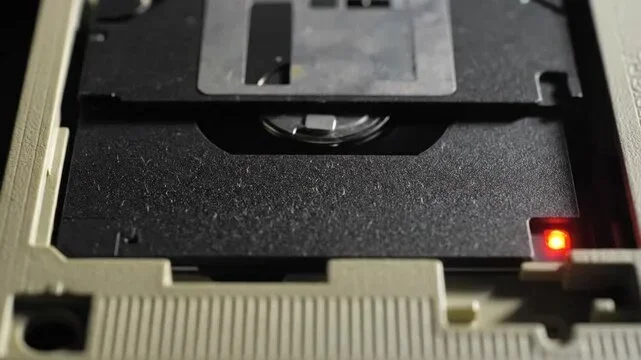
The floppy disk drive is a removable storage device that reads and writes data on thin magnetic disks. It was once the go-to method for transferring files, backing up data, and installing software on computers. While largely replaced by USB drives and cloud storage, understanding floppy disk technology helps us appreciate how far data storage has come.
Key Takeaways
- Data Transfer: Floppy disk drives allowed users to move files between computers before USB drives existed.
- Software Installation: Many programs and operating systems were distributed on floppy disks for decades.
- Data Backup: People used floppy disks to create simple backups of important documents and files.
- Magnetic Storage Technology: The drive uses a read/write head to access data stored magnetically on a flexible disk.
- Legacy Relevance: Despite being obsolete, floppy disk drives shaped how we think about portable storage today.
- Capacity Limitations: Early floppies held only 360KB, while later 3.5-inch disks maxed out at 1.44MB.
📑 Table of Contents
- What Is the Purpose of a Floppy Disk Drive?
- Primary Purposes of the Floppy Disk Drive
- The Evolution of Floppy Disk Technology
- Why Did Floppy Disk Drives Become Obsolete?
- Legacy and Modern Relevance
- Common Mistakes When Using Floppy Disks
- Quick Tips for Working with Floppy Disk Drives Today
- Expert Insights on Floppy Disk Drive History
- Conclusion
What Is the Purpose of a Floppy Disk Drive?
A floppy disk drive is a computer hardware component that reads and writes data to a thin, flexible magnetic disk. Think of it as an early version of a USB flash drive. Back in the day, it was one of the most reliable ways to move files from one computer to another.
Most people remember the iconic 3.5-inch floppy disk. It was small, portable, and surprisingly useful for its time. The floppy disk drive served several critical roles in personal computing for over two decades. Let us explore what this device actually did and why it mattered so much.
Understanding the purpose of a floppy disk drive also gives us insight into how data storage has evolved. From the early 1970s to the mid-2000s, this little drive was everywhere. It powered businesses, schools, and homes around the world.
Interestingly, the concept behind the floppy disk is similar to how we think about removable storage today. Just like you plug in a USB stick now, people once slid a floppy disk into their computer. The floppy disk drive made that simple action possible.
How Does a Floppy Disk Drive Work?
A floppy disk drive operates using magnetic storage principles. Inside the drive, there is a read/write head that moves across the spinning disk. This head reads magnetic patterns on the disk surface and converts them into digital data your computer can understand.
The process works in two directions. When you save a file, the drive writes magnetic signals onto the disk. When you open a file, the drive reads those signals back. It is a simple but clever system that worked reliably for many years.
The disk itself is housed inside a protective plastic sleeve. The 3.5-inch version added a hard shell cover for extra protection. This design helped prevent dust and fingerprints from damaging the magnetic surface. Even so, floppy disks were fragile compared to modern storage options.
The read/write head does not touch the disk surface directly. Instead, it floats just above it on a thin layer of air. This reduced wear and tear during disk access. However, hitting the drive could still cause damage to both the head and the disk.
Primary Purposes of the Floppy Disk Drive
The floppy disk drive served several important functions throughout the history of personal computing. Each purpose played a role in making early computers more practical and useful for everyday people.
1. Data Transfer Between Computers
Before the internet became widely available, people needed a physical way to move files between machines. The floppy disk drive was the perfect solution. You could save a document on one computer, slide the disk into another, and open the file there.
This was especially important in office settings. Workers shared spreadsheets, reports, and presentations using floppy disks. It was the original method of data transfer that we now take for granted with cloud services and email.
The speed was slow by today’s standards. A typical floppy disk held only 1.44 megabytes of data. Still, for simple text documents and small spreadsheets, it worked well. People accepted the limitations because there was no better alternative at the time.
2. Software Distribution and Installation
Many software programs came on floppy disks. If you bought a game or a productivity tool in the 1990s, it likely arrived on one or more disks. The floppy disk drive made it possible to install software directly onto your computer.
Operating systems like early versions of Windows also used floppy disks for installation. You would need several disks to set up the full system. Each disk contained a portion of the installation files.
Software developers also used floppy disks for distribution. They could print manuals and include the disk in a single package. This made it easy for customers to install programs at home without needing an internet connection.
3. Data Backup
People relied on floppy disks for simple data backup tasks. Before external hard drives became affordable, a stack of floppy disks was the easiest backup solution. You could copy important files onto multiple disks and keep them in a safe place.
The backup process was manual but straightforward. You would save your work, copy it to a floppy disk, and label the disk. This gave people peace of mind knowing their files had a second copy somewhere safe.
Of course, the limited capacity meant you could not back up large amounts of data. A single floppy disk held less than two megabytes. But for word processing documents and small projects, it was perfectly adequate.
4. Booting and System Recovery
Floppy disks played a crucial role in booting computers and recovering systems. Many computers could start from a floppy disk. This was essential when the hard drive failed or the operating system became corrupted.
IT professionals kept bootable floppy disks on hand at all times. These disks contained basic system files needed to start a computer and run diagnostic tools. The floppy disk drive was often the only way to rescue a broken system.
This booting capability also made floppy disks useful for running lightweight programs without loading the full operating system. Some utilities and antivirus tools were designed to run entirely from a floppy disk.
The Evolution of Floppy Disk Technology
The floppy disk drive has a long and interesting history. It went through several changes in size, capacity, and design over the years. Understanding this evolution helps explain why the technology eventually became obsolete.
8-Inch Floppy Disks
The first floppy disks were large, measuring 8 inches in diameter. These were developed in the late 1960s and used mainly in mainframe computers. The storage capacity was very small, around 80 kilobytes. But at the time, even that was a remarkable achievement.
These early disks were read-only at first. Later versions allowed writing data as well. The 8-inch drives were bulky and expensive. They were mostly found in large corporate and government settings.
5.25-Inch Floppy Disks
The 5.25-inch floppy disk became popular in the late 1970s and 1980s. It was much smaller and more affordable than the 8-inch version. The storage capacity improved to around 360 kilobytes for double-density disks.
This size became the standard for early personal computers. Many people remember the distinctive shape of the 5.25-inch disk. It had a flexible plastic jacket that was easy to damage if handled carelessly.
Software companies embraced the 5.25-inch format. Most commercial software was distributed on disks of this size throughout the 1980s. The floppy disk drive for this format became a standard component in desktop computers.
3.5-Inch Floppy Disks
The 3.5-inch floppy disk arrived in the mid-1980s and quickly became the most widely used format. It featured a rigid plastic shell that protected the magnetic disk inside. The storage capacity reached 1.44 megabytes for the high-density version.
This format dominated computing through the 1990s and early 2000s. Almost every computer came equipped with a 3.5-inch floppy disk drive. It was the standard for file sharing, software distribution, and basic backups.
The 3.5-inch disk also had a write-protect tab on the top corner. Flipping this tab prevented accidental data loss. It was a small but smart design feature that many users appreciated.
Why Did Floppy Disk Drives Become Obsolete?
Technology evolves quickly, and the floppy disk drive could not keep up with growing demands. Several factors led to its decline and eventual disappearance from modern computers.
The biggest issue was storage capacity. As files grew larger with photos, videos, and complex documents, 1.44 megabytes became painfully insufficient. A single high-resolution photo could exceed the capacity of an entire floppy disk.
Speed was another problem. Floppy disk drives were very slow compared to newer storage options. Reading or writing data took much longer than users wanted to wait. This frustration pushed people toward faster alternatives.
USB flash drives arrived in the late 1990s and changed everything. They offered larger capacities, faster speeds, and greater durability. CDs and DVDs also provided much more space for data storage. The floppy disk simply could not compete.
By the mid-2000s, most computer manufacturers stopped including floppy disk drives in new systems. The technology faded from mainstream use. Today, finding a working floppy disk drive is a challenge for most users.
Legacy and Modern Relevance
Even though floppy disks are no longer in common use, their legacy lives on. The concept of removable, portable storage they pioneered is more relevant than ever. Modern USB drives and external hard drives follow the same basic idea.
The floppy disk icon is still used in many software applications as a symbol for saving files. This is a testament to how deeply the technology embedded itself in our digital culture. When you click the save icon in a program, you are looking at a visual remnant of the floppy disk era.
Some industries still use floppy disk drives for legacy systems. Certain industrial machines, medical equipment, and older computer systems rely on them. Replacing these systems entirely can be costly and risky, so the drives remain in service in niche applications.
Collectors and enthusiasts also keep the technology alive. Vintage computer museums display floppy disk drives alongside early personal computers. There is a growing community of people who appreciate the role these drives played in computing history.
For those interested in the broader picture of how computer components have evolved, understanding the purpose of a floppy disk drive provides valuable context. It connects to topics like computer hardware evolution and the history of portable storage devices. Much like how we track what is the ram in a laptop to understand memory evolution, studying floppy disk drives helps us trace the full arc of computer storage development.
Common Mistakes When Using Floppy Disks
People who used floppy disks regularly learned a few hard lessons. Avoiding these common mistakes can still help anyone working with vintage equipment or studying old technology.
- Exposing disks to magnets: Strong magnets could erase data on floppy disks completely. Always keep them away from magnetic sources.
- Storing disks in extreme temperatures: Heat and humidity damaged the magnetic coating. Store floppies in cool, dry places.
- Removing disks while the drive is still spinning: This could corrupt data and damage the disk surface. Always wait for the drive to stop before ejecting.
- Writing on disks with markers: Some markers contained chemicals that could eat through the disk jacket. Use only soft labels designed for floppy disks.
- Ignoring write-protect tabs: Forgetting to enable write protection led to accidental overwrites and data loss.
Quick Tips for Working with Floppy Disk Drives Today
If you need to use a floppy disk drive in the modern era, these tips will help you get the most out of the experience.
- Check the drive head: Clean the read/write head with a specialized cleaning disk before use. Dirty heads cause read errors and data corruption.
- Test old disks first: Not all old floppy disks still work. Test them on a non-critical system before relying on them for important data.
- Use USB floppy drives: External USB floppy disk drives are widely available and work with modern computers. They are the easiest way to access floppy disks today.
- Digitize important data: If you have valuable information on old floppy disks, copy it to a modern storage device as soon as possible. Magnetic media degrades over time.
- Handle disks gently: Avoid touching the exposed disk surface inside the jacket. Finger oils can interfere with the read/write head.
Expert Insights on Floppy Disk Drive History
Technology historians often point to the floppy disk drive as a turning point in personal computing. Before it existed, sharing data between computers was a major challenge. The floppy disk made computing more accessible and collaborative.
Engineers at IBM developed the first floppy disk in 1967. It was initially an 8-inch disk designed for mainframe computers. The team, led by Alan Shugart, created a system that was both affordable and practical. This innovation paved the way for the personal computer revolution that followed.
The floppy disk drive also influenced how software companies distributed their products. It created a new model of physical media distribution that lasted for decades. Even after CDs and USB drives replaced floppies, the distribution model they established continued to shape the industry.
Looking back, the purpose of a floppy disk drive was not just about storing data. It was about connecting people and computers in ways that were previously impossible. That simple goal drove decades of innovation and shaped the digital world we live in today.
The floppy disk drive also taught us important lessons about technology lifecycle. No matter how successful a piece of hardware becomes, it will eventually be replaced by something better. This cycle of innovation continues today with storage devices like SSDs and cloud-based solutions. Understanding this cycle helps us appreciate where we are now and where we might be heading next.
Conclusion
The purpose of a floppy disk drive was simple yet powerful: to store, transfer, and protect digital data in a portable format. From the early 8-inch disks to the ubiquitous 3.5-inch version, this technology served as the backbone of personal computing for many years. It enabled file sharing, software installation, system recovery, and basic backups.
While the floppy disk drive is now a piece of legacy technology, its impact on computing cannot be overstated. It bridged the gap between isolated computers and a connected digital world. Every time you plug in a USB drive or upload a file to the cloud, you are benefiting from the foundation the floppy disk helped build.
Understanding the purpose of a floppy disk drive gives us a deeper appreciation for how far data storage technology has come. It reminds us that innovation is constant and that today’s cutting-edge tools will eventually give way to tomorrow’s breakthroughs. The floppy disk drive may be gone, but its story is far from finished.
Frequently Asked Questions
What was the main purpose of a floppy disk drive?
The main purpose of a floppy disk drive was to read and write data on removable magnetic disks. It was used for transferring files between computers, installing software, backing up data, and booting operating systems. Before USB drives and cloud storage existed, the floppy disk drive was the primary portable storage solution for personal computers.
How much data could a floppy disk hold?
The most common 3.5-inch floppy disk held 1.44 megabytes of data. Earlier formats like the 5.25-inch double-density disk held about 360 kilobytes. The original 8-inch floppy disk had a capacity of roughly 80 kilobytes. These capacities seem tiny today, but they were sufficient for text documents and early software programs.
Why did floppy disk drives stop being used?
Floppy disk drives became obsolete because of their limited storage capacity and slow data transfer speeds. USB flash drives, CDs, DVDs, and eventually cloud storage offered much better alternatives. As file sizes grew with photos and videos, the 1.44 megabyte limit of floppy disks became impractical for most users.
Can you still buy a floppy disk drive today?
Yes, you can still purchase USB external floppy disk drives from various online retailers. These devices connect to modern computers through USB ports and allow you to read old floppy disks. Internal floppy disk drives for desktop computers are much harder to find since most manufacturers stopped producing them in the early 2000s.
Are floppy disks still used in any industries?
Some legacy industrial systems, medical equipment, and older computer systems still rely on floppy disk drives. Replacing these systems entirely can be expensive and risky, so many organizations continue using them. Additionally, some government and military systems have historically used floppy disks for specific tasks due to their simplicity and reliability.
What replaced the floppy disk drive?
USB flash drives replaced floppy disk drives as the primary portable storage solution. CDs and DVDs also played a role in replacing floppies for larger file transfers. Today, cloud storage services like Google Drive and Dropbox have largely eliminated the need for any physical portable storage device.