What Is a Persistence Module
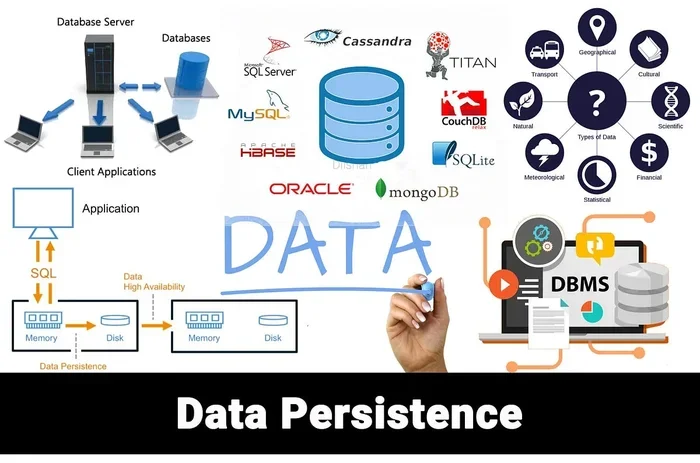
A persistence module is a software component that handles storing and retrieving data from a durable storage system. It acts as a bridge between your application logic and the database, making data management simpler and more reliable. Understanding how a persistence module works helps you build cleaner, faster, and more maintainable software.
A persistence module is one of those behind-the-scenes pieces of software that most users never see but everyone depends on. Whether you are scrolling through a social media feed, checking your bank balance, or placing an order online, a persistence module is working hard to make sure your data is saved and ready when you need it.
Think of it as the memory bank for your application. When you create an account, save a file, or update a profile, the persistence module handles all of that behind the scenes. Without it, every time you closed an app, all your data would disappear.
In this guide, we will break down exactly what a persistence module is, how it works, and why it is such a critical part of modern software. Whether you are a beginner just starting out or a developer looking to sharpen your skills, this article covers everything you need to know.
Key Takeaways
- What It Does: A persistence module manages how your app saves, updates, and retrieves data from storage systems like databases.
- Why It Matters: It separates your application logic from data storage, making code easier to read, test, and maintain.
- Common Patterns: Popular patterns include the Repository pattern, Data Access Object pattern, and Active Record pattern.
- Key Benefits: Better code organization, improved performance, easier debugging, and stronger data integrity.
- Who Uses It: Almost every modern software application, especially web apps, SaaS platforms, and enterprise systems.
- Hardware Consideration: Running a persistence module efficiently may require good RAM for a laptop or server resources.
📑 Table of Contents
- What Is a Persistence Module?
- How Does a Persistence Module Work?
- Core Components of a Persistence Module
- Benefits of Using a Persistence Module
- Common Persistence Module Patterns
- Persistence Module vs. Direct Database Access
- How to Choose the Right Persistence Module
- Common Mistakes to Avoid
- Final Thoughts
What Is a Persistence Module?
The Simple Definition
A persistence module is a software component responsible for managing the storage and retrieval of data. It sits between your application’s main code and the database or storage system. Its job is to make sure data gets saved correctly, stays safe, and can be fetched quickly when needed.
In simpler terms, it is the part of your app that remembers things. When you type something into a form and hit save, the persistence module takes that information and writes it to a database. When you come back later, it pulls that same information back out so you can pick up right where you left off.
The concept of data persistence has been around for decades. But modern persistence modules are far more sophisticated than the simple file-saving scripts of the past. They handle complex operations like transactions, caching, and data validation with ease.
Why Does It Matter?
You might wonder why you need a dedicated module just for saving data. Can’t your application just talk directly to the database? Technically, yes. But doing that creates messy, tightly coupled code that is hard to maintain.
A persistence module gives you a clean separation of concerns. Your application logic focuses on what the app does, while the persistence module focuses on how the data is stored. This makes your codebase much easier to manage, test, and scale.
For developers building SaaS environments, a well-designed persistence module is especially important. SaaS applications handle large volumes of user data and need reliable storage management to perform consistently.
How Does a Persistence Module Work?
The Data Flow Process
Understanding how a persistence module works starts with understanding the data flow. Here is a simple step-by-step look at what happens when you save data in an app that uses a persistence module.
- You interact with the application interface, like clicking a save button.
- The application sends your data to the persistence module.
- The module validates the data and prepares it for storage.
- It communicates with the database or storage engine.
- The data is written to the persistent storage system.
- The module confirms the save operation and sends a response back to the application.
That entire process happens in milliseconds. But behind the scenes, the persistence module is doing a lot of heavy lifting to make sure everything works smoothly.
Key Operations a Persistence Module Handles
A persistence module typically handles four core operations. These are often referred to as CRUD operations, which stands for Create, Read, Update, and Delete. Let us look at each one briefly.
- Create: This is when new data is saved to the database. When you sign up for a new account, the persistence module creates a new record for you.
- Read: This is when the module retrieves data from storage. When you log in and your profile loads, the module reads your data from the database.
- Update: This is when existing data is modified. When you change your password or update your bio, the persistence module updates the relevant record.
- Delete: This is when data is removed from storage. When you delete a post or close an account, the module removes that data from the database.
These four operations form the backbone of almost every data-driven application. The persistence module makes sure each operation is handled safely and efficiently.
Core Components of a Persistence Module
A well-built persistence module is made up of several key components. Each one plays a specific role in the data management process. Let us explore the most important ones.
The Data Access Layer
The data access layer is the part of the persistence module that directly communicates with the database. It handles the low-level details like writing SQL queries, managing connections, and processing results.
This layer acts as a buffer between your application code and the database. It means your app does not need to know the specifics of how the database works. You can swap out one database for another without changing your application code, thanks to this abstraction.
The Storage Engine
The storage engine is the actual system that holds your data. It could be a relational database like MySQL or PostgreSQL, a NoSQL database like MongoDB, or even a simple file system. The persistence module abstracts away the differences between these storage engines.
This is a big deal for developers. It means you can start with one type of storage and switch to another later without rewriting your entire application. The persistence module handles the translation.
The Transaction Manager
When you perform multiple data operations at once, you need to make sure they all succeed or all fail together. This is where the transaction manager comes in. It ensures data integrity by grouping operations into atomic transactions.
For example, imagine you are transferring money between two bank accounts. The transaction manager makes sure the money is deducted from one account and added to the other. If either step fails, the entire transaction is rolled back. This prevents data from getting into an inconsistent state.
Benefits of Using a Persistence Module
Cleaner Code and Better Organization
One of the biggest advantages of using a persistence module is cleaner code. Without it, your application logic gets tangled up with database queries and storage logic. This makes the code hard to read and even harder to debug.
A persistence module keeps all data-related code in one place. Your application code becomes simpler and more focused on delivering features to the user. This separation makes it much easier for teams to collaborate and for new developers to onboard.
Improved Performance
Modern persistence modules come with built-in performance optimizations. Many include caching layers that store frequently accessed data in memory. This reduces the number of database queries and speeds up your application.
They also handle connection pooling, which means they reuse database connections instead of creating a new one for every request. This can dramatically improve the performance of your app, especially under heavy load. Running a well-optimized persistence module may also require sufficient RAM, so make sure your system has enough RAM on a laptop or server to handle the workload.
Easier Testing and Debugging
Because a persistence module isolates your data logic, it becomes much easier to test. You can write unit tests for the persistence layer without touching the rest of your application. This makes debugging faster and more efficient.
Many persistence modules also support mock databases for testing purposes. This means you can test your data operations without needing a live database connection. It saves time and makes your testing pipeline much more reliable.
Stronger Data Integrity
Data integrity is crucial for any application that handles important information. A persistence module enforces rules and validations before data is saved. This prevents corrupt or invalid data from entering your database.
It also manages transactions carefully, as we discussed earlier. This means your data stays consistent even when something goes wrong during a complex operation. For applications handling financial data or personal information, this is absolutely essential.
Common Persistence Module Patterns
Over the years, developers have developed several standard patterns for building persistence modules. Each pattern has its own strengths and is suited for different types of projects. Let us look at the most common ones.
The Repository Pattern
The Repository pattern is one of the most popular approaches. It acts as a middleman between your application and the data source. Instead of writing database queries directly in your app code, you call methods on a repository object.
For example, you might have a UserRepository with methods like findById(), save(), and delete(). This keeps your code clean and makes it easy to swap out the underlying data source later.
The Data Access Object Pattern
The Data Access Object (DAO) pattern is similar to the Repository pattern but focuses more on the low-level details of data access. A DAO handles the direct interaction with the database, including query building and result mapping.
This pattern is very common in Java applications and enterprise software. It provides a clear boundary between the business logic and the data access layer. Many frameworks include built-in support for the DAO pattern.
The Active Record Pattern
The Active Record pattern combines the data model and the persistence logic into a single object. Each object instance represents a row in the database, and the object itself handles saving and retrieving its own data.
This pattern is popular in frameworks like Ruby on Rails and Laravel. It is simple and intuitive, especially for smaller projects. However, it can become harder to manage as your application grows in complexity.
Persistence Module vs. Direct Database Access
Some developers wonder whether they really need a persistence module or if they can just access the database directly. Let us compare the two approaches side by side.
| Feature | With Persistence Module | Direct Database Access |
|---|---|---|
| Code Organization | Clean separation of concerns | Data logic mixed with app logic |
| Testability | Easy to mock and test | Harder to isolate for testing |
| Database Switching | Simple, minimal code changes | Requires rewriting queries |
| Performance | Built-in caching and pooling | Manual optimization needed |
| Learning Curve | Slightly steeper at first | Quicker for simple projects |
| Scalability | Highly scalable | Difficult to scale |
As you can see, using a persistence module offers significant advantages for most projects. Direct database access might work fine for a small script or a quick prototype. But for any serious application, a persistence module is the better choice.
The initial setup takes a bit more time. But the long-term benefits in maintainability, performance, and scalability far outweigh the upfront cost. Most professional development teams consider a persistence module a standard part of their software architecture.
How to Choose the Right Persistence Module
Consider Your Application Type
The right persistence module depends largely on what kind of application you are building. A simple blog might do fine with a lightweight Active Record setup. A large enterprise platform might need a more robust Repository or DAO implementation.
Think about the complexity of your data operations. If you have simple CRUD needs, a straightforward module will work well. If you need complex queries, transactions, and real-time data syncing, look for a more feature-rich solution.
Think About Scalability
Scalability is a key factor when choosing a persistence module. Your application might start small, but you want it to grow without needing a complete rewrite. Choose a module that supports horizontal scaling and can handle increasing data volumes gracefully.
Also consider whether your module supports multiple database types. This gives you flexibility as your needs evolve. A good persistence module should adapt to your requirements, not constrain them.
Evaluate Framework Support
Many modern frameworks come with built-in persistence module support. For example, Django has its ORM, and Entity Framework is built into .NET. Using built-in tools can save you a lot of development time.
However, do not feel locked into your framework’s default options. There are many third-party persistence modules available that offer more flexibility or better performance. Evaluate your options carefully and choose the one that fits your project best.
Common Mistakes to Avoid
Even experienced developers sometimes make mistakes when working with persistence modules. Here are a few pitfalls to watch out for.
- Skipping validation: Always validate data before it reaches the persistence layer. This prevents bad data from corrupting your database.
- Ignoring connection management: Poorly managed database connections can lead to performance bottlenecks. Make sure your module handles connections efficiently.
- Overcomplicating the design: A persistence module should be simple and focused. Do not add unnecessary complexity that makes the module harder to maintain.
- Not testing the persistence layer: Your data operations are too important to skip testing. Write thorough tests for every persistence method.
Final Thoughts
A persistence module is a foundational piece of modern software architecture. It handles one of the most important jobs any application has: making sure data is saved, retrieved, and managed reliably. Without it, building robust, scalable applications would be much harder.
Whether you are building a small personal project or a large enterprise system, understanding how a persistence module works will serve you well. It gives you the tools to write cleaner code, build faster applications, and maintain your software with confidence.
Start by experimenting with simple persistence patterns in your next project. As you grow more comfortable, explore advanced patterns like the Repository pattern and transaction management. The more you work with persistence modules, the more you will appreciate the role they play in modern development.
Remember, the best persistence module is the one that fits your project’s needs. Keep things simple, stay organized, and always prioritize data integrity. Your future self and your team will thank you for it.
Frequently Asked Questions
What is the main purpose of a persistence module?
The main purpose of a persistence module is to manage how data is stored, retrieved, and updated in a durable storage system. It acts as a bridge between your application code and the database, keeping data operations organized and efficient.
Do I need a persistence module for a small project?
For very small projects, a persistence module might feel like overkill. However, even small projects benefit from having a dedicated data layer. It makes your code cleaner and easier to maintain as your project grows.
Can I build my own persistence module?
Yes, you can build a custom persistence module tailored to your specific needs. Many developers start by writing simple data access functions and gradually build out a more robust module as their application evolves.
What is the difference between a persistence module and an ORM?
An Object-Relational Mapping (ORM) tool is a type of persistence module that specifically maps database tables to programming objects. Not all persistence modules are ORMs, but all ORMs serve as persistence modules. The key difference is that a persistence module is a broader concept.
How does a persistence module improve application performance?
A well-designed persistence module improves performance through features like connection pooling, query caching, and batch operations. These optimizations reduce the overhead of database interactions and make your application respond faster.
Are persistence modules only used with relational databases?
No, persistence modules work with all types of storage systems. They can be used with relational databases, NoSQL databases, file systems, and even cloud storage services. The module abstracts away the differences so your application code stays consistent.
=== CONCLUSION ===
A persistence module is an essential part of any modern software application. It handles the critical job of managing your data in a reliable and efficient way. From simple CRUD operations to complex transaction management, the persistence module keeps your data layer clean, organized, and performant.
By understanding how persistence modules work and the patterns available, you can make better architectural decisions for your projects. Whether you choose a Repository pattern, a DAO approach, or an Active Record setup, the key is to keep your data logic separate and well-tested.
Start applying what you have learned today. Experiment with different persistence module patterns in your next project. You will see the difference in code quality, performance, and maintainability. Happy coding!