What Is the Purpose of the Computer
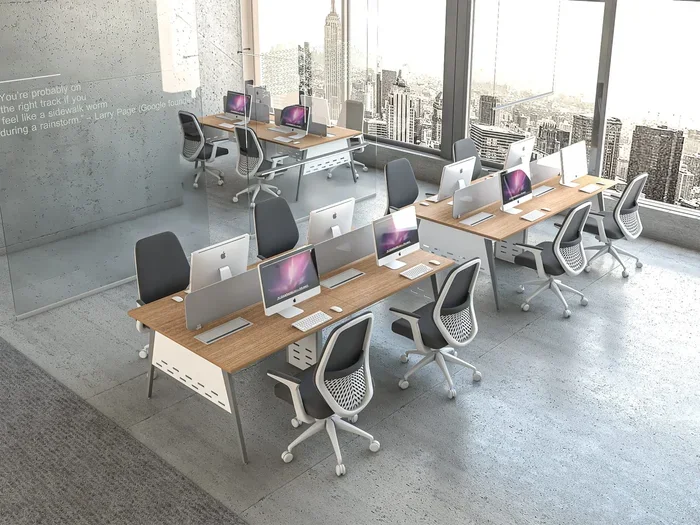
The purpose of the computer is to process, store, and communicate information in ways that make our lives easier and more productive. From solving complex math problems to streaming movies, computers serve as the backbone of modern life. Understanding their purpose helps you get the most out of your device every single day.
Have you ever stopped to think about why computers exist in the first place? The purpose of the computer goes far beyond just typing documents or browsing the web. These powerful machines form the foundation of nearly everything we do in modern life. Whether you are a student, a professional, or just someone who enjoys watching videos, your computer serves a bigger role than you might realize.
In this guide, we will explore the real purpose of the computer in simple, clear terms. You will learn what computers actually do, why they matter, and how to use them better. We will also look at the different types of computing devices and their unique roles. By the end, you will see your computer in a whole new light.
Key Takeaways
- Data Processing: Computers handle massive amounts of data quickly and accurately.
- Communication Hub: They connect people worldwide through email, video calls, and social media.
- Creativity Tool: Computers enable design, writing, music production, and much more.
- Automation Powerhouse: They streamline repetitive tasks and boost efficiency at work and home.
- Entertainment Center: Gaming, streaming, and media editing are core computer uses.
- Learning Platform: Computers provide access to endless educational resources and online courses.
📑 Table of Contents
- What Is the Purpose of the Computer?
- Why Computers Matter in Everyday Life
- How Computers Work: The Core Purpose Explained
- Different Types of Computers and Their Purposes
- The Purpose of the Computer in Business and Productivity
- Common Purposes People Use Computers For
- Quick Tips to Get More Out of Your Computer
- Common Mistakes People Make With Their Computers
- Conclusion
What Is the Purpose of the Computer?
At its core, the purpose of the computer is to take raw data, process it, and turn it into useful information. Think of a computer as a super-fast brain that never gets tired. It receives inputs, follows instructions, and produces outputs. This simple idea powers everything from your smartphone to massive servers running global businesses.
The purpose of the computer has evolved dramatically over the decades. Early computers filled entire rooms and were used mainly for scientific calculations. Today, a small laptop can do things those room-sized machines could only dream of. Let us break down the main purposes that make computers so essential.
Data Processing
The most fundamental purpose of the computer is data processing. Every time you open a spreadsheet, edit a photo, or search the internet, your computer is processing data. It takes the information you give it, runs it through the processor, and delivers a result in seconds.
For example, when you type a document, the computer processes each keystroke and displays the text on screen instantly. When you edit a video, the computer processes millions of pixels to create a smooth final product. This data processing ability is what sets computers apart from simpler devices like calculators.
Why Computers Matter in Everyday Life
Computers are no longer just tools for scientists and engineers. They have become a part of our daily routines. The purpose of the computer in everyday life touches almost everything we do, often without us even noticing.
Communication
One of the biggest purposes of the computer is connecting people. Email, video calls, and messaging apps all run on computers. You can talk to someone on the other side of the world in real time. This has transformed how we work, stay in touch with family, and build relationships.
Businesses rely on computers for communication every day. Teams collaborate on projects using shared documents and video meetings. Without computers, modern communication would look completely different.
Entertainment
Computers are also a major source of entertainment. Streaming services, gaming, and social media all run on computing devices. The purpose of the computer here is to deliver content quickly and smoothly so you can enjoy your favorite shows, games, and videos.
If you are into creative entertainment, you might also want to explore what a mockup is and how it relates to digital design work. Mockups are a great example of how computers help bring creative ideas to life before they become real products.
Education and Learning
The purpose of the computer in education cannot be overstated. Students use computers to research topics, write papers, and take online classes. Teachers use them to create lessons and track student progress. The computer has made learning more accessible than ever before.
Even outside of formal education, computers help us learn new skills. You can watch tutorials, read articles, or take full courses online. The learning possibilities are truly endless when you have a computer in front of you.
How Computers Work: The Core Purpose Explained
To truly understand the purpose of the computer, it helps to know how it works at a basic level. Computers follow a simple cycle called the input-process-output model. Let us look at each step.
Input
Input is anything you give to the computer. This could be typing on a keyboard, clicking a mouse, or speaking into a microphone. The purpose of the computer starts here, where it receives the raw information it needs to work with.
Processing
Processing happens inside the computer’s CPU, or central processing unit. This is the brain of the machine. It takes the input, follows the instructions you gave it, and performs calculations or transformations. The speed of this processing is measured in gigahertz, and modern computers can handle billions of operations per second.
Output
Output is the result the computer gives you after processing. This could be text on a screen, sound from speakers, or a printed document. The purpose of the computer is fulfilled when you receive useful output that solves your problem or answers your question.
Storage
Storage is a fourth step that is just as important. Computers save data for later use. Whether it is your saved photos, installed programs, or system files, storage keeps everything organized and accessible. The purpose of the computer includes not just handling data in the moment but also preserving it for the future.
Different Types of Computers and Their Purposes
Not all computers serve the same purpose. Different types of computing devices are designed for different tasks. Let us look at the main categories and what each one does best.
| Type of Computer | Primary Purpose | Common Examples |
|---|---|---|
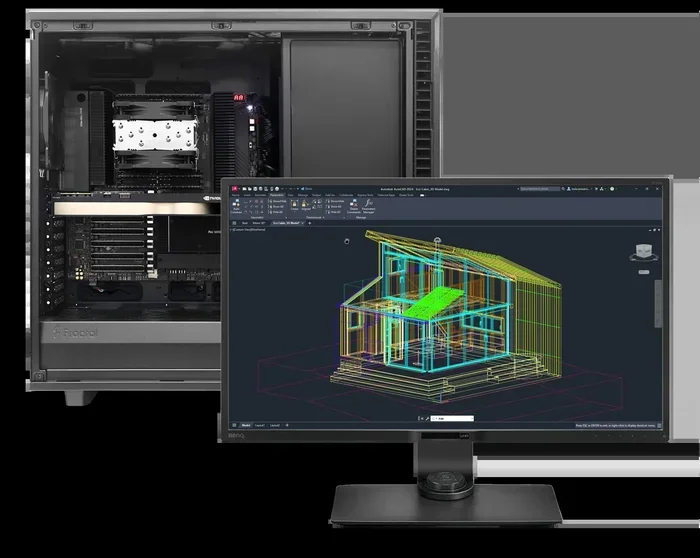
| Desktop | Heavy-duty work, gaming, design | Home office setups, workstations |
| Laptop | Portable productivity and communication | Business travel, student work |
| Tablet | Light browsing and media consumption | Reading, casual gaming, note-taking |
| Server | Storing and serving data to networks | Cloud services, websites, databases |
| Smartphone | Communication and on-the-go tasks | Calls, messaging, mobile apps |
Each type of computer has a specific purpose that matches how people use it. A desktop computer is built for power and performance. A laptop focuses on portability. A server handles massive amounts of data for many users at once. Understanding these differences helps you choose the right device for your needs.
The Purpose of the Computer in Business and Productivity
Businesses depend on computers for almost every operation. The purpose of the computer in a business setting goes beyond simple document creation. It drives efficiency, communication, and growth.
Automating Repetitive Tasks
One of the greatest purposes of the computer is automation. Tasks that used to take hours can now be done in minutes. Spreadsheets can calculate thousands of numbers instantly. Email systems can sort and prioritize messages automatically. This frees up people to focus on more creative and strategic work.
If you want to keep your business computer running at its best, investing in the right upgrades is key. Check out what is the best investment for the lifespan of your PC to make smart choices that keep your system running smoothly for years.
Data Analysis and Decision Making
Computers help businesses analyze huge amounts of data to make better decisions. Companies use software to track sales, study customer behavior, and forecast trends. The purpose of the computer here is to turn raw numbers into actionable insights. Without computers, analyzing this much data would be impossible.
Creative Work and Design
Creative professionals use computers for graphic design, video editing, music production, and more. The purpose of the computer in creative fields is to provide tools that bring ideas to life. Design software, video editors, and digital audio workstations all run on computers.
For those in creative fields, keeping your hardware optimized matters a lot. A well-maintained system with good cooling can make a huge difference in performance. Learning about components like your CPU cooler can help you understand how to keep your machine running at peak performance during demanding creative tasks.
Common Purposes People Use Computers For
Let us look at the most common reasons people use computers. These examples show just how versatile the purpose of the computer really is.
- Writing and Document Creation: Students and professionals use computers to write essays, reports, and presentations.
- Internet Browsing: Searching for information, shopping online, and reading news are daily computer activities.
- Photo and Video Editing: Creators use computers to edit and enhance visual content.
- Gaming: Many people use computers primarily for playing video games.
- Online Learning: Taking courses, watching tutorials, and earning certifications are all done on computers.
- Financial Management: Budgeting, tracking expenses, and online banking are common computer uses.
- Social Media: Posting content, messaging friends, and staying connected through social platforms.
- Programming and Development: Writing code, building websites, and creating software applications.
As you can see, the purpose of the computer covers a wide range of activities. No matter what your interests or profession is, there is a way a computer can help you.
Quick Tips to Get More Out of Your Computer
Now that you understand the purpose of the computer, here are some quick tips to help you use yours more effectively.
- Keep your software updated. Updates fix bugs and improve performance, which helps your computer fulfill its purpose better.
- Back up your data regularly. This protects your files and ensures you never lose important information.
- Clean up unused programs. Removing software you no longer use frees up resources and keeps your system fast.
- Use keyboard shortcuts. They save time and make you more productive when working on your computer.
- Restart your computer weekly. This clears temporary files and refreshes your system for better performance.
Common Mistakes People Make With Their Computers
Understanding the purpose of the computer also means knowing what not to do. Here are some common mistakes that reduce your computer’s effectiveness.
Ignoring Updates
Many people skip software updates because they seem annoying. But updates are essential for security and performance. Ignoring them can slow down your computer and leave it vulnerable to threats.
Overloading Your Storage
Filling your hard drive to capacity slows down your computer. The purpose of the computer includes efficient storage management. Keep at least 15 to 20 percent of your storage free for optimal performance.
Not Using Antivirus Software
Skipping antivirus protection is a risky mistake. Malware can steal your data, slow your system, and even damage your files. A good antivirus program is essential for protecting the purpose of your computer.
Conclusion
The purpose of the computer is vast and continues to grow as technology evolves. From processing data and enabling communication to fueling creativity and automating tasks, computers are at the center of modern life. Whether you use yours for work, learning, entertainment, or all of the above, understanding its purpose helps you use it more effectively.
Take some time to think about how you use your computer. Are you getting the most out of it? By following the tips in this guide and staying mindful of your computer’s capabilities, you can make sure your device serves you well for years to come. The purpose of the computer is what you make of it, so make it count.
Frequently Asked Questions
What is the main purpose of a computer?
The main purpose of the computer is to process, store, and communicate data. It takes inputs, performs calculations and transformations, and delivers useful outputs. This core function powers everything from simple word processing to complex scientific research.
Why do we need computers in daily life?
Computers make our lives easier by automating tasks, connecting us with others, and providing access to vast amounts of information. The purpose of the computer in daily life includes communication, entertainment, education, and productivity. Without computers, many everyday activities would take much more time and effort.
What are the four main purposes of a computer?
The four main purposes of the computer are input, processing, output, and storage. Input receives data, processing transforms it, output delivers the results, and storage keeps information for later use. Together, these four steps define what a computer does.
How does the purpose of a computer differ from a smartphone?
A computer is generally more powerful and versatile than a smartphone. While both serve similar purposes like communication and entertainment, computers excel at heavy-duty tasks like data analysis, programming, and professional creative work. The purpose of the computer often includes more complex and demanding applications.
Can a computer serve multiple purposes at once?
Absolutely. One of the great strengths of a computer is its versatility. You can browse the web, edit a document, and stream music all at the same time. The purpose of the computer is flexible and adapts to whatever tasks you need it to handle.
Is understanding the purpose of a computer important for buying one?
Yes, knowing the purpose of the computer helps you choose the right type and specifications. If you need a machine for gaming, you will want different specs than someone who just needs it for browsing and email. Matching the computer to its intended purpose ensures you get the best value and performance.