1tb Ssd M.2 Nvme
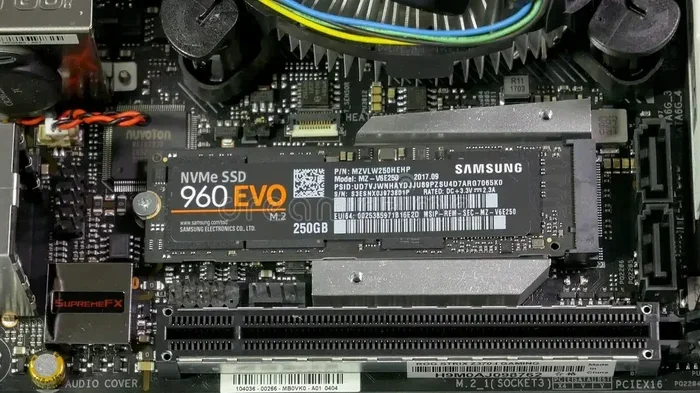
A 1TB SSD M.2 NVMe is one of the best storage upgrades you can make for your computer. These drives use the NVMe protocol over PCIe to deliver blazing fast read and write speeds that blow traditional hard drives out of the water. Whether you are a gamer, a creative professional, or just someone tired of slow boot times, a 1TB NVMe M.2 SSD can transform your experience in minutes.
A 1TB SSD M.2 NVMe drive is one of the most impactful upgrades you can make to any modern computer. If your system still uses an old spinning hard drive or a slower SATA SSD, you are missing out on some seriously impressive performance gains. These tiny drives pack a massive punch and can turn a sluggish computer into a speed machine.
In this guide, we will cover everything you need to know about 1TB NVMe M.2 SSDs. From understanding how they work to picking the right model for your needs, you will find practical advice backed by real-world insights. Let us dive in.
Key Takeaways
- Speed Boost: A 1TB SSD M.2 NVMe can deliver sequential read speeds up to 7000 MB/s, making your system feel incredibly fast.
- Small Form Factor: The M.2 stick design fits directly onto your motherboard, saving space and eliminating cables.
- Affordability Has Improved: Prices for 1TB NVMe SSDs have dropped significantly, making them accessible for most budgets.
- Perfect for Gaming and Workloads: These drives shine in gaming, video editing, and heavy multitasking scenarios.
- Easy Installation: Most modern PCs and laptops support M.2 NVMe slots, making upgrades straightforward.
- Know Your Needs: Understanding PCIe generations, NAND types, and DRAM cache helps you pick the right drive.
📑 Table of Contents
- What Is a 1TB SSD M.2 NVMe?
- How Fast Is a 1TB NVMe M.2 SSD?
- Benefits of Upgrading to a 1TB SSD M.2 NVMe
- How to Choose the Right 1TB SSD M.2 NVMe
- Installation Tips for a 1TB SSD M.2 NVMe
- Who Benefits Most from a 1TB SSD M.2 NVMe?
- Common Mistakes When Buying a 1TB SSD M.2 NVMe
- Future-Proofing Your Storage with NVMe
- Final Thoughts
What Is a 1TB SSD M.2 NVMe?
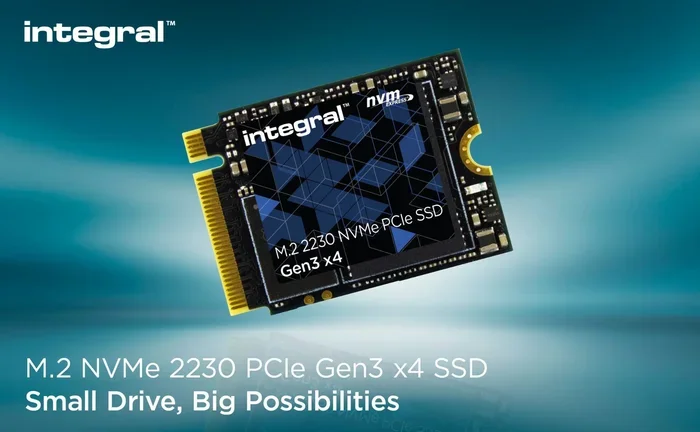
A 1TB SSD M.2 NVMe is a solid state drive that uses the M.2 form factor and communicates through the NVMe protocol. The M.2 shape looks like a small stick of gum, and it plugs directly into a slot on your motherboard. There are no cables, no mounting brackets, and no fuss.
The NVMe protocol is what sets these drives apart from older SATA SSDs. NVMe stands for Non-Volatile Memory Express, and it was designed specifically for flash storage. This means the drive can take full advantage of the PCIe bus, which is much faster than the SATA interface used by older drives.
Most 1TB M.2 NVMe SSDs today use PCIe Gen3 or Gen4. Gen4 drives offer roughly double the bandwidth of Gen3, which translates to faster real-world speeds. However, even a Gen3 NVMe M.2 SSD 1TB will feel dramatically faster than any traditional hard drive or SATA SSD.
M.2 Form Factor Explained
The M.2 form factor comes in different lengths, but the most common one is 2280, which means 22mm wide and 80mm long. You should always check your motherboard or laptop manual to confirm which M.2 sizes it supports. Some systems only accept 2280, while others can fit shorter lengths like 2260 or 2242.
Another thing to watch for is the key slot. M.2 drives use different key configurations, and the most common for NVMe SSDs is the B-key or M-key slot. Make sure your motherboard has the right key before purchasing a 1TB SSD M.2 NVMe.
How Fast Is a 1TB NVMe M.2 SSD?
Speed is the biggest selling point of NVMe M.2 SSDs. The best 1TB NVMe M.2 SSDs on the market can deliver sequential read speeds of 5000 to 7000 MB/s and write speeds in the 4000 to 5000 MB/s range. To put that in perspective, a typical SATA SSD tops out around 550 MB/s.
But sequential speeds are only part of the story. Random read and write performance matters just as much for everyday use. This is where NVMe really shines. Opening apps, loading games, and booting your operating system all rely on random I/O, and NVMe drives crush the competition here.
Real-World Speed Differences
Here is what a speed upgrade looks like in practice:
- Booting Windows: A 1TB NVMe M.2 SSD can boot your system in 10 to 15 seconds. A SATA SSD takes 25 to 35 seconds, and a hard drive can take over a minute.
- Game Load Times: Many modern games load 30 to 50 percent faster on an NVMe drive compared to a SATA SSD.
- File Transfers: Moving a 50GB folder from one drive to another takes seconds instead of minutes.
- Video Editing: Scrubbing through 4K footage becomes smoother and more responsive.
Even if a drive does not hit its maximum advertised speeds in real life, the everyday experience is still night and day compared to older storage.
Benefits of Upgrading to a 1TB SSD M.2 NVMe
There are many reasons to consider a 1TB SSD M.2 NVMe upgrade. Let us walk through the most important ones.
1. Blazing Fast Performance
The most obvious benefit is speed. Your system will boot faster, apps will launch instantly, and file operations will feel nearly instant. If you have ever waited for your computer to catch up, this upgrade eliminates that frustration.
2. No Cables or Extra Space Needed
Because the M.2 drive slots directly into the motherboard, there is no need for SATA cables or power connectors. This saves space inside your case and makes installation a breeze. It is one of the cleanest upgrades you can perform.
3. Great for Gaming
Gamers will love the difference a 1TB NVMe M.2 SSD makes. Modern games are huge, often exceeding 100GB. Loading these titles from an NVMe drive cuts down wait times significantly. Many new games are even optimized to take advantage of NVMe storage.
If you are building a gaming PC, a 1TB SSD M.2 NVMe should be at the top of your list. Pair it with enough RAM and a solid GPU, and you have a machine that flies through everything.
4. Reliable and Durable
SSDs have no moving parts, unlike hard drives. This means they are less likely to fail from physical shock or vibration. A 1TB M.2 NVMe SSD is ideal for laptops because it can handle the bumps and movement of daily travel.
5. Energy Efficient
NVMe SSDs tend to use less power than traditional hard drives, which can slightly improve laptop battery life. They also generate less heat, which contributes to a quieter and cooler system overall.
How to Choose the Right 1TB SSD M.2 NVMe
Not all NVMe drives are created equal. When shopping for a 1TB SSD M.2 NVMe, there are several factors to consider.
PCIe Generation
PCIe Gen4 drives offer faster speeds than Gen3, but Gen3 drives are still plenty fast for most users. If you have a Gen4 compatible motherboard, a Gen4 drive will give you the best possible performance. However, a Gen3 1TB NVMe M.2 SSD will still work perfectly fine in a Gen4 slot at Gen3 speeds.
NAND Flash Type
The type of NAND flash used in a drive affects both performance and endurance. TLC (Triple-Level Cell) NAND stores three bits per cell and offers a great balance of speed, price, and durability. QLC (Quad-Level Cell) NAND stores four bits per cell and is cheaper, but it tends to be slower and less durable over time.
For most users, a TLC-based 1TB SSD M.2 NVMe is the sweet spot. It delivers excellent performance and long lifespan without breaking the bank.
DRAM Cache
Some NVMe SSDs include a DRAM cache chip, which helps the drive manage its data mapping more efficiently. Drives with DRAM tend to perform better under heavy workloads and sustained writes. If you plan to use your drive for video editing or other demanding tasks, look for a model with DRAM support.
Brand Reputation and Warranty
Stick with reputable brands that offer solid warranties. A good warranty signals that the manufacturer trusts their product. Many 1TB NVMe M.2 SSDs come with 5-year warranties, which gives you peace of mind.
Price vs. Performance
As of 2024, a quality 1TB M.2 NVMe SSD can be found for around $60 to $100, depending on the brand and features. Premium models with Gen4 speeds and DRAM cache may cost a bit more, but they are worth it if you need top-tier performance. Check the NVMe M.2 SSD 1TB price across different retailers to find the best deal.
Comparison Table
Here is a quick comparison of popular 1TB SSD M.2 NVMe options to help you decide:
- Kingston 1TB M.2 NVMe SSD: Solid budget-friendly option with reliable performance and a 5-year warranty. Great for everyday use and light gaming.
- Crucial P310 1TB PCIe Gen4 NVMe M.2 SSD: A Gen4 drive that offers fast sequential speeds at an affordable price point. Ideal for users who want Gen4 without spending extra.
- Samsung 970 EVO Plus NVMe M.2 SSD: A well-known premium option with excellent random read performance and a DRAM cache. Perfect for professionals and enthusiasts.
Each of these drives fits into a different budget and use case. Think about what matters most to you, whether that is raw speed, price, or brand trust.
Installation Tips for a 1TB SSD M.2 NVMe
Installing a 1TB SSD M.2 NVMe is one of the easiest PC upgrades you can do. Most modern motherboards have at least one M.2 slot ready to go. Here is a quick overview of the process.
Step-by-Step Installation
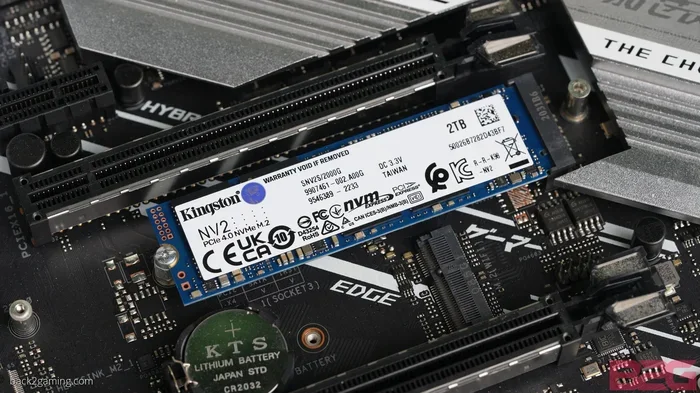
- Locate the M.2 slot on your motherboard. It usually looks like a small slot with a screw hole nearby.
- Remove the small M.2 screw and keep it somewhere safe.
- Align the notches on the M.2 SSD with the key in the slot. The SSD will angle upward slightly as you insert it.
- Gently press the drive down and secure it with the screw.
- Close up your case and boot into your BIOS or UEFI to make sure the drive is detected.
- Initialize and format the drive through your operating system, and you are ready to go.
Common Installation Mistakes to Avoid
- Forgetting to tighten the screw. A loose drive can cause connection issues.
- Inserting the drive upside down or at the wrong angle. Always check the key alignment first.
- Not updating your motherboard BIOS before installing a Gen4 NVMe drive. Some older boards need a BIOS update to recognize Gen4 speeds.
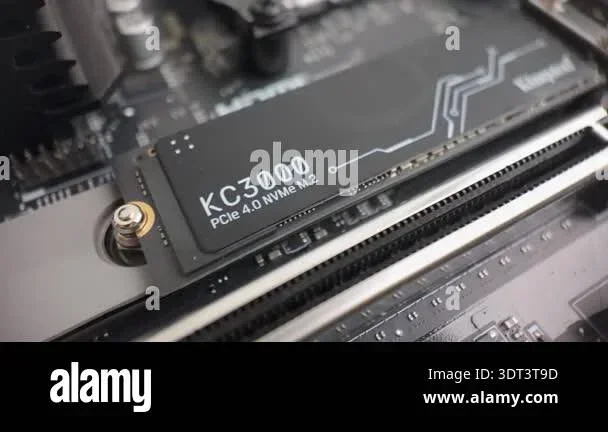
- Ignoring thermal management. Some high-performance NVMe drives run hot, so consider adding a heatsink if your motherboard supports one.
If you are upgrading a laptop, the process is similar but you will need to open the laptop bottom panel. Some laptops have a dedicated M.2 slot, while others may require removing the existing drive first. Always check your laptop manual before purchasing a 1TB NVMe M.2 SSD to ensure compatibility.
Who Benefits Most from a 1TB SSD M.2 NVMe?
Almost anyone can benefit from a 1TB SSD M.2 NVMe, but certain users will see the biggest improvements. Let us look at a few use cases.
Gamers
Gamers will notice faster load times, quicker level transitions, and smoother performance in open-world games. A 1TB SSD M.2 NVMe is practically a must-have for anyone playing modern titles.
Content Creators
Video editors, photographers, and graphic designers work with large files daily. An NVMe drive makes editing, rendering, and exporting much faster. The 1TB NVMe M.2 SSD capacity gives you plenty of room for active projects and media files.
Students and Professionals
Students who need fast boot times for their laptops will appreciate the upgrade. Professionals who multitask with many applications open at once will find that an NVMe drive keeps everything responsive.
IT Professionals and Builders
If you build or repair computers, keeping a 1TB SSD M.2 NVMe on hand is essential. These drives make great OS drives for client machines and can dramatically speed up system deployments.
Laptop Users
Many modern laptops come with NVMe slots, and upgrading from an older drive to a 1TB M.2 NVMe SSD can breathe new life into an aging laptop. The improvement in boot times, app launches, and general responsiveness is remarkable.
Common Mistakes When Buying a 1TB SSD M.2 NVMe
Avoid these common pitfalls when shopping for a 1TB SSD M.2 NVMe drive:
- Buying the wrong form factor: Make sure your system supports 2280 M.2 drives. Some devices use shorter lengths.
- Ignoring PCIe compatibility: A Gen4 drive will work in a Gen3 slot but will run at Gen3 speeds. Check your motherboard specs first.
- Overlooking the heatsink requirement: Some high-speed NVMe drives run very hot. If your motherboard does not have a built-in heatsink, consider buying one separately.
- Choosing QLC over TLC without thinking: QLC drives are cheaper but slower under sustained writes. TLC offers better long-term value for most users.
- Skipping backup before upgrading: Always back up your data before installing a new drive or cloning your existing drive.
Future-Proofing Your Storage with NVMe
The NVMe protocol is the current standard for fast storage, and it is only getting faster. PCIe Gen5 NVMe drives are already on the market, and they offer even higher bandwidth than Gen4. While Gen5 drives are still pricey, investing in a solid 1TB SSD M.2 NVMe today ensures your system is ready for the future.
As games, software, and operating systems continue to grow in size and complexity, faster storage becomes more important every year. A 1TB NVMe M.2 SSD gives you the headroom you need to handle whatever comes next.
Final Thoughts
A 1TB SSD M.2 NVMe is one of the best investments you can make for your computer. The speed improvements are immediate and noticeable, the installation is simple, and the prices have never been better. Whether you are upgrading a gaming PC, a workstation, or a laptop, this type of drive delivers real-world value every single day.
Take some time to compare options, read reviews, and pick a drive that fits your budget and needs. Brands like Kingston and Crucial offer excellent 1TB M.2 NVMe SSDs that balance performance and value. And if you are watching your budget, keep an eye on NVMe M.2 SSD 1TB price deals, since prices can fluctuate and drop quickly.
Do not let slow storage hold you back any longer. Upgrade to a 1TB SSD M.2 NVMe and experience the difference for yourself. Your computer will thank you every time you turn it on.
Frequently Asked Questions
What does NVMe stand for?
NVMe stands for Non-Volatile Memory Express. It is a protocol designed specifically for flash storage like SSDs. NVMe allows drives to communicate with the motherboard much faster than older SATA protocols, which is why a 1TB SSD M.2 NVMe is so much quicker than traditional drives.
Is a 1TB NVMe M.2 SSD enough for gaming?
Absolutely. A 1TB NVMe M.2 SSD provides plenty of space for several modern games, each of which can range from 50GB to 150GB. Most gamers find that 1TB hits the sweet spot between capacity and cost, though heavy collections may eventually require a second drive.
Can I use a 1TB SSD M.2 NVMe as my main drive?
Yes, many people use a 1TB M.2 NVMe SSD as their primary boot and application drive. It works wonderfully for running Windows or macOS, storing your favorite apps, and keeping your most-used files right at your fingertips.
How is a 1TB NVMe M.2 SSD different from a SATA SSD?
The main difference is the interface. NVMe drives use the PCIe bus, which is much faster than the SATA interface. A 1TB SSD M.2 NVMe can be three to ten times faster than a SATA SSD in real-world use, especially when loading large files or games.
Do I need a heatsink for my 1TB SSD M.2 NVMe?
It depends on the drive and your usage. High-performance NVMe SSDs can generate significant heat during heavy workloads. If your motherboard has a built-in M.2 heatsink, you are likely fine. Otherwise, adding a small heatsink can help prevent thermal throttling and maintain consistent speeds.
How long does a 1TB NVMe M.2 SSD last?
Most quality 1TB NVMe M.2 SSDs are rated for hundreds of terabytes written (TBW) over their lifespan, which translates to many years of normal use. TLC-based drives tend to be more durable than QLC models, so check the endurance rating when comparing options.