Kingston Kc3000 M 2 Nvme Ssd

The Kingston KC3000 M 2 NVMe SSD delivers blazing PCIe Gen4 speeds with up to 7000 MB/s sequential reads. This M.2 NVMe SSD is a solid choice for gamers, creators, and anyone wanting a fast storage drive upgrade. It offers great value, reliable TLC NAND, and easy installation in a standard 2280 form factor.
If you are building or upgrading a PC, you have probably come across the Kingston KC3000 M 2 NVMe SSD. This drive promises fast speeds, solid reliability, and a price tag that does not break the bank. But does it actually deliver?
In this guide, we will break down everything you need to know about the Kingston KC3000 M 2 NVMe SSD. We will cover its speed performance, capacity options, who should buy it, and how it compares to other drives on the market. By the end, you will know exactly whether this NVMe SSD is the right choice for your setup.
Key Takeaways
- Blazing Fast Speeds: The Kingston KC3000 reaches up to 7000 MB/s read speeds thanks to its PCIe Gen4 NVMe interface.
- Reliable TLC NAND Flash: Uses 3D TLC NAND for durability and consistent performance over time.
- Great for Gaming and Creative Work: Ideal as a boot drive, gaming storage, or video editing workspace.
- Easy to Install: Standard 2280 M.2 form factor fits most modern motherboards without extra adapters.
- Competitive Pricing: Offers strong performance per dollar compared to similar Gen4 NVMe drives.
- DRAM Cache Included: Helps maintain fast access times and smooth multitasking.
📑 Table of Contents
What Is the Kingston KC3000 M 2 NVMe SSD?
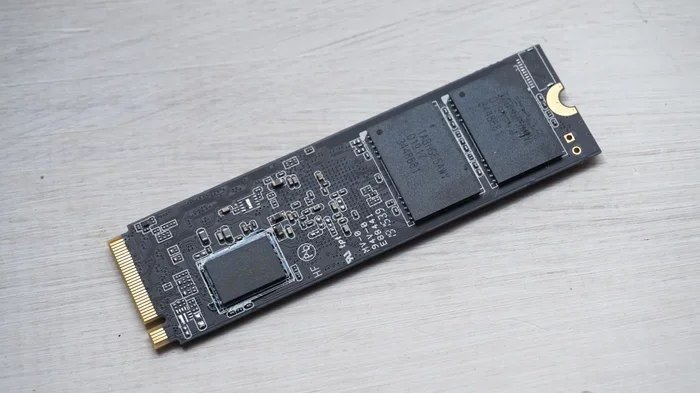
The Kingston KC3000 is a solid state drive built on the PCIe Gen4 NVMe protocol. It uses the M.2 2280 form factor, which means it slides directly into the M.2 slot on your motherboard. No cables, no extra power connectors, no fuss.
This drive uses 3D TLC NAND flash memory. TLC stands for triple-level cell, which stores three bits of data per cell. This gives you a good balance of speed, endurance, and cost. The KC3000 also includes a DRAM cache, which helps the drive manage data quickly and efficiently.
When it comes to M.2 NVMe SSD options, the KC3000 sits in the mid-range tier. It is not the cheapest drive out there, but it is far from the most expensive either. For most users, it hits a sweet spot between price and performance.
Performance and Speed Tests
Sequential Read and Write Speeds
The Kingston KC3000 M 2 NVMe SSD boasts impressive sequential read speeds of up to 7000 MB/s. Sequential write speeds reach up to 5000 MB/s. These numbers are typical for PCIe Gen4 drives and make the KC3000 one of the faster options in its class.
In real-world testing, you will notice the difference most when booting your operating system, launching large games, or copying massive files. A 512GB NVMe M.2 SSD like the KC3000 can cut boot times dramatically compared to a traditional hard drive.
Here is a quick look at the key speed specs:
- Sequential Read: Up to 7000 MB/s
- Sequential Write: Up to 5000 MB/s
- Random Read (4K): Up to 1,000,000 IOPS
- Random Write (4K): Up to 1,200,000 IOPS
- Interface: PCIe Gen4 NVMe
- Form Factor: M.2 2280
Real-World Performance
Beyond the benchmark numbers, real-world performance is what matters most. The KC3000 handles everyday tasks like opening apps, browsing with many tabs, and streaming content with ease. If you use your PC for gaming storage, you will appreciate how quickly games load from this drive.
For content creators working with large video files, the sequential write speeds are particularly useful. Transferring a 50GB 4K video file takes just seconds. This makes the KC3000 a solid choice for video editors and photographers who need fast storage capacity without spending a fortune.
Capacity Options and Pricing
The Kingston KC3000 comes in several capacity tiers. You can find it in 500GB, 1TB, and 2TB variants. The 1TB model is the most popular choice for most users because it offers a good balance of space and value.
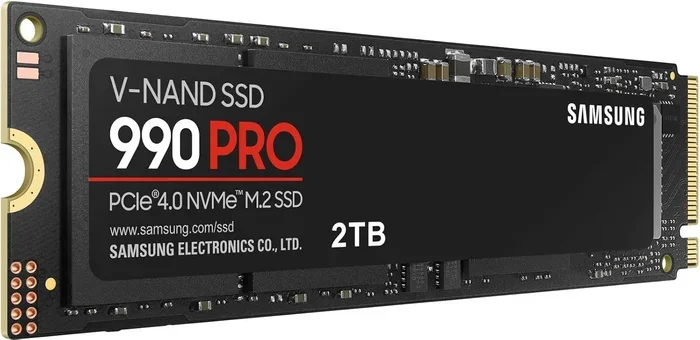
When you compare it to something like the Kingston NV2 1TB M.2 2280 NVMe Internal SSD, the KC3000 is noticeably faster. The NV2 is a more budget-friendly option, but it uses PCIe Gen3 and does not reach the same speeds as the Gen4 KC3000.
As for pricing, the KC3000 competes well against other Gen4 drives. It is generally more affordable than the Samsung 970 Evo Plus NVMe M.2 SSD while still delivering strong performance. Here is a quick price comparison idea:
- 500GB Model: Budget-friendly option for light users and office work.
- 1TB Model: Best value for most gamers and general users.
- 2TB Model: Great for heavy creators and those who store large media libraries.
Keep in mind that prices fluctuate. Checking current deals and comparing options like the 2TB NVMe M.2 SSD market can help you find the best deal at the right time.
Who Should Buy the Kingston KC3000?
The Kingston KC3000 M 2 NVMe SSD is a versatile drive that suits many different users. Let us look at who will benefit most from it.
Gamers
If you are a gamer, the KC3000 is a fantastic choice. Modern games are huge, often exceeding 100GB each. Fast read speeds mean shorter load screens and quicker level transitions. The drive handles multiple large games with ease, making it an excellent gaming SSD option.
Content Creators
Video editors, graphic designers, and photographers will appreciate the fast write speeds. Working with large raw files becomes much smoother when your storage drive can keep up with your workflow. The 2TB variant is especially useful for creators who need plenty of storage capacity without sacrificing speed.
General PC Users
Even if you just browse the web, stream videos, and use office apps, the KC3000 will make your PC feel snappier. An SSD upgrade like this one can breathe new life into an older computer. Everything from boot times to app launches will feel noticeably faster.
IT Professionals and Builders
If you build PCs for others or manage multiple systems, the KC3000 is a reliable go-to drive. It is well-known, widely available, and comes backed by Kingston’s solid warranty support.
How to Install the Kingston KC3000 M.2 NVMe SSD
Installing the Kingston KC3000 is straightforward, even if you have not done it before. The drive uses the standard M.2 2280 form factor, which fits most modern motherboards.
Here is a quick step-by-step guide:
- Turn off your PC and unplug it from the power outlet.
- Open your PC case and locate the M.2 slot on your motherboard.
- Remove the M.2 heatsink or bracket if one is in the way.
- Insert the KC3000 at a 30-degree angle into the M.2 slot.
- Press the drive down gently and secure it with the small screw.
- Replace any heatsink or bracket you removed.
- Close the case, plug in your PC, and power it on.
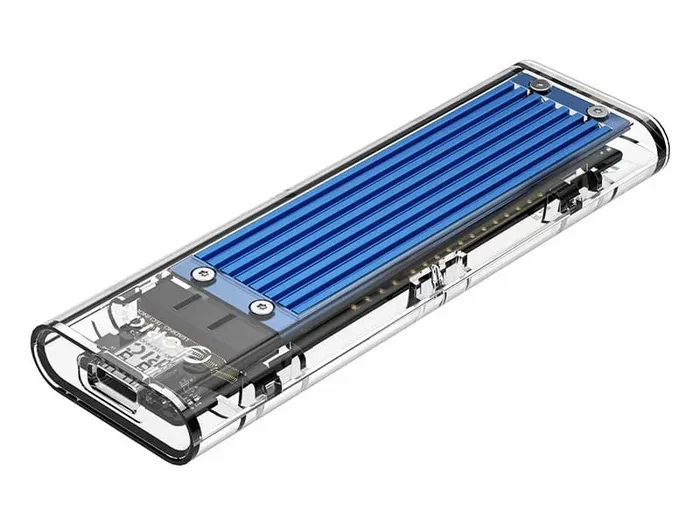
Once you boot into your operating system, you may need to initialize the drive through Disk Management (Windows) or Disk Utility (Mac). From there, format it and you are ready to go. If you ever need to move your SSD to an external enclosure, check out the NVMe SSD M.2 enclosure options available for portable storage.
One quick tip: make sure your motherboard supports PCIe Gen4 to get the full speed benefits. If your board only has Gen3 slots, the KC3000 will still work but will operate at Gen3 speeds.
Kingston KC3000 vs Competitors
How does the Kingston KC3000 stack up against other popular drives? Let us take a quick look.
| Feature | Kingston KC3000 | Kingston NV2 | Crucial T705 |
|---|---|---|---|
| Interface | PCIe Gen4 NVMe | PCIe Gen3 NVMe | PCIe Gen4 NVMe |
| Max Read Speed | 7000 MB/s | 3500 MB/s | 7400 MB/s |
| Max Write Speed | 5000 MB/s | 3000 MB/s | 6600 MB/s |
| Form Factor | M.2 2280 | M.2 2280 | M.2 2280 |
| DRAM Cache | Yes | No | Yes |
| NAND Type | 3D TLC | 3D QLC | 3D TLC |
As you can see, the KC3000 outperforms the Kingston NV2 in almost every category. The NV2 uses QLC NAND and lacks DRAM, which makes it slower for sustained workloads. The Crucial T705 is a strong competitor with slightly higher read speeds, but the KC3000 holds its own well in the PCIe Gen4 NVMe SSD market.
If you want even more speed, drives like the Crucial T705 PCIe Gen5 NVMe M.2 SSD offer next-generation performance. However, they come at a premium price. For most users, the KC3000 provides the best balance of speed, features, and value.
Expert Tips and Common Mistakes
Quick Tips
- Enable RAID Mode: If your motherboard supports it, setting up RAID 0 with two KC3000 drives can double your sequential speeds.
- Keep Firmware Updated: Kingston regularly releases firmware updates. Check their website periodically for improvements.
- Use a Heatsink: Under heavy workloads, the KC3000 can get warm. A simple M.2 heatsink helps maintain peak performance.
- Align Partitions: Always use 4K alignment when formatting for optimal performance with your NVMe drive.
Common Mistakes to Avoid
- Installing in a Gen3-Only Slot: You will lose the Gen4 speed advantage. Check your motherboard manual first.
- Skipping the Heatsink: Thermal throttling can reduce speeds during long transfers. A budget heatsink solves this.
- Ignoring Warranty Terms: Kingston offers a limited warranty on the KC3000. Register your drive to ensure coverage.
- Overfilling the Drive: Keeping at least 10-20% of the drive free helps maintain consistent write speeds.
Final Verdict
The Kingston KC3000 M 2 NVMe SSD is a strong, reliable, and fast solid state drive that delivers excellent value. With its PCIe Gen4 speeds, TLC NAND, and DRAM cache, it handles everything from gaming to creative workloads with ease.
It is not the absolute fastest drive on the market, but it is one of the best choices for users who want Gen4 performance without paying a premium price. If you are looking for a dependable M.2 NVMe SSD for your next build or upgrade, the Kingston KC3000 deserves a spot on your shortlist.
For more information on Kingston SSDs, you can also check out the Kingston 1TB M.2 NVMe SSD guide or explore options like the 1TB NVMe M.2 SSD lineup for other great choices. Whether you need a boot drive, a gaming storage solution, or a fast workspace for creative projects, the KC3000 gets the job done.
Frequently Asked Questions
Is the Kingston KC3000 good for gaming?
Yes, the Kingston KC3000 is an excellent choice for gaming. Its fast read speeds of up to 7000 MB/s mean games load quickly and level transitions are smooth. It is one of the best gaming SSD options in the mid-range price bracket.
What is the difference between the Kingston KC3000 and the Kingston NV2?
The main differences are the interface and NAND type. The KC3000 uses PCIe Gen4 and TLC NAND, while the NV2 uses PCIe Gen3 and QLC NAND. This makes the KC3000 significantly faster, especially for sustained write workloads.
Can I use the Kingston KC3000 as an external drive?
Yes, you can use the KC3000 as an external drive with an M.2 NVMe enclosure. This lets you enjoy the fast speeds of the drive outside your PC. Just make sure to choose an enclosure that supports PCIe Gen4 for full speed.
Does the Kingston KC3000 need a heatsink?
The KC3000 can run warm under heavy workloads. While it does not require a heatsink for light use, adding one is recommended if you do long file transfers or run demanding applications for extended periods.
What warranty does Kingston offer on the KC3000?
Kingston provides a limited warranty on the KC3000. The exact terms may vary by region, but you can typically expect reliable coverage. Registering your drive on Kingston’s website is a good idea to ensure your warranty is active.
How does the KC3000 compare to the Crucial T705?
Both are PCIe Gen4 NVMe drives, but the Crucial T705 has slightly higher read speeds at 7400 MB/s. The KC3000 offers 7000 MB/s read and often comes in at a more competitive price. Both are excellent choices depending on your budget and needs.