4 Ohm Speakers on 2 Ohm Amp
Running 4 Ω speakers on a 2 Ω amp is possible, but you must understand impedance, wiring methods, and amp limits. Follow our step‑by‑step guide to protect your gear and enjoy powerful, clean audio without risking overheating.
Key Takeaways
- Impedance match matters: A 2 Ω amp expects a total load of 2 Ω; using 4 Ω speakers changes current flow and heat.
- Series wiring can lower effective impedance: Wiring two 4 Ω speakers in series gives 8 Ω, not suitable for a 2 Ω amp.
- Parallel wiring can bring it closer: Two 4 Ω speakers in parallel present 2 Ω, matching the amp’s rating.
- Never exceed the amp’s power rating: Even with correct wiring, keep the speaker’s RMS rating below the amp’s RMS output.
- Use proper gauge wire and secure connections: Reduces resistance loss and prevents overheating.
- Consider a load‑balancing resistor or a dedicated impedance‑matching device: Helpful when you need flexibility.
- Monitor temperature and sound quality: If the amp feels hot or distorts, stop immediately.
📑 Table of Contents
- Introduction: Why Impedance Confuses Many Car Audio Enthusiasts
- Understanding the Basics: What Do 2 Ω and 4 Ω Really Mean?
- Wiring Options: How to Match 4 Ω Speakers to a 2 Ω Amp
- Step‑by‑Step Guide: Wiring Two 4 Ω Speakers in Parallel to a 2 Ω Amp
- Power Matching: Ensuring Your Speakers Can Handle the Amp’s Output
- Practical Tips to Keep Your System Healthy
- When It’s Better to Choose a Different Amp
- Conclusion: Enjoy Powerful Sound Without the Risk
Introduction: Why Impedance Confuses Many Car Audio Enthusiasts
Imagine you’ve just installed a brand‑new set of 4 Ω speakers in your car, but the amplifier you love is rated for 2 Ω loads. You stare at the spec sheet, wonder if something will blow up, and consider sending the gear back. This is a common dilemma for DIYers and even seasoned installers.
Impedance is simply the resistance a speaker offers to the electrical current from the amp. When the numbers don’t line up, the amp can overheat, the speakers can distort, or you might end up with weak sound. The good news? With the right wiring strategy and a few safety checks, you can run 4 Ω speakers on a 2 Ω amp without sacrificing performance.
Understanding the Basics: What Do 2 Ω and 4 Ω Really Mean?
Impedance 101
Impedance, measured in ohms (Ω), is the opposition a speaker gives to the flow of alternating current (AC). Lower impedance means the speaker draws more current from the amp, which can produce louder sound—but also more heat.

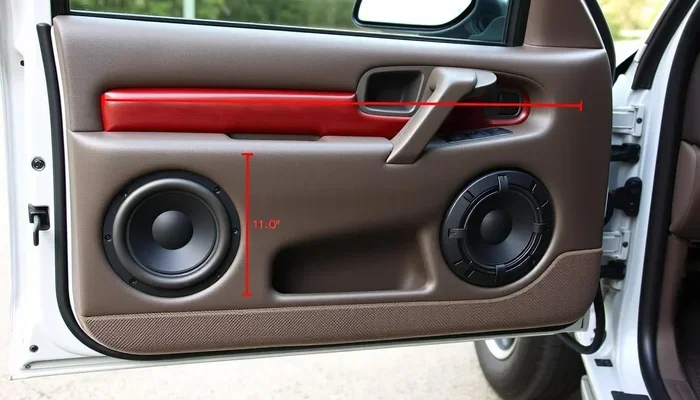
Visual guide about 4 Ohm Speakers on 2 Ohm Amp
Image source: pt-ot-st.net
Why Manufacturers Choose 4 Ω
Most factory‑installed speakers are 4 Ω because they provide a good balance of power handling and efficiency. They’re also easier on amplifiers that are designed for higher‑impedance loads, which are common in home audio.
What a 2 Ω Amp Expects
A 2 Ω amp is built to deliver a lot of current at relatively low voltage. It can push more watts into a low‑impedance load, which is why car audio enthusiasts love them for deep bass and high SPL (sound pressure level).
Wiring Options: How to Match 4 Ω Speakers to a 2 Ω Amp
Parallel Wiring – The Straightforward Solution
When you wire two 4 Ω speakers in parallel, the total impedance halves:

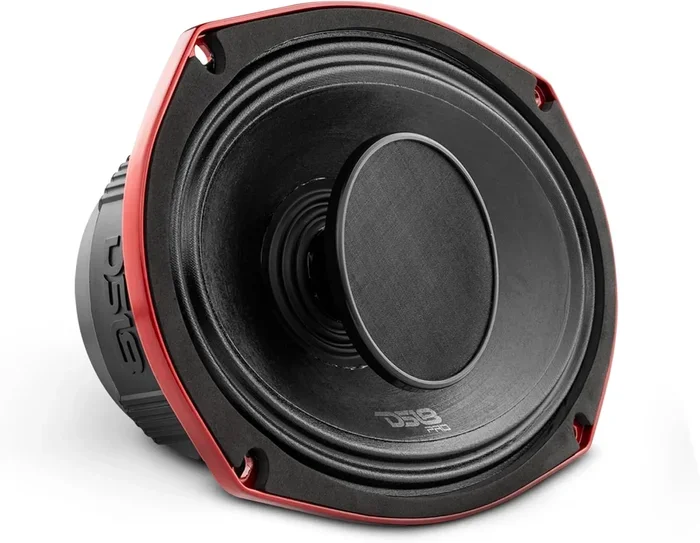
Visual guide about 4 Ohm Speakers on 2 Ohm Amp
Image source: cdn.borsonline.hu
Total Impedance = (Speaker Impedance ÷ Number of Speakers) = 4 Ω ÷ 2 = 2 Ω
This matches a 2 Ω amp perfectly. Each speaker sees the same voltage, and the amp delivers its rated power without stress.
Series Wiring – When It Doesn’t Work
Connecting speakers in series adds their impedances together. Two 4 Ω speakers in series become 8 Ω, which is far from the 2 Ω target and will make the amp sound weak.
For more details on series wiring, see our guide on 2 8 Ohm Speakers In Series.
Mixing Series and Parallel – Advanced Configurations
If you have more than two speakers, you can create a “series‑parallel” network. For example, four 4 Ω speakers can be wired as two parallel pairs (each pair = 2 Ω) and then those pairs in series, resulting in 4 Ω total. This is useful when you need a specific load for a multi‑channel amp.
Using Impedance‑Matching Devices
Resistors, also called “dummy loads,” can be added to raise the overall impedance slightly if you must use a single 4 Ω speaker on a 2 Ω amp. However, they waste power as heat and are generally a last resort.
Step‑by‑Step Guide: Wiring Two 4 Ω Speakers in Parallel to a 2 Ω Amp
What You’ll Need
- Two 4 Ω speakers (matching RMS power rating)
- 2‑channel 2 Ω amp
- Speaker wire – 16‑gauge or thicker for car installations
- Wire strippers, crimp connectors or soldering kit
- Multimeter (optional, for checking continuity)
Step 1: Disconnect Power
Always start by removing the car battery’s negative terminal or disconnecting the amp’s power supply. This protects you and the electronics.

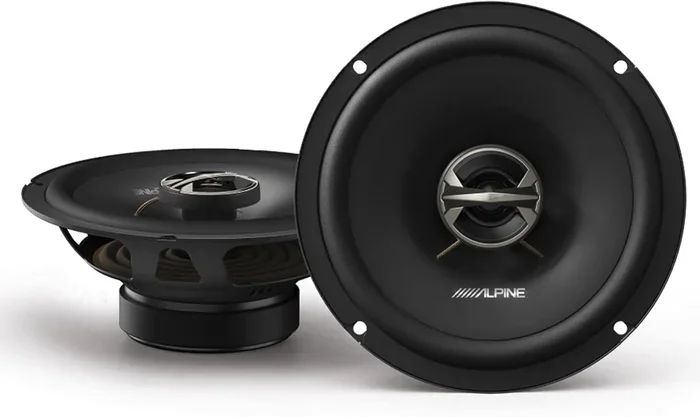
Visual guide about 4 Ohm Speakers on 2 Ohm Amp
Image source: d3lzcn6mbbadaf.cloudfront.net
Step 2: Prepare the Wire
Strip about ½ inch of insulation from each end of the speaker wire. If you’re using pre‑made speaker harnesses, you can skip this.
Step 3: Connect the Positive Leads
Take the positive terminal of the amp’s channel and splice the two speaker‑positive wires together. Use a crimp connector or solder and cover with heat‑shrink tubing.
Step 4: Connect the Negative Leads
Do the same with the negative terminals. Now each speaker shares the same positive and negative points, creating a parallel circuit.
Step 5: Verify the Connection
Use a multimeter set to resistance mode. Place the probes on the amp’s output terminals; you should read close to 2 Ω.
Step 6: Reconnect Power and Test
Reconnect the battery, turn the amp on at low volume, and play a familiar track. Listen for distortion or overheating. Gradually increase volume while monitoring the amp’s temperature.
Step 7: Secure and Insulate
Route the wires away from moving parts, and secure them with zip ties. This prevents rattles and wear.
Power Matching: Ensuring Your Speakers Can Handle the Amp’s Output
Check RMS Ratings
The amp’s RMS (continuous) power at 2 Ω is the key figure. If your amp delivers 100 W RMS per channel, each 4 Ω speaker should be rated for at least 100 W RMS. Underrated speakers will overheat and fail.
Peak vs. RMS
Don’t be fooled by “peak” power numbers. RMS is the real-world continuous rating. A speaker rated 200 W peak / 80 W RMS is safe only if the amp’s RMS output is ≤ 80 W.
Using a Load‑Balancing Resistor (Optional)
If your speakers are lower than the amp’s RMS, you can add a small resistor in series with each speaker to reduce the power each receives. This is a compromise and reduces overall volume.
Practical Tips to Keep Your System Healthy
Monitor Heat
Feel the amp’s heat sink after 15‑20 minutes of moderate listening. It should be warm, not scorching. Excess heat means the amp is working harder than it should.
Use Quality Wire
Thinner wire (e.g., 18‑gauge) adds resistance, effectively raising the load and reducing power. For most car installs, 16‑gauge is a safe choice.
Consider a Dedicated Car Amp for 6 Speakers
If you plan to expand to a six‑speaker system, look at a model designed for that load. Our article on Recommended Car Amp For 6 Speakers offers great options.
Check the Ground
A poor ground can cause the amp to think the load is lower than it really is, leading to overheating. Make sure the ground wire is short, thick, and attached to a clean metal surface.
Regular Maintenance
Every few months, inspect wire connections for corrosion, especially if you live in a humid climate. Tighten any loose terminals.
When It’s Better to Choose a Different Amp
Signs You Might Need a New Amp
- Frequent clipping or distortion at moderate volumes.
- Amplifier feels hot within minutes of use.
- Speaker cones appear to overheat or discolor.
Alternative Solutions
If you encounter these issues, consider swapping to a 4 Ω‑stable amp or adding a dedicated sub‑amp for low‑frequency loads. This reduces stress on the main amp and preserves sound quality.
Conclusion: Enjoy Powerful Sound Without the Risk
Running 4 Ω speakers on a 2 Ω amp isn’t a myth—it just requires careful wiring, proper power matching, and vigilant monitoring. By wiring the speakers in parallel, using the right gauge wire, and respecting the amp’s RMS limits, you can achieve a robust, clean sound that satisfies both bass lovers and audiophiles.
Remember, the key is balance: match impedance, match power, and keep the system cool. Follow the steps outlined here, and you’ll have a reliable, high‑performance car audio setup that lasts for years.
Frequently Asked Questions
Can I connect a single 4 Ω speaker to a 2 Ω amp?
Technically you can, but the amp will see a higher load than it’s designed for, which can cause reduced power output and potential overheating.
Is parallel wiring the only way to achieve 2 Ω with 4 Ω speakers?
For two speakers, yes. Parallel wiring halves the impedance. With more speakers, series‑parallel combinations can also reach the desired load.
Will using a resistor protect my amp?
A resistor can raise the total impedance, but it wastes power as heat and reduces overall volume, so it’s not the most efficient solution.
Do I need a special type of speaker wire for low‑impedance loads?
Thicker wire (16‑gauge or larger) is recommended to keep resistance low, which helps maintain the intended impedance and reduces heat.
How can I tell if my amp is overheating?
Feel the heat‑sink after a short listening session. If it’s too hot to touch comfortably, turn the amp off and let it cool before further use.
What should I do if I hear distortion even after wiring correctly?
Check the speaker’s RMS rating against the amp’s output, ensure all connections are solid, and verify the ground is good. If the problem persists, consider a lower‑power amp.