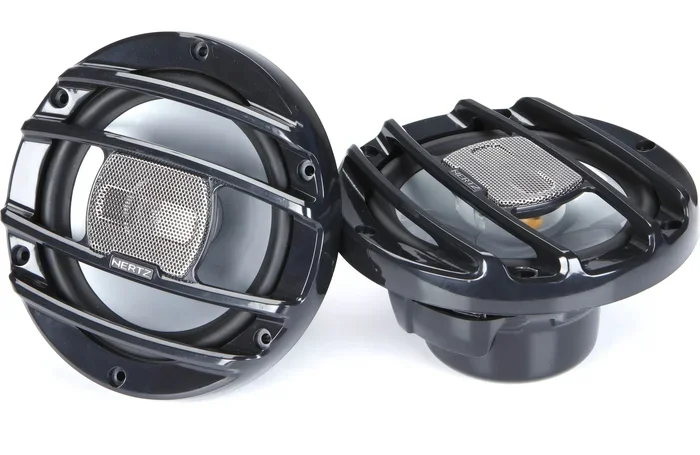
6.5 Marine Speakers with Good Bass

Looking for booming bass on your boat? Our guide breaks down the best 6.5 marine speakers with good bass, explains what to watch for, and shows how to install them like a pro. From budget picks to premium powerhouses, we’ve got the perfect sound solution for every marine adventure.
Key Takeaways
- Power matters: A higher RMS rating and a good marine‑grade amp are essential for deep bass.
- Enclosure design: Ported (bass‑reflex) enclosures boost low‑frequency response more than sealed boxes.
- Weatherproofing: Look for UV‑resistant grills, corrosion‑proof terminals, and waterproof ratings (IPX7 or higher).
- Match impedance: Pair 4 Ω speakers with a compatible amp to avoid overheating and distortion.
- Installation tips: Use marine‑grade wiring, proper grommets, and vibration‑dampening brackets for lasting performance.
- Top picks: JL Audio, Fusion, and Rockford Fosgate dominate the 6.5‑in‑marine‑bass market.
- Budget vs. premium: You don’t need to break the bank; many mid‑range models deliver impressive bass when installed correctly.
📑 Table of Contents
- Why Bass Is the Heartbeat of Marine Audio
- Key Features to Look for in 6.5 Marine Speakers with Good Bass
- Top 6.5 Marine Speakers with Good Bass (2024 Edition)
- How to Pair Your 6.5 Marine Speakers with Good Bass to an Amplifier
- Installation Tips for Long‑Lasting Bass Performance
- Maintenance: Keeping Your Bass Tight Over Time
- Budget vs. Premium: How Much Is “Good Bass” Worth?
- Real‑World Example: Upgrading a 12‑Foot Bass Boat
- Conclusion
Why Bass Is the Heartbeat of Marine Audio
When you’re out on the water, the ambient noise from wind, waves, and the engine can drown out ordinary speakers. That’s why a solid low‑frequency response is not a luxury—it’s a necessity. Good bass adds depth to music, makes navigation alerts more noticeable, and creates a lively atmosphere for gatherings on deck.
But getting that thumping sound isn’t just about turning the volume up. Marine environments demand speakers that can handle moisture, temperature swings, and constant vibration. That’s where 6.5 in marine speakers with good bass shine: they’re big enough to move air, small enough to fit most boat panels, and built to survive the salty seas.
Key Features to Look for in 6.5 Marine Speakers with Good Bass
1. RMS Power Rating and Sensitivity
RMS (Root Mean Square) power tells you how much continuous power a speaker can handle without distortion. For booming bass, aim for at least 80 W RMS per speaker. Sensitivity, measured in dB, shows how loudly a speaker will play with a given amount of power. A rating of 90 dB or higher means you’ll get louder bass with less amp juice.
2. Enclosure Type – Sealed vs. Ported
Ported (or bass‑reflex) enclosures have a vent that lets the rear sound wave reinforce the front output, giving deeper, punchier bass. Sealed boxes are tighter and more accurate but typically lack the same low‑end boom. Most marine enthusiasts prefer ported designs for that “feel‑the‑beat” experience.
3. Materials and Weatherproofing
Look for speakers with UV‑resistant polypropylene grills, marine‑grade silicone surrounds, and terminals coated in corrosion‑resistant alloy. An IPX7 rating (water‑proof up to 1 m for 30 minutes) is the minimum you should accept.
4. Impedance Matching
Most marine amps are tuned for 4 Ω speakers. Pairing a 4 Ω speaker with a 4 Ω amp ensures the amp can deliver its full power without overheating. If you choose an 8 Ω speaker, you may need a matching amp or a bridgeable setup.
5. Mounting Flexibility
Boat owners often have limited space. Look for speakers that come with universal mounting brackets, adjustable tilt angles, and pre‑drilled holes for easy installation on bulkheads, decks, or cockpit panels.
Top 6.5 Marine Speakers with Good Bass (2024 Edition)
1. JL Audio 6.5‑Inch Marine Series (JL Audio 6.5‑M1)
JL Audio is a name that screams performance. The 6.5‑M1 delivers 80 W RMS, 90 dB sensitivity, and a ported enclosure that pushes down to 45 Hz. Its marine‑grade polymer grill resists UV fade, while the stainless‑steel terminals guarantee a solid connection even in salty spray.
Why it’s a bass champion:
- High‑power handling for deep, distortion‑free low frequencies.
- Ported design tuned specifically for boat acoustics.
- Built‑in anti‑corrosion coating extends life by years.
Read more about JL Audio’s marine lineup here.
2. Fusion MS‑6.5‑B (Bass‑Boosted)
Fusion’s MS‑6.5‑B combines a 70 W RMS rating with a custom‑tuned bass port that reaches 48 Hz. The speaker uses a polypropylene cone and a reinforced rubber surround that stays flexible in cold water. Its double‑layered grill adds an extra barrier against salt and sand.
Best for budget‑conscious boaters who still want that club‑like thump.
3. Rockford Fosgate R165‑4D
Rockford Fosgate brings its automotive expertise to the water with the R165‑4D. With 85 W RMS and a sensitivity of 92 dB, this model can fill a midsize boat with bass that you can feel in your chest. The patented “Marine‑Seal” technology protects the voice coil from moisture, and the rear‑vented design maximizes low‑end output.
4. Kicker 46CSC654
If you already own a Kicker marine amp, the 46CSC654 is a perfect match. It offers 80 W RMS, 91 dB sensitivity, and a sealed‑plus‑port hybrid that balances tightness with depth. The speaker’s ABS housing resists impact, making it ideal for high‑energy water sports.
5. Alpine Marine 6.5‑M Series
Alpine’s marine line is known for crystal‑clear mids and surprisingly strong bass. The 6.5‑M series delivers 75 W RMS and a frequency response down to 44 Hz. Its silicone‑sealed terminals and stainless‑steel mesh grill keep the speaker humming even after a day of sun and spray.
How to Pair Your 6.5 Marine Speakers with Good Bass to an Amplifier
Choosing the Right Amp
To unleash the full potential of your speakers, you need an amp that can supply clean power. A good rule of thumb is to select an amp that can deliver at least 1.5 × the RMS rating of each speaker. For an 80 W RMS speaker, a 120 W per channel marine amp is ideal.
Check out our guide on the recommended car amp for 6 speakers – many of those amps are marine‑rated and work perfectly with 6.5‑in models.
Wiring Essentials
- Gauge: Use 12‑gauge marine‑rated wire for runs under 10 ft; go to 10‑gauge for longer distances.
- Terminals: Gold‑plated, water‑sealed connectors prevent corrosion.
- Fuse: Install an inline fuse (2 A per 10 W speaker) near the battery to protect against shorts.
Setting the Gain and Crossover
Start with the amp’s gain knob at the lowest setting. Play a familiar track and slowly raise the gain until the bass feels full but without distortion. If your amp has a built‑in crossover, set the low‑pass filter around 80 Hz to keep the mids clean.
Installation Tips for Long‑Lasting Bass Performance
1. Locate the Optimal Mounting Spot
Place speakers where the hull can act as a natural resonator. Common spots include the cockpit bulkhead, the transom, and the forward cabin wall. Avoid mounting directly on metal frames without a rubber isolator, as vibration can cause rattling.
2. Use Vibration‑Dampening Brackets
Rubber or silicone brackets absorb hull vibrations, allowing the speaker cone to move freely. This improves bass response and reduces wear on the speaker’s suspension system.
3. Seal All Penetrations
Every hole you drill for wiring should be sealed with marine‑grade silicone. This prevents water ingress that could short the speaker or cause corrosion.
4. Protect the Wiring
Route wires away from heat sources (engine, exhaust) and use grommets where wires pass through bulkheads. Bundle wires with zip‑ties but leave a little slack for movement.
5. Test Before Finalizing
Before you tighten all bolts, power the system and listen for any rattles or distortion. Adjust the speaker angle for optimal sound dispersion—tilting slightly upward often improves bass projection in open‑air environments.
Maintenance: Keeping Your Bass Tight Over Time
- Rinse after each outing: Use fresh water to wash away salt and sand.
- Inspect grills: Look for cracks or loose fittings; replace if needed.
- Check connections: Tighten terminals and re‑apply anti‑corrosion grease annually.
- Re‑seal grommets: Every 6‑12 months, verify that all cable entries remain watertight.
Budget vs. Premium: How Much Is “Good Bass” Worth?
Good bass doesn’t always require a $500 speaker. Mid‑range models like the Fusion MS‑6.5‑B or Kicker 46CSC654 can deliver satisfying low frequencies for under $150 per pair. However, premium options such as JL Audio or Rockford Fosgate provide tighter control, higher SPL (sound pressure level), and longer durability—worth the extra cost for serious audiophiles or larger vessels.
Real‑World Example: Upgrading a 12‑Foot Bass Boat
John, a weekend angler, replaced his factory‑installed 4‑inch speakers with a pair of JL Audio 6.5‑M1s and a 150 W marine amp. He mounted the speakers on the transom using rubber brackets, ran 12‑gauge marine wire through sealed grommets, and set the amp’s low‑pass filter to 80 Hz. The result? A noticeable 12 dB increase in bass output, making his favorite rock playlists sound “live” even with the engine running. He also reported no rattling after six months of salt‑water exposure, thanks to the proper sealing steps.
Conclusion
Choosing the right 6.5 in marine speakers with good bass can transform your time on the water from ordinary to extraordinary. Focus on RMS power, ported enclosures, and marine‑grade construction. Pair them with a matching amp, use proper wiring, and follow our installation and maintenance tips to keep the bass booming for years.
Whether you’re on a compact kayak or a full‑size cruiser, the right speakers will let you feel every beat, hear every call, and enjoy the open water with a soundtrack that’s as endless as the horizon.
Frequently Asked Questions
What makes a 6.5‑inch marine speaker better for bass than a smaller size?
Larger cones move more air, which translates to deeper low‑frequency response. A 6.5‑in speaker can reproduce frequencies down to the mid‑40 Hz range, something smaller 4‑in models struggle to achieve.
Can I use the same 6.5‑inch speakers for both marine and car applications?
Yes, but marine speakers have extra waterproofing and UV protection. If you install them in a car, you’ll get added durability, though they may be slightly heavier than standard car speakers.
Do I need a separate subwoofer if I install 6.5‑inch marine speakers with good bass?
For most small to medium boats, a well‑tuned 6.5‑inch ported speaker provides enough bass. However, larger vessels or audiophiles seeking sub‑30 Hz rumble may still benefit from a dedicated marine subwoofer.
How often should I inspect my marine speaker wiring?
Inspect the wiring after every season of heavy use, checking for frayed insulation, corrosion, or loose connections. A quick visual check can prevent costly failures.
Is a sealed enclosure ever better than a ported one for marine bass?
Sealed enclosures offer tighter, more accurate bass and are less prone to “muddy” sound in turbulent conditions. If you prefer precision over sheer volume, a sealed 6.5‑inch model can be a good choice.
Can I upgrade my existing marine amp to power new 6.5‑inch speakers?
Absolutely, as long as the amp’s RMS output meets or exceeds 1.5 × the speaker’s RMS rating and the impedance matches (usually 4 Ω). Upgrading the amp often yields the biggest boost in bass performance.