Why Are My Car Speakers Crackling
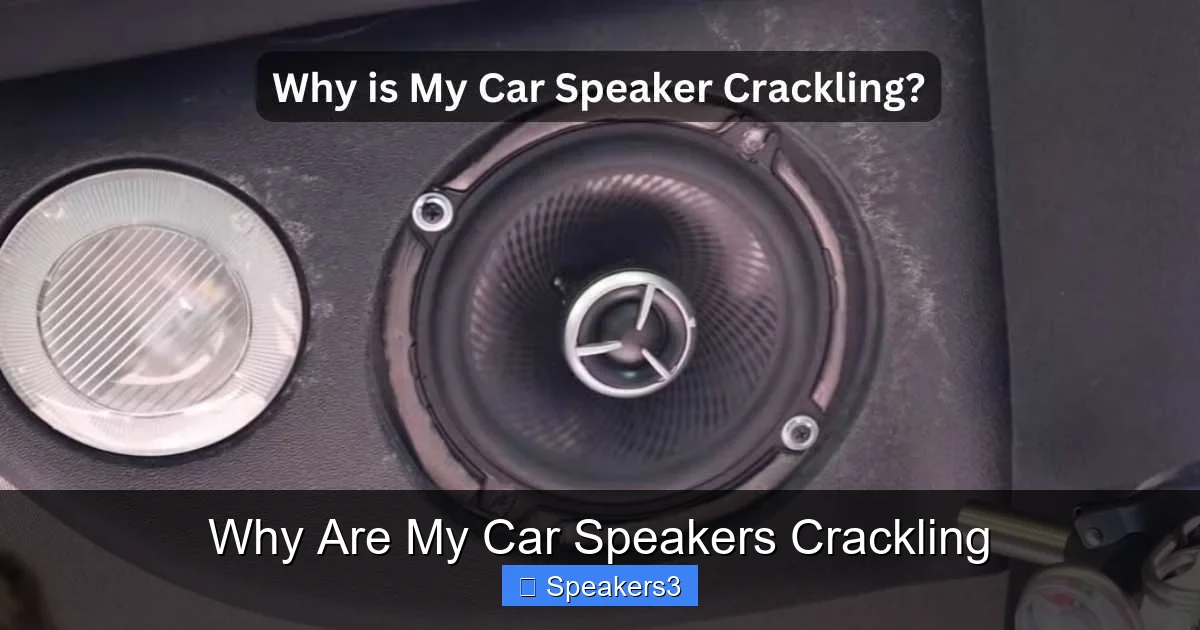
If your car speakers are crackling, it’s usually a simple problem you can solve at home. This guide walks you through the top reasons—loose wires, bad connections, interference, and more—and shows step‑by‑step fixes so you can enjoy clean audio again. Read on for practical tips and a quick troubleshooting checklist.
Key Takeaways
- Loose or corroded wires: The most common cause of crackling; tighten and clean connections.
- Faulty speaker cones or surrounds: Physical damage creates distortion; may need replacement.
- Grounding issues: Poor ground loops cause noise; check chassis ground points.
- Interference from accessories: Power inverters, chargers, and Bluetooth devices can introduce static.
- Amplifier problems: Overdriven or failing amps generate crackle; adjust gain or service the amp.
- Incorrect speaker impedance: Mismatched amps and speakers cause distortion; match specs.
- Simple DIY fixes: Most crackle issues are resolved with a few tools and a half‑hour of work.
📑 Table of Contents
- Introduction: When Your Car Audio Starts to Crackle
- 1. Loose or Corroded Wiring: The Silent Saboteur
- 2. Faulty Speaker Cones and Surrounds
- 3. Grounding Problems and Electrical Noise
- 4. Interference from Accessories and Electronics
- 5. Amplifier Issues and Gain Settings
- 6. Mismatched Impedance and Over‑Powering
- 7. Quick DIY Troubleshooting Checklist
- Conclusion: Bring Back the Pure Sound
Introduction: When Your Car Audio Starts to Crackle
Imagine cruising down the highway, your favorite playlist blasting, and suddenly a faint crackle interrupts the music. It’s annoying, distracting, and can make you wonder, why are my car speakers crackling?
Don’t panic. In most cases the problem isn’t a costly factory defect. It’s usually something you can diagnose and repair yourself with a few basic tools. This article breaks down the most common culprits, shows you how to test each one, and gives you clear steps to get your sound back to silky smooth.
1. Loose or Corroded Wiring: The Silent Saboteur
Why wiring matters
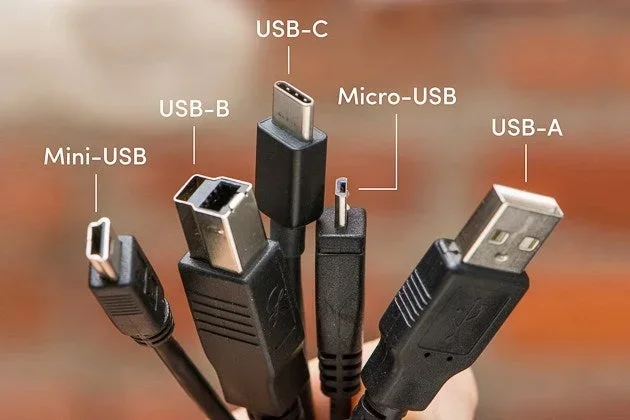
Speakers need a solid electrical path to reproduce sound. If the wire connection is loose or corroded, the signal gets interrupted, creating that familiar crackle.
Visual guide about Why Are My Car Speakers Crackling
Image source: i.pinimg.com
How to inspect
- Turn off the car and disconnect the battery.
- Remove the door panel or speaker grille to expose the speaker terminals.
- Look for frayed insulation, rust, or loose crimp connectors.
Fix it fast
Use a small screwdriver to tighten any loose screws. If you see corrosion, clean it with a contact cleaner and a cotton swab. For permanently damaged wires, cut back to fresh copper and solder a new splice, then cover it with heat‑shrink tubing.
2. Faulty Speaker Cones and Surrounds
What the cone does
The cone and its surrounding suspension (the surround) move back and forth to push air and create sound. A tear, crack, or weakened surround will cause the cone to vibrate unevenly, resulting in crackling.
Visual guide about Why Are My Car Speakers Crackling
Image source: 0.academia-photos.com
Spotting damage
- Play a test tone (a sweeping sine wave works well).
- Listen for distortion that changes when you move the speaker physically.
- Visually inspect the cone for visible cracks or missing pieces.
When to replace
If the cone is cracked or the surround is soft and floppy, replacement is the only reliable fix. Check the manufacturer’s part number and order a matching speaker. Installing a new speaker is as easy as swapping the old one—just reconnect the wires and secure the mounting brackets.
3. Grounding Problems and Electrical Noise
Ground loops explained
A ground loop occurs when two points in the audio system share different ground potentials. The resulting voltage difference creates a hum or crackle that rides on your music.
Visual guide about Why Are My Car Speakers Crackling
Image source: online.fliphtml5.com
Diagnosing a bad ground
- Locate the chassis ground strap that connects the amplifier (or head unit) to the car frame.
- Check for rust, loose bolts, or paint that might be insulating the metal.
- Use a multimeter to measure resistance; it should be less than 0.1 Ω.
Simple grounding fix
Clean the grounding point with sandpaper, re‑apply a fresh bolt, and add a star‑washer for extra contact. If the amp has a separate ground wire, run a new short gauge wire directly to a clean metal spot on the chassis.
4. Interference from Accessories and Electronics
Common culprits
Power inverters, phone chargers, dash cams, and even Bluetooth adapters can inject noise into the audio path. The high‑frequency switching inside these devices creates tiny voltage spikes that manifest as crackle.
Testing for interference
- Turn off all accessories except the head unit.
- Play music and listen for crackle.
- Re‑enable each accessory one at a time to see which re‑introduces the noise.
Mitigation tips
Use shielded power cables, keep audio wiring away from power cables, and consider adding a ferrite bead or noise filter on the accessory’s power line. For persistent problems, a dedicated power line with its own fuse can isolate the noise source.
5. Amplifier Issues and Gain Settings
When the amp is to blame
Amplifiers boost the audio signal, but an over‑driven amp or a failing output transistor can produce crackling, especially at low volumes.
Checking gain and clipping
- Set the head unit’s volume low and gradually increase the amp’s gain until you hear distortion.
- If crackle appears before the gain reaches the recommended level, the amp may be faulty.
Adjusting or repairing
Lower the gain to a point where the sound is clean. If you still hear crackle, the amp likely needs professional service or replacement. Remember to match the amp’s power rating with your speaker’s wattage—see our guide on Does Wattage Matter For Car Speakers for details.
6. Mismatched Impedance and Over‑Powering
Understanding impedance
Speakers are rated at 4 Ω or 8 Ω, while amplifiers have specific impedance ranges they can safely drive. Connecting a low‑impedance speaker to an amp that expects higher impedance forces the amp to work harder, causing overheating and crackle.
How to verify
- Check the speaker’s label for its impedance rating.
- Consult the amplifier’s manual for its compatible impedance range.
- If they don’t match, consider adding a resistor (bridge) or swapping speakers.
Practical example
Suppose you installed a set of 4 Ω speakers on an amp rated for 8 Ω minimum. The amp will overheat, and you’ll hear crackling at higher volumes. Switching to 8 Ω speakers or using a matching Recommended Car Amp For 6 Speakers solves the issue.
7. Quick DIY Troubleshooting Checklist
- Turn off all accessories and listen for crackle.
- Inspect speaker wires for looseness or corrosion.
- Check speaker cones for physical damage.
- Verify proper grounding on the amp and head unit.
- Adjust amplifier gain and ensure it matches speaker wattage.
- Confirm speaker impedance matches the amp’s specifications.
- Test with a different audio source (e.g., phone vs. radio).
Conclusion: Bring Back the Pure Sound
Now you know why are my car speakers crackling and, more importantly, how to fix it. Most issues stem from simple wiring problems, grounding errors, or mismatched components. By following the step‑by‑step guide above, you can eliminate unwanted noise without a costly dealer visit.
Remember to keep your wiring tidy, use quality connectors, and match your speakers to a compatible amplifier. If you’ve tried all the DIY steps and the crackle persists, it may be time to consult a professional audio installer.
Enjoy your next drive with crystal‑clear music—no more crackle, just pure sound.
Frequently Asked Questions
Why do my car speakers crackle only at low volumes?
Low‑volume crackle is often caused by a poor ground or a mismatched amplifier gain. Tightening the ground strap and lowering the amp’s gain usually resolves the issue.
Can a bad head unit cause speaker crackling?
Yes. If the head unit’s output stage is failing, it can send a noisy signal to the speakers. Test the speakers with a different source to confirm.
Is it safe to use a power inverter near my car audio system?
Power inverters can introduce high‑frequency noise that leads to crackling. Use a filtered inverter or keep its wiring separate from audio cables.
How often should I clean my speaker connections?
Inspect and clean connections at least once a year, or whenever you notice any change in audio quality.
Do aftermarket speakers need a special amp?
Most aftermarket speakers work with stock amps, but for higher power or lower impedance models you may need a more robust amp. See our article on 6 3 4 Car Speakers for guidance.
Will Bluetooth streaming cause crackling?
Bluetooth can add a small amount of latency but usually not crackle. If you hear crackle only when Bluetooth is active, check for interference from other wireless devices.