Surround Sound Speakers on Stands
Setting up surround sound speakers on stands can transform your home theater experience. The right height and position make every movie scene feel alive. You will learn simple tips to place your surround speakers for clear, immersive sound. Small changes in setup create big improvements in audio quality. Let us walk through the best ways to mount and position your system.
Key Takeaways
- Optimal Height: Place surround sound speakers on stands at or slightly above ear level for clear dialogue.
- Placement Matters: Position surround speakers behind or to the side of your seating area for true immersion.
- Stand Stability: Use sturdy speaker stands to prevent vibration and keep your audio sharp.
- Room Acoustics: Adjust stand height and angle to reduce reflections and improve home theater sound.
- Cable Management: Hide wires neatly when you mount speakers on wall or use floor stands.
- Test and Tweak: Move stands slightly and listen for the best speaker placement before finalizing.
- Safety First: Secure heavy surround sound speakers properly to avoid accidents and protect your gear.
📑 Table of Contents
Why Use Surround Sound Speakers on Stands
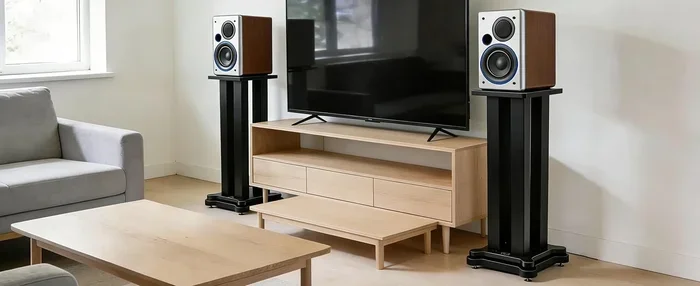
Good sound starts with good placement. Surround sound speakers on stands give you freedom to shape your listening space. You can move them where they work best. You can also avoid furniture that blocks audio. Many people think any spot works. It does not. Small changes in height and angle make a big difference.
Stands also keep your room tidy. You do not need to drill holes right away. You can test different spots first. This makes setup simple. You can shift things as your room changes. A flexible setup helps you find the sweet spot faster.
There is another benefit too. Stands lift your surround speakers away from floors and shelves. This reduces muddy sound. It also keeps cables off the ground. Clean setups often sound better because there is less clutter to cause reflections.
Better Sound Direction
Sound should reach your ears directly. When surround sound speakers on stands sit at the right height, audio feels more natural. Dialogue becomes clearer. Effects land where they should. You hear details you might miss otherwise.
More Room Flexibility
Stands work in many rooms. You can place them near couches, chairs, or sectionals. You can also move them for parties or game nights. This flexibility helps you adapt without buying new gear.
Quick Tip
Start with your main seating spot. Sit down and mark where your ears line up with the wall. Use that line as your starting point for stand height.
Choosing the Right Speaker Stands for Surround Speakers
Not all stands work the same. The best speaker stands for surround speakers match your gear and your room. You want stability first. Then you want the right height. Then you want a clean look. A stand that wobbles will hurt your sound. A stand that sits too low will change the audio path.
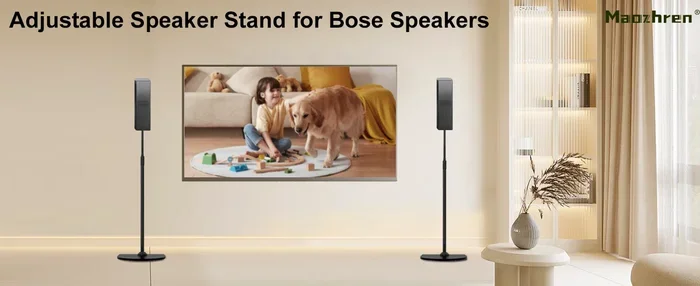
Visual guide about surround sound speakers on stands
Image source: m.media-amazon.com
Material matters too. Heavy bases reduce vibration. Solid columns keep the speaker steady. Some stands include spikes or pads. These help isolate the speaker from the floor. That small detail can sharpen your home theater audio.
Height Guidelines
Most people aim for ear level. If you sit on a couch, that often means 30 to 42 inches from the floor. If you sit in a chair, you may need a bit more height. The goal is simple. Sound should travel straight to your ears without bouncing off the ceiling or floor too much.
If your surround sound speakers on stands sit too low, bass can feel boomy. If they sit too high, you may lose warmth. Small adjustments help you find balance. Move the stand up or down a few inches and listen each time.
Stability and Weight
Check the stand weight limit. Lighter stands may shake when loud effects play. Heavier stands stay put. A wide base also helps. If you have floor coverings, make sure the stand does not slide. A non-slip pad can help a lot.
Quick Tip
If you want a cleaner look, choose stands that match your room style. Simple metal or wood designs blend in well. They also keep attention on the screen and sound.
Best Placement for Surround Sound Speakers on Stands
Placement is where the magic happens. The right spot for surround speakers depends on your room and seating. In most home theaters, surround channels work best behind or to the side of the listener. The sound should wrap around you. It should not blast you from the front.
Think about the listening triangle. The front speakers sit in front of you. The surround speakers sit behind or beside you. This creates a circle of sound. When surround sound speakers on stands sit in the right zone, every scene feels wider and deeper.
Side vs. Rear Placement
Side placement works well in smaller rooms. It keeps the sound close and active. Rear placement works well when you have space behind the couch. It creates a more enveloping feel. You can also mix the two if your room allows it.
Here is a simple way to think about it:
- Side position: Good for dialogue clarity and tight rooms.
- Rear position: Good for atmosphere and larger spaces.
- Slight angle inward: Helps focus sound toward the listener.
Distance from Walls
Do not push stands flat against the wall unless you have to. A little space helps sound breathe. It also reduces harsh reflections. If your room is tight, keep the stands a few inches away from the wall. If you have more room, try a foot or more.
If you want more ideas on positioning, you can also read our guide on where to put surround speakers. It breaks down common room layouts in a simple way.
Quick Tip
Mark your stand positions with tape before drilling or buying accessories. Sit in your main seat and listen to a familiar movie scene. Move the stands a little and repeat. Your ears will tell you what works.
Speaker Height, Angle, and Room Acoustics
Height and angle work together. Surround sound speakers on stands should aim toward the listening area. A slight upward or downward tilt can help. The right angle depends on your seat height and stand height. If the speaker points too high, sound may scatter. If it points too low, you may lose clarity.
Room surfaces matter too. Hard floors and bare walls bounce sound around. Soft rugs, curtains, and furniture absorb some of that energy. If your room feels bright or harsh, try adding soft materials near the listening zone. This can make surround speakers sound smoother.
Reducing Reflections
Reflections can blur details. When sound bounces off glass, tile, or empty walls, it can interfere with the direct sound from your speakers. That is why placement and room treatment go hand in hand. You do not need a studio. You just need a few smart choices.
Try these simple fixes:
- Move stands away from corners if the sound feels muddy.
- Use a rug if the floor is very reflective.
- Add curtains if windows create echoes.
- Keep the path between speakers and listeners clear.
Adjusting for Seating
If your seating changes, your ideal stand height may change too. A low couch needs different placement than a tall chair. If people watch from more than one spot, aim for the most common seat. That usually gives the best overall result.
If you ever want a more permanent solution, you can learn more about how to mount speakers on wall setups. Wall mounts can save floor space and still give you strong surround performance.
Common Mistakes
- Placing stands too low for the seating position.
- Pointing speakers straight ahead instead of toward the listener.
- Ignoring room reflections from hard surfaces.
- Crowding stands against walls or furniture.
Mounting, Cable Management, and Safety
Once you find the right spot, keep everything secure. Surround sound speakers on stands should feel solid. Tighten the speaker base carefully. Make sure the stand does not tip if someone brushes past it. Safety matters, especially in busy family rooms.
Cables can be annoying, but they do not have to be messy. Good cable management keeps your setup clean and reduces tripping hazards. It also helps you move stands without unplugging everything each time.
Cable Management Tips
Use short runs when possible. Long cables can add clutter. Bundle extra length neatly. Keep power and audio cables separated if you can. This keeps things tidy and reduces interference worries. If your setup is permanent, label both ends of each cable. That saves time later.
If you prefer a wall setup later, you may also enjoy our article on how to hide surround sound speakers. It covers neat ways to keep gear out of sight without losing sound quality.
Stands vs. Wall Mounts
Stands are flexible. Wall mounts save space. Both can work well. Stands are easier to move and test. Wall mounts can look cleaner in some rooms. If you choose stands, make sure they are heavy enough for your speakers. If you choose wall mounts, make sure the wall can hold the load.
A simple comparison can help:
- Stands: Easy to adjust, flexible, good for testing.
- Wall mounts: Space-saving, clean look, more permanent.
- Best choice: The one that fits your room and your habits.
Expert Insight
Many home theater fans start with stands because they are forgiving. You can shift them as you learn your room. That trial-and-error process is valuable. Once you know where the sound works best, you can decide whether to keep stands or switch to a wall setup.
Quick Tip
Check screws and joints after a few weeks. Vibration can loosen things over time. A quick check keeps your surround speakers safe and steady.
Fine-Tuning Your Surround Speaker Setup
The final step is listening. Numbers help, but your ears matter most. Play music you know well. Watch a movie scene with lots of background action. Walk around the room if you can. Notice where the sound feels balanced and where it feels off.
Small changes often create the biggest gains. Move a stand a few inches. Change the tilt a little. Remove a nearby object that blocks sound. These simple steps can improve speaker placement more than expensive upgrades.
Listening Tests
Use a few different tracks. A dialogue-heavy scene shows clarity. An action scene shows movement and impact. A music track shows balance and smoothness. If something sounds harsh, check the angle. If something sounds weak, check the distance from the wall. If something sounds boomy, check the stand height and floor surface.
If you want to understand more about speaker power and performance, you can also read what does watts mean on speakers. It helps you make sense of speaker specs before you buy or upgrade.
When to Adjust Again
Rooms change. Furniture moves. Windows open and close. People sit in different spots. That means your setup may need small tweaks later. Do not treat your first layout as final. Keep a little flexibility in your setup so you can improve it over time.
Key Takeaways
- Start with ear-level placement and adjust from there.
- Aim surround sound speakers on stands toward the main listening spot.
- Keep stands stable and cables tidy.
- Use soft materials to calm harsh room reflections.
- Listen, move, and test until the sound feels right.
A good surround setup does not need to be complicated. It needs a little patience and a few smart choices. When your surround speakers are placed well, your room feels bigger and your audio feels more alive. Take your time, trust your ears, and enjoy the improvement.
Frequently Asked Questions
How high should surround sound speakers on stands be placed?
Place them at or slightly above ear level when you sit in your main seat. That usually means around 30 to 42 inches from the floor, depending on your couch or chair height. Adjust a few inches if the sound feels unclear.
Should surround speakers face the listener?
They should point generally toward the listening area, not straight ahead. A slight inward angle often works best. The goal is to send sound toward your ears without making the setup feel narrow or harsh.
Do surround sound speakers need stands or can they sit on shelves?
They can sit on shelves, but stands usually give you more control over height and angle. Stands also help keep the sound path clear. If you use shelves, make sure the surface is stable and does not block the sound.
How far from the wall should surround speaker stands be placed?
A few inches is a good starting point if space is tight. If you have more room, moving them farther away can help the sound feel more open. Try different distances and listen for the clearest result.
What kind of speaker stands work best for surround speakers?
Sturdy stands with a solid base work best. Choose a stand that matches the speaker size and weight. Stability matters more than style because a shaky stand can hurt sound quality and safety.
How can I keep surround speaker cables neat and safe?
Bundle extra cable length, keep runs short, and secure wires along the floor or baseboards. Label both ends if your setup is complex. Good cable management makes your room safer and your setup easier to adjust later.