Tv Speakers as Center Channel
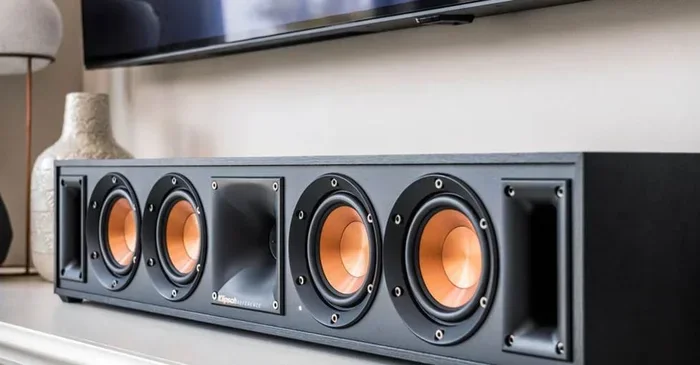
Using TV speakers as center channel can save space and money while boosting dialogue clarity. This guide shows you how to set them up, what to expect, and when to consider other options. You will learn practical tips to get clearer sound without a full speaker upgrade.
Key Takeaways
- Simple setup: You can often route audio to TV speakers for clearer dialogue without extra gear.
- Great for small rooms: TV speakers as center channel work well in compact spaces where a separate speaker feels bulky.
- Dialogue focus: This approach can make voices easier to hear, especially at low volumes.
- Limits exist: Built-in speakers may lack bass and fullness compared to a dedicated center speaker.
- Placement matters: Keep the TV at ear level for the best speech clarity and sound balance.
- Smart alternatives: Soundbars and compact center speakers can deliver stronger performance if needed.
- Check compatibility: Not every TV or receiver supports using built-in speakers as a dedicated center channel.
📑 Table of Contents
- Why TV Speakers as Center Channel Can Work
- How TV Speakers as Center Channel Affect Sound Quality
- Best Ways to Set Up TV Speakers as Center Channel
- Limitations of Using TV Speakers as Center Channel
- Smart Alternatives If TV Speakers Fall Short
- Common Mistakes to Avoid
- Final Thoughts on TV Speakers as Center Channel
Why TV Speakers as Center Channel Can Work
Many people want clearer dialogue without buying a whole new sound system. That is where TV speakers as center channel comes in. It is a simple idea. You use the built-in speakers on your TV to handle the main voices and midrange sounds. This can make movies and shows feel more focused. It can also reduce the clutter of extra boxes and wires.
This approach works best when your TV has decent built-in audio. Some modern TVs sound quite good for everyday viewing. They can handle speech well, especially in smaller rooms. If your main goal is clearer voices, this setup can help a lot. You do not always need a big speaker stack to enjoy better sound.
Still, it helps to know what you are getting into. Built-in speakers are not always designed to act like a true center channel. A real center speaker is built to anchor dialogue and keep sound steady during action scenes. TV speakers can do some of that work, but they have limits. The good news is that you can often improve the result with a few smart settings.
How TV Speakers as Center Channel Affect Sound Quality
Sound quality changes when you rely on TV speakers for the center role. The biggest gain is usually dialogue. Voices can feel more direct because the sound comes from the screen. That makes it easier to follow conversations. It also keeps the audio aligned with the picture, which feels natural.
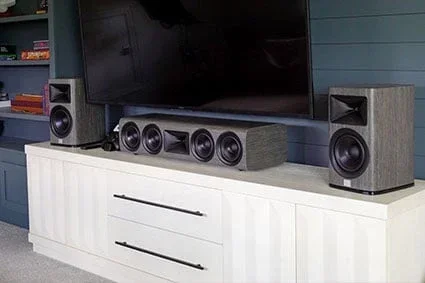
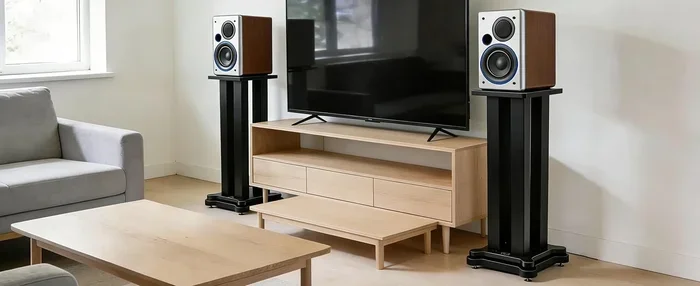
Visual guide about TV speakers as center channel
Image source: audioadvice.com
The tradeoff is fullness. TV speakers are small, so they may not move enough air for rich mids and lows. You might notice less warmth in music or less punch during explosions. If you like a big, room-filling sound, this setup may feel thin. If you mostly watch talk shows, news, and drama, the difference may be smaller.
There is also the issue of balance. A center channel usually sits between left and right speakers. That helps create a stable soundstage. When you use TV speakers as center channel, the sound may feel tied to the TV rather than spread across the room. For some viewers, that is a benefit. For others, it can feel less immersive.
What Improves When You Use Built-In TV Speakers
A few things tend to get better right away. First, dialogue clarity can improve because the sound source matches the screen. Second, setup is easy, since you do not need extra speaker cables. Third, you save money because you are not buying a separate speaker. These are strong reasons why people try this idea in the first place.
Another benefit is simplicity. Fewer devices mean fewer settings to manage. That can be helpful if you are not comfortable with audio gear. You can focus on watching instead of tweaking. For casual listening, that simplicity is a real win.
What You May Lose Compared to a Dedicated Center Speaker
A dedicated center speaker usually offers more consistent midrange performance. It can also handle louder scenes with less strain. By contrast, small TV speakers may distort when pushed hard. They may also sound less balanced if the TV is tucked into a cabinet or too close to a wall.
Bass is another common weak spot. Small speakers struggle to produce deep low end. So if you enjoy action movies or bass-heavy music, the experience may feel light. You can sometimes compensate with a subwoofer, but that adds cost and complexity. If you want to explore that route, you may find it useful to read about the difference between subs and speakers before you buy anything.
Best Ways to Set Up TV Speakers as Center Channel
If you want to try this setup, the goal is to make the TV speakers do more of the dialogue work. The exact steps depend on your TV and audio sources. Still, a few general habits help almost everyone. Start by checking your TV audio menu. Look for settings like clear voice, dialogue boost, or night mode. These can make speech easier to hear without increasing overall volume too much.
Next, think about placement. The TV should sit near ear level if possible. That helps the sound reach your ears directly. If the TV is too low or too high, the sound may feel less natural. Keep the area around the TV open when you can. Sound can get muffled when the TV is boxed in by shelves or tight cabinetry.
You should also check how your TV handles external audio. Some TVs let you use the internal speakers for certain sounds while sending other audio elsewhere. Others may only let you use one output at a time. If you are unsure, review your TV manual or settings carefully. If you want a deeper dive into speaker wiring and amplifier setups, you might also look at guides like how to wire 4 speakers to 2 channel amp for general audio connection ideas, even if your current project is simpler.
Simple Settings to Try First
Before changing hardware, try these settings:
- Voice or dialogue enhancement: This can lift speech frequencies and make words stand out.
- Night mode: This reduces loud jumps in volume, which can help dialogue stay steady.
- Equalizer tweaks: A small boost in midrange can help voices feel clearer.
- Volume leveling: If available, this can keep sound more even across shows and ads.
These options are easy to test. Try one at a time so you can hear the difference. Small changes often make a noticeable impact.
When This Setup Makes the Most Sense
This setup is a good fit when you want better dialogue without adding more gear. It also works well in bedrooms, kitchens, and small living rooms. If you watch a lot of streaming shows, cable TV, or video calls, the convenience matters. You get a cleaner look and a quick solution.
It can also help if you already have a nice TV with decent audio. Some TVs have improved their built-in sound a lot in recent years. In that case, using the TV speakers more intentionally can be a smart move. You are making the most of the hardware you already own.
Limitations of Using TV Speakers as Center Channel
Even with good settings, TV speakers have limits. The main one is size. Small drivers cannot always reproduce the full range of sound you hear in a theater. That means certain details may be softer than you want. Action scenes may feel less powerful. Music may lack depth.
Another issue is distortion. If you turn the volume up too high, small speakers can sound strained. That can make long viewing sessions tiring. It can also reduce clarity when the soundtrack gets busy. A dedicated center speaker is usually built to handle more demand with less strain.
Room acoustics matter too. Hard walls, open spaces, and reflective surfaces can change how sound behaves. TV speakers may sound fine in one room and weak in another. If your room is very large or very echoey, the built-in speakers may not be enough. In that case, you may want to think about a better speaker setup or a more targeted audio upgrade.
When Built-In TV Speakers Are Not Enough
There are a few signs that this approach may not meet your needs:
- Voices still feel hard to hear: If dialogue enhancement does not help enough, the speakers may be the limit.
- Sound feels weak at higher volume: That often means the TV speakers are reaching their ceiling.
- You want stronger movie impact: A bigger system may be a better match for action and surround effects.
- You listen to music often: Built-in TV speakers are usually not ideal for fuller music playback.
If you notice these issues, do not feel stuck. There are other ways to improve sound without starting from scratch. A soundbar, a compact center speaker, or a small amp setup may be a better fit. If you are curious about speaker options for a computer setup, you can also explore topics like best desktop speakers for pc for ideas on compact audio gear.
Smart Alternatives If TV Speakers Fall Short
If you want clearer dialogue but better overall sound, a soundbar is one of the easiest upgrades. Many soundbars focus on voice clarity and simple setup. Some even include a dedicated center channel or simulate one well. That can give you a more balanced experience than TV speakers alone.
A real center speaker is another strong option if you already have left and right speakers. It can anchor dialogue and improve the sense of space. This is especially helpful in a home theater setup. If you are thinking about expanding later, you might also compare setups like 4 speakers on 2 channel amp to understand how multi-speaker systems can be arranged.
You can also improve sound without changing speakers by treating the room a little. Soft furnishings, curtains, and rugs can reduce harsh reflections. That can make voices easier to understand. It is a small change, but it can help more than people expect.
Soundbar vs TV Speakers for Dialogue
Here is a quick comparison to keep things simple:
- TV speakers: Easy, compact, and already there. Good for casual viewing and smaller rooms.
- Soundbar: Stronger dialogue focus, more volume headroom, and often better overall balance.
- Dedicated center speaker: Best for anchoring dialogue in a larger speaker system.
The best choice depends on your room and your expectations. If you just want clearer speech, TV speakers may be enough. If you want a fuller experience, a soundbar or center speaker is usually the better path.
Common Mistakes to Avoid
One common mistake is expecting TV speakers to sound like a full home theater system. They can help, but they are not a magic fix. It is better to set realistic goals. If your main goal is clearer dialogue, you may be happy. If your goal is big, room-filling sound, you may need more gear.
Another mistake is cranking the volume to compensate for weak sound. That often makes things worse. It can add distortion and make dialogue less clear. A better move is to adjust settings and improve placement first.
People also forget to check the TV’s audio output options. Some TVs change behavior when an external speaker or soundbar is connected. That can affect how the internal speakers work. Before you finalize your setup, make sure you know which audio path your TV is using.
Quick Tips for Better Results
- Keep the TV unobstructed: Let the sound breathe instead of hiding it in a tight cabinet.
- Use dialogue modes carefully: A little boost helps, but too much can sound artificial.
- Match volume to the room: Moderate volume often sounds clearer than maximum volume.
- Test with different content: News, films, and music reveal different strengths and weaknesses.
Final Thoughts on TV Speakers as Center Channel
Using TV speakers as center channel can be a practical way to improve dialogue and simplify your setup. It works especially well in smaller rooms and for viewers who want a clean, low-cost solution. The key is to understand both the benefits and the limits. Built-in speakers can make voices easier to follow, but they may not deliver the full richness of a dedicated center speaker.
If you start with this approach, take time to tweak settings and check placement. Small changes can make a noticeable difference. If you eventually want stronger sound, you can always add a soundbar or center speaker later. For now, using what you already have may be the smartest first step.
Frequently Asked Questions
Can TV speakers really act like a center channel?
They can handle some of the same job, especially for dialogue, but they are not a true replacement for a dedicated center speaker. The result depends on your TV’s audio quality and your room size.
Will using TV speakers as center channel improve dialogue clarity?
Often yes, because the sound comes directly from the screen and can feel more focused. Settings like voice enhancement or night mode can help even more.
Do TV speakers work well for movies and music?
They can work okay for casual movie watching, but they usually sound lighter for music and action scenes. Small drivers often lack bass and full midrange detail.
What settings help most when using built-in TV speakers?
Dialogue boost, clear voice modes, and volume leveling are good places to start. A small midrange boost can also make speech easier to hear.
When should I upgrade from TV speakers to a soundbar or center speaker?
If voices still sound weak, the volume feels strained, or you want more immersive movie sound, it may be time to upgrade. A soundbar or center speaker usually gives you more headroom and better balance.
Do I need extra equipment to use TV speakers as center channel?
Usually not. In many cases, you can rely on the TV’s built-in audio and settings alone. If your system sends audio elsewhere, you may need to change the output settings first.