How to Hide Surround Sound Speakers
Want a cinema‑style sound system without the eyesore? This guide shows you how to hide surround sound speakers using easy DIY tricks, smart placement, and stylish décor solutions. From in‑wall mounts to hidden cabinets, you’ll discover options that fit any room.
Key Takeaways
- Plan before you purchase: Measure your room and choose speaker types that suit hidden installations.
- Use in‑wall or in‑ceiling mounts: These give the cleanest look and protect speakers from damage.
- Blend with décor: Paint, fabric covers, and furniture can disguise speakers without hurting sound.
- Maintain audio quality: Keep speaker openings clear and avoid overly tight enclosures.
- DIY tricks are affordable: Simple paint tricks or repurposed furniture can hide speakers for under $50.
- Safety first: Follow wiring codes and use proper brackets to prevent accidents.
- Future‑proof your setup: Choose modular solutions that let you upgrade without re‑doing the hide.
📑 Table of Contents
Introduction
Picture this: you’ve finally built the ultimate home theater, but the tiny satellite speakers hanging from the ceiling look like modern art gone wrong. You love the booming surround sound, yet you cringe every time a guest spots the glossy cones staring back. You’re not alone—many people wonder how to hide surround sound speakers while keeping the audio performance intact.
Fortunately, there are dozens of clever, budget‑friendly ways to tuck those speakers away. Whether you live in a sleek apartment, a cozy family room, or a dedicated media den, you can make the speakers disappear into walls, ceilings, furniture, or even décor. This article walks you through every practical method, from professional‑grade in‑wall kits to simple fabric covers, so you can enjoy immersive sound without the visual clutter.
1. Choose the Right Speaker Type for Hiding
Before you start drilling or buying paint, think about the kind of speakers that work best when hidden. Not all surround speakers are created equal, and picking the right model can save you time, money, and headaches.
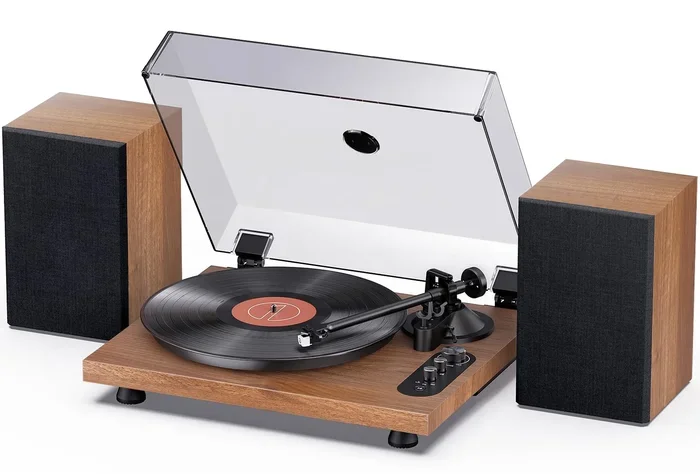
Visual guide about How to Hide Surround Sound Speakers
Image source: i.pinimg.com
1.1. In‑Wall and In‑Ceiling Speakers
These are the gold standard for a clean look. They are designed to sit flush with the surface, leaving only a small grille visible. Look for speakers with a wide frequency response (80 Hz–20 kHz) and a decent power rating (50 W RMS or more) to ensure they can fill a room even when concealed.
1.2. Small Satellite Speakers
If you already own traditional bookshelf or satellite speakers, you can still hide them. Choose compact models under 6 inches in diameter. Their small size makes it easier to fit them into decorative boxes or behind furniture.
1.3. Wireless or Battery‑Powered Units
Wireless speakers eliminate the need for messy cables, which is a huge plus when you’re trying to keep things invisible. Just make sure the battery life or power adapter won’t become a new eyesore.
2. In‑Wall and In‑Ceiling Installation
Going truly invisible means installing the speakers inside the building structure. This section covers the steps, tools, and safety tips you need.

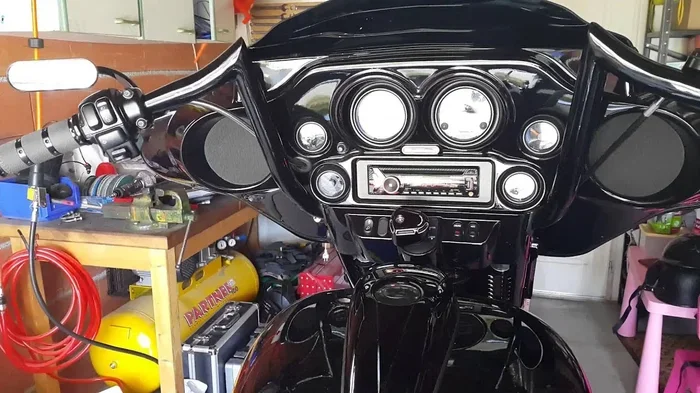
Visual guide about How to Hide Surround Sound Speakers
Image source: n.sinaimg.cn
2.1. Planning the Layout
Start by drawing a simple floor plan. Mark the listening position (usually the center of the sofa) and place the speakers at ear height (about 3‑4 ft from the floor). For a 5.1 system, the front left/right speakers stay at the front wall, the center speaker is directly above or below the TV, and the rear surrounds sit slightly above ear level behind the listening area.
2.2. Cutting the Openings
Use a drywall saw or a keyhole saw to cut circles that match the speaker’s mounting frame. Keep the opening at least ½ inch larger than the speaker’s grille to avoid compression of sound. Tip: If you’re not comfortable cutting drywall, hire a professional.
2.3. Wiring the Speakers
Run speaker wire through the wall cavity, keeping it away from electrical lines. A good practice is to use CL2‑rated wire for in‑wall safety. If you need a refresher on wiring, check out this guide on how to wire speakers to amp for step‑by‑step instructions.
2.4. Mounting the Speaker Frame
Most in‑wall speakers come with a mounting frame that screws into the drywall. Secure it tightly, then snap the speaker into place. Make sure the grille faces outward for optimal sound dispersion.
2.5. Finishing Touches
Apply a thin layer of joint compound around the frame to blend it with the surrounding wall, sand smooth, and paint to match. The result is a speaker that looks like part of the wall.
3. Furniture and Décor Hacks
If you rent or can’t modify walls, you can still hide speakers using clever furniture tricks. Below are the most popular methods.

Visual guide about How to Hide Surround Sound Speakers
Image source: a.poki.com
3.1. Speaker‑Hiding Bookshelves
Build a shallow bookshelf with a cut‑out slot that matches the speaker’s dimensions. Place the speaker inside, then fill the rest of the shelf with books or decorative items. The wood absorbs vibrations, so use speaker isolation pads to keep the sound clear.
3.2. Fabric‑Covered Boxes
Purchase a decorative storage box (think vintage trunk or modern storage ottoman). Cut a hole in the back panel, line it with acoustic foam, and slide the speaker in. Cover the front with a fabric that matches your room’s palette. This works especially well for satellite speakers.
3.3. Plant Pots and Greenery
Large indoor plants can mask speakers placed behind them. Choose a pot with a wide base, hide the speaker behind the foliage, and run the wire along the pot’s edge. The plant’s leaves help diffuse high frequencies, adding a natural touch.
3.4. TV Stands with Built‑In Cavities
Some modern TV stands have compartments designed for soundbars or speakers. If yours doesn’t, you can modify a side compartment to hold a small surround speaker. Just be sure to leave a ventilation path.
4. Paint and Grille Solutions
When you can’t move the speakers, disguise them with paint or custom grilles.
4.1. Camouflage Paint
Use matte paint that matches the wall color. Lightly sand the speaker grille, apply a thin coat of primer, then paint over it. The paint will slightly dampen the high frequencies, so keep the layer thin.
4.2. Custom Grilles
Order a custom grille that mimics a decorative vent or architectural detail. Many online retailers let you upload a photo of the wall pattern, and they’ll laser‑cut a grille that blends perfectly.
4.3. Magnetic Covers
If you have magnetic speaker mounts, you can use a thin magnetic sheet painted to match the wall. This cover snaps on and off for easy access.
5. Acoustic Panels that Double as Hiding Spots
Acoustic panels improve sound quality while also providing a perfect hiding place.
5.1. Fabric‑Wrapped Panels
Install a fabric‑wrapped acoustic panel on the wall where you’d normally place a surround speaker. Cut a small opening in the back of the panel and slide the speaker through. The panel’s foam will absorb stray reflections, enhancing overall sound.
5.2. DIY Panel Construction
Build your own panel using a wooden frame, acoustic insulation, and a decorative fabric. Include a removable front panel that can be lifted to access the hidden speaker for maintenance.
6. Maintaining Audio Quality While Hiding
Hiding speakers is great, but you don’t want to sacrifice sound.
6.1. Keep the Front Opening Clear
Never block the speaker’s front grille with heavy objects. Even a thin piece of fabric can muffle highs. Use a grille that’s at least 1 inch larger than the driver to allow air movement.
6.2. Use Isolation Pads
Place rubber or foam isolation pads between the speaker and the mounting surface. This reduces vibration transfer to walls or furniture, preventing rattles.
6.3. Test Placement Before Finalizing
Before sealing any wall or covering a speaker, run a quick sound test. Play a familiar movie scene and walk around the room. If you notice dead spots, adjust the angle or move the speaker slightly.
7. Budget‑Friendly DIY Projects
Not everyone wants to spend $300 on a professional in‑wall kit. Here are a few low‑cost ideas.
7.1. Paint‑Swatch Boxes
Buy cheap cardboard boxes, cut a hole for the speaker, and wrap the box in a paint‑swatch fabric that matches your wall. Secure with Velcro so you can remove it for adjustments.
7.2. PVC Pipe Covers
Use a short piece of PVC pipe cut to the speaker’s diameter, paint it, and attach it to the wall with brackets. It looks like a modern sculpture while hiding the speaker inside.
7.3. Reuse Old Picture Frames
Remove the backing of a large frame, cut a circular opening, and mount the speaker behind the glass. Hang the frame like artwork for an elegant disguise.
Conclusion
Hiding surround sound speakers doesn’t have to be a nightmare. With the right planning, a few tools, and a dash of creativity, you can turn any room into a sleek home theater that looks as good as it sounds. Whether you opt for permanent in‑wall installations, clever furniture tricks, or simple paint disguises, remember to keep the speaker’s front clear and test the audio after each step. Your friends will marvel at the crystal‑clear sound, and they’ll never guess where the speakers are hidden.
Ready to get started? Pick the method that fits your skill level, budget, and décor, and enjoy a clutter‑free sound experience today.
Frequently Asked Questions
Can I hide speakers without cutting into walls?
Yes. Using furniture hacks, fabric‑covered boxes, or acoustic panels are all wall‑free options that keep the speakers hidden while preserving sound quality.
Do in‑wall speakers need special wiring?
In‑wall speakers should use CL2‑rated speaker wire and follow local building codes. If you’re unsure, consult a professional or read our guide on how to wire speakers to amp.
Will painting over a speaker grille affect sound?
A thin coat of matte paint can slightly dampen high frequencies, but if applied lightly the impact is minimal. Avoid thick layers that could block airflow.
How can I hide speakers in a rental apartment?
Use removable solutions like speaker‑hiding bookshelves, decorative boxes, or floor‑standing acoustic panels that don’t require permanent modifications.
Is it okay to place speakers behind a large TV?
Placing speakers directly behind a TV can block sound and cause overheating. Instead, mount them on the side walls or use a TV stand with built‑in speaker compartments.
Can I use wireless speakers to avoid visible wires?
Wireless or battery‑powered speakers eliminate the need for visible cables, making them ideal for hidden installations. Just ensure they have a reliable power source and low latency for home‑theater use.