What Is the Difference Between 2way and 3way Speakers
The difference between 2way and 3way speakers comes down to how many dedicated drivers handle the audio spectrum. A 2way speaker uses a woofer and tweeter with a crossover that splits bass and midrange from high frequencies. A 3way speaker adds a midrange driver, which can improve clarity and detail across vocals and instruments. Your room size, listening habits, and amplifier choice matter just as much as the driver count. Understanding these basics helps you pick the right speakers for music, home theater, or casual listening.
Key Takeaways
- Driver count defines the design: 2way speakers use two drivers, while 3way speakers add a dedicated midrange driver.
- Crossovers matter most: The internal crossover dictates how cleanly frequencies are divided between drivers.
- 3way can mean better separation: Dedicated midrange drivers often improve vocal clarity and instrument detail.
- 2way offers simplicity and value: Fewer drivers can mean smoother integration and a more affordable build.
- Room and usage shape the choice: Small rooms and casual listening often suit 2way designs, while larger spaces may benefit from 3way speakers.
- Sound quality depends on execution: A well-built 2way can outperform a poorly designed 3way, so build quality and tuning are critical.
- Match the speaker to your amp and goals: Impedance, sensitivity, and your listening preferences should guide the final decision.
📑 Table of Contents
- What Is the Difference Between 2way and 3way Speakers
- How 2way Speakers Work
- How 3way Speakers Work
- The Role of the Crossover in 2way and 3way Designs
- Sound Differences You May Notice
- Which Speaker Type Is Better for Your Setup
- Common Mistakes When Choosing Between 2way and 3way Speakers
- Expert Insights on 2way and 3way Speakers
- Final Thoughts on the Difference Between 2way and 3way Speakers
What Is the Difference Between 2way and 3way Speakers
If you have ever shopped for speakers, you have probably noticed terms like 2way and 3way. These labels describe how many specialized drivers a speaker uses to play sound. It sounds simple, but the choice can change how your music feels in the room. Some listeners want smooth, balanced sound with less fuss. Others want extra detail in the midrange and a more separated presentation. The right answer depends on your goals, your space, and how picky you are about tuning.
The easiest way to think about it is this: a 2way speaker splits the job between two drivers, while a 3way speaker splits it among three. That extra driver can help, but it also adds complexity. A well-tuned 2way speaker can sound fantastic, and a poorly tuned 3way speaker can sound disjointed. So the number alone does not guarantee better sound. It is a starting point, not the whole story.
This guide breaks down the real differences in plain language. You will learn how each design works, where each one shines, and what to check before you buy. We will also cover crossovers, driver roles, room size, and practical buying tips. By the end, you will know how to choose with confidence instead of guessing based on marketing buzz.
How 2way Speakers Work
Visual guide about audio speakers side by side
Image source: i.pinimg.com
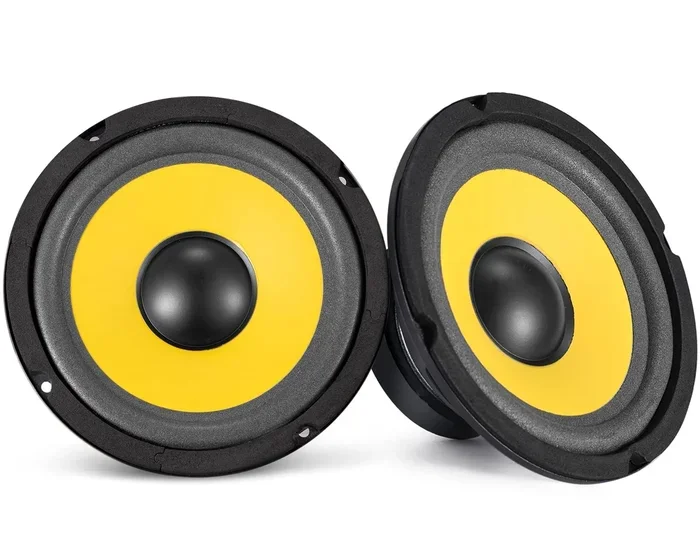
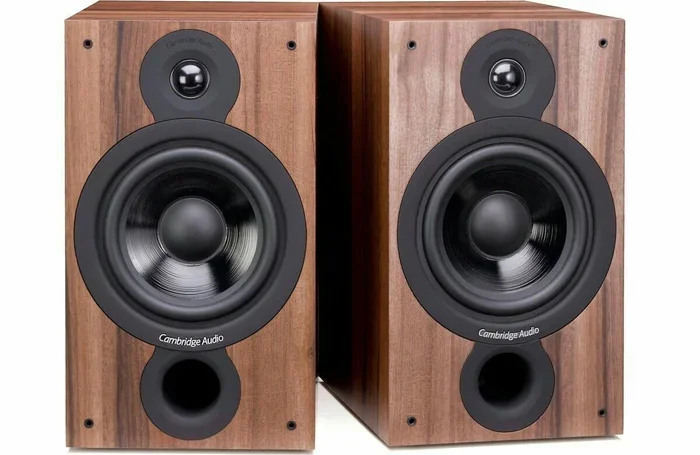
A 2way speaker uses two drivers to cover the audible frequency range. One driver handles the low end and lower mids, and the other handles the highs. In most designs, the larger driver is called a woofer, and the smaller one is called a tweeter. The speaker’s crossover decides where the split happens. That split point is often called the crossover frequency.
This design is popular because it keeps things simple. Fewer drivers can mean fewer parts to tune and align. That can make it easier for designers to create a coherent sound. Many bookshelf speakers and home theater speakers use this approach. They are also common in car audio, where space is tight and simplicity matters.
A 2way speaker usually focuses on blending the midrange and treble smoothly. The woofer often covers bass and mids up to a certain point. Then the tweeter takes over for the upper frequencies. When the transition is well done, the sound can feel natural and easy to listen to for long periods.
There are a few strengths worth knowing:
- Simpler design: Two drivers can make integration easier and reduce phase issues when tuned well.
- Compact size: 2way speakers often fit better on shelves, stands, or in smaller rooms.
- Good value: Many affordable speakers use this layout and still sound very pleasing.
- Smooth mids and highs: A good 2way speaker can sound warm, clear, and relaxed.
Of course, there are trade-offs. A single woofer must cover more ground, which can stretch its capabilities. If the crossover is not well designed, the mids and highs may not blend perfectly. Some listeners also want more separation in the vocal range. That is where the 3way design comes in.
How 3way Speakers Work
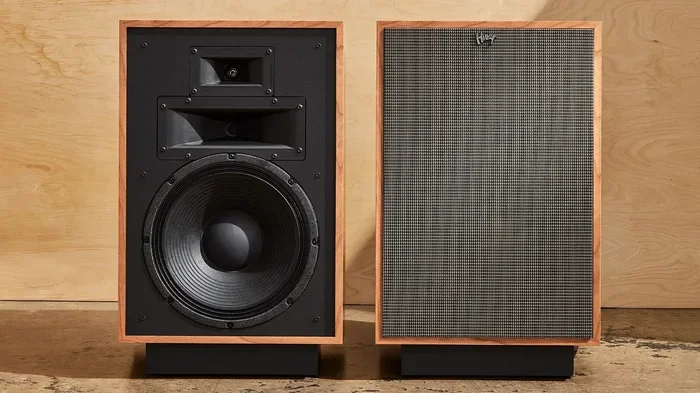
A 3way speaker adds a third driver, usually called a midrange driver. In theory, this lets each driver focus on a narrower slice of the frequency spectrum. The woofer handles the bass, the midrange driver covers the middle frequencies, and the tweeter handles the highs. With three drivers, the speaker can divide the work more evenly.
This layout can be helpful for music that has lots of detail in the midrange. Vocals, guitars, pianos, and many instruments live in that region. If a speaker gives the midrange its own driver, it may reproduce those sounds with more focus and less strain. Some listeners describe this as clearer, more layered sound.
A 3way speaker often has two crossover points instead of one. One crossover separates the woofer from the midrange driver. Another separates the midrange driver from the tweeter. That means the designer has more control over how each section behaves. It also means there is more to get right during tuning.
Key strengths include:
- More driver specialization: Each driver covers a smaller range, which can reduce distortion in that range.
- Midrange focus: A dedicated midrange driver can improve vocal and instrument presence.
- Potential for wider bandwidth: Some 3way designs can cover deep bass and crisp highs with less compromise.
- Better for certain music styles: Listeners who value detail may prefer the extra separation.
But the extra driver is not an automatic win. A 3way speaker can be larger, more expensive, and harder to tune. If the crossover points are not aligned well, the sound may feel disconnected. You might notice a bump or dip where one driver hands off to the next. So a 3way speaker needs careful engineering to sound cohesive.
The Role of the Crossover in 2way and 3way Designs
The crossover is the quiet hero in any speaker. It decides which frequencies go to which driver. In a 2way speaker, there is usually one main crossover point. In a 3way speaker, there are typically two. The crossover is not just a filter. It also affects timing, phase, and how natural the speaker sounds when drivers work together.
A well-designed crossover can make a huge difference. It helps the woofer and tweeter, or the woofer, midrange, and tweeter, blend into one voice. If the crossover is sloppy, the speaker may sound uneven. You might hear a harsh spot in the upper mids or a weak spot in the transition region. That is why two speakers with the same driver count can sound very different.
Here is what the crossover influences:
- Frequency division: It sends bass, mids, and highs to the right drivers.
- Driver protection: It keeps treble energy away from the woofer and extreme lows away from the tweeter.
- Timing and phase: It affects how sound from different drivers arrives at your ears.
- Overall tone: Crossover choices shape the speaker’s character, from bright to warm.
If you want to go deeper into related speaker basics, it helps to understand terms like frequency response and impedance. For example, reading about what is good frequency response for speakers can clarify how much range a speaker should cover. Likewise, learning what is ohm in speakers can make amplifier matching less confusing. These concepts do not decide 2way versus 3way by themselves, but they matter when you compare real models.
Sound Differences You May Notice
When people ask about the difference between 2way and 3way speakers, they usually want to know what they will actually hear. The answer depends on the specific speakers, but some patterns show up often. A 2way speaker may sound more integrated and relaxed, especially in the midrange and treble. A 3way speaker may sound more layered, with a stronger sense of separation in the middle frequencies.
In practice, the differences can be subtle. A great 2way speaker can sound incredibly coherent. A great 3way speaker can sound detailed and expansive. The bigger issue is usually execution. A well-tuned 2way can beat an average 3way in many listening tests. So it is smarter to compare actual sound and measurements than to chase driver count.
You may notice these tendencies:
- Midrange texture: 3way speakers may present vocals and instruments with extra focus.
- High-frequency smoothness: 2way speakers often blend treble into the mids in a single transition.
- Bass integration: Both designs can sound good, but the woofer’s role differs depending on the crossover.
- Soundstage and imaging: Good tuning matters more than driver count, though 3way designs can sometimes create a more layered image.
If you listen to vocal-heavy music, jazz, or acoustic tracks, you may appreciate the midrange emphasis of a 3way design. If you listen to rock, pop, or mixed genres, a smooth 2way speaker may be more than enough. For movies and games, both can work well, depending on the room and the rest of your system.
Which Speaker Type Is Better for Your Setup
There is no universal winner. The better choice depends on your room, your speakers’ placement, and what you listen to most. Small rooms often do well with compact 2way speakers because they can sound balanced without overwhelming the space. Larger rooms may benefit from the extra headroom and separation that some 3way speakers provide.
Think about how you actually use your audio system. If you want something easy to place and pleasing for everyday listening, a 2way speaker is a strong candidate. If you care a lot about midrange detail and have space for larger speakers, a 3way design may be worth considering. Your amplifier also matters. Speakers with different sensitivity and impedance can behave differently with the same amp.
A practical way to decide is to ask these questions:
- How big is the room? Smaller spaces often suit compact 2way speakers.
- Where will the speakers sit? Bookshelves, stands, and cabinets all change the sound.
- What do you listen to most? Vocals and acoustic music may highlight midrange differences.
- Do you want simplicity or maximum detail? 2way designs are often simpler; 3way designs can offer more separation.
- What is your budget? A better-built 2way speaker may outperform a cheaper 3way model.
It also helps to think about your long-term goals. If you are building a system piece by piece, you may want speakers that match a range of amplifiers and sources. If you are focusing on a dedicated listening space, you may have more freedom to choose based on sound alone. Either way, the best speaker is the one that fits your room and your habits.
Common Mistakes When Choosing Between 2way and 3way Speakers
A lot of buyers assume more drivers automatically means better sound. That is one of the easiest traps to fall into. Driver count is only one piece of the puzzle. A speaker’s tuning, cabinet quality, driver quality, and crossover design often matter more. If you focus only on the number, you can miss the real differences.
Another common mistake is ignoring placement. Even excellent speakers can sound off if they are too close to walls or placed awkwardly. Reflections, bass buildup, and poor listening position can hide the speaker’s strengths. So it helps to think about the room before you think about driver layout.
Watch out for these mistakes:
- Chasing driver count instead of sound: A 3way label does not guarantee better performance.
- Skipping the listening test: Specs help, but your ears should have the final say.
- Ignoring room acoustics: Hard surfaces and bad placement can muddy the sound.
- Overlooking amplifier matching: Sensitivity and impedance affect how hard the amp has to work.
- Forgetting the listening distance: Nearfield and far-field listening can change which design feels better.
If you want a smoother buying process, compare a few models in the same price range. Listen for tonality, clarity, and how natural the speakers sound at your usual volume. Also, give yourself time to hear different tracks. A speaker that impresses with one song may not be the best all-around choice.
Expert Insights on 2way and 3way Speakers
Experienced listeners often say the same thing: the best speaker is the one that sounds right in your room. That sounds obvious, but it is easy to forget when you are comparing product pages. A 2way speaker can be a fantastic choice if it is well made and well placed. A 3way speaker can be a great choice if you want more driver specialization and have the space for it.
One useful mindset is to treat driver count as a design tool, not a score. Designers choose 2way or 3way layouts based on goals like size, cost, bandwidth, and tonal character. Some of the most admired speakers in the world are 2way designs. Some are 3way designs. The layout supports the sound, but it does not define it alone.
A few practical insights can help:
- Tuning beats theory: Real-world sound matters more than the number of drivers.
- Cohesion is the goal: Good speakers sound like one system, not separate parts.
- Midrange quality is huge: Many listeners judge speakers by how natural voices sound.
- Size and budget are real constraints: Choose a design that fits your space and price range.
- Measurements can help: Frequency response and distortion data can support your ears.
If you want to compare related speaker concepts, you might also look at the difference between 2 way and 4 way speakers to see how driver layout changes with more complex designs. That can give you a broader sense of how speaker architecture scales. Still, for most home listeners, the real decision is between a solid 2way and a well-executed 3way.
Final Thoughts on the Difference Between 2way and 3way Speakers
So, what is the difference between 2way and 3way speakers in plain terms? A 2way speaker uses two drivers and one main crossover region. A 3way speaker uses three drivers and usually two crossover regions. That extra driver can help separate the midrange from the bass and treble, which some listeners love. But the number of drivers does not decide everything.
The best choice depends on your room, your music, and your priorities. If you want a simple, space-friendly speaker with smooth sound, a 2way design may be ideal. If you want more midrange separation and have room for a larger speaker, a 3way design may suit you better. In either case, build quality, tuning, and placement can matter more than the label on the box.
The smartest move is to listen, compare, and keep your expectations realistic. A great speaker is not the one with the most drivers. It is the one that sounds natural, fits your space, and makes you want to keep listening.
Frequently Asked Questions
Are 3way speakers always better than 2way speakers?
No. A 3way speaker is not automatically better. A well-designed 2way speaker can sound more coherent and pleasing than a poorly tuned 3way model. The quality of the drivers, crossover, and cabinet matters a lot.
Do 3way speakers have better bass than 2way speakers?
Not necessarily. Bass performance depends on the woofer size, enclosure, and tuning, not just the number of drivers. Some 3way speakers can play deeper or louder bass, but many 2way speakers do an excellent job too.
Why do some 2way speakers sound so detailed if they have fewer drivers?
Because a good crossover and high-quality drivers can still deliver strong detail. A 2way speaker can sound very clear if the midrange and treble transition is smooth. Driver count is only one part of the design.
Which is better for a small room, 2way or 3way speakers?
Smaller rooms often suit 2way speakers well because they can sound balanced without taking up much space. That said, a compact 3way speaker can also work if it matches the room and your listening distance. Placement matters as much as the design.
Do 3way speakers need a more powerful amplifier?
Sometimes, but not always. It depends on the speaker’s sensitivity, impedance, and how much volume you want. Some 3way speakers are easy to drive, while others need a capable amplifier to control the drivers well.
Should I choose speakers based on 2way or 3way layout first?
It is better to start with your room, budget, and listening habits, then compare specific models. The layout is useful context, but the sound you hear in your space should guide the final choice.