What Is the Difference Between 2 and 3 Way Speakers
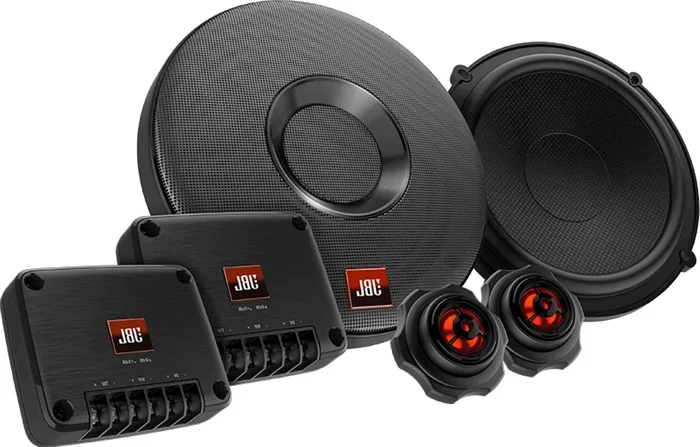
What is the difference between 2 and 3 way speakers comes down to how many dedicated drivers handle the audio signal. Two-way speakers split sound between a woofer and a tweeter, while three-way speakers add a dedicated midrange driver for cleaner separation. This extra division reduces distortion and improves clarity, especially in the vocal range. Your best choice depends on your listening goals, budget, and installation space.
This is a comprehensive guide about what is the difference between 2 and 3 way speakers.
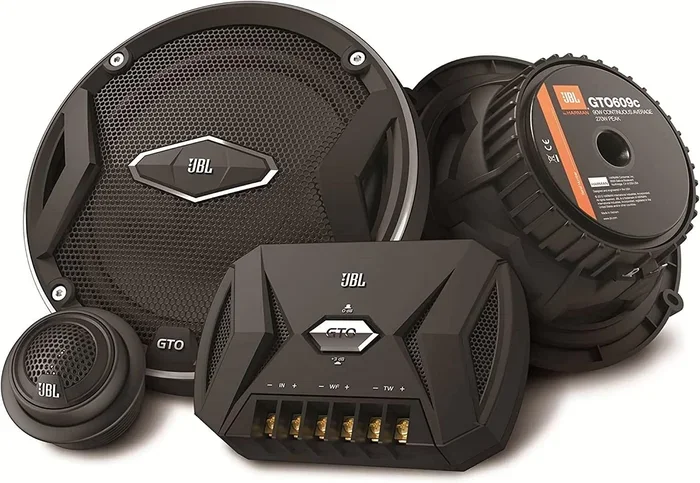
Visual guide about Car audio speaker system
Image source: m.media-amazon.com
Key Takeaways
- Driver Count: Two-way speakers use two drivers, while three-way speakers use three dedicated drivers.
- Frequency Separation: Three-way designs split highs, mids, and lows more cleanly for better detail.
- Crossover Complexity: More drivers mean more complex crossover networks and careful tuning.
- Soundstage and Clarity: Three-way speakers often deliver sharper vocals and more precise instrument separation.
- Space and Cost: Two-way speakers are usually smaller, simpler, and more affordable.
- Use Case Fit: Choose two-way for compact setups and three-way for critical listening or larger rooms.
- Installation Matters: Proper enclosure design and amplifier matching affect performance more than driver count alone.
[FEATURED_IMAGE_PLACEHOLDER]
What Is the Difference Between 2 and 3 Way Speakers?
If you have ever shopped for audio gear, you have probably seen terms like two-way and three-way. These labels tell you how a speaker divides the work. The main job of any speaker is to turn electrical signals into sound. But not all sounds are the same. Deep bass needs a different kind of movement than crisp highs. That is why speaker designers split the job among different drivers.
What is the difference between 2 and 3 way speakers really comes down to how many drivers handle the audio. Two-way speakers use two drivers. Three-way speakers use three. That simple difference changes how sound is separated, how clear it feels, and how much detail you hear. It also affects size, cost, and the kind of sound you get in a room or car.
This guide breaks the topic down in plain language. You will learn how each design works, what they sound like, and how to choose the right one for your setup. We will keep things simple and practical so you can make a confident decision.
How Two-Way Speakers Work
Two-way speakers are the most common design in many home and car audio systems. They use two drivers to cover the full range of sound. One driver handles the low and mid frequencies. The other handles the high frequencies.
This design usually includes a woofer and a tweeter. The woofer moves air for bass and lower midrange sounds. The tweeter reproduces the bright, detailed upper frequencies. A crossover network sits between them. It decides which frequencies go to which driver.
The main advantage is simplicity. Fewer parts often mean easier installation and lower cost. Many people also like the smooth, blended sound that two-way designs can produce. Because there are fewer crossover points, the sound can feel more natural in some setups.
However, there is a tradeoff. One driver must cover a wide range of frequencies. That can create more strain at the extremes. For example, the woofer may need to work harder when reproducing upper midrange sounds. The tweeter may also receive more low frequencies than it wants, which is why the crossover is so important.
How Three-Way Speakers Work
Three-way speakers add another driver to the mix. Instead of two drivers sharing the full range, three drivers split the work more finely. A typical three-way design includes a woofer, a midrange driver, and a tweeter.
This layout gives each driver a narrower job. The woofer focuses on bass. The midrange driver handles the middle frequencies where many vocals and instruments live. The tweeter takes the high frequencies. That separation can improve clarity because each driver works in a range it handles well.
The result is often a more detailed presentation. Vocals can sound more focused. Instruments may feel more distinct. The soundstage can also feel wider and more organized, especially when the speaker is well designed.
The tradeoff is complexity. Three-way speakers need a more detailed crossover. That means more components and more tuning. Size can also be larger because you need room for an extra driver and often a bigger enclosure. Cost may rise as well, though that depends on the brand and build quality.
Driver Count and Frequency Division
The biggest structural difference is how many drivers are doing the work. Two-way speakers divide the frequency range into two main sections. Three-way speakers divide it into three. That affects how smoothly the speaker can move from one range to the next.
In a two-way design, the crossover usually sends low and midrange signals to the woofer. High signals go to the tweeter. The point where the two drivers hand off the sound is called the crossover point. Good design matters here because the transition needs to sound smooth.
In a three-way design, the range is split again. The woofer handles the lowest frequencies. The midrange driver covers the middle band. The tweeter covers the highs. This can reduce the workload on each driver and may improve accuracy in the middle range.
That said, more drivers do not automatically mean better sound. A well-built two-way speaker can outperform a poorly built three-way speaker. Driver quality, enclosure design, and crossover tuning all matter a lot.
Sound Quality and Clarity Differences
Many listeners notice a difference in clarity between the two designs. Three-way speakers often shine in the midrange. Since a dedicated midrange driver handles vocals and many instruments, those sounds can feel more present and detailed.
Two-way speakers can still sound excellent. In fact, many classic speaker designs are two-way for a reason. They can produce a smooth, cohesive sound with less phase complexity in the crossover. Some listeners prefer the more blended character.
Here is what people often notice:
- Three-way speakers: More separation in the vocal range, sharper detail, and sometimes a more layered sound.
- Two-way speakers: Smoother blending between mid and high frequencies, often with a simpler, more natural transition.
- Both designs: Bass performance depends on the woofer size, enclosure, and amplifier power, not just the driver count.
If you listen to vocal-heavy music, podcasts, or acoustic tracks, the midrange matters a lot. In that case, a three-way design may give you the detail you want. If you prefer a relaxed, easy-to-listen-to sound, a good two-way speaker may be enough.
Cost, Size, and Installation Considerations
Practical factors often decide the choice more than sound alone. Two-way speakers are usually easier to fit into smaller spaces. They are also common in factory car audio, bookshelf speakers, and budget-friendly home systems.
Three-way speakers often need more room. The extra driver and more elaborate enclosure can make them larger. They may also need more careful placement to sound their best. In a car, that can mean more complex mounting or custom work.
Cost is another factor. Three-way designs can cost more because they use more parts and often require more engineering. But price is not only about driver count. Materials, brand, and build quality matter too. A well-designed two-way speaker can be a better value than a basic three-way model.
When thinking about installation, keep these points in mind:
- Space: Measure the available area before choosing a larger three-way speaker.
- Mounting: Make sure the speaker face is aimed well for your listening position.
- Amplification: Match the speaker to an amplifier that can deliver clean power.
- Enclosure: A good box or mounting setup can improve bass and overall coherence.
Which Speaker Type Is Best for Your Setup?
There is no single best answer. The right choice depends on what you value most. If you want a compact speaker with a simple setup, two-way is often the easier path. If you want more separation and detail in the midrange, three-way may be worth considering.
Ask yourself a few questions:
- What will I listen to most? Music, podcasts, movies, or a mix of everything?
- How much space do I have? Small room, large living area, or a car cabin?
- Do I want simplicity or more detail? Fewer parts or more driver separation?
- What is my budget? Are you looking for value, or are you willing to spend more for extra refinement?
If you are building a car audio system, you may also want to compare different speaker layouts and component styles. For example, some listeners explore the difference between component speakers and coaxial speakers before deciding. That choice affects installation and sound staging as much as the two-way or three-way design does.
If you are choosing home speakers, think about room size and listening distance. A smaller room may not need a large three-way design to sound great. A bigger room may benefit from the added separation and output headroom.
Common Mistakes When Choosing Speakers
Many people focus only on the number of drivers and miss the bigger picture. That can lead to disappointment. Here are some common mistakes:
- Assuming more drivers always mean better sound. Design quality matters more than driver count.
- Ignoring the enclosure. A weak box can hurt bass and clarity, even with a great driver set.
- Mismatching speakers and amplifier. Underpowered or overdriven setups can sound weak or distorted.
- Overlooking placement. Speaker position changes imaging, bass response, and overall balance.
- Chasing specs without listening. Frequency numbers and driver counts do not tell the whole story.
A smart buyer listens first if possible. If listening is not an option, read reviews from people who describe real-world use, not just lab numbers.
Expert Tips for Better Speaker Performance
No matter which design you choose, a few habits can improve the sound.
- Start with proper placement. Aim the speakers toward the listening area and keep them away from heavy vibrations.
- Use a crossover that matches the design. The crossover is the traffic cop for your audio signal.
- Check polarity. Correct wiring helps the drivers move together instead of fighting each other.
- Balance the system. If your setup includes multiple speakers, make sure levels are even.
- Give the speakers room to breathe. Tight enclosures or crowded installs can limit performance.
If you want to understand more about how speakers handle different parts of the audio range, you may find it helpful to read what are 3 way speakers and how they divide the workload. That background can make it easier to compare models with confidence.
Final Thoughts on What Is the Difference Between 2 and 3 Way Speakers
What is the difference between 2 and 3 way speakers is really a question about how sound is divided and how much detail you want in the final result. Two-way speakers use two drivers and keep things simple. Three-way speakers use three drivers and often give more separation, especially in the midrange. Both can sound excellent when they are well built and properly installed.
The best choice depends on your space, your budget, and your listening habits. If you want a compact, straightforward setup, two-way speakers are a strong option. If you want extra clarity and are comfortable with a larger or more complex design, three-way speakers may be the better fit. Either way, good placement, proper amplification, and careful setup will matter just as much as the driver count.
Frequently Asked Questions
Are 3 way speakers always better than 2 way speakers?
No. Three-way speakers can offer more separation and midrange detail, but a well-designed two-way speaker can sound excellent too. The overall build quality, enclosure, and tuning matter just as much as the number of drivers.
Why do 3 way speakers have a midrange driver?
A dedicated midrange driver handles the middle frequencies where many vocals and instruments sit. That can reduce strain on the other drivers and improve clarity in the most important part of the listening range.
Do 2 way speakers lack bass compared with 3 way speakers?
Not necessarily. Bass depends more on woofer size, enclosure design, and power than on whether the speaker is two-way or three-way. A good two-way speaker can still produce strong, clean bass.
Which speaker type is better for a car audio system?
It depends on your goals and space. Two-way speakers are often easier to install and fit into smaller locations. Three-way speakers may offer more detail, but they can require more room and a more careful setup.
What is a crossover in a speaker system?
A crossover is the electronic network that splits the audio signal and sends the right frequencies to each driver. It helps prevent drivers from reproducing sounds they are not designed to handle.
Should I buy 2 way or 3 way speakers for a small room?
For a small room, a quality two-way speaker is often a great choice because it can sound balanced without taking up much space. If you want extra midrange detail and have room for a larger speaker, a three-way design can also work well.