2 Ohm 6.5 Inch Speakers
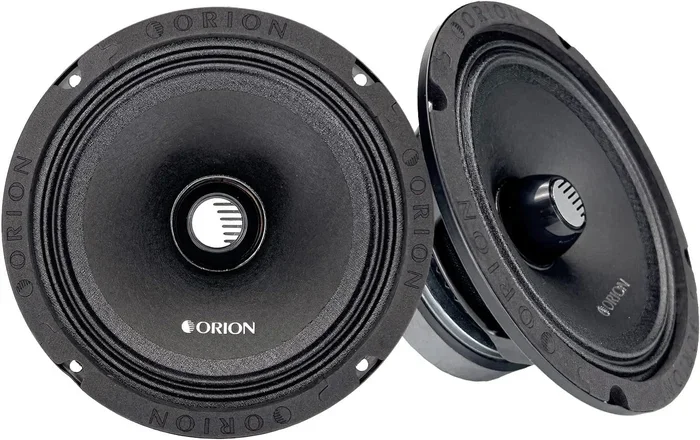
2 ohm 6.5 inch speakers are a popular choice for car audio enthusiasts who want more power and louder sound from their amplifiers. These speakers offer a unique advantage because their lower impedance allows your amp to deliver more current, resulting in stronger bass and clearer highs. However, you must match them correctly with your receiver or external amplifier to avoid damage. In this guide, we will walk you through everything you need to know about picking, wiring, and installing 2 ohm 6.5 inch speakers for your vehicle or marine setup.
Key Takeaways
- Lower Impedance Means More Power: 2 ohm speakers allow your amplifier to deliver more current, which can increase volume and bass response when paired with a compatible amp.
- Check Your Amplifier First: Not all head units or external amps handle 2 ohm loads safely, so always verify impedance ratings before purchasing.
- Wiring Matters: Series and parallel wiring changes the total load, so understanding how to connect multiple speakers is essential for system stability.
- Sound Quality Varies by Brand: High-quality 2 ohm 6.5 inch speakers from trusted manufacturers deliver better clarity, durability, and overall performance than budget options.
- Marine and Motorcycle Options Exist: Waterproof and rugged designs make 2 ohm 6.5 inch speakers suitable for boats, motorcycles, and harsh environments.
- Installation Requires Care: Proper mounting, wiring, and sound dampening ensure you get the best sound without distortion or component damage.
- Match Speakers to Your Goals: Choose 2 ohm models if you prioritize loudness and power, but consider 4 ohm options if you value efficiency and broader amp compatibility.
📑 Table of Contents
- Why Choose 2 Ohm 6.5 Inch Speakers for Your Audio System
- Understanding Impedance and Why 2 Ohms Matters
- How to Match 2 Ohm 6.5 Inch Speakers With Your Amplifier
- Sound Quality, Power Handling, and Real-World Performance
- Installation Tips for Car, Marine, and Motorcycle Setups
- Common Mistakes to Avoid When Using 2 Ohm Speakers
- Final Thoughts on Choosing 2 Ohm 6.5 Inch Speakers
Why Choose 2 Ohm 6.5 Inch Speakers for Your Audio System
Upgrading your car audio system can feel overwhelming at first. There are so many sizes, impedance ratings, and speaker types to consider. Yet, one size stands out for many enthusiasts: the 6.5 inch format. This size hits a sweet spot for midrange clarity and decent bass response. When you pair that size with a 2 ohm impedance, you open the door to more power and louder output from a compatible amplifier.
Many people ask why impedance matters at all. The short answer is that impedance controls how much electrical resistance a speaker presents to your amplifier. Lower resistance allows more current to flow, which can translate into higher volume and stronger dynamic performance. That is why 2 ohm 6.5 inch speakers attract attention from builders who want maximum output from a modest amplifier. Of course, more power demand also means you need to plan your setup carefully.
You should also think about where these speakers will live. A car door, a rear deck, or a boat console all present different challenges. Moisture, vibration, and temperature swings can affect performance over time. Fortunately, many modern designs handle these conditions well. If you want to explore how this size compares to other common formats, you can read more about 6 5 inch 2 way speakers to understand how a coaxial or component layout might fit your goals.
Understanding Impedance and Why 2 Ohms Matters
Impedance is one of the most important specs to understand before you buy any speaker. It is measured in ohms and tells you how much the speaker resists the amplifier signal. A 2 ohm speaker presents less resistance than a 4 ohm speaker. That lower resistance allows the amplifier to push more current through the voice coil, which can increase output and make the system feel more responsive.
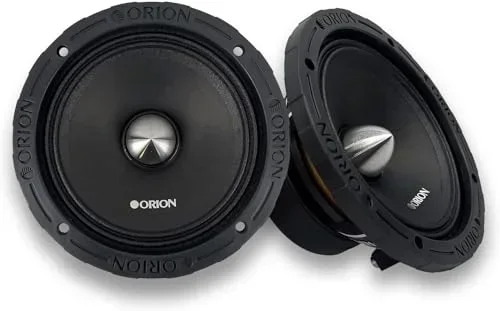
Visual guide about 2 ohm 6.5 inch speakers
Image source: m.media-amazon.com
This does not mean 2 ohm speakers are always better. They are simply different. If your amplifier is designed to handle low impedance loads, you can enjoy more headroom and louder playback. If your amp is not built for that demand, you may run into overheating or protection mode issues. That is why it is smart to check your receiver or external amp specs before you commit to a set of 2 ohm 6.5 inch speakers.
Another important point is that impedance is not a fixed number across all frequencies. A speaker may measure around 2 ohms on average, but the actual load can rise and fall as the music plays. This dynamic behavior is normal. Still, your amplifier should be stable at the nominal rating. If you want a deeper dive into impedance comparisons, you may find it helpful to review difference between 2 and 4 ohm speakers so you can decide which load fits your setup best.
2 Ohm vs 4 Ohm: What Changes in Real Use
The biggest practical difference is power demand. A 2 ohm load draws more current from the amplifier, which can increase output if the amp is stable. A 4 ohm load is easier on the amplifier and often works with a wider range of head units. If you already have a strong external amplifier, 2 ohm speakers can help you squeeze more performance from it. If you rely on a factory-style receiver, 4 ohm models may be the safer choice.
Sound character can also feel slightly different. Some listeners notice that 2 ohm designs sound more dynamic because the amplifier has more control over the driver when it is properly matched. Others prefer the relaxed operation of a 4 ohm load. The truth is that speaker design, cone material, magnet size, and enclosure all matter just as much as impedance. So, do not choose based on ohms alone. Think about your whole system.
How to Match 2 Ohm 6.5 Inch Speakers With Your Amplifier
Matching your speakers to the right amplifier is the most important step in any install. Start by checking the amplifier’s minimum impedance rating. If the amp says it is stable at 2 ohms per channel, then you are in good shape. If it only supports 4 ohms, you should either choose 4 ohm speakers or adjust your wiring strategy. Never force a load that the amplifier cannot handle safely.
Next, look at power ratings. Your amplifier should be able to deliver clean power within the speaker’s acceptable range. Too little power can leave your speakers underdriven and weak. Too much uncontrolled power can cause distortion or damage if you are not careful with gain settings. A well-matched system gives you clean sound, strong bass, and reliable operation.
If you are planning to run multiple speakers, wiring becomes even more important. Two 2 ohm speakers wired in parallel create a 1 ohm load, which many amplifiers cannot handle. Two 2 ohm speakers wired in series create a 4 ohm load, which is much safer for a wider range of amps. If you want to understand these wiring options better, you can explore 2 4 ohm speakers in parallel and related wiring guides to see how different configurations affect the total load.
Single Speaker vs Multiple Speaker Loads
A single 2 ohm speaker on a 2 ohm stable channel is the simplest setup. You get the benefit of lower impedance without complicated wiring. This is a great starting point for many car audio builds. If you want to add more speakers, calculate the total load before you connect everything. A small mistake in wiring can create a load that is too low for your amplifier.
For example, imagine you want four 2 ohm speakers across two channels. If you wire two speakers in series on each channel, each channel sees 4 ohms. That is usually safe and balanced. If you wire them in parallel, the load drops to 1 ohm per channel, which may be too demanding. Planning ahead saves time, money, and potential equipment damage.
Sound Quality, Power Handling, and Real-World Performance
Many buyers assume lower impedance automatically means better sound. That is not exactly true. Impedance affects how much power the amplifier can deliver, but sound quality comes from the speaker’s overall design. Cone material, surround flexibility, magnet structure, and crossover tuning all shape the final result. A well-built 2 ohm speaker can sound smooth, detailed, and punchy when paired with the right amp.
Power handling is another key spec. It tells you how much energy the speaker can tolerate without failing. Keep in mind that higher power handling does not guarantee better sound. It simply gives you more room to turn things up. If your amplifier delivers moderate power, a speaker with sensible handling ratings may be a better match than an extreme high-power model. Balance matters more than big numbers.
If you are chasing strong low-end performance, pay attention to the speaker’s bass response and enclosure fit. A 6.5 inch driver can produce satisfying bass, especially when installed in a tight door panel or a well-sealed location. For some listeners, the goal is deep, clean bass without distortion. If that sounds like your priority, you might also want to compare options like 5 1 4 speakers with good bass 2 to see how other sizes handle low-frequency output.
What to Look for in a Quality 2 Ohm 6.5 Inch Speaker
Here are the main features worth checking before you buy:
- Impedance stability: Make sure the speaker is truly designed for 2 ohm operation and not just marked that way for marketing.
- Power range: Look for a sensible RMS range that matches your amplifier’s output.
- Cone and surround construction: Stiffer cones and durable surrounds often improve clarity and longevity.
- Magnet size and type: A strong motor structure can improve control and bass response.
- Mounting compatibility: Confirm the speaker fits your door, panel, or marine location without major modification.
- Weather resistance: If the speaker will face moisture or salt air, choose a model built for those conditions.
Installation Tips for Car, Marine, and Motorcycle Setups
Installation is where many systems succeed or fail. Even the best speakers can sound poor if they are mounted loosely, wired incorrectly, or placed in a bad location. Start by preparing the mounting area. Clean out debris, check for sharp edges, and make sure the speaker frame sits flush. A secure mount reduces vibration and helps the speaker perform consistently.
Wiring also deserves attention. Use the correct gauge wire for your amplifier distance and power level. Keep signal wires away from power cables when possible to reduce noise. Secure connections tightly and protect them from moisture if you are installing in a boat or motorcycle. A little extra care during install can prevent headaches later.
If your setup faces rain, spray, or humidity, consider waterproof or marine-rated options. These speakers are built to handle tougher environments and often use materials that resist corrosion. For example, you can look at 6 5 inch marine speakers if your main use case involves water exposure. Likewise, riders who want audio on a bike may prefer 6 5 speakers for motorcycle use because they are designed to handle vibration and space limits.
Quick Installation Checklist
Use this simple checklist before you finish the job:
- Verify impedance matches the amplifier channel rating.
- Confirm wiring polarity is correct for left and right channels.
- Secure the speaker with proper screws or mounting hardware.
- Seal gaps if needed to improve bass response and reduce leaks.
- Test the system at low volume first, then raise it gradually.
- Check for heat, distortion, or odd noises after extended playback.
Common Mistakes to Avoid When Using 2 Ohm Speakers
One of the most common mistakes is assuming any amplifier can drive a 2 ohm load. Some head units and budget amplifiers are only stable at 4 ohms. If you connect a 2 ohm speaker to an unsupported amp, you may trigger protection mode or shorten the amplifier’s life. Always confirm compatibility before you buy.
Another mistake is ignoring wiring configuration when using multiple speakers. As mentioned earlier, parallel and series wiring change the total load dramatically. If you are not careful, you can end up with a load that is too low or too high for your intended setup. Taking a few minutes to plan the wiring layout can save you a lot of trouble.
People also sometimes overlook gain setting and tuning. More power is not the same as better sound. If the gain is set too high, distortion can increase and components can get stressed. If it is too low, the system may never reach its potential. A careful tuning process helps you get clean output and reliable performance from your 2 ohm 6.5 inch speakers.
Expert Insight: Plan for the Whole System
The best results come from thinking about the entire audio chain. That means considering the source unit, the amplifier, the speaker placement, and even the vehicle’s acoustic environment. A great speaker cannot fix a weak signal or a poorly tuned system. When all parts work together, the sound becomes tighter, clearer, and more enjoyable at higher volumes.
If you are comparing several speaker types, it can help to review related designs too. For example, some users prefer a dedicated midrange driver for smoother vocal reproduction, while others want a full-range coaxial speaker for simplicity. You can explore 6 5 inch midrange speakers if you want to understand how specialized drivers differ from general-purpose models.
Final Thoughts on Choosing 2 Ohm 6.5 Inch Speakers
If you want a speaker that can work well with a power-friendly amplifier and deliver strong output, 2 ohm 6.5 inch speakers are worth serious consideration. They offer a practical way to get more response from a compatible system while keeping a popular speaker size that fits many vehicles and installations. Just remember that impedance is only one part of the picture. Amplifier stability, wiring, mounting, and tuning all play a major role in the final result.
Take your time when choosing. Match the speaker to your amplifier, plan your wiring carefully, and install the drivers with care. Whether you are building a car audio system, outfitting a boat, or adding sound to a motorcycle, the right 2 ohm speaker can make your music feel bigger and more engaging. With the right setup, you will enjoy clearer mids, punchier bass, and a system that feels balanced from the first track to the last.
Frequently Asked Questions
Can I use 2 ohm 6.5 inch speakers with a 4 ohm amplifier?
Usually, no. If your amplifier is only stable at 4 ohms, connecting a 2 ohm speaker can overwork the amp and trigger protection mode. You should either choose 4 ohm speakers or verify that your amplifier explicitly supports a 2 ohm load.
Do 2 ohm speakers sound louder than 4 ohm speakers?
They can sound louder when paired with a compatible amplifier because the lower impedance allows more current flow. However, loudness also depends on amplifier power, speaker efficiency, and installation quality. Impedance alone does not guarantee better volume or sound quality.
Is it better to wire 2 ohm speakers in series or parallel?
It depends on your amplifier’s stability and your desired load. Series wiring raises the total impedance, which is safer for many amplifiers. Parallel wiring lowers the total impedance, which can increase power demand but may be too low for some amps. Always calculate the final load before connecting speakers.
Can 2 ohm 6.5 inch speakers be used in a marine environment?
Yes, if you choose a model built for wet or corrosive conditions. Marine-rated speakers use materials that resist moisture and salt better than standard car speakers. If your system will face water exposure, look for waterproof or marine-specific designs.
What amplifier power is best for 2 ohm 6.5 inch speakers?
The best power level is one that matches the speaker’s RMS range and the amplifier’s stable output. You do not need the most powerful amplifier available, but you do need clean power that fits the speaker’s design. Proper gain setting matters just as much as raw watt numbers.
Are 2 ohm 6.5 inch speakers good for motorcycles?
They can be a good fit if space, vibration, and weather resistance are addressed. Motorcycle audio setups often need compact mounting and durable materials, so it helps to choose speakers made for that environment. If you ride in all weather, waterproof construction is especially useful.