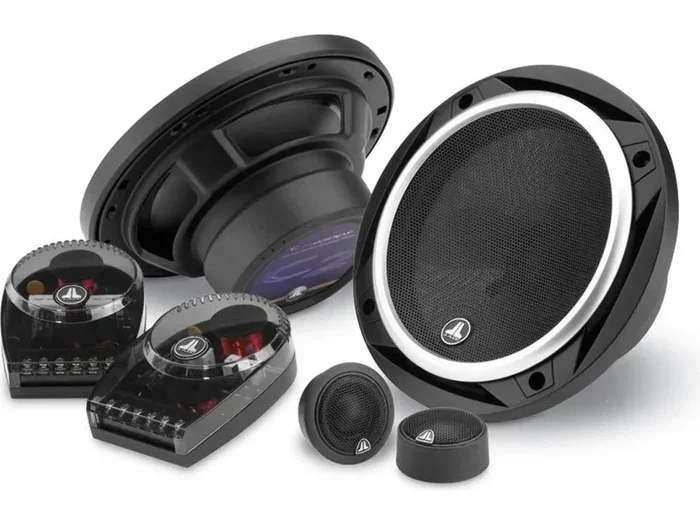
6.5 Inch Marine Speakers

Looking for punchy, waterproof audio on your boat? 6.5 inch marine speakers deliver big sound, rugged durability, and easy installation. This guide breaks down the technology, key features, and expert tips so you can choose the perfect set for any water‑bound adventure.
Key Takeaways
- Size matters: The 6.5 inch format balances bass response and space‑saving design, ideal for most boat cabins and decks.
- Waterproof rating: Look for an IP 68 or higher rating to ensure speakers survive splashes, rain, and full immersion.
- Power handling: Match the speaker’s RMS rating with a compatible marine amp for clean, distortion‑free volume.
- Material durability: UV‑resistant cones, rust‑proof baskets, and marine‑grade wiring extend lifespan.
- Installation tips: Proper sealing, vibration dampening, and correct polarity wiring are key to optimal performance.
- Brand options: JL Audio, Rockford Fosgate, and Fusion are top contenders, each with unique strengths.
- Value adds: Consider crossover accessories and waterproof connectors to fine‑tune your system.
📑 Table of Contents
- Introduction: Why 6.5 Inch Marine Speakers Are a Boater’s Best Friend
- 1. Understanding the Core Technology
- 2. Key Features to Look For
- 3. Top 6.5 Inch Marine Speakers on the Market
- 4. Matching Your Speakers with the Right Amplifier
- 5. Installation Guide: From Planning to Finishing
- 6. Maintenance and Longevity Tips
- Conclusion: Sail Smoothly with Perfect Sound
Introduction: Why 6.5 Inch Marine Speakers Are a Boater’s Best Friend
Imagine cruising on a sunny lake, the wind in your hair, and your favorite playlist booming through a sound system that actually survives a splash or two. That’s the promise of 6.5 inch marine speakers. They’re big enough to produce satisfying low‑end punch, yet compact enough to fit in tight cabin spaces, cockpit consoles, or even under a deck railing.
Unlike standard car speakers, marine models are built to handle humidity, salt, UV exposure, and constant vibration. This article walks you through the technology behind these speakers, how to choose the right pair, and practical installation tips that even a first‑time DIYer can follow.
1. Understanding the Core Technology
1.1. What Makes a Speaker “Marine”?
The term “marine” isn’t just a marketing buzzword. A marine speaker must meet strict standards for water resistance, corrosion protection, and temperature tolerance. Most manufacturers rate their units with an IP (Ingress Protection) code. An IP 68 rating means the speaker can be submerged in water up to 1 meter for 30 minutes—perfect for a sudden wave splash.

Visual guide about 6.5 Inch Marine Speakers
Image source: img.qqzhi.com
1.2. The 6.5 Inch Sweet Spot
The 6.5 inch cone size strikes a balance between two extremes:
- Smaller speakers (5‑inches): Easy to hide but often lack deep bass.
- Larger speakers (8‑inches+): Deliver richer low frequencies but need more mounting space and power.
At 6.5 inches, you get enough surface area to move air efficiently, producing a fuller sound without overwhelming a boat’s limited power budget.
2. Key Features to Look For
2.1. Power Handling (RMS vs. Peak)
RMS (Root Mean Square) rating tells you the continuous power a speaker can handle without distortion. A good marine 6.5 inch speaker typically offers 35–50 W RMS and 80–120 W peak. Pair this with an amp that can deliver at least the RMS value for clean sound.

Visual guide about 6.5 Inch Marine Speakers
Image source: thumb.ac-illust.com
2.2. Sensitivity
Sensitivity measures how loudly a speaker plays per watt of power. Look for 88–92 dB for marine speakers; higher sensitivity means you get louder sound with less power—a crucial factor on a boat where amp wattage may be limited.
2.3. Materials and Build
• Cone: Polypropylene or treated paper for water resistance.
• Surround: Rubber or foam that won’t crack under UV.
• Basket: Stainless steel or aluminum with anti‑corrosion coating.
• Wiring: Marine‑grade TPE (Thermoplastic Elastomer) insulated cables.
2.4. Crossover Compatibility
Most 6.5 inch marine speakers come as “two‑way” units with a built‑in high‑pass crossover for tweeters. If you add a separate subwoofer, a dedicated crossover will help blend the frequencies smoothly. Our guide on 3 way crossover for speakers explains how to set this up.
3. Top 6.5 Inch Marine Speakers on the Market
3.1. JL Audio 6‑5 Marine Speakers
JL Audio is a favorite among serious boaters. Their 6‑5 model boasts a 6.5 inch polypropylene cone, 40 W RMS, and a robust IP 68 rating. The marine‑grade basket resists rust, and the included waterproof terminal block makes wiring a breeze.

Visual guide about 6.5 Inch Marine Speakers
Image source: wallpapercave.com
Read the full review here for detailed specs and sound samples.
3.2. Rockford Fosgate Marine 6.5‑Inch
Rockford’s marine line offers a slightly higher sensitivity (91 dB) and a dual‑voice‑coil design for flexible wiring options. The speaker’s UV‑treated grille stays clear even after months of sun exposure.
3.3. Fusion 6‑Inch Marine Series
Fusion focuses on value without compromising durability. Their 6‑inch speakers (close enough to 6.5) provide 35 W RMS and a reinforced rubber surround that stays supple in cold water.
3.4. How They Compare to Car Speakers
If you’re familiar with 6 3/4 or 6 3/4‑inch car speakers, the marine versions add two critical layers: waterproofing and corrosion resistance. The acoustic performance is similar, but you’ll need a marine‑rated amp. Check out our 6 3 4 Car Speakers article for a side‑by‑side comparison.
4. Matching Your Speakers with the Right Amplifier
4.1. Calculating Needed Power
Use the formula: Desired RMS Power × 2 = Minimum Amp Power. For a 40 W RMS speaker, aim for an amp that can deliver at least 80 W RMS per channel.
4.2. Recommended Marine Amplifiers
Popular choices include the JL Audio 200/2 and the Rockford Fosgate R300X2. Both are built to withstand marine environments and feature built‑in low‑pass filters for subwoofer integration.
4.3. Wiring Tips
Use marine‑grade speaker wire (often 16‑18 AWG). Keep the polarity consistent: positive (+) on the amp to positive (+) on the speaker, and same for negative (–). Improper wiring can cause phase cancellation, making the sound thin.
For a step‑by‑step guide, see How To Wire Speakers To Amp.
5. Installation Guide: From Planning to Finishing
5.1. Planning Your Layout
Measure the mounting area first. Most boat manufacturers provide a speaker cut‑out size; a 6.5 inch speaker typically needs a 6.75‑inch opening to allow for the bezel.
5.2. Preparing the Mounting Surface
- Clean: Remove old sealant, paint, and rust.
- Seal: Apply a marine‑grade silicone gasket around the cut‑out.
- Vibration Damping: Use rubber grommets or foam pads to reduce rattling.
5.3. Securing the Speaker
Slide the speaker into the opening and tighten the mounting bolts evenly. Avoid over‑tightening, which can warp the basket.
5.4. Connecting the Wiring
Run the marine‑grade wire through a waterproof conduit, then attach the speaker terminals using the supplied waterproof connectors. Double‑check polarity before sealing the connector with silicone.
5.5. Testing and Fine‑Tuning
Power up the amp at low volume, play a familiar track, and listen for clarity across bass, mids, and highs. Adjust the amp’s gain and any crossover settings until the sound feels balanced.
6. Maintenance and Longevity Tips
6.1. Regular Inspection
Every few months, inspect the speaker’s grill for cracks and the mounting bolts for corrosion. Tighten any loose hardware.
6.2. Cleaning
Use a mild soap solution and a soft brush to remove salt or dirt. Rinse with fresh water and dry thoroughly.
6.3. Re‑Sealing
If you notice water ingress, remove the speaker, clean the gasket area, and apply fresh marine silicone.
6.4. Upgrading Over Time
As technology evolves, you may want to add a dedicated subwoofer or upgrade to a higher‑efficiency amp. The modular nature of 6.5 inch marine speakers makes future upgrades straightforward.
Conclusion: Sail Smoothly with Perfect Sound
Choosing the right 6.5 inch marine speakers means balancing power, durability, and space. By understanding the key specifications—IP rating, RMS handling, sensitivity, and build materials—you can select a set that delivers rich, clear audio while surviving the harsh marine environment.
Pair your speakers with a compatible marine amp, follow our installation checklist, and keep up with regular maintenance. In no time, you’ll be enjoying concerts, podcasts, or the soothing sound of waves with a soundtrack that matches the scenery.
Ready to upgrade? Start with a trusted brand like JL Audio, check the amp compatibility, and set sail with confidence.
Frequently Asked Questions
What does an IP68 rating mean for marine speakers?
IP68 indicates the speaker is dust‑tight and can be submerged in up to 1 meter of water for 30 minutes, making it safe against splashes and brief immersion.
Can I use car speakers on a boat?
Technically yes, but car speakers lack the waterproofing and corrosion‑resistant materials needed for marine use, which can lead to early failure.
How many watts should my marine amp deliver for 6.5 inch speakers?
Match or exceed twice the speaker’s RMS rating. For a 40 W RMS speaker, aim for at least 80 W RMS per channel.
Do I need a separate crossover for a marine subwoofer?
Yes, a dedicated low‑pass crossover ensures the sub receives only low frequencies, preventing overlap and distortion.
Is it necessary to use marine‑grade speaker wire?
Absolutely. Marine‑grade wire resists moisture, UV, and temperature changes, preserving signal integrity and preventing corrosion.
How often should I reseal my marine speakers?
Inspect seals every 6‑12 months, especially after winter storage or exposure to salty spray. Re‑apply marine silicone if any gaps appear.