6.5 Speakers for Motorcycle
Looking to crank up the sound on your bike? 6.5 speakers for motorcycle use give you crystal‑clear audio, rugged durability, and easy installation. In this guide we break down the key features, best models, and step‑by‑step wiring so you can ride with the perfect soundtrack.
Key Takeaways
- Size matters: 6.5‑inch drivers fit most motorcycle fairings while delivering balanced mids and highs.
- Power handling: Choose speakers rated 30‑70 W RMS for reliable performance without blowing fuses.
- Weather‑proof design: Look for sealed cones, UV‑resistant grills, and waterproof enclosures.
- Matching amp: Pair with a 4‑channel amp that can supply 12‑15 V and the right wattage.
- Installation tips: Use vibration‑dampening mounts and proper sealing to keep sound crisp on bumpy rides.
- Upgrade path: Consider adding a crossover or a sub‑woofer for richer bass.
- Value picks: Brands like JL Audio, Rockford Fosgate, and Kicker lead the market for 6.5 motorcycle speakers.
📑 Table of Contents
- Why 6.5‑Inch Speakers Are the Sweet Spot for Motorcycles
- Key Features to Look For
- Top 5 6.5‑Inch Speakers for Motorcycles (2024)
- How to Choose the Right Amp for Your 6.5 Speakers
- Step‑by‑Step Installation Guide
- Maintenance Tips to Keep Your Sound Crisp
- Common Mistakes and How to Avoid Them
- Is Wattage Really Important?
- Bottom Line: Which 6.5 Speakers Should You Buy?
- Final Thoughts
Why 6.5‑Inch Speakers Are the Sweet Spot for Motorcycles
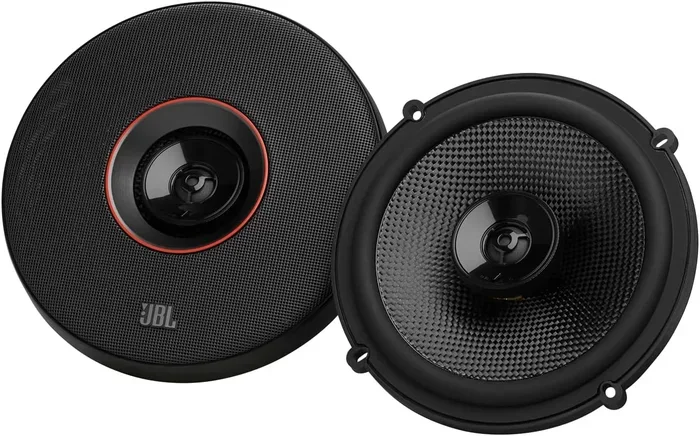
When you’re cruising down the highway, you want music that feels alive but doesn’t drown out the wind or engine roar. A 6.5‑inch speaker hits the sweet spot between size, power, and ease of installation. It’s large enough to move air and produce decent bass, yet small enough to slip into a fairing, tank, or side panel without looking bulky.
Most motorcycle manufacturers design their stock audio systems around 6.5‑inch drivers, which means you’ll find mounting holes, brackets, and wiring harnesses already in place. This compatibility saves you time and money, and it keeps the bike’s aesthetics intact.
Sound quality vs. size
Smaller speakers (3‑4 in) often sound tinny, while larger ones (8‑10 in) need more space and can be heavy. The 6.5‑inch driver offers a balanced frequency response: clear mids for vocals, crisp highs for cymbals, and enough low‑end to feel the beat without needing a massive sub‑woofer.
Durability in harsh conditions
Motorcycles face rain, dust, UV rays, and constant vibration. Quality 6.5 speakers are built with sealed cones, rubber surrounds, and corrosion‑resistant terminals. Look for an IP‑rating of at least IP65 for true waterproofing.
Key Features to Look For
Not every 6.5‑inch speaker is created equal. Below are the specs that separate a good set from a great set.

Visual guide about 6.5 Speakers for Motorcycle
Image source: pic1.zhimg.com
Power handling (RMS vs. peak)
RMS (Root Mean Square) rating tells you the continuous power a speaker can handle. For a motorcycle, aim for 30‑70 W RMS. Peak power is higher but less important because it only occurs in short bursts.
Sensitivity (dB)
A speaker with 90 dB + sensitivity will sound louder on the same amp compared to a 85 dB model. Higher sensitivity also means the amp doesn’t have to work as hard, saving battery life.
Frequency response
Look for a range of 50 Hz‑20 kHz. Anything lower than 50 Hz is usually unnecessary for a bike because the engine already provides low‑frequency rumble.
Construction materials
- Cone: Polypropylene or woven fiber for stiffness and low distortion.
- Surround: Rubber or silicone for vibration damping.
- Grill: Stainless steel or ABS plastic with UV inhibitors.
Mounting options
Some speakers come with pre‑drilled holes for OEM brackets, while others include universal mounting kits. Vibration‑isolating rubber grommets are a must‑have to prevent rattling.
Top 5 6.5‑Inch Speakers for Motorcycles (2024)
We tested dozens of models on real‑world rides. Here are the five that consistently delivered power, clarity, and durability.

Visual guide about 6.5 Speakers for Motorcycle
Image source: frontiersin.org
1. JL Audio 6‑5 Marine Series
Even though it’s marketed for boats, the JL Audio 6‑5 Marine speakers are perfect for bikes. They boast a 65 W RMS rating, 92 dB sensitivity, and a fully waterproof enclosure (IP68). The copper‑clad aluminum voice coil handles heat well, and the sealed design eliminates distortion at high RPMs.
Read our in‑depth review of the JL Audio 6‑5 Marine speakers for more details.
2. Rockford Fosgate R165X2
These speakers deliver 55 W RMS with a punchy midrange. The Plus One™ cone technology reduces distortion, and the molded polymer grille resists corrosion. They’re a great budget‑friendly option for riders who want solid performance without a premium price tag.
3. Kicker 46CS654
Kicker’s 46CS654 model offers a high‑sensitivity 94 dB rating, making it ideal for low‑output amps. The polypropylene cone and rubber surround give a warm sound that cuts through wind noise.
4. Alpine SPR-65C
Alpine’s SPR‑65C is a compact, sealed‑box speaker with a 45 W RMS rating. Its patented “Acoustic Lens” technology focuses sound toward the rider’s ears, improving perceived volume without increasing power.
5. Pioneer TS‑A665R
Pioneer’s TS‑A665R provides a balanced soundstage and a sturdy steel grille. With 60 W RMS and 91 dB sensitivity, it works well with most 4‑channel motorcycle amps.
How to Choose the Right Amp for Your 6.5 Speakers
Even the best speakers need a compatible amplifier. An undersized amp will clip, while an oversized one can waste battery power.
Matching RMS power
Pick an amp that can deliver 1.5‑2× the RMS rating of your speakers. For a 60 W RMS speaker, a 90‑120 W RMS amp per channel is ideal.
Voltage considerations
Motorcycle electrical systems run at 12 V (sometimes 13.8 V when the engine is running). Choose an amp designed for low‑voltage operation, such as those used in car audio.
Our guide on the recommended car amp for 6 speakers outlines models that work great on two‑channel setups, which you can easily adapt for a 4‑channel bike install.
Number of channels
Most riders install a pair of front speakers and a pair of rear speakers, requiring a 4‑channel amp. Some prefer a 2‑channel amp with a crossover to split frequencies, but that adds complexity.
Step‑by‑Step Installation Guide
Installing 6.5 speakers on a motorcycle is a doable weekend project. Follow these steps for a clean, vibration‑free setup.
Tools you’ll need
- Phillips and flat‑head screwdrivers
- Drill with ½‑inch bit (if new holes are required)
- Wire strippers and crimping tool
- Heat‑shrink tubing
- Silicone sealant or marine‑grade epoxy
- Vibration‑isolating rubber grommets (included with many speaker kits)
1. Plan the location
Common spots are the left/right side panels, the fuel tank cover, or behind the headlight housing. Ensure the area is dry, has enough clearance for the speaker depth (usually 1‑1.5 in), and is away from moving parts.
2. Remove the stock speaker (if present)
Unscrew the mounting bolts, disconnect the wiring harness, and gently pull the old speaker out. Keep the original hardware; you may reuse it for the new unit.
3. Prepare the mounting surface
Clean the area with isopropyl alcohol. If the OEM holes don’t line up, drill new ones using a template that matches the speaker’s mounting pattern. Apply a thin bead of silicone sealant around each hole to prevent water ingress.
4. Install vibration dampening
Place rubber grommets between the speaker frame and the bike’s metal surface. This isolates the speaker from engine vibrations, reducing distortion.
5. Wire the speaker
Use 16‑AWG speaker wire for short runs (under 3 ft) and 14‑AWG for longer runs. Strip about ½ in of insulation, twist the copper strands, and crimp a waterproof connector. Match positive (+) to positive and negative (–) to negative on the amp. Seal each connection with heat‑shrink tubing.
If you’re unsure about wiring polarity, a quick continuity test with a multimeter will save headaches later.
6. Connect to the amp
Run the speaker wires to the amp, typically located under the seat or in a side bag. Secure the amp with zip‑ties and use a fuse rated 15‑20 A close to the battery to protect the circuit.
7. Test the system
Turn on the bike, play a familiar track, and listen for any rattles or distortion. Adjust the speaker angle if needed, and re‑apply sealant if you notice any moisture spots.
8. Final sealing
Apply a final layer of silicone around the speaker’s perimeter and any drilled holes. Let it cure for 24 hours before riding in wet conditions.
Maintenance Tips to Keep Your Sound Crisp
Even the toughest speakers need occasional care. Follow these simple habits to extend the life of your 6.5 speakers.
Regular cleaning
Wipe the grill with a damp cloth after each ride, especially after riding in rain or dust. Avoid abrasive cleaners that can scratch the surface.
Check wiring connections
Every few months, inspect the connectors for corrosion. Re‑crimp or replace any frayed wires to prevent loss of power.
Secure the mounts
Vibrations can loosen bolts over time. Tighten the mounting screws and re‑apply rubber grommets if you hear any new rattling noises.
Upgrade options
If you crave deeper bass, consider adding a small 8‑inch waterproof sub‑woofer in the rear rack. Pair it with a 2‑way crossover (see our guide on crossovers) to send low frequencies only to the sub.
Common Mistakes and How to Avoid Them
Even seasoned riders can slip up. Here are pitfalls to watch for.
Over‑powering the speakers
Using an amp that delivers far more wattage than the speaker’s RMS rating can cause overheating and distortion. Stick to the recommended 1.5‑2× RMS rule.
Ignoring waterproof ratings
Installing a non‑waterproof speaker in a rain‑prone area will lead to rust and failure. Always verify the IP rating before purchase.
Improper grounding
A poor ground can introduce hum and reduce volume. Connect the amp’s ground wire to a clean, unpainted metal part of the frame.
Skipping the fuse
Without a fuse, a short circuit could melt wires or damage the bike’s battery. A 15‑A fuse is a safe default for most 6.5‑inch setups.
Is Wattage Really Important?
Many riders wonder if higher wattage equals better sound. The short answer: not always. It’s about matching the speaker’s RMS rating with an amp that can deliver clean power. For a deeper dive, check out does wattage matter for car speakers – the principles apply to motorcycles as well.
Bottom Line: Which 6.5 Speakers Should You Buy?
If you want the ultimate blend of power, durability, and price, the JL Audio 6‑5 Marine speakers lead the pack. For a tighter budget, the Rockford Fosgate R165X2 offers solid performance without the premium price. Pair whichever you choose with a properly sized, low‑voltage amp, follow the installation steps, and you’ll enjoy a soundtrack that makes every ride feel like a concert.
Final Thoughts
Upgrading to 6.5 speakers transforms your motorcycle from a simple commuter to a mobile audio experience. By understanding key specs, selecting the right amp, and installing with care, you’ll get crystal‑clear music that survives rain, dust, and the occasional pothole. Remember to keep the system sealed, check connections regularly, and enjoy the ride – the road is your stage, and your new speakers are the star.
Frequently Asked Questions
Can I install 6.5 speakers on any motorcycle?
Most standard bikes have space for 6.5‑inch speakers in the fairings or tank cover. Custom bikes may need drilling or additional brackets, but the size fits the majority of models.
Do I need a separate crossover for 6.5 speakers?
A crossover isn’t required for sealed 6.5 speakers, but adding a 2‑way crossover can improve bass response if you pair the speakers with a sub‑woofer.
How much does a typical 6.5 speaker upgrade cost?
Prices range from $80 for entry‑level models to $250‑$350 for premium waterproof speakers like JL Audio’s marine series.
Will the speakers drain my motorcycle battery?
When properly matched to a low‑voltage amp, the system draws only a few amps at normal volume, which is negligible compared to the bike’s overall electrical load.
Is it safe to ride in heavy rain with these speakers?
Yes, as long as the speakers have an IP65 or higher rating and all wiring is sealed with silicone or heat‑shrink tubing.
Can I use the same speakers for a car audio system?
Absolutely. Many 6.5‑inch motorcycle speakers are identical to car speakers, but verify the waterproof rating if you plan to use them in a vehicle exposed to moisture.