4 Channel Amplifier for Car Speakers
A 4 channel amplifier for car speakers gives you more power and better sound than your factory stereo. It lets you drive front and rear speakers with clean energy. You get louder volume, clearer highs, and deeper bass without distortion. This guide shows you how to choose, wire, and install one with confidence.
Upgrading your car audio does not have to be hard. A 4 channel amplifier for car speakers is one of the simplest ways to make your music sound better. You get more power, less distortion, and better control over your sound. If your factory stereo sounds weak or fuzzy, this upgrade can change everything.
Many drivers wonder if they really need an external amp. The short answer is yes if you want real improvement. Built-in head units simply cannot push enough clean power to speakers. An external amp fills that gap. It gives your speakers the energy they need to perform at their best.
This guide walks you through everything you need to know. We will cover what a four channel amp does, how to choose the right one, and how to wire it safely. You will also learn common mistakes to avoid and tips to get the best sound. By the end, you will feel ready to build a better car audio system.
Key Takeaways
- More Power: A 4 channel amp delivers clean energy to four speakers for louder, clearer audio.
- Better Sound Control: You can tune gain, filtering, and balance for a custom listening experience.
- Flexible Wiring: You can run front and rear speakers, or add a sub later with the right setup.
- Match Impedance: Always check speaker ohms to avoid overheating or damaging your amp.
- Signal Quality Matters: Use good RCA cables and proper grounding for the best results.
- Size and Cooling: Pick a compact amp with enough airflow to fit your vehicle safely.
- Installation Care: Secure wiring, fuse properly, and test slowly to prevent electrical issues.
📑 Table of Contents
- What Is a 4 Channel Amplifier for Car Speakers
- How to Choose the Right 4 Channel Amplifier
- Wiring Basics for a 4 Channel Amplifier
- Installing a 4 Channel Amplifier Safely
- Tuning and Getting the Best Sound
- Common Mistakes and How to Avoid Them
- Quick Tips and Expert Insights
- Final Thoughts on a 4 Channel Amplifier for Car Speakers
What Is a 4 Channel Amplifier for Car Speakers
A 4 channel amplifier is a device that boosts the audio signal for four separate speakers. Each channel works on its own. That means you can power two front speakers and two rear speakers at the same time. This setup is very popular because it matches the standard layout in most cars.
These amps come in different sizes and power levels. Some are small and fit under a seat. Others are larger and mount in the trunk. The right choice depends on your space, your speakers, and how loud you want the system to go. A good amp gives you clean power without adding noise or heat.
Why Four Channels Matter
Four channels give you flexibility. You can balance the sound between front and rear. You can also fade the audio forward or backward. This control makes listening much more enjoyable. If you only have a two channel amp, you are limited to one pair of speakers. That is fine for basic setups, but it restricts your options.
A four channel amp also leaves room for future upgrades. You might add a subwoofer later. Some amps let you bridge two channels for extra power. That means you can grow your system over time without replacing everything.
Who Should Consider This Upgrade
This upgrade works well for many drivers. You should think about a 4 channel amplifier for car speakers if you notice these issues:
- Your music sounds weak at high volume
- Speakers distort when you turn up the bass
- You want clearer vocals and instruments
- You plan to replace factory speakers with aftermarket ones
- You want more control over tone and balance
If any of these sound familiar, an external amp is a smart next step. It solves power limits and unlocks better performance from your speakers.
How to Choose the Right 4 Channel Amplifier
Picking the right amp is about matching power, impedance, and features. You do not need the most expensive model. You need the right model for your setup. Start by checking your speakers and your vehicle space.
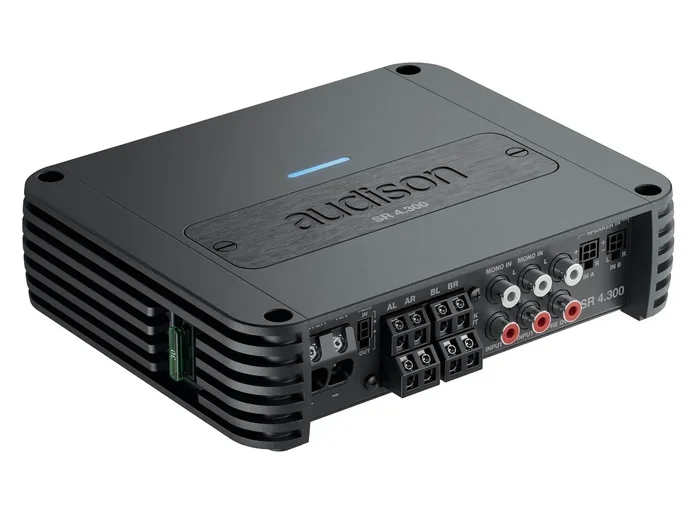
Visual guide about 4 channel amplifier car audio
Image source: cdn.shopify.com
Power Ratings and Real Output
Look at RMS power, not peak power. RMS tells you the continuous power the amp can deliver. Peak numbers are marketing numbers. They look big, but they do not reflect real use. For most car speakers, a steady RMS range gives the best results.
You also want headroom. Headroom is extra power above what your speakers need. It helps during loud passages and keeps the sound clean. If your speakers need 50 watts each, an amp with a bit more RMS per channel is a good fit. This approach reduces strain and improves clarity.
Impedance and Speaker Matching
Impedance is the resistance your speakers show to the amp. It is measured in ohms. Most car speakers are 4 ohms. Some are 2 ohms. Your amp must match or handle the load safely. If you mix speakers with different impedance, the total load can change. That can cause overheating or poor performance.
If you are unsure about impedance, read your speaker specs carefully. You can also check guides on 4 ohm amplifier with 8 ohm speakers to understand how mismatched loads behave. Matching the load correctly keeps your system stable and safe.
Channels, Features, and Build
Beyond power and impedance, look at useful features. A good 4 channel amplifier for car speakers often includes:
- Gain controls for each channel or global adjustment
- Low pass and high pass filters
- Bass boost, if you want extra low end
- Protection modes for heat, short circuits, and clipping
- Compact shape for easy mounting
Some amps also offer remote turn-on. This lets the amp power up when the car starts. That is a small feature, but it adds convenience. Build quality matters too. Look for solid connectors, clear labels, and good ventilation.
Wiring Basics for a 4 Channel Amplifier
Wiring is where many people feel unsure. The good news is that it is straightforward once you understand the flow. Power comes from the battery. The signal comes from the stereo. The speakers connect to the amp outputs. Keep the layout clean and secure.
Power and Ground Connections
Start with a proper power wire. Use the right gauge for your amp and distance. Thicker wire reduces voltage drop over long runs. Connect the power wire to the battery through a fuse holder. The fuse protects your vehicle in case of a short.
The ground wire is just as important. Connect it to a clean metal point on the car chassis. Remove paint or rust so the connection is solid. A bad ground causes noise, weak output, and instability. If you want more detail on power needs, you can review do I need an amplifier for my car speakers for a broader view of amp requirements.
Signal and Speaker Connections
The audio signal usually comes from the head unit through RCA cables. If your stereo does not have RCA outputs, you may need a line output converter. That device taps into the speaker wires and creates a clean signal for the amp. Keep signal cables away from power cables to reduce noise.
Speaker wires connect from the amp channels to each speaker. Maintain correct polarity. Positive goes to positive. Negative goes to negative. Swapping these can cause phase issues and thin sound. If you plan to run four speakers on a two channel setup, you should study how to wire 4 speakers to 2 channel amp before you start. That way, you understand the load and avoid mistakes.
Quick Wiring Checklist
- Choose the correct wire gauge for power and ground
- Install a fuse near the battery
- Clean the ground point for a strong connection
- Use quality RCA cables for the signal
- Match speaker polarity on every channel
- Secure all wires so they do not vibrate or wear
Installing a 4 Channel Amplifier Safely
Safety matters during installation. A wrong connection can damage your amp, your speakers, or your car electrical system. Take your time and double-check each step. If you feel unsure, ask a professional for help.
Preparation and Placement
Pick a spot with airflow. Amps generate heat, especially at higher volumes. Under a seat or in a trunk shelf often works well. Make sure the location is dry and protected from loose items. Leave some space around the amp for cooling.
Before connecting anything, disconnect the battery. This reduces the risk of sparks or shorts. Gather your tools, wires, fuse, and connectors before you begin. A tidy workspace makes the job easier and safer.
Step-by-Step Setup
Here is a simple order to follow:
- Mount the amp securely
- Run the power wire from the battery with a fuse
- Attach the ground wire to a clean chassis point
- Connect the signal cables from the stereo or converter
- Run speaker wires to each speaker
- Reconnect the battery and test at low volume
- Adjust gain and filters for a clean sound
Test slowly. Start with the volume low and increase it gradually. Listen for distortion, buzzing, or overheating. If something sounds wrong, turn it off and check your connections. Patience here saves time later.
Tuning and Getting the Best Sound
Installing the amp is only part of the job. Tuning makes the system sound great. Good tuning reduces distortion and balances the sound across all four speakers. You do not need to be an expert. A few careful adjustments go a long way.
Gain and Filter Settings
Gain controls how much the amp boosts the signal. More gain is not always better. Too much gain causes clipping, which sounds harsh and can hurt speakers. Set the gain so the amp delivers clean power at your normal listening level.
Filters help direct the right frequencies to the right speakers. A high pass filter removes deep bass from small speakers. A low pass filter removes highs from a subwoofer. If your amp has these controls, use them to protect your speakers and clean up the sound.
Balance, Fade, and Real-World Tips
Use your stereo’s balance and fade controls to spread the sound evenly. If the rear speakers are too loud, the soundstage can feel distant. If the fronts are too weak, the music may feel narrow. Adjust until the listening position feels natural.
Keep these practical tips in mind:
- Start with flat settings, then tweak one control at a time
- Listen to music you know well during tuning
- Check for hot spots on the amp after a long play session
- Revisit settings after changing speakers or tracks
- Keep wiring tidy to avoid rattles and noise
If you want to understand how power affects your speakers, read does wattage matter for car speakers. It explains how power interacts with speaker performance in simple terms.
Common Mistakes and How to Avoid Them
Even a good amp can underperform if installed poorly. Most problems come from a few repeated mistakes. Avoiding them makes your system more reliable and enjoyable.
Mistake One: Ignoring Impedance
Mixing speakers without checking ohms can create a risky load. Always calculate the total load or stick to matching speakers. If you need help understanding loads, see can you run 4 ohm speakers at 2 ohms for a clear explanation.
Mistake Two: Overdriving the Amp
Turning the gain too high is a common error. It creates clipping and heat. Set gain carefully and leave some headroom. Your speakers will sound cleaner and last longer.
Mistake Three: Poor Grounding and Loose Wires
A weak ground causes noise and unstable behavior. Loose wires can chafe and fail. Secure every connection and use proper terminals. A few extra minutes here prevent bigger problems later.
Mistake Four: Skipping Protection
Amps need protection from shorts and surges. Use a fuse on the power line. Make sure the amp’s built-in protection features are active. If your system includes different speaker types, check 4 ohm speakers on 2 ohm amp to understand how protection and load rules work together.
Quick Tips and Expert Insights
A few simple habits make a big difference. These tips help you get more from your 4 channel amplifier for car speakers without extra cost or complexity.
Smart Setup Habits
- Plan your wire routes before you cut or drill
- Label wires during installation for easier troubleshooting
- Keep signal and power cables separated
- Use quality connectors instead of bare twists
- Check screw terminals for tightness after a few weeks
Expert Insight
Experienced installers often say the best system is the balanced one. Huge power alone does not guarantee great sound. Clean signal, proper grounding, and careful tuning usually matter more. A well-matched amp and speakers sound better than an overpowered mismatch. If you are expanding later, look at 6 speakers 4 channel amp to see how multi-speaker layouts can work with the right planning.
Final Thoughts on a 4 Channel Amplifier for Car Speakers
A 4 channel amplifier for car speakers is a practical upgrade for better sound. It gives your music more power, more clarity, and more control. You do not need a complicated system to hear the difference. With the right amp, careful wiring, and simple tuning, your car audio can feel fresh and lively.
Take your time when choosing and installing. Match power to your speakers, check impedance, and protect your electrical connections. Then tune the system for balance and cleanliness. These steps help you avoid common problems and enjoy reliable performance.
If you are ready to improve your daily listening, start with a clear plan. Measure your space, review your speaker specs, and pick an amp that fits your needs. A thoughtful setup will reward you every time you turn the key.
Frequently Asked Questions
Do I need a 4 channel amplifier for car speakers if I only have four speakers?
Yes, a 4 channel amp is a great match for four speakers because each channel can drive one speaker. This gives you cleaner power and better control than a head unit alone. It is a simple way to improve volume and clarity.
Can I connect more than four speakers to a 4 channel amplifier?
You can in some cases, but you must watch the impedance load carefully. Wiring extra speakers can change the total ohms and stress the amp. It is safer to plan the layout first and check compatibility before connecting everything.
What size power wire do I need for a 4 channel amplifier?
The right wire size depends on the amp’s current draw and the length of the run. Longer runs usually need thicker wire to reduce voltage drop. Check the amp manual and use a fuse near the battery for safety.
How do I tune a 4 channel amplifier for the best sound?
Start with low gain and increase it until the sound is clean at your normal listening level. Use filters to protect small speakers from deep bass if needed. Then adjust balance and fade until the sound feels even across all four speakers.
Is a 4 channel amplifier better than a factory stereo for car speakers?
In most cases, yes, because an external amp delivers more clean power and less distortion. Factory stereos are limited in power and tuning options. A separate amp helps your speakers perform closer to their full potential.
What common mistakes should I avoid when installing a 4 channel amplifier?
Avoid ignoring speaker impedance, setting gain too high, and using a weak ground connection. Also, do not skip the fuse on the power wire. Secure wiring and test at low volume first to catch problems early.