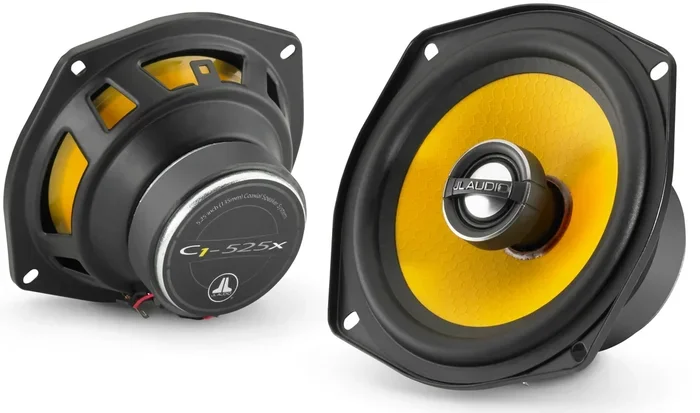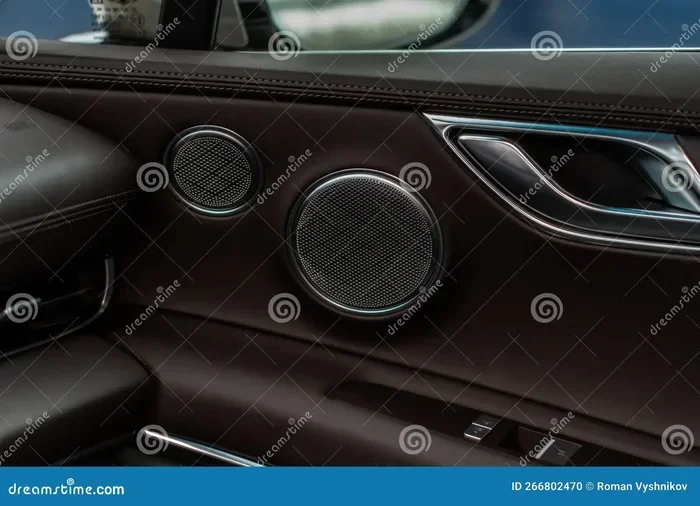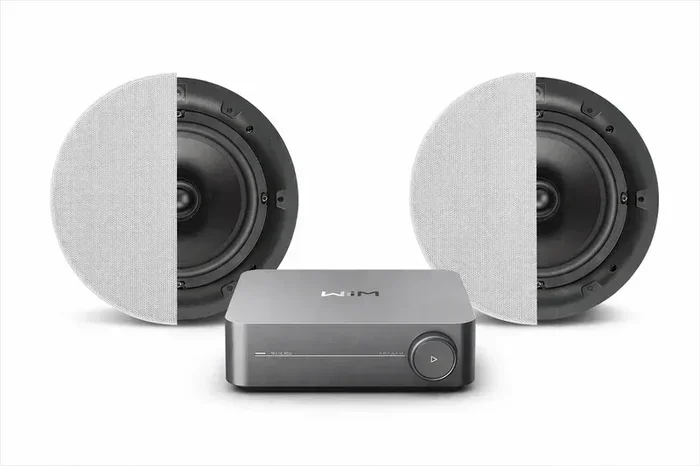
6.5 Speakers with Amp
Upgrading your car audio starts with choosing the right 6.5 speakers with amp combination. A proper match between your speakers and amplifier unlocks better bass, clearer highs, and longer component life. Many drivers skip the amp and wonder why their sound feels flat or distorted. This guide breaks down impedance matching, wiring basics, and top pairing tips so you can build a system that actually sounds great.
Upgrading your car audio sounds simple until you start mixing speakers, amps, and wiring options. The truth is, a good 6.5 speakers with amp setup changes everything. You get cleaner vocals, tighter bass, and enough headroom to turn up the volume without harsh distortion. If you have ever wondered why two similar speakers sound so different, the answer usually comes down to power matching and installation quality.
Many people buy great speakers and then plug them into a weak or mismatched amplifier. That mistake holds back the whole system. A proper amplifier gives your drivers the clean power they need to move air efficiently. It also reduces strain on the audio signal, which means less crackling at high volume. In this guide, we will walk through the basics, the wiring options, and the smart pairing choices that help your system sound its best.
Key Takeaways
- Match impedance carefully: Pairing 6-ohm speakers with an 8-ohm amp works, but you must watch power limits and wiring configurations.
- Use the right wiring method: Series and parallel wiring change total load, so learn how to wire six speakers on a 4-channel amp safely.
- Prioritize sensitivity and RMS: High sensitivity speakers need less amp power, while RMS ratings tell you real continuous output.
- Choose marine or waterproof options when needed: If you ride near water or in wet climates, 6.5 marine speakers with good bass resist corrosion and moisture.
- Keep gain and crossovers set properly: Clean tuning prevents distortion, protects your amp, and helps your 6.5-inch midrange speakers perform their best.
- Plan your power budget: A 4-channel amp can drive six speakers with smart wiring, but matching speaker count to amp channels avoids overheating.
- Test before you finalize: Start low, tune gradually, and listen for clarity, balance, and bass response before locking in your setup.
📑 Table of Contents
Why You Need an Amp for 6.5 Speakers
Factory head units often sound fine at low volume, but they usually lack the power to drive aftermarket speakers properly. That is where an external amplifier helps. A dedicated amp sends a stronger, cleaner signal to your 6.5 speakers, which improves dynamics and detail. You also get more control over bass response and high-frequency clarity.
Another big benefit is headroom. Headroom is the extra power available beyond normal listening levels. With enough headroom, your music stays smooth even during loud peaks. That matters for genres with strong drums, deep bass, or energetic vocals. Without enough power, speakers can sound compressed or strained.
More Power Means Better Control
Amplifiers do more than just make things louder. They help control speaker movement, especially in the bass region. Better control means tighter low end and less muddy resonance. If you love punchy sound, a well-matched amp is a smart upgrade.
Cleaner Signal Reduces Distortion
A weak signal often picks up noise and interference. A quality amplifier keeps the signal strong and stable. That results in lower noise floor and fewer audible artifacts. You hear the music, not the electrical clutter.
Better Matching for Different Speaker Types
Not all 6.5 speakers are built the same. Some focus on midrange clarity, while others aim for stronger bass output. An amp helps you tailor power delivery to the speaker design. That is especially useful if you mix component sets or add a dedicated subwoofer later.
Understanding 6.5 Speakers and Amp Matching
Matching your speakers to an amp starts with impedance, sensitivity, and power handling. These three numbers tell you how hard the speaker resists current, how efficiently it turns power into sound, and how much power it can handle safely. If you ignore them, you risk weak performance or even damage.
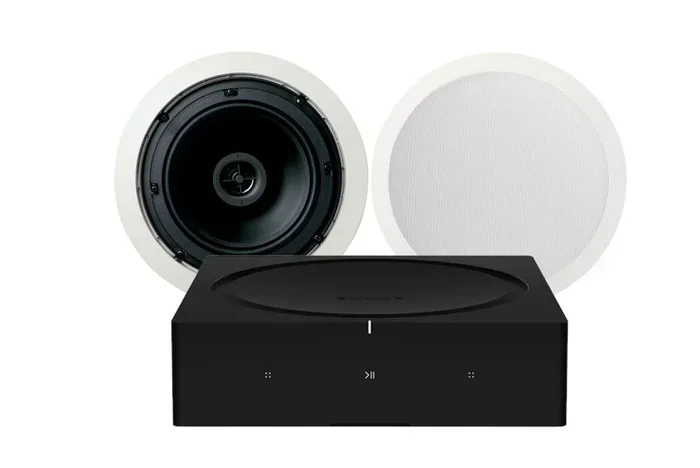
Visual guide about 6.5 speakers with amplifier
Image source: digitalcinema.com.au
Impedance is usually rated at 4 ohms, 6 ohms, or 8 ohms. Lower impedance draws more current, while higher impedance draws less. That means a 4-ohm speaker typically needs an amp that can handle lower loads. A higher-impedance speaker may work with a wider range of amps, but it may also need more voltage to reach the same volume.
Impedance Basics Made Simple
Think of impedance like the width of a hallway. A wider hallway lets more people move through at once. A narrower hallway restricts flow. In audio terms, lower impedance allows more current to pass, which can mean higher power output from the amp. Higher impedance limits current, which can make the amp run cooler but may reduce maximum output.
If you are comparing options, you may see articles about 6 ohm speakers with 8 ohm amp setups. That combination can work in many cases, but you should verify the amp’s stability and power curve. Some amps deliver less power into higher impedance loads, while others stay stable across a wide range.
Sensitivity Matters More Than People Think
Sensitivity tells you how loud a speaker gets with a given amount of power. A higher sensitivity speaker needs less power to reach a comfortable volume. That is helpful if you use a smaller amp or want to save energy. Lower sensitivity speakers often need more power, but they may offer tighter control or better bass extension when driven properly.
RMS Power and Peak Ratings
RMS ratings show continuous power handling, which is the number that matters most for daily listening. Peak ratings show short-term maximum power, but they can be misleading. Always focus on RMS when choosing an amp. A good rule is to match amp output to the speaker’s RMS range rather than chasing maximum numbers.
Wiring Options for 6 Speakers on a 4-Channel Amp
One of the most common questions is how to run six speakers with a 4-channel amp. It is possible, but you need a clear plan. The goal is to keep the total load within the amp’s safe range while still getting sound from every speaker. The two main wiring methods are series and parallel, and each changes the final impedance.
Parallel wiring lowers total impedance. Series wiring raises it. If you wire too many speakers in parallel, the load may drop too low for the amp. If you wire everything in series, the load may rise too high and reduce power output. Smart installers often mix both methods to reach a balanced load.
Series Wiring Explained
In series wiring, the signal passes through one speaker and then the next. This adds impedance. For example, two 4-ohm speakers in series create an 8-ohm load. That is safer for many amps, but it can limit maximum power. Series wiring is useful when you need to raise the total load.
Parallel Wiring Explained
In parallel wiring, each speaker gets the same voltage. This lowers total impedance. Two 4-ohm speakers in parallel create a 2-ohm load. That can unlock more power from a stable amp, but only if the amp is designed for it. Parallel wiring is popular when you want stronger output and the amp can handle the lower load.
Smart Ways to Wire Six Speakers
If you have six 6.5 speakers and a 4-channel amp, you may need to combine series and parallel wiring. For example, you can group speakers so each channel sees a safe load. Another option is to use a speaker selector or distribution method that keeps the amp protected. Always check the amp manual before finalizing the layout.
If you want a deeper walkthrough, you can review guides on how to wire 6 speakers on a 4-channel amp for practical connection ideas.
Common Wiring Mistakes to Avoid
- Underestimating total impedance: Always calculate the final load before turning the amp on.
- Mixing speaker types carelessly: Different sensitivities can cause imbalance across channels.
- Ignoring amp stability: Not every amp handles low-impedance loads safely.
- Overlooking wire gauge: Thin wire can waste power and cause voltage drop.
- Skipping fuse protection: Proper fusing protects both the amp and your vehicle.
Choosing the Right 6.5 Speakers for Your Setup
The best 6.5 speakers with amp combination depends on your goals. Do you want loud music, accurate vocals, strong mids, or extra bass? Your answer should guide the speaker type, the enclosure approach, and the amp size. A system built for clarity will sound different from one built for punchy low end.
If you want balanced sound, component speakers often perform well because the tweeter and midrange driver can be placed separately. That improves imaging and staging. If you want easier installation, coaxial speakers keep everything in one frame. Both styles can work with the right amp, but they shine in different setups.
Coaxial vs Component Choices
Coaxial speakers are simple and convenient. They work well when you want a quick upgrade with minimal fabrication. Component speakers take more planning, but they often deliver better separation and detail. If you care about soundstage and precision, components are worth the extra effort.
Marine and Waterproof Options
If your setup faces moisture, salt, or frequent temperature changes, durability matters. Marine-rated speakers use materials that resist corrosion and wear. That makes them a smart choice for boats, beach vehicles, or rainy climates. You can explore options like 6.5 marine speakers with good bass if you need both durability and strong low-end output.
Midrange Focus for Clear Vocals
Some drivers care most about voice clarity. In that case, a good 6.5-inch midrange speaker can make a big difference. Midrange drivers are designed to handle the frequencies where vocals and instruments sit. Pair them with a clean amp, and you often get very natural sounding music.
Bass-Oriented Selections
If bass is your priority, look for speakers that move air well and handle power without flinching. You may also want to check out resources on 6.5 inch midrange speakers when you want a balanced approach that still supports stronger low frequencies. For more bass-focused comparisons, you can also read about 5.1.4 speakers with good bass to understand how different sizes affect output.
Tuning and Setup Tips for Best Sound
Even the best hardware sounds average if it is not tuned well. Setting gain, crossovers, and balance correctly helps your 6.5 speakers with amp setup reach its potential. The goal is not maximum volume. The goal is clear, balanced sound that stays clean at your favorite listening level.
Start with the gain. Gain is not a volume knob. It controls how much signal the amp receives from the source. If gain is set too high, the amp can clip and distort. If it is too low, you lose dynamics. Set it gradually while playing music you know well.
Setting Gain Correctly
- Start with the amp gain at the lowest setting.
- Play a familiar track at normal listening volume.
- Increase gain slowly until the sound is full but clean.
- Back off if you hear cracking, buzzing, or harsh highs.
- Re-check the setting after adding any bass or signal processing.
Using Crossovers Wisely
Crossovers divide frequencies so each speaker handles the range it does best. High-pass filters protect smaller drivers from heavy bass. Low-pass filters keep deep bass away from speakers that cannot reproduce it cleanly. Proper crossover settings reduce strain and improve overall clarity.
Balancing the System
Make sure the sound is even across all drivers. If one side feels louder or brighter, check placement, wiring, and source balance. Small placement changes can make a big difference. Also, listen from the driver’s seat, since that is where you will hear the system most often.
Quick Tuning Checklist
- Confirm all connections are tight and secure.
- Set gain for clean output, not maximum loudness.
- Adjust crossovers to match each speaker’s strengths.
- Balance left and right channels.
- Listen at real-world volume before making final changes.
Common Problems and How to Fix Them
Most audio issues come from a few repeatable causes. Distortion, weak bass, uneven volume, and noise usually point to mismatched power, poor wiring, or bad tuning. The good news is that many of these problems are fixable without replacing the whole system.
Distortion at high volume often means the amp is being pushed past its clean output range. That can happen when the gain is too high or the speaker load is too demanding. Weak bass may mean the speakers are not getting enough power, or the crossover is cutting off too much low end. Noise can come from bad grounds, thin power wire, or interference.
Fixing Distortion
Lower the gain first. Then check whether the speakers are being asked to handle more power than they can use cleanly. If the amp is too small, consider a unit with more headroom. If the wiring is loose, tighten every connection.
Fixing Weak Bass
Check the crossover settings and make sure the low end is not being filtered out too aggressively. Also verify that the speakers are mounted securely, since loose panels can kill bass response. If your setup needs more low frequency output, you may eventually add a dedicated subwoofer.
Fixing Noise and Interference
Inspect the ground connection first. A poor ground is one of the most common causes of whine or static. Use quality power and signal cables, and keep audio wires away from high-current lines when possible. If the noise changes with engine speed, the issue may be related to charging system noise or grounding.
Expert Insight
A well-tuned system usually beats a heavily powered but poorly set up one. Clean gain structure, stable wiring, and sensible crossover choices often create a bigger improvement than simply buying a bigger amp. Take your time with setup, and you will hear the difference immediately.
Final Thoughts on Building Your Setup
A strong 6.5 speakers with amp setup is really about balance. You want speakers that fit your sound goals, an amp that can drive them safely, and a wiring plan that keeps everything stable. When those pieces line up, your system sounds fuller, cleaner, and more reliable.
Do not rush the matching process. Check impedance, RMS ratings, sensitivity, and amp stability before you buy. Then wire carefully, tune gradually, and listen critically. If you take those steps, you will avoid the most common audio upgrade mistakes and enjoy better sound for the long haul.
If you want to keep exploring related setups, you may also find it useful to read about 6 ohm speakers with 8 ohm amp pairings or 6 speakers on 4 channel amp configurations for more installation ideas.
Frequently Asked Questions
Can I run 6.5 speakers without an amp?
Yes, but the sound may stay limited if your head unit does not send enough power. An external amp usually gives you cleaner output, better dynamics, and more volume before distortion.
What amp size do I need for 6.5 speakers?
It depends on the speaker RMS rating, impedance, and how loud you want to listen. A good starting point is an amp that can deliver power close to the speaker’s RMS range without exceeding safe impedance limits.
Is it okay to mix 4-ohm and 8-ohm speakers on the same amp?
It can work, but you need to calculate the total load carefully. Mixed impedances can create uneven power distribution, so it is best to check the amp’s stability and avoid unsafe combinations.
How do I know if my amp is clipping?
Clipping usually sounds like harsh distortion, crackling, or a compressed sound at higher volume. If the sound gets rough when you turn it up, the gain may be too high or the amp may be underpowered for the load.
Should I choose coaxial or component 6.5 speakers?
Choose coaxial if you want easier installation and a simpler upgrade. Choose components if you want better sound staging, more flexibility in placement, and generally stronger detail.
Why do my speakers sound weak even with an amp?
That usually happens because of poor gain settings, wrong crossover choices, loose wiring, or a mismatch between the amp and speakers. Check the connections first, then re-tune the system before assuming you need new gear.