Component 6.5 Car Speakers
Component 6.5 car speakers deliver clearer sound and better imaging than standard coaxial units. They separate tweeters and woofers for precise audio placement. Upgrading to these speakers transforms your daily drive into a concert experience. You will learn how to choose, install, and tune them for maximum performance.
Key Takeaways
- Superior Sound Imaging: Separating tweeters and woofers creates a wider soundstage and clearer vocals.
- Customizable Placement: You can mount tweeters high on pillars for better high-frequency delivery.
- Better Power Handling: Component sets often handle more power for louder, cleaner audio.
- Installation Flexibility: Separate parts let you fit speakers into unique vehicle layouts easily.
- Brand Variety: Top brands like Alpine, Focal, and Kicker offer reliable options for every budget.
- Amp Compatibility: Pairing with a dedicated amplifier unlocks the full potential of these speakers.
- Long-Term Value: Quality component speakers last longer and sound better than basic factory units.
📑 Table of Contents
- Why Choose Component 6.5 Car Speakers
- Understanding 6.5 Inch Speaker Specs
- Top Brands And What To Expect
- Installation Tips For Best Results
- Tuning For Clear Sound And Strong Bass
- Matching Speakers With Amplifiers And Sources
- Real-World Expectations And Maintenance
- Final Thoughts On Component 6.5 Car Speakers
Why Choose Component 6.5 Car Speakers
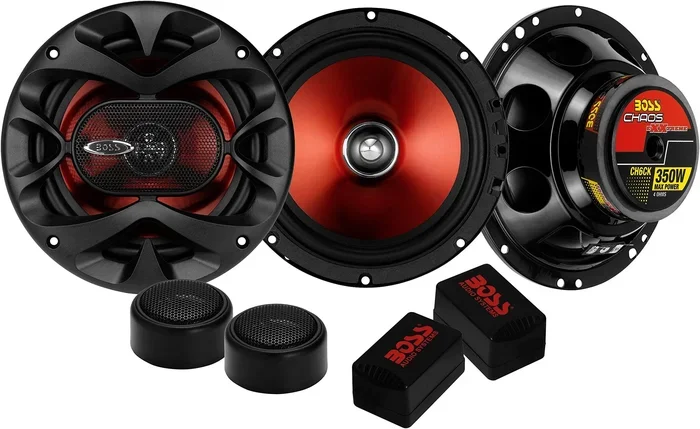
Upgrading your car audio starts with the right speakers. Component 6.5 car speakers stand out because they split the sound into separate parts. You get a dedicated woofer for mids and bass. You also get a separate tweeter for highs. This design gives you more control over where the sound comes from.
Factory speakers often bundle everything into one unit. That setup limits placement and clarity. Components let you mount the tweeter high on the dashboard or A-pillars. This creates a more realistic soundstage. You hear vocals and instruments as if they are in front of you. Many drivers notice the difference immediately.
These speakers also handle power better. You can drive them with a dedicated amplifier for cleaner output. The result is less distortion at higher volumes. Your music stays sharp even during long drives. If you love detail and separation, this format makes sense.
How Components Differ From Coaxial Units
Coaxial speakers combine a woofer and tweeter in one frame. That design is simple and easy to install. Components separate these elements into distinct pieces. This separation improves imaging and frequency response. You can position each driver for optimal listening.
Coaxial units work well for quick upgrades. Components work better for serious sound quality. If you want precise staging, choose components. If you want fast installation, choose coaxial. Both have their place in car audio. Your goals decide the best path.
Who Benefits Most From This Upgrade
Drivers who value clarity will appreciate components. Music lovers who listen to vocals, jazz, or acoustic tracks benefit a lot. Enthusiasts who use external amplifiers also gain more control. If your car has odd door shapes, separate parts help too. You can fit the woofer where space allows. Then you can place the tweeter for the best angle.
Even daily commuters notice the improvement. Road noise fades into the background when clarity rises. You hear details you missed before. The upgrade feels worth it from the first song.
Understanding 6.5 Inch Speaker Specs
Choosing the right set starts with the specs. 6.5 inch car speakers are popular because they fit many doors. They offer a strong balance of midrange and bass. You should look at sensitivity, impedance, and power handling. These numbers guide your amp choice and installation plan.

Visual guide about component 6.5 car speakers
Image source: fabcaraudio.com.au
Sensitivity tells you how loud a speaker gets per watt. Higher sensitivity works well with low-power systems. Lower sensitivity often pairs with stronger amplifiers. Impedance shows the electrical load, usually 4 ohms. Matching this with your amp prevents overheating and distortion. Power handling shows how much energy the speaker can take safely.
Sensitivity And Why It Matters
Sensitivity is measured in decibels at one watt. A higher number means louder output with less power. This matters if you use a small head unit amp. If you plan to add a strong external amp, sensitivity matters less. You can still get great sound with moderate numbers. Focus on the whole system, not one spec alone.
Impedance Basics For Car Audio
Most car speakers use 4 ohm loads. Some sets offer 2 ohm options for more current draw. Your amplifier must match the load for safe operation. Mixing mismatched loads can cause heat and poor performance. Check your amp manual before wiring. A clean match keeps the system stable.
Power Handling And Real-World Use
Peak power numbers often look impressive on paper. RMS power is more useful for daily listening. RMS shows the continuous power the speaker can handle. Aim for an amp that delivers close to the RMS range. This keeps distortion low and sound clean. More power is not always better if the tuning is poor.
Top Brands And What To Expect
Several brands make reliable component 6.5 car speakers. Each offers a different sound signature and price point. Some lean warm and smooth. Others sound bright and detailed. Your taste should guide the choice. You can also compare options like Focal 6.5 component speakers for clear detail or Alpine 6.5 component speakers for balanced tone.
Budget sets can still sound great. Midrange sets often add better materials and stronger motors. Premium sets bring refined tweeters and tighter bass. Think about your amp, your music, and your budget. A good match beats a flashy spec sheet.
Entry-Level Choices For Daily Driving
Entry-level sets work well for simple upgrades. They fit most doors and sound better than factory units. Many use polypropylene woofers for durable bass. Tweeters often use silk or balanced domes for smooth highs. These sets suit listeners who want a noticeable improvement without high cost.
Mid-Range Sets For Enthusiasts
Mid-range sets bring better imaging and tighter response. You often get higher-quality crossover parts. The woofer surround may use rubber for better movement. Tweeters may handle more power with less distortion. These sets pair nicely with a modest amplifier. You get more detail without breaking the bank.
Premium Sets For Serious Audio
Premium sets focus on precision and refinement. They often use advanced motor structures and stiff cones. Tweeters may feature waveguides for better dispersion. The sound can feel very natural and spacious. These sets reward careful tuning and quality amplification. If you want the best, this tier is worth exploring.
Installation Tips For Best Results
Good installation changes everything. Even great speakers sound poor if mounted badly. Take time to seal gaps and secure wires. Use proper adapters for your vehicle. A clean install improves bass response and reliability.
Start by removing the door panels carefully. Check for water damage or rust before mounting. Clean the mounting surface so the new speakers sit flat. Seal the woofer opening to reduce leaks. Leaks can weaken bass and muddy the sound.
Tweeter Placement Strategies
Tweeter position shapes the soundstage. High mounting on the dash or pillars often works best. Aim the tweeter toward the listening position. Avoid placing them too far outside the direct path. A slight angle can improve clarity. Test a few spots before final mounting.
Door Mods And Sound Deadening
Sound deadening helps a lot in doors. It reduces vibration and outside noise. Apply damping material to the inner panel if possible. This makes the woofer work more efficiently. You get tighter bass and cleaner mids. It is one of the cheapest ways to improve sound.
Wiring And Crossover Setup
Components include external crossovers. Place them where they stay cool and dry. Keep the wires short to reduce signal loss. Connect the tweeter and woofer to the correct terminals. Double-check polarity so both drivers move together. Wrong polarity can cancel bass and blur imaging.
Tuning For Clear Sound And Strong Bass
After installation, tuning makes the system shine. Start with the head unit settings. Set the equalizer flat at first. Then adjust slowly based on your music. Too much bass boost can muddy the mids. Too much treble can cause harshness. Aim for balance and clarity.
If you use an amplifier, set the gain carefully. Turn the volume up to normal listening levels. Increase the gain until you hear distortion, then back off. This keeps the signal clean. Use the crossover on the amp or speaker crossover to protect the tweeter. Low-pass filters can smooth the woofer output.
Quick Tips For Better Imaging
- Keep left and right levels matched for a centered soundstage.
- Use small time alignment tweaks if your head unit supports it.
- Avoid extreme EQ cuts that make music sound thin.
- Listen from the driver seat when tuning for real-world results.
Common Mistakes To Avoid
- Mounting tweeters too low and losing high-frequency clarity.
- Skipping sound deadening and wasting door panel vibration.
- Ignoring polarity and causing weak bass response.
- Overpowering tweeters and risking damage from heat.
- Boosting bass too much and masking vocals and instruments.
Matching Speakers With Amplifiers And Sources
A strong system needs a balanced match. Your 6.5 inch car speakers should pair well with an amp that fits their needs. Small head units can run sensitive speakers fine. Larger systems benefit from more headroom. Give yourself extra power so the amp never clips. Clean signal matters more than raw numbers.
Source quality also matters. High-bitrate files and good streaming help a lot. Poor sources limit what even great speakers can do. If you use a phone, choose a clean USB or auxiliary connection. Bluetooth is convenient, but wired sources often sound better. The chain is only as strong as its weakest link.
When To Add A Dedicated Amp
Add an amplifier when you want more control and headroom. An amp helps during long drives and loud passages. It also supports better crossover settings. If your speakers have moderate sensitivity, an amp makes a big difference. For very sensitive sets, a small amp may be enough. Match the amp to your listening habits.
Smart Budget Planning
Plan for more than just the speakers. Include adapters, wiring, deadening, and maybe an amp. Set aside time for careful installation. A modest budget spent wisely beats a large budget wasted on poor choices. Buy quality where it matters most. Save on items that do not change sound much.
Real-World Expectations And Maintenance
New speakers can feel amazing at first. Give yourself time to tune and learn the system. Small adjustments often create big gains. Keep the speakers clean and check connections occasionally. Door environments can be harsh with heat and moisture. Secure wires and protect crossovers from water.
If you ride in all seasons, choose durable materials. Rubber surrounds usually handle movement well. Quality terminals and solder joints last longer too. A little care keeps the system sounding good for years. Enjoy the upgrade and keep fine-tuning as you go.
Final Thoughts On Component 6.5 Car Speakers
Component 6.5 car speakers offer a smart path to better sound. They bring separation, imaging, and flexibility that coaxial units often miss. You can place each driver for the best effect. With careful installation and tuning, the results feel big. Whether you choose Alpine, Focal, or another trusted brand, the right set can transform your daily drive.
Focus on fit, power matching, and placement. Use sound deadening to tighten the bass. Set your amp gains with care. Avoid extreme EQ changes that hurt clarity. If you plan well, your new speakers will deliver clear vocals, controlled mids, and satisfying bass for a long time.
Frequently Asked Questions
Do component 6.5 car speakers need an amplifier?
Not always, but an amplifier helps a lot if you want more clarity and headroom. Sensitive sets can run from a head unit, while less sensitive ones benefit from extra power. The best choice depends on your music and listening volume.
Are 6.5 inch speakers good for bass?
They can deliver solid mid-bass, but they are not subwoofers. You will feel punch and rhythm in songs, especially with good tuning. For deep bass, many drivers add a separate subwoofer to the system.
What is the difference between 2 way and 3 way component speakers?
A 2 way set usually has a woofer and a tweeter. A 3 way set adds a midrange driver for more separation. Three-way designs can sound detailed, but they need more space and careful placement.
Where should I mount the tweeters for the best sound?
High mounting near the dash or A-pillars usually works best. Aim them toward the driver for clearer imaging. Try a few positions before fixing them in place to find the sweet spot.
Can I install component speakers in any car door?
Most doors can fit 6.5 inch speakers with the right adapters. Some vehicles need minor modifications or custom brackets. Check the fit before buying to avoid surprises during installation.
How do I protect tweeters from damage?
Use the speaker crossover or amp high-pass filter to block heavy bass. Set gain carefully and avoid clipping the signal. Good wiring and proper mounting also help the tweeters last longer.