Component Car Speakers 6.5
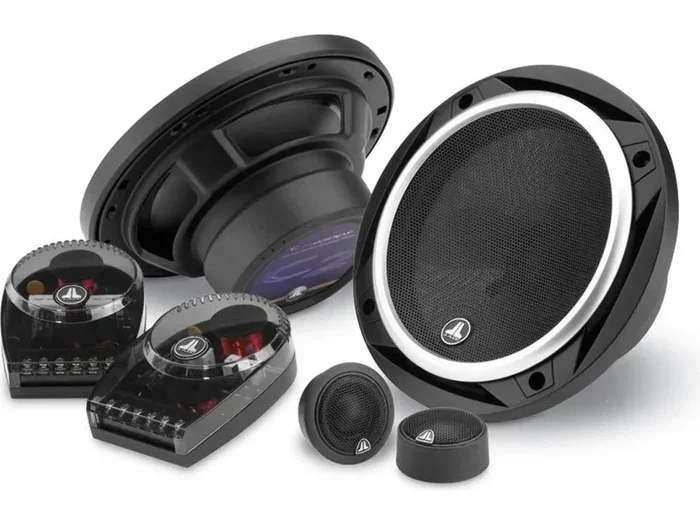
Component car speakers 6.5 deliver superior sound quality compared to standard coaxial models. They separate frequencies for clearer highs and deeper lows. This guide covers everything you need to know for the best upgrade.
Upgrading your car audio system changes everything. You hear details you missed before. Music feels alive again. The best way to start is with component car speakers 6.5. These speakers offer a big step up from factory setups.
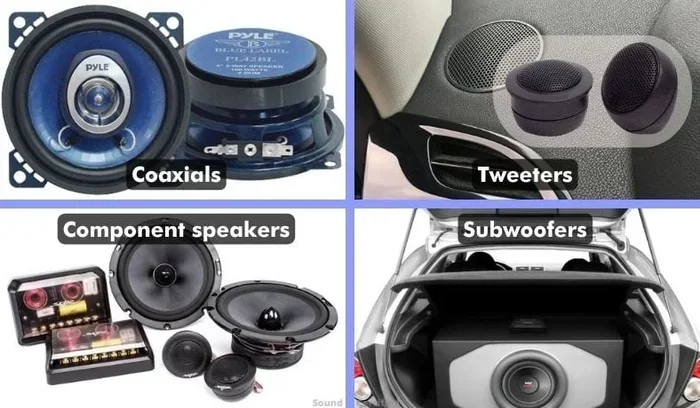
Many people stick with coaxial speakers. They are simple and cheap. But they mix all sounds into one box. Component car speakers 6.5 separate the sounds. This means better clarity. You get distinct highs and rich lows. It is like moving from a small TV to a large screen.
Choosing the right size matters too. 6.5-inch speakers are the standard for most cars. They fit in doors without much trouble. This makes installation easier for DIYers. You do not need to cut your dashboards. You just need to know what to look for. This guide helps you find the perfect match.
Key Takeaways
- Superior Sound Quality: Component speakers separate drivers for clearer audio than coaxial units.
- Ideal Size: 6.5-inch speakers fit most standard car door locations easily.
- Installation Needs: You may need extra wiring and an amplifier for best results.
- Brand Variety: Top brands like Focal and Alpine offer great options for every budget.
- Frequency Separation: Dedicated tweeters handle highs while woofers manage mids and lows.
- Customization: You can place tweeters strategically for better sound staging.
- Long-Term Value: Investing in quality component car speakers 6.5 improves your drive daily.
📑 Table of Contents
- Why Choose Component Car Speakers 6.5 Over Coaxial
- Understanding 6.5 Inch Speaker Specifications
- Top Brands for Component Car Speakers 6.5
- Installation Tips for 6.5 Inch Component Speakers
- Comparing 2 Way vs 3 Way Component Systems
- Matching Amplifiers and Crossovers
- Maintenance and Longevity
- Common Mistakes to Avoid
- Conclusion
Why Choose Component Car Speakers 6.5 Over Coaxial
You might wonder why you should switch. Coaxial speakers put everything in one unit. The tweeter sits on the woofer. It is compact. But sound quality suffers. Component car speakers 6.5 split the work. The woofer handles bass and mids. The tweeter handles highs. This separation reduces distortion.
Sound staging improves too. You can place tweeters higher. This creates a sense of space. Music feels like it comes from the dashboard. Not just the doors. This immersion makes long drives enjoyable. You hear instruments separately. Vocals sound crisp.
Power handling is another plus. Components often handle more power. This means you can turn up the volume. The sound stays clean. Coaxial speakers might crackle at high volumes. Components stay smooth. If you love loud music, this matters.
Better Frequency Separation
Frequency separation is key. Each driver does one job. The woofer focuses on low frequencies. The tweeter focuses on high frequencies. Crossovers manage the split. This prevents overlap. Overlap causes muddiness. Clear separation means clear sound. You hear every note distinctly.
Improved Sound Staging
Sound staging puts you in the center. Factory speakers often sound flat. Components create depth. You place tweeters on the pillars. Woofers stay in the doors. This setup mimics a concert hall. The band feels in front of you. It is a huge upgrade for audiophiles.
Understanding 6.5 Inch Speaker Specifications
Specs can look confusing. You see numbers and terms. But they tell you how the speaker performs. Impedance is one key spec. Most car speakers are 4 ohms. Some are 2 ohms. Your amplifier must match this. Mismatched impedance causes heat. It can damage your gear.

Visual guide about Component car speakers 6.5
Image source: m.media-amazon.com
Sensitivity matters too. This measures efficiency. High sensitivity means louder sound with less power. If you have a low-power head unit, look for high sensitivity. If you have an amp, sensitivity matters less. You want enough power to drive the 6.5 inch midrange speakers properly.
Power handling shows limits. RMS power is the continuous rating. Peak power is the max burst. Focus on RMS. This tells you real performance. A speaker with 50 watts RMS handles steady music well. Do not chase peak numbers. They are marketing tricks.
Impedance and Power Matching
Matching impedance keeps things safe. Most amps work with 4 ohms. Some support 2 ohms. Check your amp manual. If you wire speakers wrong, you risk failure. 8 Ohm 6.5 Speakers exist but are less common in cars. They need more voltage. Stick to 4 ohms for most setups.
Sensitivity Ratings Explained
Sensitivity is measured in decibels. A rating of 90 dB is good. 88 dB is average. Higher numbers mean easier driving. This helps if you do not use an external amp. Your head unit might only give 15 watts. High sensitivity speakers shine here. They get loud without distortion.
Top Brands for Component Car Speakers 6.5
Many brands make great speakers. Quality varies by price. Budget brands save money. Premium brands offer better materials. Focal 6.5 Component Speakers are famous for clarity. They use high-quality cones. The sound is detailed. Alpine is another trusted name. Alpine 6.5 Component Speakers offer reliability. They fit well in many cars.
Kicker provides strong bass. 6.5 Kicker Door Speakers are durable. They handle power well. If you want marine options, look at Polk. Polk 6.5 Marine Speakers resist water. They work in harsh conditions. Hertz offers waterproof options too. Hertz 6.5 Speakers Waterproof are great for boats.
Budget shoppers have choices too. You do not need to spend thousands. Mid-range options sound great. Compare reviews before buying. Listen if you can. Your ears know best. Different brands tune sound differently. Some are bright. Some are warm. Find your style.
Premium Options
Premium speakers use better materials. Silk domes sound smooth. Metal domes sound sharp. Kevlar cones add durability. These materials cost more. But they last longer. They sound better too. If you want top performance, invest here. Focal 6.5 Component Speakers often lead this category.
Budget Friendly Choices
You can get good sound cheaply. Entry-level components beat factory speakers. Look for reputable budget brands. Check power handling. Ensure fitment is correct. 6.5 Speakers 2 Way setups are common here. They offer a good balance. You save money without losing much quality.
Installation Tips for 6.5 Inch Component Speakers
Installation takes some work. It is not plug and play. You need to run wires. Tweeters need separate mounting. You might need new crossovers. Patience is key. Take your time. Rushing leads to mistakes. You could damage wires or panels.
Start by removing door panels. Be careful with clips. They break easily. Disconnect the old speakers. Note the wiring. You need to match polarity. Positive goes to positive. Negative goes to negative. Wrong polarity ruins sound staging. The bass cancels out.
Mount the tweeters carefully. Use brackets if needed. 6.5 Inch 2 Way Speakers often come with kits. Secure them well. Vibration loosens them. Run new wires if old ones are bad. Old wires corrode. Clean connections ensure good sound. Test before reassembling panels.
Tools You Will Need
You need basic tools. A screwdriver set helps. Panel removers are useful. Wire strippers cut cleanly. Electrical tape seals connections. Soldering iron makes strong joints. Crimpless connectors work too. Have a multimeter ready. Check impedance before powering up.
Common Installation Mistakes
Do not skip sound deadening. Doors echo without it. Deadening material reduces noise. It improves bass response. Also, do not ignore crossovers. Set them correctly. High-pass filters protect tweeters. Low-pass filters help subs. Wrong settings distort sound. Take photos during install. It helps if you need to redo it.
Comparing 2 Way vs 3 Way Component Systems
You must choose a configuration. 2 Way Component Speakers 6.5 are common. They have a woofer and tweeter. A crossover splits the sound. This is simple and effective. Most music fits this range. It is easier to install too.
3 Way Component Speakers 6.5 add a midrange driver. This splits frequencies further. Woofer handles lows. Midrange handles vocals. Tweeter handles highs. This offers more detail. But it is harder to install. You need three mounting spots. Not all cars have space.
Which one should you pick? 3 Way Component Speakers For Car audio are great for enthusiasts. You want every detail. But 6.5 Inch 2 Way Speakers work for most people. They save space. They cost less. Crossovers are simpler. For daily driving, 2 way is often enough.
When to Choose 2 Way
Choose 2 way for simplicity. You want good sound without hassle. Space is limited in your car. You do not want to run extra wires. 6.5 Speakers 2 Way setups fit most doors. They are cost-effective. You get great performance without complexity.
When to Choose 3 Way
Choose 3 way for perfection. You have space for three drivers. You want dedicated midrange performance. Vocals will sound incredibly natural. 3 Way 6.5 Speakers require more planning. You need to mount the midrange. Often in the dash or kick panels. It is more work but rewarding.
Matching Amplifiers and Crossovers
Speakers need power. Your head unit might not be enough. An amplifier boosts the signal. It provides clean power. This unlocks the speaker’s potential. Recommended Car Amp For 6 Speakers depends on impedance. Calculate total load. Four 4-ohm speakers in parallel drop impedance. You need a stable amp.
Crossovers are vital for components. They filter frequencies. Passive crossovers come with speakers. They sit between amp and speaker. Active crossovers need power. They offer more control. For most users, passive is fine. They are built-in. You just wire them up.
Do you need an amp? Do I Need An Amplifier For My Car Speakers is a common question. If you want volume, yes. If you want clarity, yes. Head units distort at high volume. Amps stay clean. Component car speakers 6.5 benefit greatly from extra power. It makes them sing.
Choosing the Right Amp
Match power to speakers. Do not underpower them. Do not massively overpower them. Aim for RMS matching. If speakers are 50 watts RMS, get a 50-watt amp per channel. This ensures headroom. You can turn it up safely. Class D amps are efficient. They run cool.
Setting Crossover Points
Set crossover points carefully. Tweeters usually start at 3000 Hz. Woofers go up to 3000 Hz. This avoids overlap. Midranges in 3 way systems split the middle. Adjust based on your music. Bass heavy music might need adjustments. Listen and tweak. There is no perfect number for everyone.
Maintenance and Longevity
Speakers last long if cared for. Keep them dry. Moisture damages coils. If you use marine speakers, rinse them. 6.5 Inch Marine Speakers need salt removal. For cars, avoid extreme heat. Park in shade when possible. Heat ages foam surrounds.
Check connections yearly. Vibration loosens wires. Tighten them up. Clean corrosion with contact cleaner. Dust the tweeters gently. Do not use harsh chemicals. Foam cleaning kits exist for surrounds. They restore flexibility. This extends life significantly.
Upgrade your system wisely. Do not mix mismatched gear. Ensure your source is good. A bad radio limits good speakers. High-quality files sound better. Streaming quality matters too. You hear the difference with component car speakers 6.5.
Common Mistakes to Avoid
People make errors during upgrades. Buying the wrong size is common. Measure your cutouts first. 6.5 Inch Midrange Speakers might not fit deep recesses. Check depth clearance. Also, ignore polarity at your peril. Reverse wiring kills bass. Always check positive and negative marks.
Skipping sound deadening is another mistake. You lose bass in hollow doors. Deadening fixes this. It costs little but helps much. Also, do not cheap out on wiring. Thin wires resist power. Use proper gauge wire. 16 gauge is standard for short runs. 14 gauge is better for long runs.
Finally, do not set gains too high. Clipping damages speakers. Set gains gradually. Listen for distortion. Stop before it sounds bad. Car Speakers Stopped Working All Sudden often happens from clipping. Protect your investment. Tune it right from the start.
Conclusion
Upgrading to component car speakers 6.5 is a smart move. You get better sound staging. You hear more details. The music feels live. Choose the right configuration for your car. 2 Way Component Speakers 6.5 are great for most. 3 Way Component Speakers 6.5 offer more detail if you have space.
Pay attention to specs. Match impedance and power. Install carefully to avoid issues. Use quality wiring and crossovers. Maintain your system for longevity. With the right setup, every drive becomes enjoyable. Your car becomes a concert hall. Start your audio journey today with the best component car speakers 6.5.
Frequently Asked Questions
What are the benefits of component car speakers 6.5?
Component car speakers 6.5 provide better sound separation than coaxial models. They allow you to place tweeters separately for improved sound staging. This results in clearer highs and more detailed mids.
Do I need an amplifier for 6.5 inch component speakers?
You do not strictly need one, but an amp helps. Head units often lack power for full performance. An amplifier ensures clean power and better volume control.
Can I install 6.5 component speakers in any car?
Most cars have space for 6.5-inch speakers in the doors. However, tweeter placement varies by vehicle. Check your door panels for mounting options before buying.
What is the difference between 2 way and 3 way component speakers?
2 Way Component Speakers 6.5 use a woofer and tweeter. 3 Way Component Speakers 6.5 add a dedicated midrange driver. Three-way systems offer more frequency separation but are harder to install.
How do I match impedance for my speakers?
Check your amplifier’s stable impedance range. Most car amps handle 4 ohms well. Wiring speakers in parallel lowers impedance. Ensure the total load matches your amp specs to avoid damage.
Are marine speakers good for cars?
Marine speakers are durable and waterproof. 6.5 Inch Marine Speakers can work in cars but are often overkill. They resist moisture well but might not optimize for car acoustics. Use them if you need extra durability.