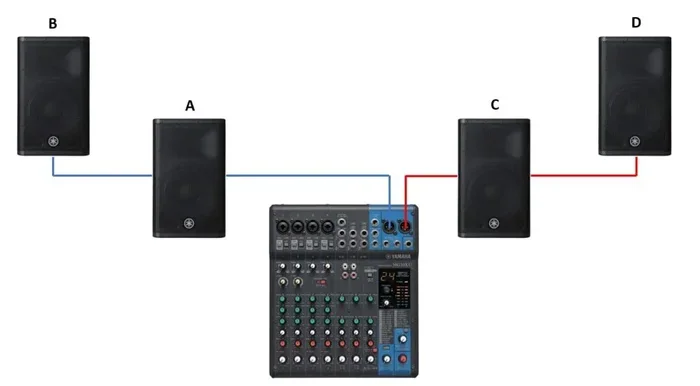
4 Speakers to a 2 Channel Amp
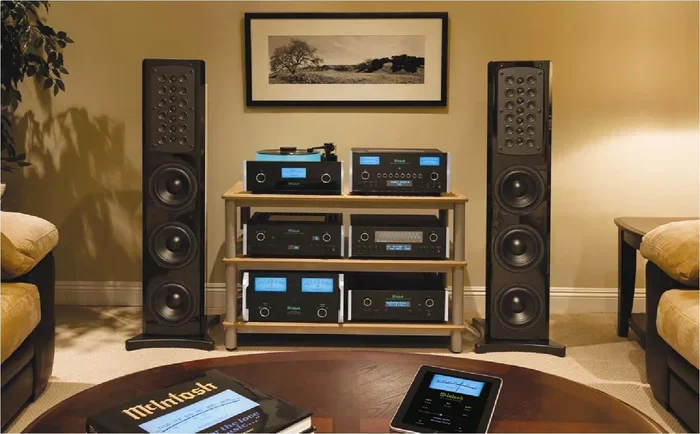
Connecting 4 speakers to a 2 channel amp is possible with the right wiring methods. You must match impedance carefully to avoid blowing your gear. This guide covers series, parallel, and series-parallel setups for safe audio performance.
Key Takeaways
- Impedance Matters: Always check speaker ohm ratings before wiring to your amplifier.
- Wiring Options: You can use series, parallel, or series-parallel connections depending on your setup.
- Amp Limits: Never exceed the minimum impedance load specified by your 2 channel amplifier.
- Sound Quality: Proper wiring ensures balanced sound across all four speakers.
- Safety First: Use correct wire gauges and secure connections to prevent shorts.
- Alternative Solutions: Consider a 4 channel amp if you want dedicated power for each speaker.
- Testing: Always test connections with a multimeter before powering on the system.
📑 Table of Contents
- 4 Speakers to a 2 Channel Amp: Is It Possible?
- Understanding Speaker Impedance
- Wiring Methods for 4 Speakers to a 2 Channel Amp
- Step-by-Step Connection Guide
- Common Mistakes to Avoid
- When to Consider a 4 Channel Amp Instead
- Quick Tips for Safe and Sound Setup
- Expert Insights on Multi-Speaker Wiring
- Key Takeaways
- Final Thoughts
4 Speakers to a 2 Channel Amp: Is It Possible?
Many audio lovers ask if they can hook up 4 speakers to a 2 channel amp. The short answer is yes. But you need to be careful. Your amplifier has limits. Your speakers have resistance. You must match them correctly.
Think of your amp like a power source. It delivers energy to your speakers. If you push too much load, the amp can overheat. In worst cases, it shuts down or fails. This guide will show you safe ways to connect everything. You will learn about wiring methods. You will also learn about impedance matching.
We keep things simple here. No confusing tech jargon. Just clear steps you can follow. Whether you are setting up a car audio system or a home stereo, these principles apply. Let us dive in.
Understanding Speaker Impedance
Impedance is a key concept. It measures how much resistance a speaker offers to the audio signal. You will see it measured in ohms. Common values are 2 ohms, 4 ohms, and 8 ohms. Your amp has a safe range too. Most home amps work best with 4 to 8 ohms. Car amps may handle lower loads.
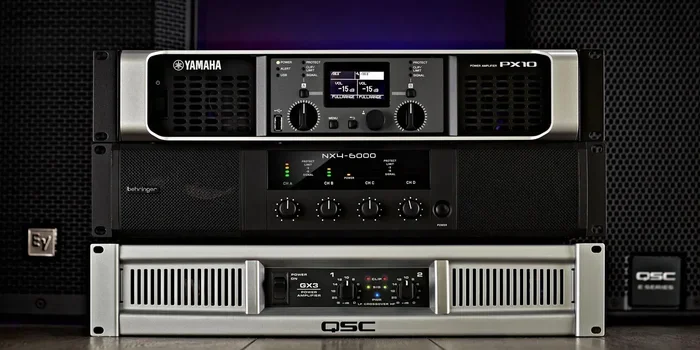
Visual guide about audio amplifiers and speakers
Image source: storage.googleapis.com
When you add more speakers, the total impedance changes. This affects how hard your amp works. Lower impedance means more current flow. Higher impedance means less current flow. You want to stay within your amp’s safe zone. Check the manual for your amplifier. Look for the minimum ohm rating.
Ignoring impedance can cause real problems. Your sound may distort. Your amp may blow a fuse. In serious cases, the output stage fails. So always calculate your total load first.
Why Impedance Matters for Your Setup
You might wonder why this matters so much. Here is the simple reason. Your amp is designed for a specific electrical load. When you connect 4 speakers to a 2 channel amp, you change that load. Each channel will see two speakers instead of one. That changes the math.
If each speaker is 4 ohms and you wire them in parallel, the load drops to 2 ohms. Some amps handle 2 ohms fine. Others do not. If your amp says 4 ohms minimum, a 2 ohm load is dangerous. You must know your gear before you connect anything.
Common Impedance Ratings Explained
Most speakers fall into a few common categories. Here is what you usually see:
- 4 Ohm Speakers: Very common in car audio and home systems.
- 8 Ohm Speakers: Standard for many home stereo speakers.
- 2 Ohm Speakers: Less common, often used in specialized car setups.
Your amp might support a range. For example, it might say 4 to 16 ohms. That means you can connect speakers that total anywhere in that range. Always stay at or above the minimum rating.
Wiring Methods for 4 Speakers to a 2 Channel Amp
Now let us talk about actual wiring. There are three main ways to connect 4 speakers to a 2 channel amp. Each method changes the total impedance differently. Choose the one that matches your gear.
Series Wiring
In series wiring, you connect the positive of one speaker to the negative of the next. This adds the impedance values. Two 4 ohm speakers in series give you 8 ohms total. This is safe for most amps. The downside is less power to each speaker. The sound may be quieter.
Series wiring is simple. You only need to match the polarity correctly. Positive goes to positive. Negative goes to negative. If you reverse one speaker, it cancels out sound. That creates a thin, weak audio experience.
Parallel Wiring
In parallel wiring, you connect all positives together and all negatives together. This lowers the total impedance. Two 4 ohm speakers in parallel give you 2 ohms total. This draws more power from the amp. The sound can be louder and fuller.
But be careful. Not all amps handle 2 ohms. Check your amplifier specs first. If the amp is rated for 4 ohms minimum, parallel wiring is a bad idea. You risk overheating and damage.
Series-Parallel Wiring
This method combines both approaches. You wire two speakers in series, then wire those pairs in parallel. Or vice versa. This lets you fine-tune the total impedance. For example, four 4 ohm speakers can give you 4 ohms total with the right layout. This is often the safest choice for 4 speakers to a 2 channel amp setups.
This method takes a bit more planning. You need to track which speaker connects where. A wiring diagram helps a lot. Many people use this method for car audio systems. It balances power and safety well.
Step-by-Step Connection Guide
Ready to wire your system? Here is a simple process. Follow these steps to connect 4 speakers to a 2 channel amp safely.
Gather Your Tools and Check Specs
Before you start, collect what you need. You will need speaker wire, wire strippers, and a screwdriver. A multimeter is very helpful too. Check your amp manual for impedance limits. Check each speaker for its ohm rating. Write these numbers down.
Plan Your Wiring Layout
Decide which method you will use. Series, parallel, or series-parallel? Pick the one that keeps your total load within safe limits. Draw a quick sketch if it helps. Label each speaker as Speaker 1, Speaker 2, and so on. This prevents confusion later.
Connect the First Channel
Start with channel one on your amp. Connect two speakers to this channel using your chosen method. Match polarity carefully. Red or positive to red. Black or negative to black. Tighten all connections. Loose wires cause crackling and cut-outs.
Connect the Second Channel
Repeat the same process for channel two. Use the same wiring method for consistency. This keeps both sides balanced. Your soundstage will be more even. Check every connection twice before moving on.
Test With a Multimeter
This step is very important. Use your multimeter to measure the total impedance at the amp end. Make sure the reading matches your calculations. If it looks too low, stop and recheck your wiring. Never power on until you confirm the load is safe.
Power On and Listen
Turn on your amp at low volume first. Listen for strange noises. Check that all four speakers produce sound. If one side is quiet, you may have a polarity issue. Adjust as needed. Once everything sounds good, you can raise the volume gradually.
Common Mistakes to Avoid
Even experienced people make errors. Here are the most common mistakes when connecting 4 speakers to a 2 channel amp. Avoid these and you will save time and money.
Ignoring Impedance Limits
This is the biggest mistake. People assume more speakers mean more fun. But if the load drops too low, the amp suffers. Always respect the minimum ohm rating. When in doubt, aim higher, not lower.
Mixing Up Polarity
Reversed polarity on one speaker causes phase issues. The sound becomes thin and weak. Bass disappears. You may not notice right away. But your system will never sound right. Double-check every wire before tightening.
Using the Wrong Wire Gauge
Thin wire can cause power loss. It can also overheat with long runs. Use a wire gauge that matches your setup. For most home and car audio, 16 gauge works well. For longer runs or higher power, go thicker.
Skipping the Test Phase
Some people wire everything and turn it on immediately. That is risky. Always test with a multimeter first. Always start with low volume. Catching a mistake early is much cheaper than replacing an amp.
When to Consider a 4 Channel Amp Instead
Sometimes a 2 channel amp is not the best choice. If you want dedicated power for each speaker, a 4 channel amp is better. You get more control. You get cleaner sound. You also avoid complex wiring math.
A 4 channel amp connects one speaker per channel. Or two speakers per channel with simpler wiring. The impedance load is easier to manage. Many people upgrade to a 4 channel amp when they add rear speakers or want more flexibility.
That said, a 2 channel amp works fine for many setups. If you have the right speakers and wiring method, you can get great results. It depends on your goals and your budget.
Quick Tips for Safe and Sound Setup
Here are some fast tips to keep in mind. These will help you connect 4 speakers to a 2 channel amp with confidence.
- Check the manual: Always read your amp and speaker specs first.
- Use a multimeter: Verify impedance before powering on.
- Label your wires: This saves time during troubleshooting.
- Start low: Begin with low volume and increase slowly.
- Secure connections: Loose wires cause noise and damage.
- Keep it balanced: Use the same wiring method on both channels.
- Plan for heat: Amps working near their limit need airflow.
Expert Insights on Multi-Speaker Wiring
Audio technicians often see the same issues repeat. The most common problem is mismatched impedance. People buy speakers without checking the ohm rating. Then they wire them and wonder why the amp shuts off. The fix is simple: check first, wire second.
Another common issue is poor wire quality. Cheap wire breaks or corrodes over time. This causes intermittent sound or complete failure. Invest in decent speaker cable. It makes a real difference over the long run.
Experts also recommend leaving some headroom. If your amp is rated for 4 ohms, do not push it to exactly 4 ohms with a risky wiring scheme. Aim a bit higher if you can. This reduces stress on the electronics. Your system will run cooler and last longer.
Key Takeaways
Let us recap the most important points. These will help you remember the essentials.
- Match impedance: Keep your total load within your amp’s safe range.
- Choose the right method: Series, parallel, or series-parallel depending on your gear.
- Check polarity: Correct wiring ensures full, balanced sound.
- Test before powering: Use a multimeter to verify your connections.
- Consider upgrades: A 4 channel amp may be simpler for some setups.
Final Thoughts
Connecting 4 speakers to a 2 channel amp is very doable. You just need to plan ahead. Understand impedance. Pick the right wiring method. Test your work. Avoid the common mistakes we covered.
With a little care, you can enjoy rich sound from all four speakers. Your amp stays safe. Your music sounds better. And you save money by using the gear you already have. Take your time, follow the steps, and enjoy the results.
Frequently Asked Questions
Can I connect 4 speakers to a 2 channel amp without damaging it?
Yes, you can connect 4 speakers to a 2 channel amp safely if you match the impedance correctly. Use series or series-parallel wiring to keep the total load within your amp’s minimum ohm rating. Always check your amplifier manual before wiring.
What happens if I wire 4 speakers in parallel to a 2 channel amp?
Parallel wiring lowers the total impedance, which can make the amp work harder. If your amp supports a 2 ohm load, this can work well and give you more power. If your amp requires 4 ohms minimum, parallel wiring may cause overheating or shutdown.
How do I calculate the total impedance for 4 speakers?
For series wiring, add the ohm values together. For parallel wiring, divide the ohm value by the number of speakers if they are identical. For series-parallel, combine both methods to reach a safe total. A multimeter can verify your final result.
Is series or parallel wiring better for 4 speakers on a 2 channel amp?
It depends on your amp and speakers. Series wiring is safer for amps with higher minimum impedance. Parallel wiring can deliver more power but only works if your amp supports the lower load. Series-parallel is often the best balance for many setups.
Do I need a 4 channel amp instead of a 2 channel amp for 4 speakers?
Not always. A 2 channel amp can handle 4 speakers with the right wiring. But a 4 channel amp gives you more flexibility and simpler connections. If you want dedicated power per speaker, a 4 channel amp is a strong option.
What wire gauge should I use for connecting 4 speakers to a 2 channel amp?
For most setups, 16 gauge speaker wire works well. Use thicker wire for longer runs or higher power systems. Good quality wire reduces signal loss and helps your system sound cleaner. Always secure your connections tightly.