What Is a 10 Core Cpu

A 10 core CPU is a processor with 10 independent processing units that handle tasks simultaneously. It delivers powerful multitasking, faster rendering, and smooth gaming performance for demanding laptop users. This guide covers everything you need to know about 10 core processors, from how they work to who actually needs one.
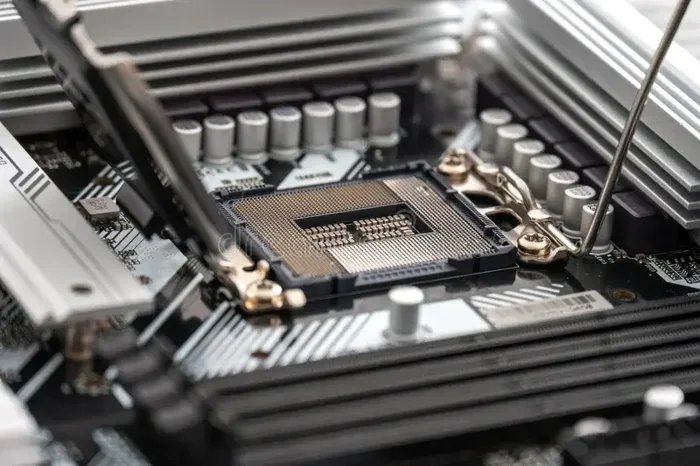
A 10 core CPU is a processor that packs 10 individual cores onto a single chip. Each core acts like its own tiny brain. It can handle tasks on its own without waiting for other cores. This design makes modern laptops incredibly fast and capable of running many things at once.
If you have ever wondered whether a 10 core processor is worth the hype, you are in the right place. This guide breaks down everything you need to know. We will cover how these chips work, who benefits most, and what to watch out for when buying a laptop with one.
## What Exactly Is a 10 Core CPU
A 10 core CPU contains 10 independent processing units on one piece of silicon. Each core can run its own thread of instructions. Think of it like having 10 workers in a factory instead of just 2 or 4. More workers means more gets done at the same time.
Modern processors use something called multi-threading. This lets each core handle two tasks at once. So a 10 core CPU can technically manage 20 threads simultaneously. This is a huge boost for heavy workloads.
### How Cores Work Together
Every core in a multi-core processor shares resources. These include cache memory and the memory controller. The cores communicate through a bus system. When one core finishes a task, it passes the result back to the system.
The operating system decides which core handles which task. This happens in milliseconds. You never really notice it. But this smart分配 makes your laptop feel fast and responsive.
### Clock Speed and Core Count
Clock speed and core count are two different things. Clock speed measures how fast a single core works. Core count measures how many cores are available. A 10 core CPU might have a base clock of 2.8 GHz. But it can boost much higher under load.
Both numbers matter. A high clock speed helps with single-threaded tasks. A high core count helps with parallel workloads. The best laptop processor balances both.
## Who Benefits Most from a 10 Core CPU
Not everyone needs 10 cores. But certain users will see a massive improvement. Let us look at who gets the most out of a 10 core CPU.
### Content Creators and Video Editors
Video editing is one of the most CPU-intensive tasks you can do. Rendering a 4K video takes a lot of power. A 10 core CPU cuts rendering times dramatically. You can export a project in half the time compared to a 6 core chip.
Photographers and graphic designers also benefit. Running Photoshop with multiple layers uses a lot of resources. A high core count keeps things smooth. You can edit and export without lag.
### Gamers and Streamers
Gaming performance depends on both the CPU and GPU. A 10 core CPU gives you a big advantage when streaming. You can run the game on some cores and the streaming software on others. This keeps both running smoothly.
Some games also use multiple cores very well. Titles like Fortnite and other modern games benefit from extra cores. Check out how Fortnite uses CPU and GPU resources to understand why this matters.
### Developers and Engineers
Software developers often run virtual machines and compilers. These tasks love extra cores. A 10 core CPU makes compiling code much faster. Engineers running CAD software also see big gains.
Data scientists running machine learning models benefit too. More cores mean faster training times. This is a huge advantage in professional settings.
## How a 10 Core CPU Compares to Other Options
Not sure if 10 cores is right for you? Let us compare it to other common options.
### 6 Core vs 10 Core
A 6 core CPU handles everyday tasks just fine. Web browsing, office work, and light gaming all run well. But when you push the system hard, a 6 core chip starts to struggle. A 10 core CPU handles those heavy loads with ease.
For most users, 6 cores is enough. But if you do any kind of heavy work, 10 cores is a big step up.
### 8 Core vs 10 Core
An 8 core processor is very popular right now. It covers most use cases well. A 10 core CPU adds two extra cores. This helps with heavily threaded workloads. The difference is noticeable in rendering and compiling tasks.
For gaming, the jump from 8 to 10 cores is smaller. Most games do not fully use more than 6 to 8 cores. But future games may change that.
### 12 Core and Beyond
12 core CPUs exist but are mostly found in desktops. Some high-end laptops do offer 12 cores. But they run hotter and use more power. A 10 core CPU hits a sweet spot. It offers near-desktop performance in a laptop form factor.
## Thermal Management and Cooling
More cores mean more heat. A 10 core CPU generates significant thermal output. This is especially true in laptops where space is limited.
### Why Cooling Matters
When a processor gets too hot, it slows down. This is called thermal throttling. Your laptop feels sluggish even though the chip is powerful. Good cooling prevents this.
Laptops with 10 core CPUs need robust cooling systems. Look for models with multiple heat pipes and large fans. Some gaming laptops handle this better than thin and light models.
### Keeping Your CPU Cool
You can take steps to manage heat. Using a cooling pad helps. Keeping your laptop on a hard surface also matters. Avoid using it on beds or couches where vents get blocked.
Regular cleaning helps too. Dust builds up inside laptops over time. This blocks airflow and raises temperatures. A can of compressed air can make a big difference.
### Thermal Throttling and Performance
Why is my CPU temp so high at idle? This is a common question. High idle temperatures can signal poor thermal management. With a 10 core CPU, idle temps may run a bit higher than on a 6 core chip. That is normal. But if temps spike during light tasks, something may be wrong.
## Laptop RAM and System Balance
A powerful CPU needs matching components. RAM plays a big role in overall performance. A 10 core CPU paired with too little RAM will bottleneck.
### How Much RAM Do You Need
For a laptop with a 10 core CPU, 16 GB of RAM is the minimum. 32 GB is ideal for heavy workloads. Check out what amount of RAM is good on a laptop to learn more about finding the right balance.
### Does RAM Speed Matter
RAM speed does affect performance. Faster RAM helps with data-heavy tasks. But the difference is smaller than the jump from 8 GB to 16 GB. Focus on capacity first, then speed.
### Matching Your CPU with the Right Laptop
Not every laptop can handle a 10 core CPU. Look for models designed for performance. Gaming laptops and mobile workstations are good choices. They have the cooling and power delivery needed for high-core-count chips.
## Common Mistakes People Make with High-Core CPUs
### Assuming More Cores Always Means Faster
This is the biggest misconception. A 10 core CPU is not always faster than a 6 core CPU in every task. Single-threaded applications only use one or two cores. In those cases, a faster clock speed on fewer cores can win.
### Ignoring Cooling Requirements
Many buyers focus only on specs. They forget about cooling. A powerful CPU in a poorly cooled laptop will underperform. Always check reviews for thermal performance before buying.
### Overlooking Power Consumption
10 core CPUs use more power. This affects battery life. If you need a laptop for travel, consider how often you will be on battery. A 10 core chip may drain your battery faster than a lower-core option.
### Skipping Benchmark Tests
Do not just trust the core count. Look at real-world benchmarks. These show how a processor performs in actual tasks. They give you a much clearer picture than specs alone.
## Expert Insights on 10 Core Processors
Industry experts agree that 10 cores is a great sweet spot for power users. It offers a big performance boost without the extremes of desktop chips. The processor architecture in modern 10 core CPUs is highly efficient.
Intel and AMD both offer excellent 10 core options. Intel’s latest generation and AMD’s Ryzen series both shine. Each has its strengths. Intel often leads in single-thread performance. AMD sometimes offers better multi-thread value.
The future of laptop processors points toward even higher core counts. But for now, 10 cores gives you plenty of headroom. It handles today’s demanding apps and prepares you for what comes next.
## Final Thoughts
A 10 core CPU is a powerful processor that delivers serious performance. It excels at multitasking, content creation, gaming, and professional workloads. But it is not for everyone. Casual users may not need all that power.
If you do heavy work or want a laptop that lasts for years, a 10 core chip is a great choice. Just make sure you pair it with enough RAM, good cooling, and a quality display. The right combination makes for an incredible machine.
Take the time to research before you buy. Read reviews. Watch benchmark videos. And consider your actual needs. A 10 core CPU is a fantastic tool. But only if it fits your workflow.
Key Takeaways
- A 10 core CPU means 10 processing cores working together: This boosts multitasking and heavy workloads significantly.
- Not everyone needs 10 cores: Casual users may not see much benefit, but creators and gamers will love the extra power.
- Core count is not everything: Clock speed, architecture, and thermal design also matter a lot for real-world performance.
- 10 core laptops run hotter: Good cooling solutions are essential to keep a high-core-count processor performing well.
- Future-proofing is a big advantage: A 10 core CPU helps your laptop stay relevant for years as software demands grow.
Frequently Asked Questions
Is a 10 core CPU overkill for everyday use?
For basic tasks like browsing and office work, yes. A 10 core CPU is more than most casual users need. But if you also do video editing or gaming, it is a great choice.
Does a 10 core CPU drain battery faster?
It can. More cores use more power, especially under heavy load. But modern processors are smart about managing power. They scale down when you are not pushing them hard.
Can a laptop with a 10 core CPU run games well?
Absolutely. A 10 core CPU provides excellent gaming performance. It also helps when you are streaming or running background apps while gaming.
What is the difference between a 10 core and 12 core CPU?
The difference is two extra cores. A 12 core CPU handles even more heavy workloads. But for most users, the jump from 10 to 12 cores is not very noticeable in daily use.
Do I need a special cooler for a 10 core laptop CPU?
The laptop itself should have adequate cooling built in. You can add a cooling pad for extra help. Keeping vents clean and unobstructed also makes a big difference.
Are 10 core laptops expensive?
They tend to cost more than laptops with fewer cores. But prices have come down over the years. You can find solid 10 core laptops at various price points depending on the brand and features.