What Is the Difference Between a Cell Phone a Smartphone
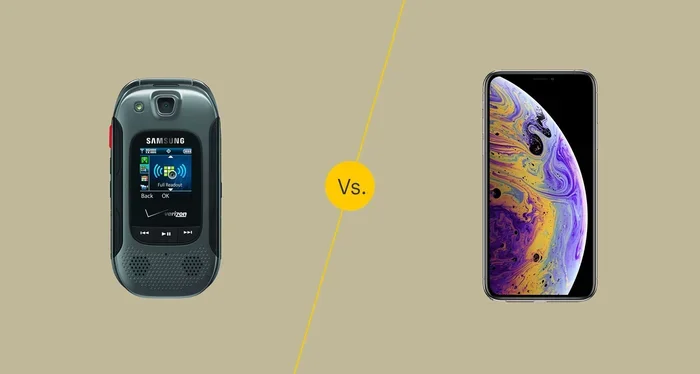
The main difference between a cell phone and a smartphone comes down to features, operating systems, and capabilities. A basic cell phone handles calls and texts, while a smartphone runs apps, browses the web, and acts like a pocket computer. Understanding these differences helps you pick the right mobile device for your life.
Most people use a cell phone every day, but not everyone knows how different it is from a smartphone. The difference between a cell phone and a smartphone comes down to features, power, and what you can do with the device. A basic cell phone handles calls and texts with ease. A smartphone opens up a whole world of apps, web browsing, and mobile computing. This guide breaks down everything you need to know about these two very different devices.
Whether you are shopping for your first mobile device or upgrading your current one, understanding these differences matters. You will learn what each device offers, where they fall short, and how to pick the right one for your life. Let us dive in and explore the world of cell phone technology versus smartphone power.
Key Takeaways
- A cell phone is a basic device for calls and texts with limited features and simple software.
- A smartphone runs a full operating system and supports thousands of apps and mobile computing tasks.
- Internet connectivity and app stores are the biggest factors that set smartphones apart from regular cell phones.
- Hardware power in smartphones far exceeds what a basic cell phone offers, including advanced mobile hardware and storage.
- Your needs and budget should guide which device you choose between a cell phone and a smartphone.
- Cell phones are still great for simple, reliable communication without the complexity of modern mobile technology.
📑 Table of Contents
What Is a Cell Phone?
A cell phone is a portable cellular device that lets you make calls and send texts. It connects to a cellular network through radio signals. Think of it as a simple handheld device built for one main job: communication. Basic cell phones have been around since the 1980s and they still serve millions of people today.
Basic cell phones use small screens, physical buttons, and simple menus. Most feature phones do not run complex software. They focus on core phone features like calling, texting, and maybe a basic camera. A cell phone does not need a data plan to work, which makes it very affordable for many users.
Key Features of a Cell Phone
- Call and text capabilities – the core function of any cellular device
- Small screen – usually a non-touch or basic touchscreen display
- Long battery life – simple mobile hardware uses less power
- Affordable price – often much cheaper than a smartphone
- Physical buttons – keypads or numeric pads for easy use
- Basic camera – low resolution compared to modern devices
A cell phone is perfect for people who just need reliable communication. It does not overwhelm you with options or settings. If you want something simple and dependable, a basic mobile device fits the bill perfectly.
Quick Tips for Cell Phone Users
- Look for a cell phone with a long battery life if you travel often.
- Choose a model with a physical keypad if you prefer tactile buttons over a touchscreen.
- Consider a cellular device with a basic camera if you only need to capture simple moments.
What Is a Smartphone?
A smartphone is a powerful pocket computer that does far more than make calls. It runs a full mobile operating system and supports thousands of apps. You can browse the web, stream videos, play games, and much more. Modern smartphones have become essential tools for work and daily life.
Smartphones come with large touchscreen displays and advanced mobile hardware. They offer internet connectivity through Wi-Fi and cellular data. Today’s smart devices can replace cameras, maps, calendars, and even wallets. The difference between a cell phone and a smartphone is most visible in this category of features.
Key Features of a Smartphone
- Advanced operating system – runs iOS or Android with full app support
- Touchscreen interface – most smartphones rely on finger gestures
- App ecosystem – access to millions of apps for every need
- High-speed internet – supports mobile internet and Wi-Fi browsing
- Powerful processor – handles mobile computing tasks with ease
- High-quality cameras – built-in photo and video capabilities
- Wireless communication – supports Bluetooth, NFC, and more
A smartphone gives you phone capabilities that go way beyond basic calls. It becomes a smart device that adapts to your lifestyle. From navigation to social media, a smartphone keeps you connected in every way possible.
Expert Insight
Experts agree that smartphones have transformed how we communicate. What started as a simple cellular device for calls has become a central hub for productivity, entertainment, and social connection. The mobile technology inside a smartphone continues to evolve at a rapid pace.
What Is the Difference Between a Cell Phone and a Smartphone
Now that you know what each device is, let us look at the real differences. The gap between a basic cell phone and a smartphone has grown over the years. Here are the main areas where they differ in meaningful ways.
Operating System and Software
A cell phone runs simple, built-in software. It does not support third-party apps or complex programs. A smartphone runs a full mobile operating system like Android or iOS. This means you can download and install new apps whenever you want.
The software on a smartphone updates regularly. These updates add new phone features and security patches. A basic cell phone rarely gets software updates. Once you buy it, the cell phone technology stays mostly the same for years.
Internet and App Capabilities
Internet connectivity is one of the biggest differences between these devices. A smartphone gives you full access to the mobile internet. You can browse websites, use social media, and stream content on the go. A basic cell phone may offer limited or no web access at all.
Apps are another major factor that sets them apart. A smartphone lets you install apps for everything from banking to fitness tracking. A cell phone does not support apps in the same way. Your phone capabilities stay limited to what comes built in from the factory.
Hardware and Performance
Mobile hardware in a smartphone is far more powerful. Processors, memory, and storage all run at higher levels. Think about it this way: the RAM in a laptop gives it speed and multitasking power. A smartphone has similar memory technology packed into a tiny handheld device.
A basic cell phone uses simpler components. It does not need heavy processing power. But if you want to run apps, play games, or edit photos, a smartphone is the clear winner. The mobile hardware difference shows in everyday use and performance.
Storage and Memory
Storage works differently on these devices too. A smartphone uses flash memory similar to how a computer uses SSD and NVMe drives for fast data access. You can store thousands of photos, apps, and files on a modern smartphone without slowing down.
A basic cell phone has much less storage. It stores contacts and a few text messages. You cannot download new apps or save large files. For simple communication, this is perfectly fine. But if you rely on mobile computing, you need more space.
Unlike the difference between SSD and NVMe drives in computers, phone storage is more standardized. Most smartphones use built-in flash storage that is fast and reliable. A cell phone uses basic memory chips that serve simple needs.
Input and Interface
A cell phone relies on physical buttons and small keypads. You press numbers to dial and use simple navigation keys. A smartphone uses a large touchscreen controlled by finger gestures. You swipe, tap, and pinch to navigate through menus and content.
Think of how different a laptop mouse is from a touchscreen. A laptop mouse gives you precise control on a computer. A smartphone touchscreen replaces the need for any external input device. This makes smartphones more intuitive but less precise for certain tasks like detailed editing.
Both styles have their fans. Some people love the feel of physical buttons on a cell phone. Others prefer the smooth touchscreen experience of a smartphone. It really comes down to personal preference and what feels natural in your hand.
Comparison Table
| Feature | Cell Phone | Smartphone |
|---|---|---|
| Operating System | Simple built-in software | Full mobile OS (iOS/Android) |
| Apps | Limited or none | Millions available |
| Internet Access | Limited or none | Full mobile internet |
| Screen | Small, basic display | Large touchscreen |
| Camera | Basic, low resolution | High quality, multiple lenses |
| Price Range | $20 – $100 | $100 – $1,000+ |
| Battery Life | Very long | Moderate to long |
| Storage | Minimal | 32GB – 1TB+ |
How to Decide Which Device You Need
Choosing between a cell phone and a smartphone depends on your lifestyle. Both devices serve different purposes. Let us look at how to make the right choice for your situation.
Consider Your Daily Needs
Ask yourself what you do with your mobile device each day. If you mostly make calls and send texts, a cell phone works great. If you need internet connectivity, apps, and entertainment, a smartphone is the better pick.
Think about your phone capabilities needs. Do you use your phone for work emails? Do you stream music or videos? Do you take lots of photos? These questions help you decide which mobile device fits your routine best.
Budget Considerations
Cell phones are much cheaper than smartphones. A basic cellular device can cost as little as $20 to $50. A smartphone can range from $100 to over $1,000. Your budget plays a big role in this decision.
Also think about the long-term cost. Smartphones may need data plans, which add monthly expenses. A cell phone often works on basic plans with lower costs. Just like timing your laptop purchase, timing when you buy a mobile device can save you money.
Consider how long you plan to keep the device. Smartphones get outdated faster due to rapid mobile technology changes. A cell phone stays useful for many years because it does not depend on apps or software updates.
Common Mistakes to Avoid
One common mistake is buying a smartphone when you do not actually need all its features. This wastes money and adds unnecessary complexity. Another mistake is choosing a cell phone that is too basic for your needs. If you occasionally need web access or a camera, a cheap smartphone may serve you better than a high-end cell phone.
Do not ignore mobile hardware quality just because a device is inexpensive. Even budget smartphones offer solid performance today. Read reviews and compare phone features before you commit to a purchase.
The Evolution from Cell Phone to Smartphone
The journey from a basic cell phone to a smartphone is one of the most exciting stories in mobile technology. What started as a simple communication tool became a pocket computer that fits in your pocket. Understanding this history helps you appreciate how far mobile technology has come.
How Technology Changed Everything
In the early days, a cell phone was a luxury item. It let you make calls away from a landline. Over time, mobile technology improved. Screens got bigger. Batteries got better. And then the smartphone changed everything forever.
The first smartphones combined phone calls with email and basic web browsing. As mobile hardware improved, smartphones became more powerful. Today’s smart device can do things that were impossible just 15 years ago. The difference between a cell phone and a smartphone continues to shrink as technology advances.
What the Future Holds
The line between a cell phone and a smartphone continues to blur. Even basic cell phones now offer some smartphone-like features. But the core difference remains. A smartphone gives you full mobile computing power and access to millions of apps.
As mobile technology advances, we will see even more changes. Smartphones will get faster, cameras will improve, and mobile operating systems will become more intuitive. The difference between a cell phone and a smartphone may shrink, but both will always have their place in our world.
Conclusion
The difference between a cell phone and a smartphone comes down to features, power, and purpose. A cell phone handles the basics: calls, texts, and simple tasks. A smartphone opens up a world of mobile computing, apps, and internet connectivity.
Both devices have their place in modern life. Choose a cell phone if you want simplicity and affordability. Choose a smartphone if you need advanced phone capabilities and the latest mobile technology. Either way, you are making a smart choice for your communication needs.
Take some time to evaluate your daily routines and budget. The right mobile device is out there waiting for you. Understanding the difference between a cell phone and a smartphone puts you one step ahead in making the best decision for your lifestyle.
Frequently Asked Questions
Can a cell phone access the internet?
Some basic cell phones offer limited web browsing through a simplified browser. However, the experience is very different from a smartphone. Most cell phones do not support modern websites or apps that require internet connectivity. If you need full web access, a smartphone is the better choice.
Is a smartphone more expensive than a cell phone?
Yes, smartphones generally cost more than basic cell phones. A cell phone can cost as little as $20, while a smartphone starts around $100 and can go well over $1,000. The price difference reflects the advanced mobile hardware, mobile operating system, and phone capabilities found in smartphones.
Do you need a data plan for a smartphone?
Most smartphones work best with a data plan that provides mobile internet access. Without a data plan, you can still use Wi-Fi for browsing and apps. A basic cell phone typically does not need a data plan at all. Your usage habits will determine whether a data plan is necessary for your smart device.
Can you make calls on a smartphone?
Absolutely. A smartphone can make calls just like any cell phone. In fact, smartphones offer even more calling features like video calls, call recording, and spam blocking. The difference between a cell phone and a smartphone is that a smartphone does much more than just place calls.
Are cell phones still being manufactured today?
Yes, cell phones are still being made and sold. Many people prefer the simplicity of a basic cellular device. Brands continue to produce feature phones for users who want reliable communication without the complexity of a smartphone. They remain popular among older adults and those who want a backup device.
What should I look for when buying a smartphone?
Focus on mobile hardware quality, mobile operating system preference, and phone capabilities that match your needs. Consider screen size, battery life, camera quality, and storage space. Also think about internet connectivity options and whether the smart device supports the cellular network bands you need.
=== META DESCRIPTION ===
Learn the key differences between a cell phone and a smartphone. Compare features, operating systems, and find the right device for your needs today!
=== URL SLUG ===
what-is-the-difference-between-a-cell-phone-and-a-smartphone