Best Laptop for Network Engineer

Choosing the right laptop for network engineering means prioritizing processor power, RAM, and connectivity options. A network engineer laptop needs to handle virtualization, routing simulations, and 24/7 uptime without breaking down. We reviewed the top machines that deliver reliable performance for IT professionals.
Network engineers keep the digital world connected. They design, build, and maintain the systems that let businesses, hospitals, and schools function every day. To do this job well, you need a machine that is fast, reliable, and built for long hours of focused work.
A network engineer laptop is not just any ordinary computer. It needs to run simulation software, handle multiple virtual machines, and stay stable during critical network troubleshooting sessions. Whether you are setting up enterprise networks or managing cloud infrastructure, your laptop is your most important tool.
So how do you pick the right one? This guide breaks down everything you need to know. We cover the key specs, the best models on the market, and practical tips to help you make a smart choice. By the end, you will know exactly what to look for in a laptop for network engineering.
Key Takeaways
- Processor and RAM matter most: A strong CPU and at least 16GB RAM are essential for running network simulations and multiple virtual machines.
- Battery life is non-negotiable: Network engineers often work on-site, so a laptop that lasts 8+ hours is critical.
- Connectivity options count: Look for laptops with multiple ports, Wi-Fi 6 support, and Ethernet capabilities for network testing.
- Durability builds trust: A rugged build quality ensures your laptop survives fieldwork and daily commutes.
- Budget options exist: You do not need to spend a fortune. Several laptops under $1,000 deliver excellent networking performance.
- Display size affects productivity: A 14- to 15.6-inch screen gives you enough space for terminal windows and network dashboards.
- Linux compatibility is a bonus: Many networking tools run best on Linux, so choose a laptop with solid Linux support.
📑 Table of Contents
- What Makes a Laptop Good for Network Engineering?
- Top Laptops for Network Engineers in 2024
- Key Specs to Prioritize
- Why Connectivity Matters for Network Engineers
- Battery Life and Portability
- Common Mistakes to Avoid When Buying
- Expert Tips for Getting the Most Out of Your Network Engineer Laptop
- Final Thoughts
What Makes a Laptop Good for Network Engineering?
Not all laptops are created equal. Some are built for casual browsing, while others are designed to handle heavy professional workloads. When you are a network engineer, your machine needs to meet specific demands that everyday laptops simply cannot handle.
The right laptop for networking balances performance, portability, and durability. You need enough power to run tools like Cisco Packet Tracer, GNS3, and Wireshark without lag. At the same time, you need a machine that is light enough to carry to client sites or between offices.
Processor Power
The processor is the brain of your laptop. For network engineering tasks, you want a modern multi-core CPU. Intel Core i7 and i9 chips or AMD Ryzen 7 and Ryzen 9 processors handle complex routing simulations with ease. If you run virtualization software frequently, a stronger processor makes a huge difference in performance.
When comparing options, look at clock speed and core count. A base clock of 2.5 GHz or higher with at least six cores gives you solid headroom. This matters when you are running network troubleshooting tools alongside other applications at the same time.
RAM and Multitasking
Random Access Memory, or RAM, determines how many tasks your laptop can handle at once. Network engineers often run several applications simultaneously. You might have a terminal open, a packet analyzer running, a virtual machine active, and a documentation tool in the background.
For most networking tasks, 16GB of RAM is the sweet spot. If you work with large-scale simulations or run multiple virtual machines, consider stepping up to 32GB. This gives you room to grow and ensures smooth performance even under heavy loads. Check out our guide on best processors for laptops to learn more about matching CPU and RAM for your workflow.
Storage Speed and Capacity
Solid State Drives, or SSDs, are a must for any professional laptop. Unlike traditional hard drives, SSDs load applications and files in seconds. For a network engineer, this means faster boot times, quicker tool launches, and smoother overall performance.
Aim for at least a 512GB SSD. If you store large network configurations, firmware files, or virtual machine images, a 1TB drive gives you plenty of room. NVMe SSDs offer the fastest speeds and are now standard in most quality laptops.
Top Laptops for Network Engineers in 2024
Now that you know what specs matter, let us look at the actual machines. We have reviewed and compared the best options available right now. Each laptop on this list brings something unique to the table for networking professionals.
Dell Latitude Series
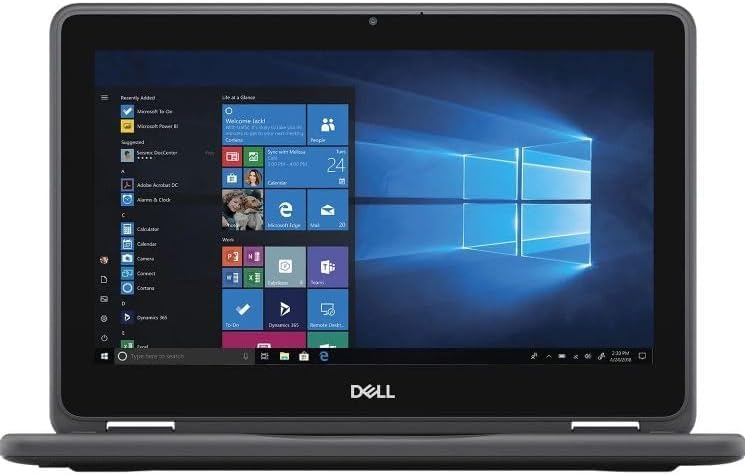
Dell Latitude laptops are a favorite among IT professionals for good reason. They are built for business use, with sturdy construction and reliable performance. The Latitude 5540 and 7540 models offer excellent processors, ample RAM, and a range of connectivity ports that network engineers love.
These machines come with excellent keyboard quality, which matters when you are typing commands for hours. They also feature strong enterprise laptop security features like fingerprint readers and TPM chips. Dell’s business line is a solid choice if you want a dependable laptop for system administration work.
Lenovo ThinkPad T Series
Lenovo ThinkPads have a long reputation for durability and performance. The ThinkPad T14s and T16 models are particularly popular with network engineers. They offer a great balance of portability and power, with a comfortable keyboard and bright, clear displays.
ThinkPads also handle Linux exceptionally well, which is a big plus since many networking tools perform best on Linux distributions. If you are looking for a laptop for IT professionals that will last for years, the ThinkPad line is hard to beat.
MacBook Pro for Network Engineers
Apple’s MacBook Pro might not be the first thing that comes to mind for networking work, but it is a powerful option. The M2 and M3 chip models deliver outstanding performance and battery life. The 14-inch and 16-inch models offer sharp, vibrant displays that make long work sessions easier on your eyes.
One thing to keep in mind is compatibility. Some networking tools are Windows-only, but most modern tools now support macOS or have Linux alternatives. If you already work in an Apple ecosystem, the MacBook Pro is a strong contender for a portable workstation.
Budget-Friendly Options
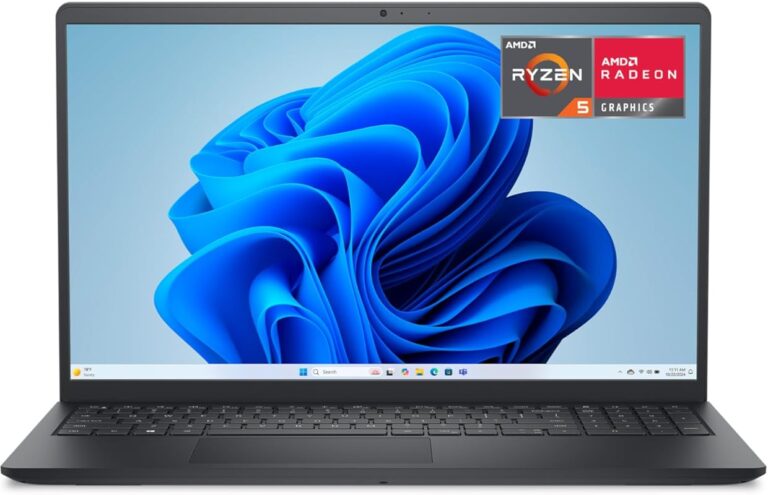
You do not need a top-tier price tag to get a capable networking laptop. Several budget options deliver solid performance for network engineering tasks. Machines with AMD Ryzen 5 processors and 16GB RAM can handle most networking software without issues.
For those watching their budget, check out our guide on best laptops under $500 for affordable options that still pack a punch. You can also look at refurbished business laptops, which offer enterprise-grade quality at a fraction of the cost.
Key Specs to Prioritize
When shopping for a network engineer laptop, certain specifications deserve extra attention. Here is a breakdown of what matters most and why.
| Spec | Minimum Requirement | Recommended |
|---|---|---|
| Processor | Intel Core i5 or AMD Ryzen 5 | Intel Core i7/i9 or AMD Ryzen 7/9 |
| RAM | 16GB | 32GB |
| Storage | 512GB SSD | 1TB NVMe SSD |
| Display | 14 inches, Full HD | 15.6 inches, 2K or higher |
| Battery Life | 6 hours | 8+ hours |
| Ports | USB-C, USB-A, HDMI | Multiple USB ports, Ethernet, Thunderbolt |
| Wi-Fi | Wi-Fi 5 | Wi-Fi 6 or Wi-Fi 6E |
| Operating System | Windows 11 or Linux | Windows 11 Pro or Ubuntu |
This table gives you a quick reference when comparing models. Keep in mind that your specific needs may vary based on the size of your network and the tools you use daily.
Why Connectivity Matters for Network Engineers
Network engineers test and troubleshoot networks constantly. To do this effectively, your laptop needs strong connectivity options. A built-in Ethernet port is a huge advantage, especially when you are testing wired networks or configuring routers and switches.
Wi-Fi 6 support is another important feature. It offers faster wireless speeds and better performance in crowded environments. If you frequently work in offices with many connected devices, Wi-Fi 6 ensures your laptop stays connected without lag.
USB-C and Thunderbolt ports allow you to connect docking stations, external monitors, and networking hardware with ease. Look for laptops that offer a good mix of ports so you are not constantly carrying adapters. This is especially important for fieldwork where you need to connect to different networks and devices on the spot.
Battery Life and Portability
Network engineers are rarely tied to a desk. You might spend your morning in a server room, your afternoon at a client site, and your evening working from home. A laptop with strong battery life makes this kind of mobile workflow possible.
Look for machines that offer at least 8 hours of real-world usage. The MacBook Pro models and ThinkPad T series are particularly strong in this area. When you are on the go, you do not want to worry about finding an outlet every few hours.
Portability also plays a role. A 14-inch laptop strikes a great balance between screen size and weight. It is easy to slip into a laptop backpack for travel and carry throughout the day. If you prefer a larger screen for productivity, a 15.6-inch model still fits comfortably in most bags.
Common Mistakes to Avoid When Buying
Buying a laptop for network engineering is an investment. Avoid these common mistakes to make sure you get the best value for your money.
Skipping RAM for a better-looking laptop. A sleek design means nothing if the machine slows down when you open your networking tools. Always prioritize RAM and processor power over aesthetics.
Ignoring port availability. Some ultra-thin laptops sacrifice ports for a slim profile. While they look great, you may find yourself constantly using dongles and adapters, which is frustrating during network setup and troubleshooting sessions.
Underestimating storage needs. Network configurations, firmware files, and virtual machine images can eat up space fast. A 256GB drive might seem fine at first, but you will likely need more over time. Choose at least 512GB to avoid running out of room.
Forgetting about cooling. Running network simulations and virtual machines generates heat. A laptop with poor cooling will throttle performance over time. Consider pairing your laptop with a cooling mat for laptop to keep temperatures in check during long work sessions.
Expert Tips for Getting the Most Out of Your Network Engineer Laptop
Once you have your new laptop, a few simple practices can help you get the most out of it. These tips come from experienced IT professionals who use their machines daily.
First, keep your operating system and networking tools updated. Security patches and performance improvements come regularly, and staying current protects both your system and the networks you manage. Second, set up a dual-boot system if you need both Windows and Linux. Many network engineers prefer Linux for command-line tools while keeping Windows for documentation and communication apps.
Third, invest in a good docking station. A single cable connection to your monitor, keyboard, and peripherals saves time and reduces cable clutter on your desk. Fourth, back up your network configurations and project files regularly. Use cloud storage or an external drive to keep your work safe in case of hardware failure.
Finally, clean your laptop regularly. Dust buildup in the vents causes overheating, which degrades performance over time. A can of compressed air and a soft cloth go a long way in keeping your machine running smoothly for years.
Final Thoughts
Finding the best laptop for network engineer work comes down to understanding your specific needs. A powerful processor, ample RAM, and solid connectivity options form the foundation of any great networking laptop. Whether you choose a Dell Latitude, a ThinkPad, or a MacBook Pro, what matters most is that the machine supports your daily workflow.
Do not overlook the importance of battery life, portability, and build quality. These factors determine how comfortable and productive you are throughout a long workday. And remember, you do not always need to spend top dollar. A well-chosen budget laptop can deliver excellent networking performance for years.
Take your time, compare your options, and pick the machine that fits your workflow best. Your network engineering career depends on having the right tools, and your laptop is at the center of it all.
Frequently Asked Questions
What is the best processor for a network engineer laptop?
An Intel Core i7 or AMD Ryzen 7 processor is ideal for most network engineering tasks. These chips offer enough power to run virtualization software, network simulators, and multiple terminal windows without slowdown. If you work with very large networks or complex simulations, consider an i9 or Ryzen 9 for extra performance.
How much RAM do I need for network engineering?
16GB of RAM is the minimum for a comfortable experience. It handles most networking tools, virtual machines, and multitasking without issues. If you run multiple virtual machines or large-scale simulations regularly, 32GB of RAM will give you much more headroom and future-proof your setup.
Is a MacBook Pro good for network engineering?
Yes, a MacBook Pro is a strong option for network engineering. The Apple Silicon chips deliver excellent performance and battery life. However, make sure the networking tools you use are compatible with macOS or have Linux alternatives. Many modern tools work well on macOS, but some enterprise tools are Windows-only.
Do I need a dedicated graphics card for network engineering?
No, a dedicated graphics card is not necessary for most network engineering tasks. Your work involves running software tools, terminal commands, and network simulations rather than graphics-heavy applications. Integrated graphics from modern processors are more than sufficient for this type of work.
What screen size is best for a network engineer?
A 14-inch to 15.6-inch display offers the best balance of screen real estate and portability. A 14-inch laptop is lighter and easier to carry, while a 15.6-inch model gives you more space for multiple windows and dashboards. Choose based on whether you prioritize mobility or workspace comfort.
Can I use a budget laptop for network engineering?
Yes, budget laptops can work well for network engineering if they meet the minimum specs. Look for at least 16GB of RAM, a modern multi-core processor, and an SSD. Machines in the $500 to $800 range can handle most networking tasks. Check out our guide on best laptops under $500 for affordable options.